
Learning how to care for Echeveria is simple once you understand their basic needs. These popular, rosette-shaped succulents thrive when provided with bright, direct sunlight and a well-draining soil mix. By mimicking their native desert environment, you can easily keep these stunning, architectural plants healthy and vibrant in your home for many years.
While Echeveria are famously low-maintenance, they are not entirely indestructible. They require specific watering habits to prevent root rot and need consistent light to maintain their beautiful, compact shapes. Understanding these realistic care expectations early on will help you avoid common beginner mistakes, such as overwatering or allowing your succulent to become leggy.
This comprehensive guide covers all the essential steps you need to master your plant care routine. We will explore the best soil amendments, ideal watering schedules, and the most effective lighting techniques for indoor growth. Follow these practical tips to ensure your Echeveria remains a thriving, colorful focal point of your indoor garden.
Providing the Right Light Conditions
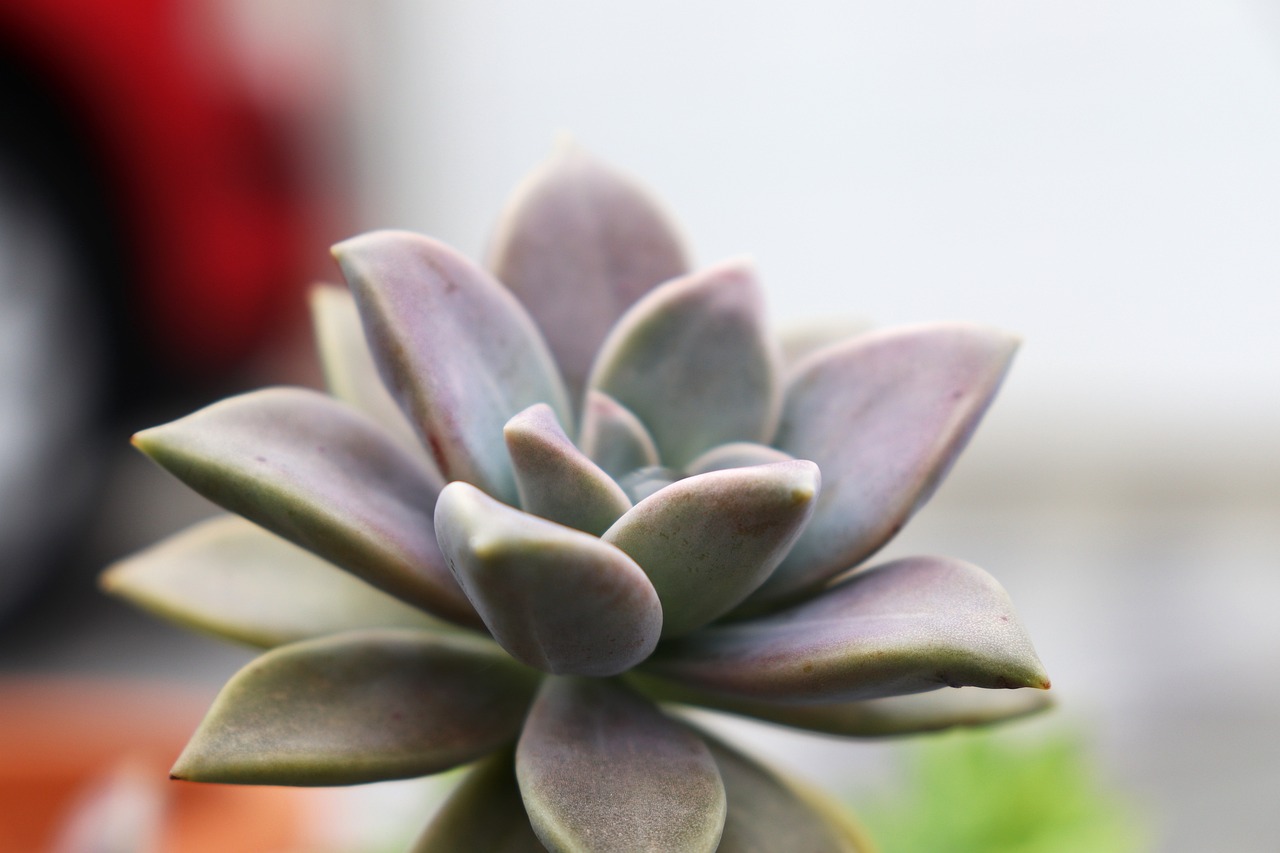
Echeveria are sun-loving succulents that thrive when provided with plenty of bright, indirect light. To maintain their signature rosette shape and vibrant foliage colors, aim for at least six hours of light every day. Without sufficient exposure, these plants will quickly lose their aesthetic appeal and structural integrity.
The most common sign that your echeveria is not receiving enough light is “stretching,” a process botanically known as etiolation. When a plant lacks energy, it will grow tall and sparse, reaching desperately toward the nearest light source, which causes the leaves to space out along the stem. If you notice your succulent leaning or becoming leggy, it is time to relocate it to a brighter spot, such as a south-facing or west-facing windowsill.
If you live in an area with limited natural light or during the darker winter months, you can easily supplement your plant’s needs. Follow these tips to ensure your echeveria remains healthy year-round:
- Use Grow Lights: Full-spectrum LED grow lights are highly effective. Position the light roughly 6 to 12 inches above the plant for 8 to 12 hours a day.
- Acclimatize Gradually: If moving a plant from a dim area to a very bright spot, do so over several days to prevent sunburn. Sudden exposure to intense, direct midday sun can scorch the leaves.
- Rotate Regularly: Even in ideal conditions, echeveria will lean toward the light. Rotate your pot a quarter-turn every time you water to ensure even, symmetrical growth on all sides.
Keep a close eye on the leaf coloration. Healthy echeveria display deep, rich tones; if your plant begins to look pale or washed out, it is a clear indicator that it requires more intense light exposure. By balancing these conditions, you will encourage a compact, hardy succulent that stays true to its natural, beautiful form.
Watering Techniques for Succulent Health
The most frequent cause of Echeveria decline is overwatering. These succulents are adapted to arid environments, meaning their roots require periods of complete dryness to remain healthy. If the soil stays consistently damp, the roots will quickly succumb to rot, often leading to the sudden collapse of the plant.
To keep your Echeveria thriving, adopt the “soak-and-dry” method. This technique mimics the natural cycles of rainfall and drought these plants experience in the wild. Follow these steps to ensure you are providing the right amount of hydration:
- Water thoroughly: Pour water directly onto the soil until it begins to flow freely out of the drainage holes at the bottom of the pot. This ensures the entire root system is hydrated.
- Drain completely: Never allow your Echeveria to sit in a saucer of standing water. Empty the saucer immediately after watering to prevent root suffocation.
- Wait for dryness: Before watering again, check that the soil is bone-dry throughout the entire pot. If you are unsure, insert a wooden skewer or chopstick into the soil; if it comes out damp or with soil clinging to it, wait a few more days.
Beyond frequency, placement matters. Always direct your water toward the soil line rather than pouring it over the rosette. Echeveria leaves are designed to funnel water toward the roots, but if moisture becomes trapped between the tightly packed leaves, it creates a breeding ground for bacterial and fungal rot. If you accidentally splash the leaves, gently blow the excess water away or use a soft cloth to pat the center of the plant dry.
During the winter months, Echeveria enter a period of dormancy and require significantly less water. You may find that you only need to water your plant once a month, or even less, depending on the ambient humidity and temperature of your home. Always prioritize the dryness of the soil over a rigid watering schedule.

Soil and Potting Requirements
The foundation of a healthy Echeveria begins with the right soil environment. Because these succulents are highly susceptible to root rot, they require a fast-draining medium that allows water to pass through quickly rather than sitting stagnant around the roots. Standard potting soil retains too much moisture and will likely cause your plant to decline.
Instead, choose a specialized succulent or cactus potting mix. These commercial blends are specifically formulated to provide the necessary aeration and drainage these plants crave. If you find that your mix still feels too dense, you can easily improve it by amending the soil with additional inorganic materials. Incorporate one of the following to boost airflow:
- Perlite: Lightweight volcanic glass that prevents soil compaction.
- Pumice: A porous rock that facilitates excellent drainage and root oxygenation.
- Coarse sand: Horticultural-grade sand helps maintain structural integrity in the pot.
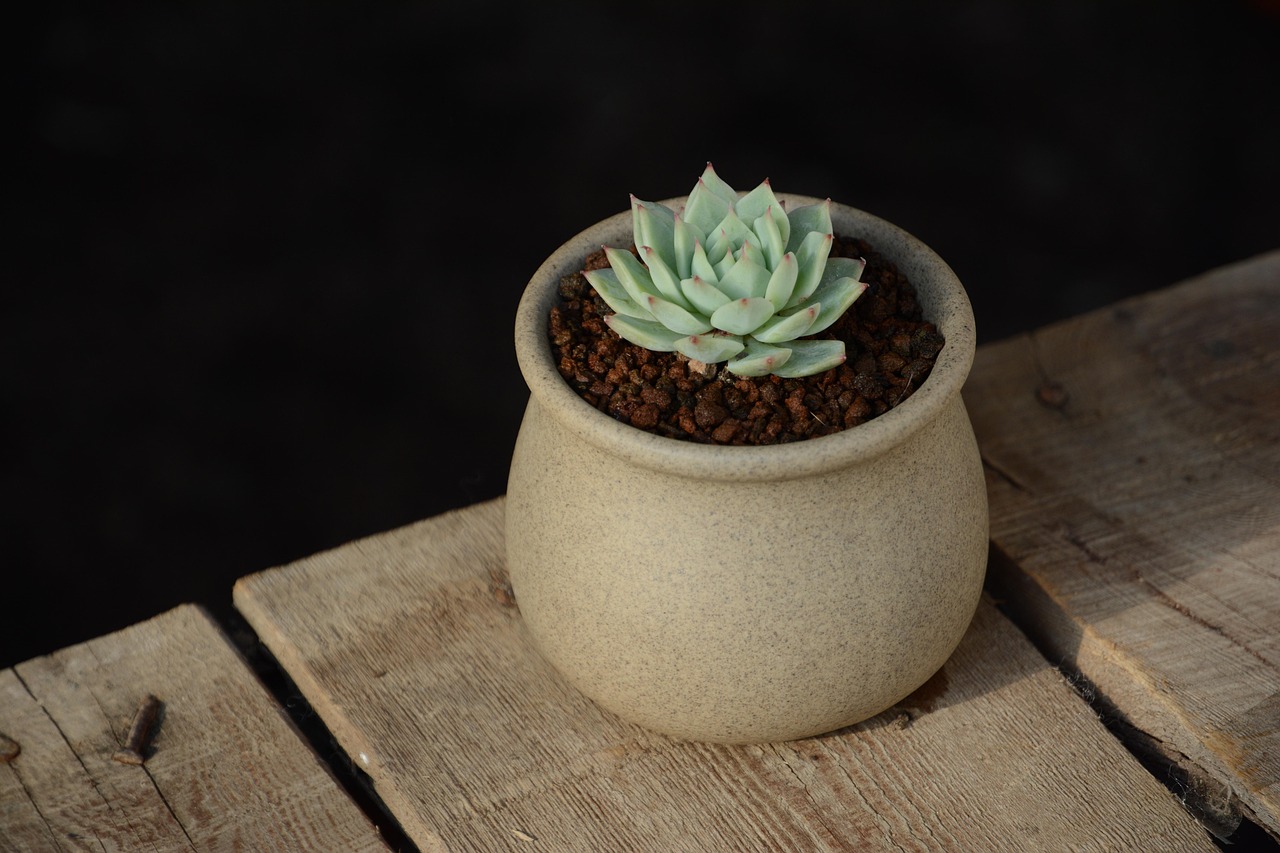
Your choice of container is just as critical as the soil itself. Always use a pot that features at least one drainage hole at the bottom. Without an exit point for excess water, even the best soil mix will eventually become waterlogged. Terracotta or unglazed ceramic pots are excellent options because the porous material naturally wicks moisture away from the soil, further reducing the risk of overwatering.
When it is time to repot your Echeveria, handle the plant with care. While most Echeveria varieties have soft, fleshy leaves, some larger or hybrid types may have sharp tips or stiff foliage that can cause minor skin abrasions. To protect your hands, wear a pair of sturdy gardening gloves during the process. If you are working with a delicate specimen, you can also use a strip of folded newspaper to create a gentle “sling” around the base of the plant, allowing you to lift it from its old container without damaging the fragile, waxy coating on its leaves.
Pruning and Maintenance Safety
Over time, Echeveria may grow tall and “leggy” as they stretch toward light. If your succulent loses its compact rosette shape, pruning is a safe and effective way to rejuvenate the plant. Proper technique ensures the succulent recovers quickly without succumbing to rot or infection.
Before you begin, gather your tools. Use sharp, sterilized pruning shears or fine-tipped scissors. Sterilizing your equipment with rubbing alcohol prevents the spread of pathogens into the fresh cuts. Always keep your fingers well away from the blades during the process, as succulent stems can be surprisingly tough, requiring a bit of pressure that could lead to a slip.
When performing maintenance, follow these safety and care steps:
- Work in a well-lit area: Proper visibility is essential to avoid accidental slips or damaging healthy leaves.
- Make clean cuts: Aim for a straight, smooth cut across the stem. Jagged edges take longer to callous and increase the risk of fungal issues.
- Remove debris carefully: Use tweezers or blunt-nosed pliers to pull away dead, dried-up leaves from the base. This prevents moisture from trapping against the stem, which is a common cause of rot.
- Let it callous: After pruning, place the plant in a shaded, dry spot for a few days. This allows the cut surface to form a protective callous before you resume normal watering.
If you are removing a large, leggy top section, you can often propagate the head by replanting it in fresh, well-draining succulent soil. Simply wait for the stem to dry completely before placing it into the substrate. Avoid watering the newly planted cutting for at least a week to encourage root growth rather than rot. By maintaining a clean, steady workspace and using sharp tools, you ensure both your safety and the long-term health of your Echeveria. Always discard dead plant material immediately to keep your gardening area clean and free of pests.
Troubleshooting and Long-Term Care
Even with the best intentions, Echeveria can encounter setbacks. The most frequent culprit is overwatering. If you notice your plant’s lower leaves turning yellow, mushy, or translucent, it is likely receiving too much moisture. Allow the soil to dry out completely between waterings and ensure your pot has adequate drainage holes to prevent root rot.
Pests can also compromise your succulent’s health. Keep a close watch for mealybugs, which appear as small, white, cottony clusters tucked into the crevices where leaves meet the stem. If you spot them, you can often remove them manually using a cotton swab dipped in rubbing alcohol.
If you encounter persistent decay or an infestation that does not respond to manual removal, it is time to seek professional advice. Consult a local nursery to identify plant-safe treatments that will effectively address the issue without damaging your Echeveria’s delicate, waxy foliage.
Long-term success depends on adjusting your routine to match the plant’s natural growth cycle. Echeveria requires significantly less water during its winter dormancy period. To keep your plant thriving year-round, follow these seasonal care tips:
- Reduce Watering: During winter, water only sparingly—just enough to prevent the leaves from shriveling.
- Monitor Light: Ensure your plant still receives bright, indirect light, even as growth slows down.
- Check for Debris: Periodically clear away any dead or dried leaves from the base of the plant to improve airflow and prevent fungus.
- Avoid Fertilizer: Pause all fertilization during the dormant winter months, as the plant is not actively growing.
By observing your Echeveria closely and adjusting your care based on the season, you can prevent common problems before they escalate. Consistent, mindful monitoring is the most effective way to ensure your succulent remains healthy, vibrant, and structurally sound for years to come.

Dedicated team of gardening enthusiasts with years of hands-on experience testing lawn mowers, gardening tools, and outdoor equipment. We help home gardeners and professionals alike make informed buying decisions with honest, thorough reviews. From push mowers to pruning shears, we test it all so you don’t have to. Got a gardening tool you’d like us to review? Get in touch!