
Cacti and succulents are popular for their unique shapes and low-maintenance nature, but they do require specific conditions to thrive. Learning how to care for cactus and succulents starts with understanding their natural desert origins. By mimicking these arid environments in your own home, you can easily prevent common issues like rot or wilting.
While these resilient plants are often marketed as indestructible, they are not entirely self-sufficient. They need more than just an occasional splash of water to truly flourish indoors. Setting realistic expectations involves recognizing that different species have varied requirements, so observing your plant’s specific reactions to its current environment is a vital skill for success.
This guide covers the essential principles of light, water, and soil to help you keep your desert plants healthy and vibrant. We will walk you through the best practices for choosing the right pots, establishing a proper watering schedule, and ensuring your succulents receive the perfect amount of sunlight to grow strong throughout every season.
Understanding Light Requirements for Desert Plants
Light is the most critical factor in keeping cacti and succulents healthy. While these plants are famous for thriving in harsh desert environments, their needs change significantly when moved indoors. Understanding the difference between direct and indirect light is the key to preventing common growth issues.
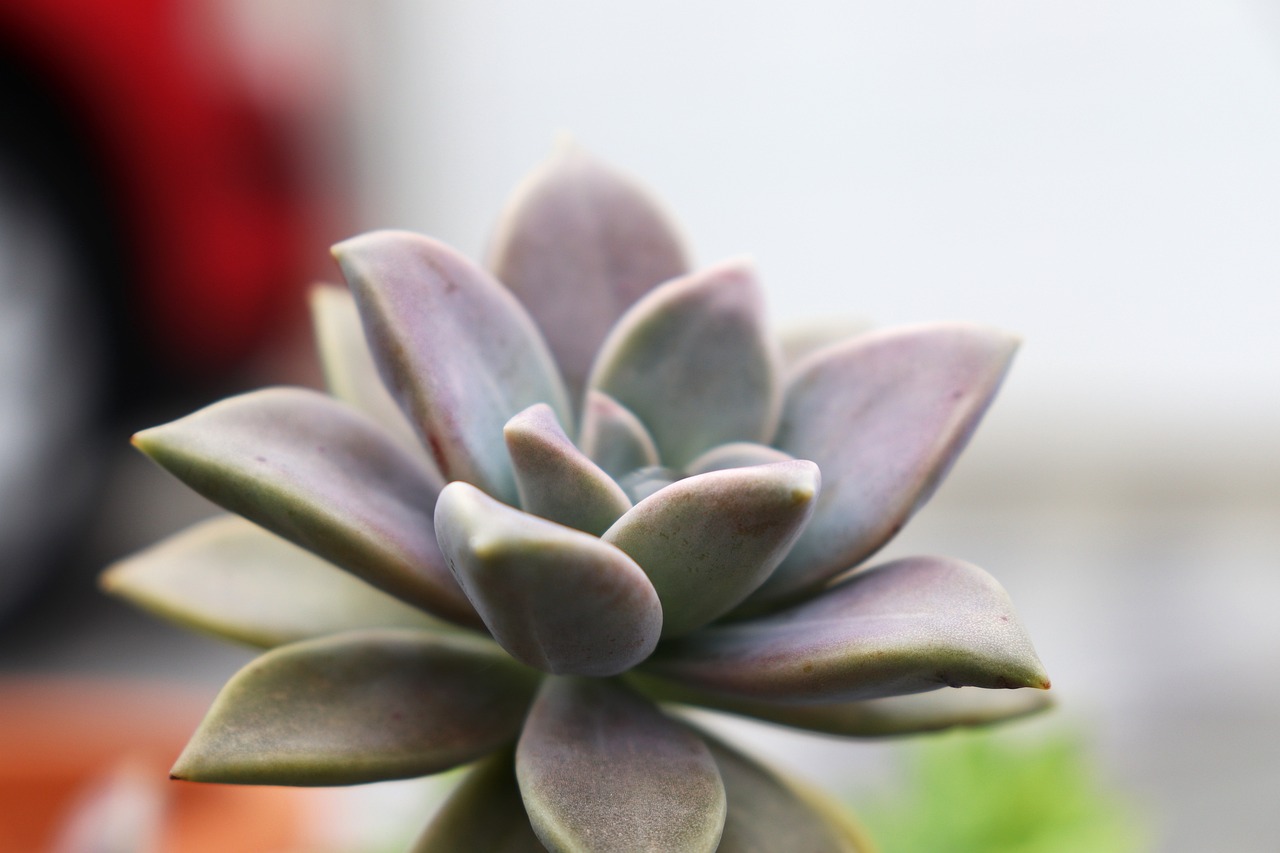
Most common indoor succulents, such as Echeveria or Haworthia, thrive in bright, indirect sunlight. A sunny, south-facing windowsill is usually the ideal spot, as it provides consistent illumination throughout the day without the intense, scorching heat of direct afternoon rays. If your window receives harsh, direct sun, you can use a sheer curtain to diffuse the intensity while still providing the brightness your plants crave.
Desert cacti, conversely, often tolerate and even prefer direct sunlight. However, if you are bringing a plant home from a nursery where it was kept under artificial lights, introduce it to direct sun gradually over two weeks to prevent sunburn, which manifests as bleached or scorched patches on the leaves.
You can tell if your plant is receiving the right amount of light by observing its growth patterns:
- Etiolation (Stretching): If your succulent begins to grow tall and spindly with large gaps between leaves, it is “stretching” to find more light. Move it to a brighter location immediately.
- Leaning: If your plant consistently tilts toward a window, it is signaling that it needs more intense light. Rotate the pot weekly to promote even, symmetrical growth.
- Color Changes: Many succulents will develop vibrant “blush” colors when exposed to optimal light levels. If your plant looks dull or pale green, it likely needs more energy.
Remember that light intensity changes with the seasons. A spot that provides perfect light in the winter may become too intense during the summer months. Monitor your plants closely throughout the year and adjust their position as needed to ensure they remain compact, colorful, and healthy.
Mastering the Watering Routine
The most frequent mistake new succulent and cactus owners make is overwatering. These plants are adapted to arid environments, meaning their root systems are highly susceptible to rot if left in constantly damp soil. To keep your plants thriving, you must move away from rigid schedules and instead follow the rhythm of your plant’s needs.
The most reliable technique is the “soak and dry” method. This approach mimics the natural rainfall patterns these plants experience in the wild, providing deep hydration followed by a period of necessary drought.
Follow these steps to master the routine:
- Check the soil: Before adding water, insert a wooden skewer or your finger two inches into the potting mix. If you feel any moisture, wait. The soil must be completely dry from top to bottom.
- Water thoroughly: When the soil is dry, pour water directly onto the potting mix—avoiding the leaves—until you see it running freely out of the container’s drainage holes.
- Drain completely: Never let your pot sit in a saucer of standing water. Empty the saucer immediately after drainage to prevent root suffocation.
It is vital to adjust your habits as the seasons change. During the spring and summer, your plants are in an active growth phase and will require more frequent watering. However, as temperatures drop and daylight hours shorten during the winter, most cacti and succulents enter a period of dormancy.
During these colder months, your plants consume very little water. You may find that you only need to water them once a month, or sometimes not at all, depending on your home’s humidity levels. If you are unsure whether to water, it is always safer to wait another week. Succulents are far more resilient to underwatering than they are to the permanent damage caused by overwatering. By observing your plant’s soil rather than a calendar, you will ensure long-term health and vibrant growth.
Selecting the Right Soil and Drainage
The foundation of a healthy cactus or succulent lies in the soil and drainage system you choose. Because these plants originate from arid environments, they are highly susceptible to root rot if their roots remain damp for too long. Proper drainage is not just a preference; it is a requirement for survival.
Always select a container that features at least one drainage hole at the bottom. While decorative pots without holes are aesthetically pleasing, they trap excess water, creating a stagnant environment that quickly leads to fungal infections and plant death. If you must use a decorative pot, place the plant in a plastic nursery pot with drainage holes first, then set that inside the decorative container.
Equally important is the growing medium. Standard indoor potting soil is designed to retain moisture for leafy tropical plants, making it entirely unsuitable for succulents. Instead, use a specialized cactus or succulent potting mix. These blends are formulated to be gritty, porous, and fast-draining, allowing water to pass through quickly without waterlogging the root system.
If you cannot find a pre-mixed commercial blend, you can easily create your own by amending standard potting soil. To ensure optimal drainage, follow these simple guidelines:
- Amend your mix: Combine two parts standard potting soil with one part perlite, pumice, or coarse horticultural sand.
- Avoid fine sand: Never use play sand or beach sand, as the fine particles can compact and actually hinder drainage rather than improve it.
- Add inorganic material: Incorporating grit, such as small lava rocks or expanded shale, increases airflow around the roots, which is vital for preventing rot.
By prioritizing a porous soil structure and ensuring water can freely exit the pot, you mimic the natural, well-draining conditions these plants crave. This simple step significantly reduces the risk of common succulent ailments and sets your plants up for long-term health and vibrant growth.
Safe Handling and Repotting Techniques
Handling cacti and succulents requires a delicate balance between protecting your hands and ensuring the plant remains undamaged. Because many cacti feature sharp spines or glochids—tiny, hair-like needles that easily embed in skin—never attempt to move them with your bare hands.
To safely grip a prickly specimen, use thick, puncture-resistant leather gardening gloves. If you do not have heavy-duty gloves, a simple and effective trick is to wrap the plant in several layers of thick newspaper or a folded towel. This creates a protective barrier that allows you to maneuver the plant without sustaining injuries or damaging the delicate epidermis of the cactus.
When you are ready to repot or perform maintenance, follow these safety best practices:
- Wear eye protection: Always wear safety glasses when working with cacti. Spines can easily flick off during handling and pose a serious risk to your eyes.
- Use the right tools: For trimming dead growth or removing offsets, use clean, sharp pruning shears. Dull blades can crush plant tissue, leading to rot.
- Sanitize your equipment: Wipe your shears with isopropyl alcohol before and after each cut. This prevents the transmission of fungal or bacterial diseases between plants.
- Handle with care: When repotting, avoid squeezing the plant too tightly. Use your newspaper wrap or a pair of kitchen tongs to hold the plant steady while you fill the pot with fresh, well-draining succulent soil.
After repotting, resist the urge to water your cactus immediately. Succulents often suffer minor root damage during the transition; waiting three to five days before the first watering allows these roots to callous over, significantly reducing the risk of rot. By taking these precautions, you ensure both your safety and the long-term health of your collection. Consistent, careful handling is the hallmark of a successful succulent gardener.
Troubleshooting Common Issues and Long-Term Care
Even the most dedicated plant parents encounter setbacks. Understanding how to interpret your cactus or succulent’s physical cues is the key to long-term success. Most issues stem from improper watering habits rather than a lack of a “green thumb.”
If you notice mushy, translucent stems or yellowing leaves, you are likely overwatering. These plants store water in their tissues, and soggy soil quickly leads to root rot. If the plant feels soft, immediately stop watering and check the roots. If they appear black or slimy, the plant is likely beyond recovery. In such cases, it is best to salvage healthy, firm sections of the plant for propagation rather than attempting to save a compromised root system.
Conversely, if your plant looks shriveled or develops deep wrinkles, it is likely thirsty. While succulents are drought-tolerant, they still require hydration to maintain their structure. Give the plant a thorough soak, ensuring excess water drains completely from the pot.
To keep your collection thriving, follow these maintenance tips:
- Fertilize sparingly: Use a balanced, water-soluble fertilizer diluted to half-strength. Only apply this during the active growing season (spring and summer).
- Monitor for pests: Mealybugs—which look like tiny white cotton tufts—are common invaders. If you spot them, dip a cotton swab in 70% rubbing alcohol and wipe them away immediately.
- Ensure drainage: Always use pots with drainage holes and a well-draining soil mix specifically formulated for cacti.
Long-term care is about observation. By checking your plants weekly, you can catch minor issues before they become terminal. Remember that these plants prefer to be left alone rather than fussed over; once you establish a consistent environment, they will reward you with years of growth. If a plant eventually outgrows its space or becomes leggy due to low light, do not hesitate to prune it back or start fresh with new cuttings.

Dedicated team of gardening enthusiasts with years of hands-on experience testing lawn mowers, gardening tools, and outdoor equipment. We help home gardeners and professionals alike make informed buying decisions with honest, thorough reviews. From push mowers to pruning shears, we test it all so you don’t have to. Got a gardening tool you’d like us to review? Get in touch!