
Most hydrangeas will grow between three and twelve feet tall, depending entirely on the specific variety you choose to plant. Understanding how tall your hydrangea will grow is essential for proper placement and long-term landscape planning in your garden. Knowing these mature dimensions ensures your shrubs have enough space to thrive without overcrowding.
Hydrangeas are a staple in many gardens, but their mature size varies significantly based on genetics and environmental factors. While some compact cultivars stay under three feet, others can reach heights of fifteen feet or more. Realistic expectations prevent future maintenance headaches, as improper placement often leads to unnecessary pruning or the need for total plant relocation.
This guide helps you determine exactly what to expect from your shrubs by highlighting popular varieties and their typical growth habits. We will explore how soil conditions, sunlight exposure, and pruning techniques influence the final height of your plants. Follow these practical tips to ensure your hydrangeas remain perfectly sized for your unique landscape design.
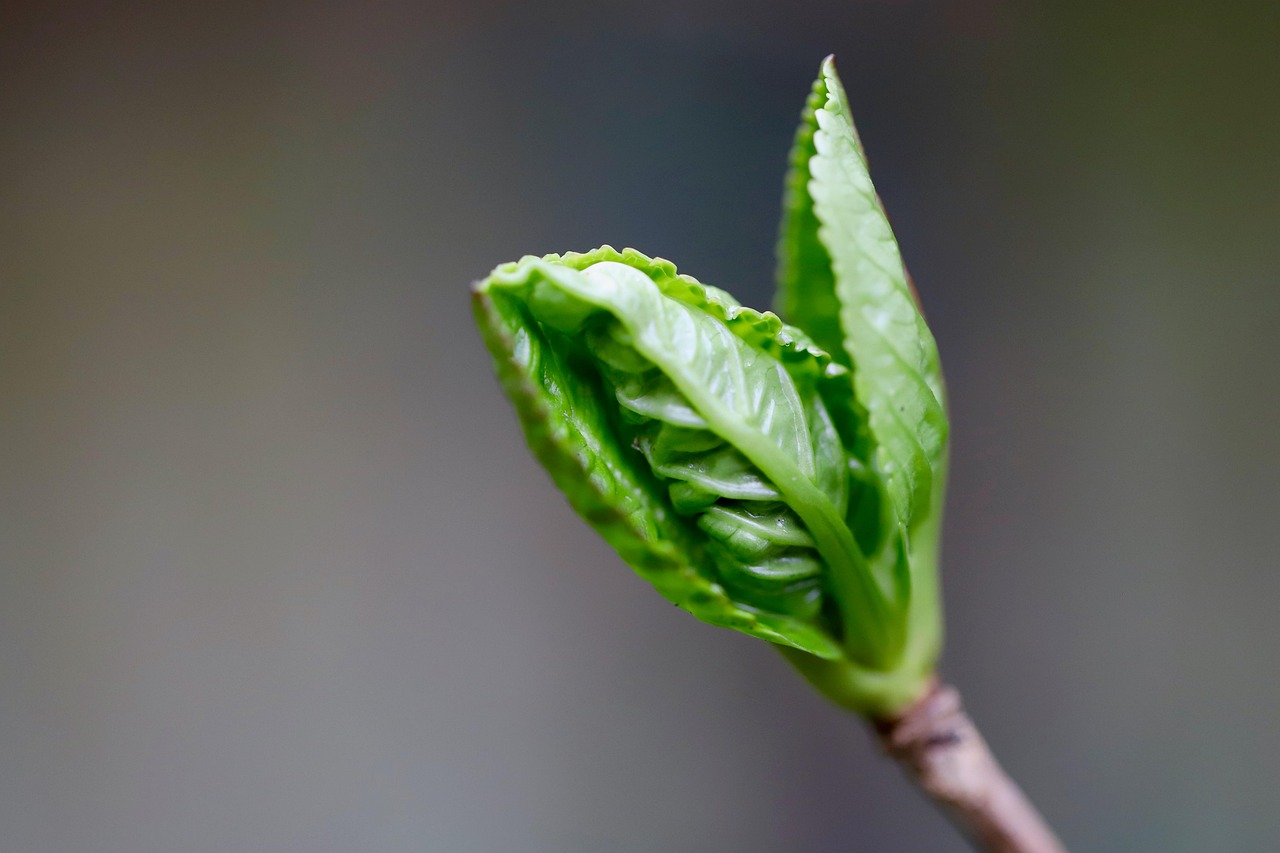
Understanding Hydrangea Varieties and Height Potential
When planning your garden layout, the most important factor in determining how tall your hydrangea will grow is its specific variety. While all hydrangeas share a love for consistent moisture and rich soil, their genetic blueprints dictate vastly different mature heights. Choosing the right plant for your available space prevents the need for constant, aggressive pruning that can ruin the shrub’s natural shape.
Before purchasing, identify your hydrangea type to understand its expected vertical reach:
- Bigleaf Hydrangeas (Hydrangea macrophylla): These popular shrubs typically reach 3 to 6 feet in height. They are ideal for foundation plantings or mid-border placement.
- Panicle Hydrangeas (Hydrangea paniculata): These are the giants of the hydrangea world. Depending on the cultivar, they can grow 10 to 15 feet tall, making them excellent candidates for privacy screens or focal points.
- Smooth Hydrangeas (Hydrangea arborescens): Generally ranging from 3 to 5 feet, these are known for their reliable, large white blooms and moderate stature.
- Oakleaf Hydrangeas (Hydrangea quercifolia): These versatile plants usually mature between 4 and 8 feet, offering both significant height and structural interest through their unique foliage.
Keep in mind that “mature height” is an estimate based on ideal growing conditions. Factors such as local climate, soil quality, and the amount of daily sunlight can influence how quickly and how tall your plant grows. A hydrangea planted in partial shade may stretch more to seek light, while one in full sun might remain more compact but produce more blooms.
Always check the specific tag provided by the nursery for your chosen cultivar. Many modern varieties have been bred to be “dwarf” versions of the species listed above. These compact selections are specifically engineered to stay under 3 feet, making them perfect for containers or small garden beds where standard heights would be overwhelming. By matching the variety to your garden’s dimensions now, you ensure a balanced, low-maintenance landscape for years to come.
Environmental Factors That Influence Growth
While genetics dictate the maximum height of your hydrangea, your local environment acts as the primary driver for whether it reaches that potential. Think of your garden as the foundation; even the most vigorous cultivar will struggle to reach its full size if its basic needs are not met.
Soil quality is the most significant factor. Hydrangeas thrive in rich, well-draining soil packed with organic matter. If your soil is sandy or heavily compacted clay, the plant will struggle to develop the robust root system required to support tall, healthy stems. Amending your planting hole with compost annually provides the nutrients necessary for sustained vertical growth.
Moisture management is equally critical. Hydrangeas are thirsty plants. If they experience chronic drought, the plant will conserve energy by limiting its size, leading to stunted growth and smaller blooms. Consistent watering is essential, especially during the first two years of establishment.
Sunlight exposure dictates the plant’s energy production. While specific requirements vary by variety, most hydrangeas follow these general rules:
- Morning Sun: Most varieties prefer gentle morning light, which promotes healthy growth and flower production.
- Afternoon Shade: Intense, direct afternoon sun can scorch leaves and cause the plant to wilt, forcing it to focus on survival rather than height.
- Deep Shade: Planting in extreme shade often results in “leggy” growth as the plant stretches toward light, which can weaken the stems and prevent the shrub from reaching its full, lush height.
Finally, consider your local climate. Extreme temperature fluctuations or harsh winds can cause die-back, particularly in the winter. If the top growth of your hydrangea is damaged by frost, the plant must spend the following spring repairing itself rather than growing upward. Providing a layer of mulch around the base helps regulate soil temperature and protects the roots, ensuring the plant has the stability it needs to reach its maximum height safely and reliably.

Strategic Pruning for Height Control
Pruning is the most effective way to manage the height of your hydrangeas. By understanding your specific variety, you can strategically remove growth to keep the shrub within your desired dimensions without sacrificing its health or future blooms.
Always use clean, sharp bypass pruners to ensure precise cuts that heal quickly. Dull blades can crush stems, creating jagged wounds that invite pests and disease. Additionally, wear durable gardening gloves to protect your hands from rough stems or hidden thorns.
Safety is the priority when managing height. Never attempt to prune high branches while standing on a ladder, as hydrangeas often have brittle wood that cannot support your weight. If a shrub has grown beyond your reach, follow these guidelines to maintain control:
- Use long-reach loppers to trim upper branches while keeping both feet firmly on the ground.
- Identify the “growth nodes”—the small bumps on the stem—and make your cut just above them to encourage outward, rather than upward, growth.
- Remove dead or damaged wood first, as this provides a clear view of the plant’s structure before you begin height reduction.
- For severe height reduction, consider the “one-third rule”: never remove more than one-third of the total plant volume in a single season to avoid stressing the root system.
Timing is critical for successful height management. If you prune a variety that blooms on “old wood” (like Bigleaf or Oakleaf hydrangeas) too late in the season, you will accidentally remove the flower buds for the following year. These varieties should be pruned immediately after they finish flowering in the summer.
Conversely, “new wood” bloomers, such as Panicle or Smooth hydrangeas, are more forgiving. You can safely prune these back in late winter or early spring while the plant is dormant. By cutting them back significantly at this time, you can effectively reset their height for the upcoming growing season, ensuring they remain compact and manageable throughout the summer months.
Spacing Your Shrubs for Mature Size
When planning your landscape, resisting the urge to plant young hydrangeas close together is essential. While a small shrub may look lonely in a large garden bed, it will eventually reach its full genetic potential. Planting too densely forces these shrubs to compete for nutrients, water, and sunlight, which can lead to stunted growth and poor flowering.
Beyond aesthetics, proper spacing is a critical component of plant health. Hydrangeas require adequate airflow to keep their foliage dry. When shrubs are crowded, humidity becomes trapped between the leaves, creating an ideal breeding ground for fungal issues like powdery mildew and leaf spot. By providing enough room for air to circulate, you significantly reduce the need for chemical fungicides.
To determine the correct placement, always prioritize the information found on the plant tag or the nursery container. These labels provide the expected mature width and height for that specific cultivar. Follow these practical steps to ensure success:
- Identify the mature width: Use the “spread” or “width” dimension listed on the plant tag rather than the current size of the shrub.
- Measure from the center: When planting multiple hydrangeas in a row, measure the distance from the center of one root ball to the center of the next based on the mature width.
- Account for structures: Maintain at least two to three feet of clearance between your hydrangea and walls, fences, or home foundations to allow for proper ventilation and maintenance.
- Check cultivar specifics: Remember that some varieties, such as Hydrangea paniculata, grow significantly larger than compact Hydrangea macrophylla cultivars.
If you prefer a fuller look immediately, consider planting annuals or low-growing perennials in the gaps between young shrubs. These “filler” plants can be easily removed or transplanted in a few years as your hydrangeas expand to fill their designated space. Taking the time to space your plants correctly at the start saves you the difficult task of digging up and moving established shrubs later.

Follow-up Care and When to Seek Professional Advice
Consistent care is the foundation for managing your hydrangea’s height and overall vigor. To support healthy, steady growth, prioritize two simple habits: regular hydration and seasonal mulching. Hydrangeas are thirsty plants; during dry spells, provide deep, consistent watering at the base to ensure the moisture reaches the root zone rather than just the foliage.
Applying a two-to-three-inch layer of organic mulch, such as shredded bark or compost, is equally vital. This practice insulates the roots, retains soil moisture, and suppresses competing weeds, allowing the shrub to direct its energy toward structural development.
If your hydrangea appears stunted or exhibits yellowing leaves (chlorosis), the issue often lies beneath the surface. Before assuming the plant has reached its maximum height, evaluate your soil conditions:
- Check Soil pH: Hydrangeas are sensitive to pH levels, which dictate nutrient availability. If the soil is too alkaline, the plant may struggle to absorb iron, leading to yellowing leaves.
- Test for Drainage: Ensure the planting site isn’t waterlogged, as poor drainage can lead to root rot and diminished growth.
- Nutrient Balance: A balanced, slow-release fertilizer applied in early spring can often correct minor growth deficiencies.
While routine maintenance is manageable for most gardeners, some situations require a more expert touch. If you are managing large, overgrown shrubs that have become woody and sparse, avoid aggressive DIY pruning. Removing thick, structural branches incorrectly can shock the plant, invite disease, or permanently ruin its natural shape.
If you find yourself needing to remove more than one-third of the plant’s total volume or if the shrubs have become a safety concern due to their size, consult a certified arborist. A professional can perform significant structural pruning while ensuring the hydrangea remains healthy and capable of vigorous regrowth in the following season. When in doubt, it is always safer to consult an expert than to risk the long-term health of a mature specimen.

Dedicated team of gardening enthusiasts with years of hands-on experience testing lawn mowers, gardening tools, and outdoor equipment. We help home gardeners and professionals alike make informed buying decisions with honest, thorough reviews. From push mowers to pruning shears, we test it all so you don’t have to. Got a gardening tool you’d like us to review? Get in touch!