
The Quick Fire hydrangea typically grows between six and eight feet tall at maturity. This versatile shrub also spreads to a similar width, making it a substantial addition to any landscape. Because these plants are popular for their early blooming and color-changing flowers, knowing their mature size is essential for proper garden planning.
While these dimensions provide a reliable baseline, your specific soil quality, sunlight exposure, and local climate can influence the final height. It is important to account for this growth potential during the planting phase to ensure your shrub has enough room to thrive without overcrowding nearby perennials or obstructing your home’s architectural features.
This guide explains exactly how tall this specific hydrangea variety grows and how you can effectively manage its shape to fit your unique landscape. We will cover essential care tips, including strategic pruning techniques that help you maintain a manageable size while encouraging vigorous, healthy blooms throughout the entire growing season.
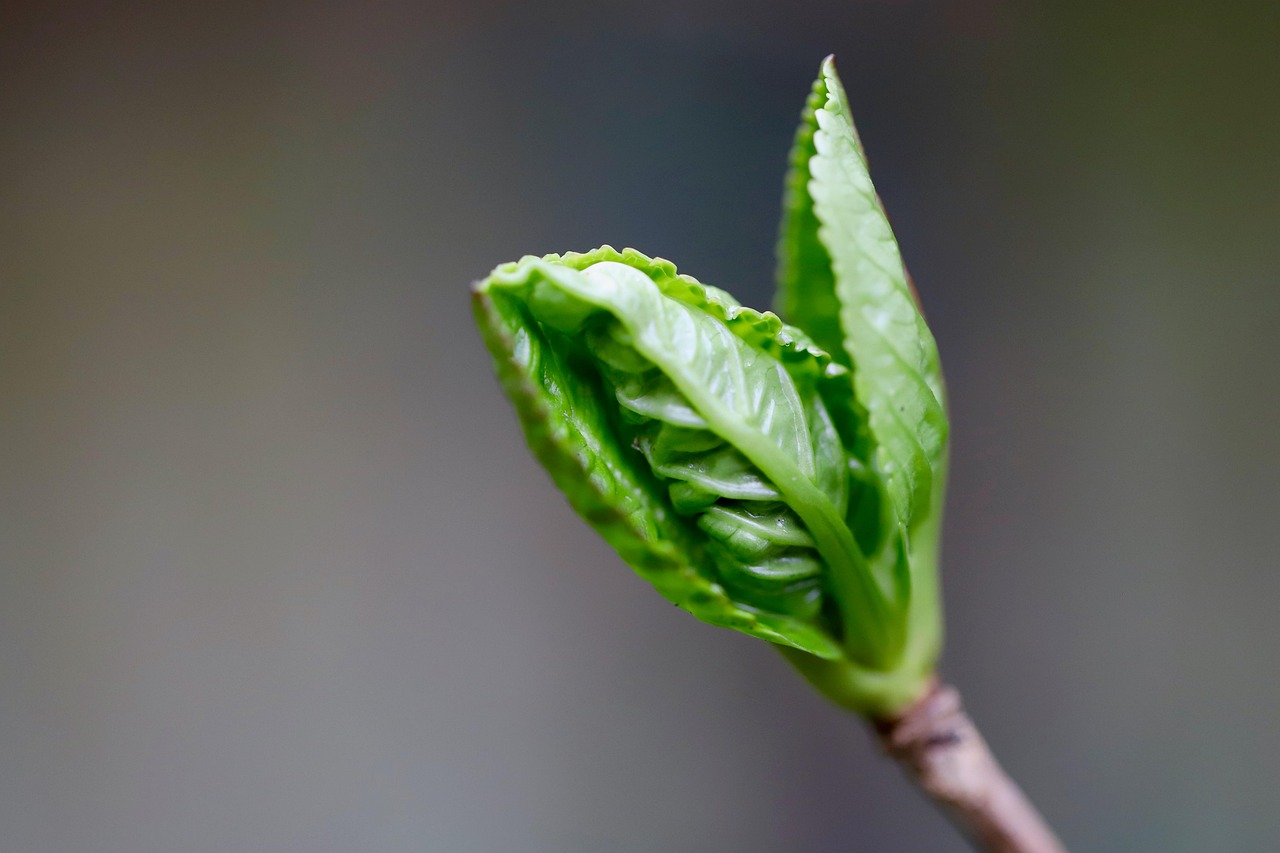
Understanding the Mature Height of Quick Fire Hydrangeas
The Quick Fire hydrangea (Hydrangea paniculata ‘Bulk’) is prized for its vigorous growth habit and reliability. When provided with optimal growing conditions, you can expect this shrub to reach a mature height of 6 to 8 feet. Its width typically mirrors this range, creating a robust, rounded silhouette that fills space effectively in the landscape.
Because it is a panicle hydrangea, the Quick Fire develops a sturdy, upright structure. Unlike some other varieties that may flop under the weight of their blooms, these stems are strong enough to hold the iconic cone-shaped flowers high, even after heavy rain. This architectural quality makes it an excellent candidate for specific garden roles:
- Privacy Screens: Planted in a row, their height and density create a natural, seasonal barrier between properties.
- Focal Points: Their size allows them to stand alone as a centerpiece in mixed perennial borders.
- Foundation Plantings: They provide height against taller exterior walls where smaller shrubs might disappear.
While 6 to 8 feet is the standard expectation, your specific results may vary based on your local climate and maintenance routine. To ensure your plant reaches its full potential, consider these practical care tips:
Sun Exposure: Quick Fire hydrangeas perform best with at least six hours of direct sunlight daily. While they can tolerate partial shade, more sun encourages stronger stems and more prolific blooming, which helps the plant maintain its intended height.
Pruning Practices: Because this variety blooms on new wood, you should prune in late winter or very early spring before new growth emerges. Cutting back the previous year’s growth by about one-third encourages vigorous new stems, ensuring the plant remains healthy and reaches its maximum stature each season.
Soil and Moisture: Consistent moisture is key during the first two years of establishment. Once mature, the plant is relatively resilient, but a layer of organic mulch around the base will help retain soil moisture and protect the root system, supporting the steady upward growth required to reach that 8-foot threshold.
Factors That Influence Growth Patterns
While the Hydrangea paniculata ‘Quick Fire’ typically reaches a mature height of 6 to 8 feet, its actual growth is highly dependent on your specific landscape conditions. Think of these dimensions as a baseline rather than a fixed rule; your local environment dictates whether your shrub stays compact or reaches the upper end of its potential range.
Several key factors influence how robustly your hydrangea develops:
- Sunlight Exposure: Quick Fire thrives in full sun to partial shade. In areas with at least six hours of direct sunlight, the plant will produce stronger stems and reach its maximum height more quickly. In shadier spots, growth may be leggier and slower.
- Soil Quality: These hydrangeas prefer rich, well-draining soil. If your soil is heavy clay or lacks nutrients, the plant may struggle to gain height. Amending the planting hole with organic compost provides the necessary nutrients to fuel rapid, healthy vertical growth.
- Consistent Watering: Especially during the first two growing seasons, consistent moisture is vital. Hydrangeas that experience prolonged drought will often stunt their growth to conserve energy, resulting in a smaller, less vigorous shrub.
Understanding these variables is essential for proper site selection. Because this variety is a vigorous grower, providing adequate space at the time of planting is crucial. Avoid tucking it too close to foundations, walkways, or other shrubs.
As a general rule of thumb, plant your Quick Fire at least 6 to 8 feet away from other large structures or plants. This spacing prevents overcrowding, which can lead to poor air circulation and increased vulnerability to fungal issues. When a plant has enough room for its root system to expand and its canopy to receive light from all sides, it is far more likely to achieve its full, intended stature.
By monitoring these environmental factors, you can effectively manage the growth of your hydrangea, ensuring it becomes a healthy, well-proportioned focal point in your garden rather than a crowded, stressed specimen.

Pruning for Size and Shape Control
While the Quick Fire hydrangea naturally reaches an impressive height of 6 to 8 feet, you can easily maintain a more compact stature through strategic pruning. Because this variety blooms on new wood, you have significant flexibility in managing its size without sacrificing your summer flower display.
The ideal time to prune is in late winter or very early spring, just before the plant breaks dormancy and new growth begins. Pruning during this window allows you to clearly see the plant’s structure, as the branches are bare. It also ensures the plant directs its energy into producing vigorous new stems that will support large, beautiful panicles later in the season.
To achieve the best results, follow these practical steps:
- Use the right tools: Always use sharp, sterilized bypass pruners. Dull blades can crush stems, while sterilized tools prevent the spread of fungal or bacterial diseases.
- Make clean cuts: Cut at a 45-degree angle just above a healthy set of dormant buds. This promotes outward growth and prevents water from pooling on the cut surface.
- Remove dead wood: Start by clearing away any broken, diseased, or crossing branches to improve airflow and plant health.
- Reduce height: To control size, you can safely remove up to one-third of the previous year’s growth. If you want a smaller, bushier shrub, prune the stems back harder; for a taller, more open habit, prune more lightly.
Safety is a priority when working with mature shrubs. Wear heavy-duty gardening gloves to protect your hands from stiff, woody stems and potential debris. If you are trimming a particularly large or established hydrangea, consider wearing long sleeves and eye protection to guard against stray twigs.
Remember that while Quick Fire is resilient, avoid pruning after the plant has started leafing out in late spring. Cutting into active growth can stress the shrub and delay your bloom cycle. By sticking to this late-winter schedule, you ensure a healthy, well-shaped plant that fits perfectly into your landscape design.
Safety Considerations When Pruning
Pruning your Quick Fire hydrangea is essential for maintaining its desired height and encouraging vigorous blooms. However, because these shrubs can reach heights of six to eight feet, safety must remain your top priority throughout the process.
If you are reaching for higher branches, always use a stable ladder or a sturdy step stool placed on level ground. Avoid balancing on unstable surfaces or makeshift platforms. Never overreach while pruning; if you cannot comfortably reach a branch, reposition your ladder. Overreaching shifts your center of gravity and significantly increases the risk of a fall.
Your tools play a vital role in both plant health and personal safety. Dull blades require more physical force, which can lead to slipping and accidental cuts. Keep your bypass pruners and loppers clean, oiled, and sharp to ensure clean, effortless cuts. Always cut away from your body, keeping your non-dominant hand clear of the blade’s path.
For larger, more mature hedges, you may choose to use power hedge trimmers. When operating motorized equipment, follow these essential safety practices:
- Wear impact-resistant safety goggles to protect your eyes from flying wood chips, sap, and debris.
- Always keep the power cord positioned behind you and well away from the cutting blades to prevent accidental severing.
- Wear heavy-duty work gloves to maintain a firm grip and protect your hands from thorns or sharp stems.
- Ensure you have a clear, unobstructed workspace before turning on the tool.
Finally, be mindful of your surroundings. Before you begin, clear the area of garden hoses, loose pots, or other tripping hazards. If you are pruning in hot weather, take frequent breaks to stay hydrated and maintain your focus. Fatigue often leads to carelessness, so if you feel tired or unsteady, stop the task and resume when you are refreshed. By prioritizing these safety measures, you can effectively manage your hydrangea’s growth while keeping your garden experience injury-free.

Follow-up Care and Common Questions
Once your Quick Fire hydrangea is established, consistent care is the key to maintaining its vigor and reaching its maximum height potential. While these shrubs are known for their resilience, they require specific environmental conditions to bloom reliably year after year.
To ensure optimal flowering, position your plant where it will receive at least six hours of direct sunlight daily. While Quick Fire is more sun-tolerant than traditional mophead hydrangeas, it still appreciates consistent moisture. During the peak of summer, provide deep, thorough watering at the base of the plant to keep the root system hydrated and prevent heat stress.
If you notice signs of distress, perform a quick diagnostic check to address common growth inhibitors:
- Stunted Growth: This often indicates the plant is not receiving enough sunlight or the soil is lacking necessary nutrients. A balanced, slow-release fertilizer applied in early spring can often provide the boost needed for healthy vertical growth.
- Yellowing Leaves (Chlorosis): This is frequently a symptom of improper soil pH or poor drainage. Hydrangeas prefer slightly acidic to neutral, well-draining soil. If water pools around the base, the roots may be suffocating, which leads to leaf discoloration.
- Pest Activity: While generally hardy, keep an eye out for aphids or spider mites. If you spot webbing or sticky residue on the foliage, treat the plant with a mild insecticidal soap or neem oil.
If your plant continues to struggle despite these adjustments, or if you suspect a more complex disease, do not hesitate to contact your local agricultural extension office. These offices provide expert, science-based advice tailored specifically to your region’s climate and common soil conditions. By monitoring these environmental factors closely, you ensure that your Quick Fire hydrangea remains a healthy, vibrant focal point in your landscape for many seasons to come. Regular observation is the best tool any gardener has for preventing long-term damage to their shrubs.

Dedicated team of gardening enthusiasts with years of hands-on experience testing lawn mowers, gardening tools, and outdoor equipment. We help home gardeners and professionals alike make informed buying decisions with honest, thorough reviews. From push mowers to pruning shears, we test it all so you don’t have to. Got a gardening tool you’d like us to review? Get in touch!