
The Annabelle hydrangea typically grows between three and five feet tall at maturity. This popular shrub also spreads roughly three to five feet wide, making it a substantial addition to any landscape. Known for its massive, snow-white blooms, this plant is a favorite among gardeners seeking reliable, eye-catching summer color for their outdoor spaces.
When planning your garden layout, understanding this mature height and spread is essential for proper spacing and long-term maintenance. While these hydrangeas are relatively fast growers, their final size can vary based on local climate conditions, soil quality, and how aggressively you prune them each season. Providing adequate room ensures optimal airflow and health.
In this guide, we provide practical advice to help your Annabelle hydrangeas thrive year after year. From selecting the perfect planting location to mastering essential watering techniques and seasonal pruning schedules, you will find everything needed to manage these stunning shrubs. Follow these expert tips to ensure your garden remains vibrant, healthy, and perfectly balanced throughout the growing season.

Typical Height and Width of Annabelle Hydrangeas
In optimal growing conditions, the Annabelle hydrangea (Hydrangea arborescens ‘Annabelle’) typically reaches a mature height of 3 to 5 feet. You can also expect a significant spread, with the plant often growing 4 to 6 feet wide. Understanding these dimensions is essential for long-term garden planning, as it ensures your hydrangea has enough room to thrive without overcrowding neighboring plants.
Providing adequate space is not just about aesthetics; it is vital for the health of the shrub. Proper spacing promotes better air circulation, which significantly reduces the risk of fungal diseases like powdery mildew. It also allows the root system to expand fully, ensuring the plant can efficiently access the water and nutrients it needs to produce its signature large, white blooms.
When positioning your Annabelle hydrangea, consider these practical spacing guidelines:
- Spacing from structures: Plant at least 3 feet away from walls or fences to allow for outward growth and airflow.
- Grouping: If planting multiple shrubs, space them 4 to 5 feet apart (measured from the center of each plant) to create a cohesive, healthy hedge.
- Companion planting: Leave at least 3 feet of clearance between your hydrangea and smaller perennials to prevent the shrub from shading them out as it matures.
Keep in mind that while 5 feet is the standard maximum height, environmental factors play a major role. In cooler climates or areas with less consistent moisture, the plant may remain on the smaller side of the spectrum. Conversely, in ideal conditions with rich, moist soil and partial shade, it may occasionally push slightly past the 5-foot mark.
If you find that your Annabelle is outgrowing its designated space, remember that this variety blooms on new wood. You can safely prune it back significantly in late winter or early spring to control its size and encourage vigorous growth for the coming season. This makes it a highly adaptable choice for various garden sizes.
Factors That Influence Growth Habits
While the Hydrangea arborescens ‘Annabelle’ typically reaches a height of 3 to 5 feet, its actual size in your garden depends heavily on specific environmental conditions. Understanding these variables allows you to better predict and manage your plant’s development throughout the growing season.
Sunlight exposure is a primary driver of growth habits. While Annabelle hydrangeas are renowned for their ability to thrive in partial shade, they require a balance. If planted in an area with excessive shade, the stems may become thin, leggy, and weak as the plant stretches to find more light. This lack of structural integrity often causes the massive, iconic blooms to flop toward the ground after rainfall.
Soil fertility and moisture levels are equally critical. These plants are heavy feeders that perform best in rich, well-draining, and slightly acidic soil. To encourage healthy, sturdy growth, consider these practical care steps:
- Amend the soil: Incorporate organic matter, such as compost or well-rotted manure, at the time of planting to provide a steady supply of nutrients.
- Maintain consistent moisture: Annabelle hydrangeas have shallow root systems and will wilt quickly in dry spells. Aim for about an inch of water per week, ensuring the soil remains consistently moist but not waterlogged.
- Apply mulch: A 2-to-3-inch layer of organic mulch helps retain soil moisture, suppresses weeds, and regulates ground temperature, all of which support more robust vertical growth.
Finally, your pruning strategy directly influences the plant’s height for the following year. Because Annabelles bloom on “new wood”—the growth produced during the current season—pruning them back to about 12 to 18 inches in late winter or early spring encourages strong, vigorous new shoots. If you do not prune them back, the plant may grow slightly taller, but the stems often become woody and less productive over time. By balancing light, nutrients, and proper pruning, you can effectively control your Annabelle’s height while ensuring it remains structurally sound and vibrant.
Managing Height Through Pruning
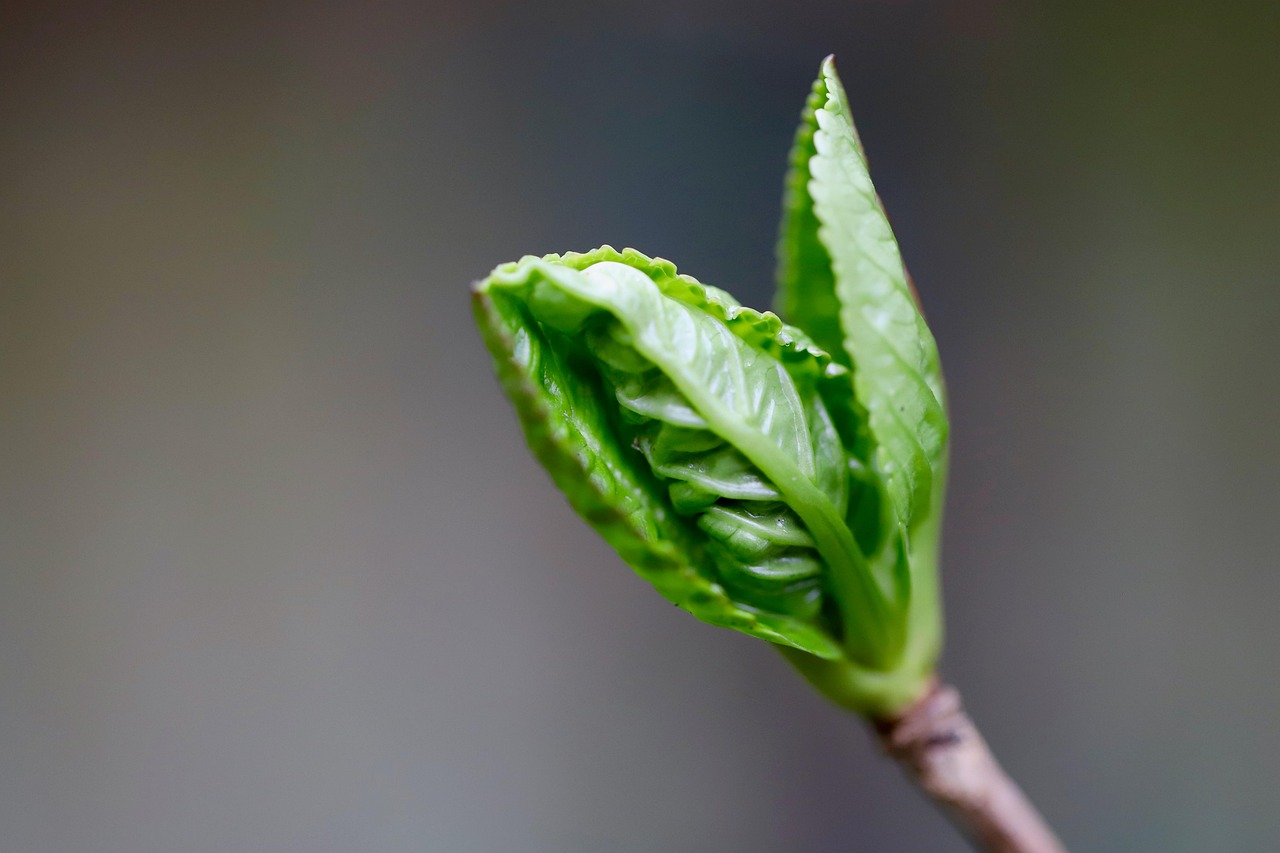
Because Annabelle hydrangeas (Hydrangea arborescens ‘Annabelle’) bloom exclusively on new wood, they are exceptionally forgiving when it comes to pruning. This growth habit allows you to manage their height effectively without sacrificing the season’s flower display. If your plant is becoming too tall or floppy, you can significantly reduce its size while actually improving its structural integrity.
Most gardeners choose to cut their Annabelle hydrangeas back to 12 to 18 inches above the ground in late winter or early spring, just before new growth emerges. This aggressive pruning encourages the plant to produce shorter, sturdier stems that are better equipped to support the weight of their massive, iconic white blooms. If you prefer a taller shrub, you can prune less severely, but be prepared to provide additional support, such as plant hoops or stakes, to prevent the heavy flower heads from bowing toward the ground.
To ensure your plant remains healthy during this process, follow these essential maintenance steps:
- Use the right tools: Always use sharp, sanitized bypass pruners. Dull blades can crush stems, while uncleaned tools may inadvertently spread fungal diseases between plants.
- Protect yourself: Wear heavy-duty gardening gloves. While Annabelle stems are not thorny, they can be fibrous and tough, and working near the base of the plant often exposes you to hidden debris or insects.
- Make clean cuts: Always prune at a slight angle just above a pair of healthy buds. This promotes outward growth and prevents water from pooling on the cut surface, which reduces the risk of rot.
By pruning annually, you take control of the plant’s final height and shape. Whether you prefer a compact, knee-high mound or a taller, more dramatic focal point, consistent pruning is the most reliable way to manage the size of your Annabelle hydrangea while ensuring it produces the largest, most vibrant blooms possible each summer.
Addressing Flopping Stems
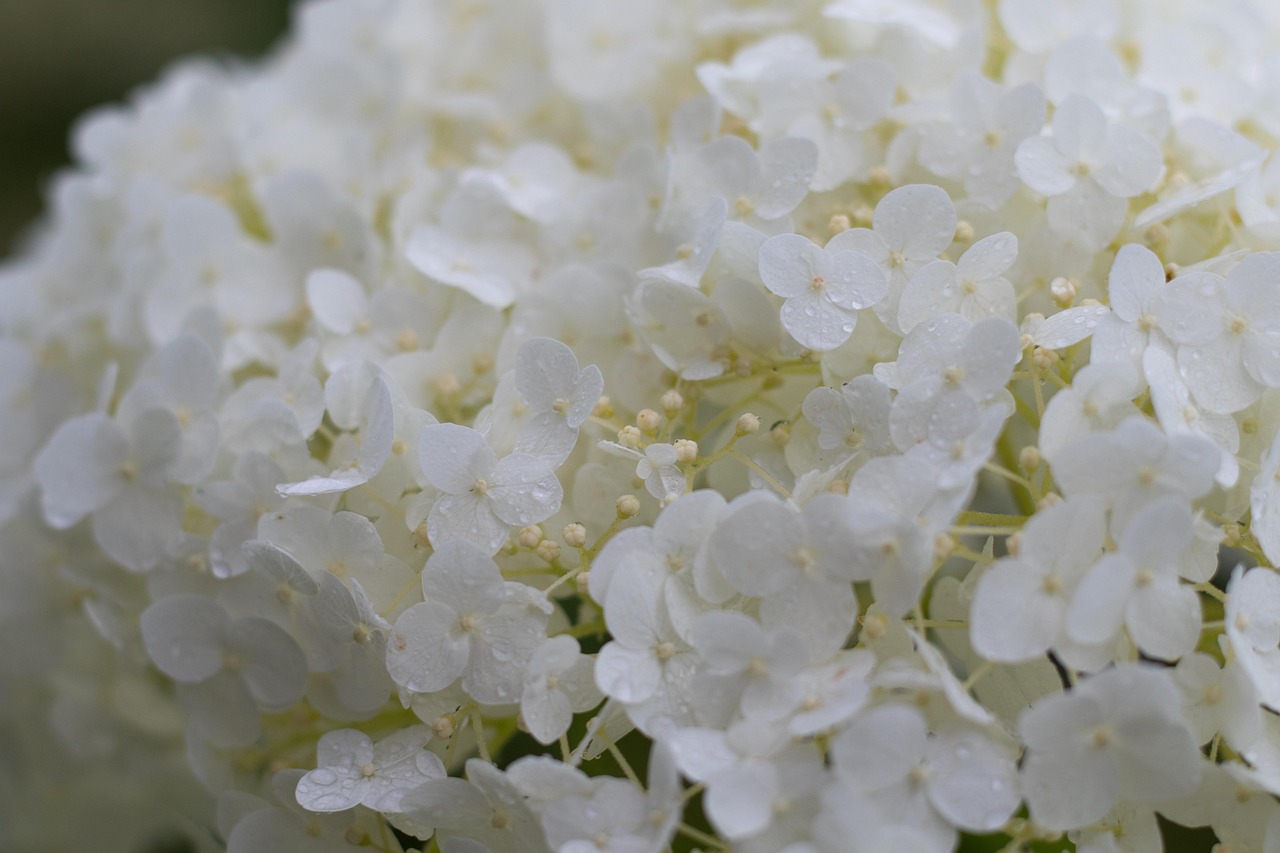
The Hydrangea arborescens ‘Annabelle’ is beloved for its massive, snow-white flower clusters. However, these impressive blooms can become quite heavy, especially after a summer rainstorm. This weight often causes the slender stems to arch or flop toward the ground, potentially damaging the flowers and creating a messy appearance in your garden beds.
To keep your Annabelle upright without restricting its natural height, proactive support is key. The most effective strategy is to install structural support early in the growing season, ideally when the new shoots are only about a foot tall. By placing supports early, the foliage will grow through the structure, effectively hiding the hardware by the time the plant reaches its full size.
Consider these practical methods for managing stem flopping:
- Decorative Garden Hoops: Semi-circular wire supports are excellent for placing around the perimeter of the shrub. They allow the outer stems to lean naturally while preventing them from collapsing entirely.
- Grid Stakes: Interlocking grid systems or individual plant stakes with circular tops provide a rigid framework. These are particularly useful if your hydrangea is planted in a high-traffic area or a windy spot.
- Natural Twine: For a more subtle approach, you can create a perimeter fence using sturdy garden stakes and natural jute twine. Wrap the twine around the outer stems to create a “cradle” that holds the plant together during heavy storms.
Avoid tying the stems too tightly, as this can restrict airflow and create localized stress points on the plant. Instead, aim for a loose support system that allows the plant to sway slightly in the breeze. If you prefer not to use hardware, some gardeners find success by pruning the plant back to about 18 inches in late winter. This encourages stronger, thicker stems that are better equipped to support the weight of the blooms when they arrive in mid-summer.
Common Questions and Long-Term Care
Many gardeners wonder if they can manage the height of their Annabelle hydrangeas through aggressive pruning. While it is physically possible to cut these shrubs back significantly to keep them compact, there is a trade-off. Pruning too heavily or late in the season can delay bloom time or result in fewer flowers, as the plant needs time to develop the new growth that supports those iconic, massive white blooms.
If your Annabelle hydrangea appears to be struggling, take a moment to assess the environment. Stunted growth or yellowing leaves are often symptoms of underlying issues rather than a lack of pruning. Consider the following troubleshooting steps before making changes:
- Check Soil Moisture: Hydrangeas require consistent moisture. If the soil feels bone-dry several inches down, your plant is likely stressed from dehydration. Apply a layer of organic mulch to help retain moisture.
- Test Soil pH: While Annabelle hydrangeas are generally adaptable, extreme soil pH can impact nutrient uptake. A balanced, well-draining soil is ideal for vigorous growth.
- Inspect for Pests or Disease: If you notice unusual spotting, wilting, or visible insects, do not rush to apply chemical pesticides. These treatments can sometimes do more harm than good if applied incorrectly.
For persistent issues, the most reliable resource is your local university cooperative extension office. These organizations provide region-specific advice based on local climate patterns and common soil conditions in your area. They can help you identify whether your plant is suffering from a fungal issue, a nutrient deficiency, or an environmental stressor.
Long-term care is primarily about consistency. By ensuring your hydrangea receives adequate water during dry spells and is planted in an area with appropriate light, you will encourage a healthy, robust shrub that naturally reaches its intended height without the need for constant, stressful intervention. If you must prune for size, do so in late winter or very early spring before new growth emerges to ensure the best possible floral display for the upcoming season.

Dedicated team of gardening enthusiasts with years of hands-on experience testing lawn mowers, gardening tools, and outdoor equipment. We help home gardeners and professionals alike make informed buying decisions with honest, thorough reviews. From push mowers to pruning shears, we test it all so you don’t have to. Got a gardening tool you’d like us to review? Get in touch!