
A hydrangea tree typically grows between 6 and 10 feet tall at maturity. While some specific varieties stay compact, understanding how tall does a hydrangea tree grow is essential for proper landscape planning. These stunning, tree-form specimens serve as dramatic focal points, so knowing their final stature ensures they fit perfectly within your garden design.
Keep in mind that while genetics dictate the potential size, environmental factors play a massive role in actual growth. Soil quality, sunlight exposure, and consistent watering habits significantly influence how quickly and robustly your tree develops. Providing the right care helps your hydrangea reach its full, healthy potential without becoming overgrown or stunted in your space.
In this guide, we provide practical tips to help you manage your plant’s growth effectively. From expert pruning techniques that maintain a desired shape to essential feeding schedules, you will learn everything needed for long-term success. Follow our professional advice to cultivate a thriving hydrangea tree that enhances your outdoor landscape for many years to come.
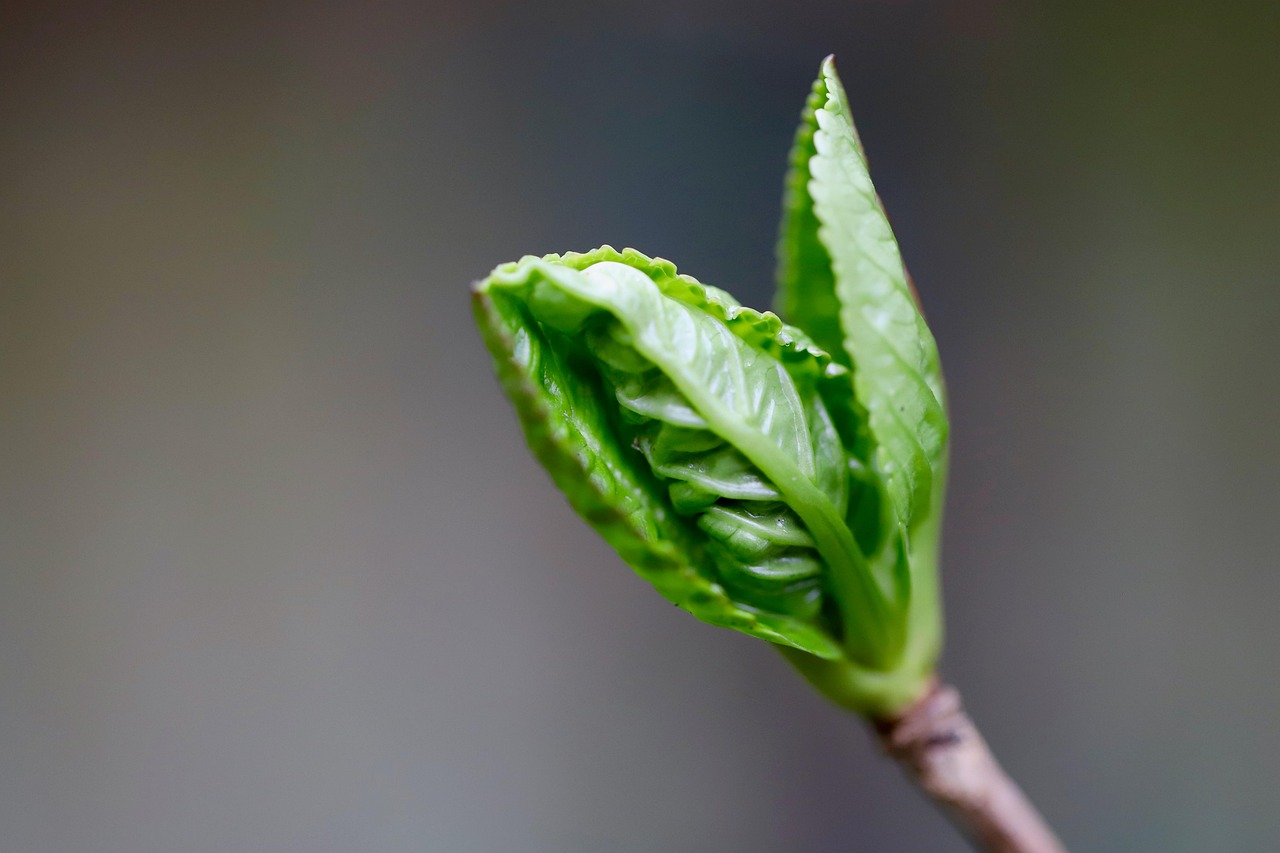
Typical Height Ranges for Hydrangea Trees
Most hydrangea trees, typically trained from Hydrangea paniculata varieties like ‘Limelight’ or ‘Quick Fire,’ reach a mature height of 6 to 10 feet. Because these plants are grafted or trained onto a single, sturdy trunk, their upward growth is more predictable than that of traditional shrub-form hydrangeas.
While 6 to 10 feet is the standard expectation, environmental factors play a significant role in final stature. In fertile soil with ample sunlight and consistent moisture, some vigorous cultivars can push toward 12 feet. Conversely, those planted in containers or areas with restricted root space will often remain on the lower end of the spectrum, typically topping out at 5 or 6 feet.
To keep your hydrangea tree within a specific height range, consistent pruning is essential. Because panicle hydrangeas bloom on new wood, you have significant control over their size without sacrificing the season’s flowers. Follow these guidelines to manage your tree’s height effectively:
- Late Winter Pruning: Perform major structural pruning while the plant is dormant in late winter or very early spring. This is the best time to shorten the main branches and remove any crossing or weak stems.
- Maintenance Trimming: If the tree begins to exceed your desired height, you can trim the current year’s growth in late summer, though this may slightly reduce the size of the next bloom cycle.
- Monitor the Canopy: Regularly remove any suckers that sprout from the base of the trunk. These suckers divert energy away from the main canopy and can cause the tree to lose its formal, elevated shape.
When selecting a spot for your tree, always account for the mature height rather than the size of the sapling at the nursery. Providing enough vertical clearance ensures the plant remains a focal point rather than an obstruction. If you prefer a smaller specimen, look for “dwarf” panicle varieties, which are specifically bred to remain compact, often maturing at just 4 to 5 feet tall.
Factors That Influence Growth Potential
While many gardeners hope for a specific height, the ultimate size of a hydrangea tree is rarely uniform. It is a biological interplay between genetics and the environment. Understanding these variables helps you set realistic expectations for your landscape design.
The most significant factor is the specific cultivar you select. Hydrangea trees are usually trained from Hydrangea paniculata varieties. Some compact cultivars are bred to stay under five feet, while vigorous varieties like ‘Limelight’ or ‘PeeGee’ can easily reach heights of eight to ten feet or more if left unpruned. Always check the plant tag for the breeder’s projected mature size.
Beyond genetics, your local environment dictates how close a plant comes to its maximum potential. Consider these three essential elements:
- Sunlight Exposure: Hydrangea trees thrive with at least six hours of direct sunlight. While they can tolerate partial shade, insufficient light often results in “leggy” growth, fewer blooms, and a stunted overall stature.
- Soil Quality: These plants require well-draining, nutrient-rich soil. If your garden consists of heavy, compacted clay, the roots will struggle to expand, which directly limits vertical growth. Amending your soil with organic compost before planting provides the necessary fuel for vigorous development.
- Hydration and Nutrition: Consistent moisture is vital, especially during the first two years of establishment. A balanced, slow-release fertilizer applied in early spring can also support the structural integrity needed for the tree to reach its full height.
Finally, your pruning habits play a direct role. Because hydrangea trees are trained rather than naturally occurring, they require annual maintenance. If you prune heavily each spring to encourage larger blooms, you may inadvertently keep the tree shorter than its genetic potential. Conversely, leaving more of the woody structure intact allows the tree to gain height over several seasons. If the plant appears stagnant despite good care, test your soil pH; while it won’t change the height, it ensures the plant has the nutrient availability required to support its current size.

Pruning for Height Control and Safety
Hydrangea trees—often trained from paniculata varieties—can quickly exceed their intended height if left unchecked. To keep your tree at a manageable size while promoting vigorous blooms, annual pruning is essential. By removing excess growth in late winter or early spring, you dictate the structural limits of the plant.
Precision is key to long-term health. Always use sharp, sterilized bypass pruners or loppers. Dull blades crush stems rather than slicing through them, which leaves the plant vulnerable to disease. Sterilizing your tools with rubbing alcohol between cuts prevents the spread of pathogens from one branch to another.
Follow these safety guidelines to protect both yourself and your tree:
- Wear protective gear: Use heavy-duty gardening gloves to shield your hands from thorns, sharp twigs, and potential scrapes while handling branches.
- Secure your footing: If your hydrangea has grown beyond your reach, use a sturdy ladder. Place it exclusively on level, firm ground. Never overreach; reposition the ladder instead.
- Work with a partner: When working at heights, always have a partner spot you. They can stabilize the ladder and ensure your safety, preventing accidental falls.
- Clear the area: Before starting, remove debris from around the base of the tree to ensure you have a stable surface to stand on.
When pruning for height, focus on removing the previous season’s growth back to a strong set of buds. For tree-form hydrangeas, you can safely remove up to one-third of the total canopy height. Avoid “topping” the tree, which creates weak, unsightly growth. Instead, make your cuts just above a node facing outward; this encourages the tree to grow in a balanced, open shape rather than crowding the center. By maintaining a consistent pruning schedule, you ensure your hydrangea remains a safe, attractive focal point in your landscape without outgrowing its designated space or becoming a maintenance hazard.
Managing Growth Through Proper Care
While pruning is essential for shaping, the ultimate height and structural integrity of your hydrangea tree depend heavily on consistent, day-to-day maintenance. Proper care ensures the trunk remains sturdy enough to support the heavy, showy blooms that define the species.
Watering is the most critical factor for healthy development. Hydrangeas thrive in consistently moist, well-draining soil. During hot, dry spells, the tree may wilt quickly; deep, thorough watering at the base encourages a robust root system, which anchors the tree firmly against wind and weight. Aim to provide at least an inch of water per week, adjusting based on your local climate and soil drainage.
Mulching provides a secondary layer of protection that stabilizes growth. Applying a two-to-three-inch layer of organic mulch, such as shredded bark or compost, around the base of the tree helps to:
- Retain soil moisture during peak summer heat.
- Regulate soil temperature to prevent root stress.
- Suppress weeds that compete for vital nutrients.
Be mindful of your fertilization strategy. Many gardeners make the mistake of over-fertilizing in an attempt to force rapid height, but this often backfires. Excessive nitrogen encourages lush, rapid foliage growth at the expense of structural strength. This results in “leggy” branches that are too weak to support the weight of large flower heads, causing the tree to droop or snap during rainstorms.
To maintain a balanced, upright form, follow these simple guidelines:
- Use a balanced, slow-release fertilizer once in early spring before new growth begins.
- Avoid high-nitrogen formulas, which prioritize leaf production over woody stem development.
- Keep mulch a few inches away from the trunk itself to prevent rot and pest issues.
By focusing on steady, moderate growth rather than rapid expansion, you ensure your hydrangea tree remains a resilient, well-proportioned feature in your landscape for years to come. A well-nourished tree will naturally reach its ideal mature height without sacrificing its elegant, upright silhouette.

Frequently Asked Questions and Maintenance Tips
Many gardeners wonder if a hydrangea tree can be kept shorter than its typical mature height of 6 to 10 feet. The answer is yes; you can successfully maintain a more compact size through diligent, seasonal pruning. By cutting back the branches in late winter or early spring before new growth begins, you can control the overall stature of the tree without sacrificing its structural integrity.
When pruning for size, always use sharp, sterilized bypass pruners or loppers to ensure clean cuts that heal quickly. Focus on removing dead or crossing branches first to improve airflow, then trim the outer stems to your desired height. Consistent, light shaping is far better for the plant than removing large sections of wood all at once.
If your hydrangea tree shows signs of severe disease, deep structural cracks, or significant decay that requires heavy sawing, it is time to call in a professional arborist. Attempting major structural surgery on a woody plant can be dangerous for you and may permanently damage the tree if done incorrectly. A professional has the tools and expertise to assess whether the tree can be saved or if it poses a safety hazard.
Safety should always be your priority when performing garden maintenance. Follow these guidelines to protect yourself while working:
- Always wear safety glasses or goggles. This prevents eye irritation from airborne dust, wood chips, and sharp, hidden twigs.
- Wear thick, puncture-resistant gardening gloves to protect your hands from thorns and rough bark.
- Use a sturdy ladder on level ground if you must reach higher branches, or stick to ground-level pruning to avoid fall risks.
- Clear away woody debris immediately after pruning to prevent tripping hazards in your garden beds.
By keeping your hydrangea tree well-maintained and observing these safety precautions, you can enjoy a beautiful, manageable flowering centerpiece in your landscape for many years to come.

Dedicated team of gardening enthusiasts with years of hands-on experience testing lawn mowers, gardening tools, and outdoor equipment. We help home gardeners and professionals alike make informed buying decisions with honest, thorough reviews. From push mowers to pruning shears, we test it all so you don’t have to. Got a gardening tool you’d like us to review? Get in touch!