
Hydrangeas typically grow anywhere from three to fifteen feet tall, depending entirely on the specific species and cultivar you choose. Understanding how tall your hydrangea will grow is essential for proper landscape planning and spacing in your garden. Knowing these dimensions upfront helps you avoid overcrowding and ensures your shrubs thrive long-term.
While many popular varieties stay compact, some heirloom types can easily reach heights that rival small trees. It is important to remember that environmental factors like soil quality, sunlight exposure, and regular pruning also influence the final size of your plant. Always check the specific tag or plant label for accurate growth estimates.
This guide breaks down the height expectations for common hydrangea types to help you choose the perfect spot for your shrubs. We will explore how to manage growth through strategic pruning and care techniques. Follow these practical tips to ensure your hydrangeas fit perfectly into your landscape design while reaching their full, healthy potential.
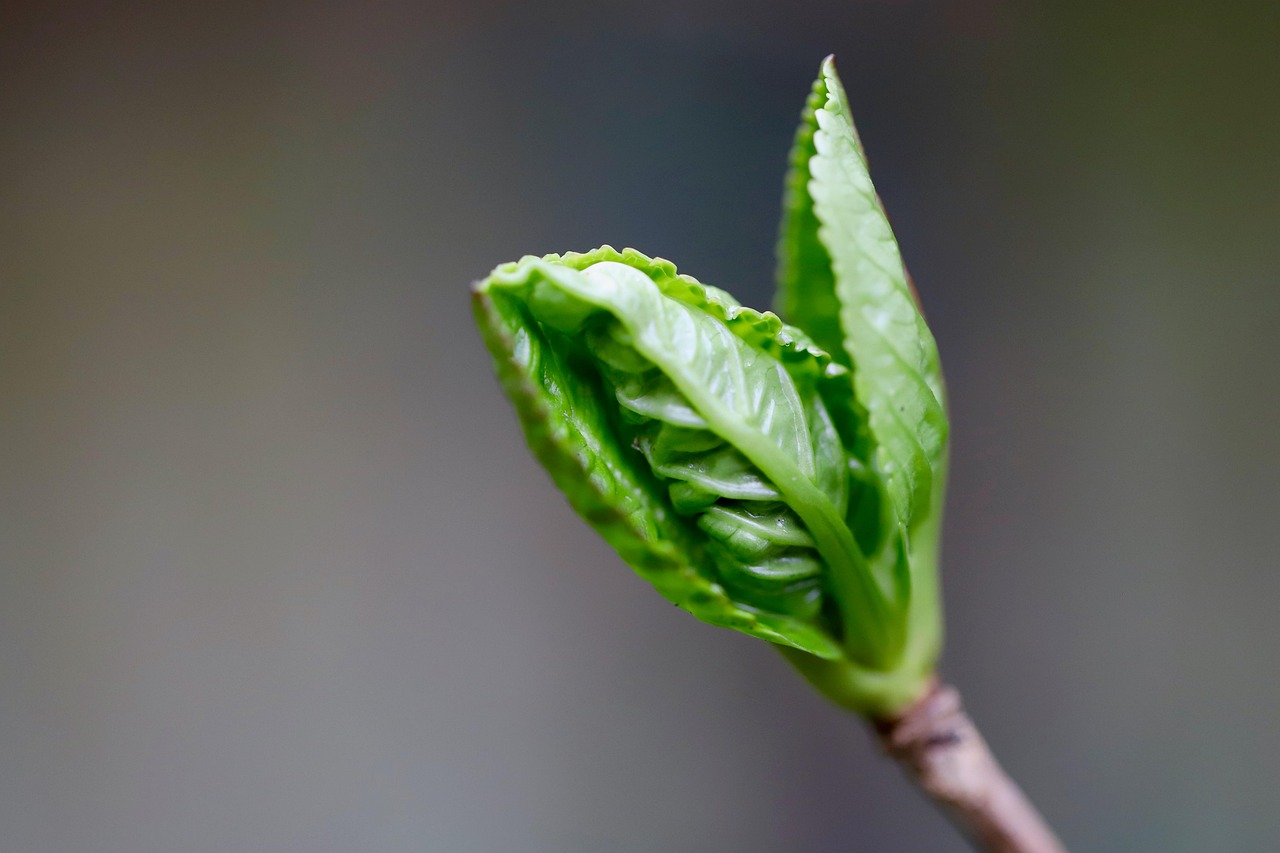
Factors Influencing Hydrangea Height
While genetics provide the blueprint for your hydrangea’s potential size, environmental conditions ultimately determine whether it reaches its maximum height or remains stunted. Understanding these variables is key to managing your shrub’s growth in the landscape.
Soil quality serves as the foundation for healthy development. Hydrangeas thrive in rich, well-draining soil amended with organic matter like compost. If your soil is compacted or lacks essential nutrients, the plant will struggle to produce the vigorous new canes required for height. A consistent supply of nutrients allows the plant to focus its energy on upward growth rather than mere survival.
Sunlight exposure is equally critical. While most hydrangeas appreciate morning sun and afternoon shade, extreme deviations can impact their stature:
- Insufficient Light: Plants grown in deep shade often become “leggy” as they stretch toward the light, but they may lack the structural integrity to hold their size, resulting in a floppy appearance.
- Excessive Heat/Sun: In areas with harsh afternoon sun, hydrangeas may experience leaf scorch and dehydration. This chronic stress forces the plant to prioritize water retention over vertical expansion, often keeping the bush smaller than its genetic potential.
Water availability is the most frequent limiting factor for hydrangea height. These plants are notoriously thirsty. During dry spells, a hydrangea that does not receive adequate, deep irrigation will enter a state of dormancy or stress. When a plant is constantly fighting drought, it simply cannot produce the lush, tall growth seen in well-irrigated garden beds.
To encourage your hydrangea to reach the upper end of its specified height range, focus on these practical maintenance steps:
- Apply a two-to-three-inch layer of organic mulch around the base to retain soil moisture and regulate temperature.
- Provide one inch of water per week, ensuring it reaches the root zone rather than just wetting the foliage.
- Perform light, corrective pruning in late winter or early spring to remove dead wood, which allows the plant to direct its energy into healthy, upward-growing stems.
Bigleaf and Panicle Hydrangea Sizes
When planning your landscape, understanding the mature size of your hydrangea variety is essential for long-term success. While all hydrangeas offer stunning blooms, their growth habits differ significantly between species.
Bigleaf hydrangeas (Hydrangea macrophylla) are the classic choice for many gardens. These shrubs typically reach a height of 3 to 6 feet. Because of their manageable stature, they are ideal for mid-border planting, foundation beds, or containers. They generally maintain a rounded, bushy shape that fits well in smaller spaces without requiring constant heavy pruning.
In contrast, Panicle hydrangeas (Hydrangea paniculata) are the giants of the family. These robust plants can grow anywhere from 6 to 15 feet tall, depending on the specific cultivar and your local climate. Due to their significant height and woody stems, they are often used as focal points or natural privacy screens.
If you are choosing between these varieties, consider these practical care factors:
- Pruning for Height: You can train Panicle hydrangeas to grow as small, single-trunk trees by pruning away lower branches early in their development.
- Spacing Needs: Always account for the plant’s mature width, not just its height. Bigleaf varieties often spread as wide as they are tall, while Panicles may require more lateral space to flourish.
- Growth Rate: Panicle hydrangeas tend to be more vigorous growers. If you have limited space, look for “dwarf” versions of these species, which are specifically bred to stay under 4 feet.
Before planting, always check the specific tag for your cultivar. Even within the same species, breeding has produced a wide range of sizes. Placing a 10-foot Panicle hydrangea in a spot meant for a 3-foot shrub will eventually lead to overcrowding, which can reduce airflow and increase the risk of fungal issues like powdery mildew. Proper placement at the time of planting ensures your hydrangeas have the room they need to reach their full, healthy potential.

Dwarf and Compact Varieties
If you have limited space, you do not need to sacrifice the beauty of hydrangeas. Modern plant breeding has introduced a wide range of dwarf and compact cultivars specifically designed to fit into smaller landscapes. These varieties typically reach a mature height of only 2 to 4 feet, making them perfect for urban gardens, tight foundation plantings, or decorative containers.
Because these plants have a smaller footprint, they are much easier to manage than traditional, sprawling shrubs. However, their compact size does not mean they lack flower power; many dwarf varieties are bred to produce blooms just as large and vibrant as their taller counterparts.
When selecting a dwarf hydrangea for your space, consider these practical care tips to ensure they thrive:
- Container Selection: If planting in a pot, ensure it has large drainage holes. Dwarf varieties are prone to root rot if they sit in standing water. Choose a container at least 15 to 20 inches in diameter to allow for root development.
- Sun Exposure: Most compact hydrangeas prefer morning sun and afternoon shade. In particularly hot climates, too much direct afternoon sun can scorch the foliage, regardless of the plant’s size.
- Soil Quality: These plants thrive in rich, well-draining soil. When planting in garden beds, mix in organic compost to improve moisture retention while ensuring excess water can drain away easily.
- Watering Needs: Smaller root systems in containers dry out faster than those in the ground. Check the soil moisture daily during the peak of summer; if the top inch feels dry, it is time to water.
By choosing a compact cultivar, you can enjoy the classic hydrangea aesthetic without the risk of the plant outgrowing its designated area. Always check the plant tag before purchasing to confirm the specific mature height, as some “dwarf” varieties can still vary by a foot or two depending on your local climate and soil conditions.
Safety Tips for Pruning and Maintenance
Maintaining your hydrangeas requires both the right tools and a focus on personal safety. Before you begin pruning, ensure your bypass pruners are sharp and sanitized with rubbing alcohol. Dull blades crush plant stems rather than slicing through them, which leaves the shrub vulnerable to disease. Clean blades prevent the spread of pathogens between plants.
Always wear sturdy gardening gloves. While hydrangeas do not have sharp thorns like roses, their woody stems can be rough, and hidden debris or insects within the dense foliage can scratch or irritate your skin. Long sleeves are also recommended to provide an extra layer of protection against scrapes.
When working with tall varieties, such as Panicle hydrangeas, follow these safety guidelines to avoid injury:
- Stabilize your base: If you must use a ladder, place it only on firm, level ground. Never attempt to prune while standing on uneven soil, as this significantly increases the risk of a fall.
- Maintain your center of gravity: Never overreach to cut a branch. If you cannot reach a stem comfortably while keeping your torso between the ladder rails, climb down and reposition the ladder.
- Clear the area: Remove fallen branches and debris immediately to keep your footing clear and prevent tripping.
If your hydrangea has grown beyond your reach or requires heavy structural pruning at significant heights, do not risk your safety. Using power tools or climbing high into a shrub is dangerous for the average home gardener. In these instances, it is best to contact a professional arborist. They have the training, specialized equipment, and insurance to manage large, overgrown shrubs safely.
Finally, always be mindful of your surroundings. Before making any cuts, double-check that you are not near overhead power lines or buried utility markers. If you are pruning during the heat of the day, take frequent breaks to stay hydrated and avoid fatigue, which is a leading cause of gardening-related accidents. By prioritizing safety, you can keep your hydrangeas healthy and your garden a secure environment.

Frequently Asked Questions and Care Tips
Many gardeners wonder if they can keep a large hydrangea shrub small through consistent pruning. While it is technically possible to restrict size, heavy pruning often comes at a cost. Many hydrangea varieties, particularly those that bloom on “old wood,” set their flower buds during the previous summer. If you prune these plants back too aggressively in the spring, you will likely remove the buds, resulting in a healthy, leafy bush that produces few or no flowers.
If your hydrangea is consistently outgrowing its designated space, the most effective solution is to transplant it. Moving the shrub allows it to reach its natural mature size without the stress of constant cutting. For the best results, follow these guidelines for successful relocation:
- Timing: Always transplant during the dormant season, typically in late autumn after the leaves have dropped or early spring before new growth emerges.
- Root Ball: Dig a wide circle around the plant to preserve as much of the root system as possible.
- Hydration: Water the plant thoroughly both before and after the move to reduce transplant shock.
- Preparation: Prepare the new planting hole before digging up the shrub to ensure the roots remain exposed to the air for the shortest time possible.
If you are unsure about the specific variety of your hydrangea, avoid drastic pruning until you have identified it. Observe the plant for a full growth season to see when it blooms and how it develops its foliage. If identification remains difficult, take a clear photo of the leaves and flowers to a local nursery professional. They can provide variety-specific care advice, ensuring you maintain the plant’s health while keeping your garden landscape balanced.
Remember that a plant’s height is genetically determined. Choosing a compact cultivar from the start is always more sustainable than trying to force a naturally large shrub into a small footprint. When in doubt, prioritize the plant’s natural growth habit to enjoy the most vibrant blooms year after year.

Dedicated team of gardening enthusiasts with years of hands-on experience testing lawn mowers, gardening tools, and outdoor equipment. We help home gardeners and professionals alike make informed buying decisions with honest, thorough reviews. From push mowers to pruning shears, we test it all so you don’t have to. Got a gardening tool you’d like us to review? Get in touch!