
Panicle hydrangeas typically reach heights between three and eight feet, depending on the specific cultivar you choose. While some compact varieties stay under four feet, larger types can grow significantly taller if left unpruned. Knowing these mature dimensions is essential for proper placement and successful long-term planning within your home garden landscape.
These hardy shrubs are beloved for their reliable, cone-shaped blooms and remarkable versatility in various soil conditions. However, it is important to set realistic expectations, as growth rates vary based on your local climate, sunlight exposure, and soil quality. Providing adequate space initially prevents overcrowding and ensures your hydrangeas thrive for many years.
This comprehensive guide helps you select the perfect variety for your unique space while offering practical tips for effective growth management. We will explore essential care techniques, including strategic pruning methods that influence height and bloom production. Read on to master the art of cultivating these stunning, low-maintenance plants in your own backyard.

Understanding the Size Range of Panicle Hydrangeas
Panicle hydrangeas (Hydrangea paniculata) are prized for their versatility, but their massive range in size can be surprising to new gardeners. Because these shrubs can behave like ground-hugging mounds or towering small trees, understanding the specific growth habits of your chosen cultivar is essential for long-term landscape success.
When selecting a panicle hydrangea, always check the plant tag or nursery description for the “mature height.” If you plant a vigorous variety in a small space, you will find yourself fighting a losing battle with pruning shears within just a few seasons. Conversely, placing a dwarf variety in the back of a border may leave it completely hidden behind other perennials.
To help you plan your garden layout, categorize your selections by these general size tiers:
- Dwarf Varieties (2 to 4 feet): Perfect for containers, small urban gardens, or as a low-maintenance foundation planting. Examples include ‘Bobo’ or ‘Little Lime.’
- Mid-Sized Varieties (5 to 8 feet): These serve as excellent mid-border shrubs or informal flowering hedges that provide structure without overwhelming the space.
- Large/Tree-Form Varieties (10 to 20 feet): Best suited for large landscapes where they can act as focal points, privacy screens, or specimen trees. If left unpruned, vigorous growers like ‘Limelight’ or ‘PeeGee’ can reach significant heights and widths.
Keep in mind that while you can control the height of panicle hydrangeas through annual pruning, it is much easier to choose the right plant for the space from the start. Pruning should generally be performed in late winter or very early spring while the plant is dormant. This encourages strong, woody stems capable of supporting the heavy, cone-shaped blooms that define the species. By matching the cultivar’s natural mature size to your garden’s dimensions, you ensure a healthy, low-stress plant that requires minimal intervention to maintain its intended shape and stature throughout the growing season.
Selecting the Right Variety for Your Garden Space
Choosing the right panicle hydrangea requires balancing your aesthetic goals with the plant’s mature dimensions. Because these shrubs vary significantly in height, selecting the wrong cultivar can lead to overcrowding, blocked views, or the need for constant, stressful pruning. Always check the plant tag for the expected mature height before digging your hole.
To ensure your garden remains manageable and healthy, categorize your available space based on these three common size classifications:
- Dwarf Varieties (3 to 5 feet): Cultivars like Bobo or Little Lime are perfect for small urban gardens, containers, or the front of a perennial border. Their compact stature ensures they won’t outgrow their location or shade out smaller neighboring plants.
- Mid-Sized Varieties (5 to 8 feet): Options such as Quick Fire provide a versatile mid-range height. These are ideal for mixed borders where you need a structural backdrop that doesn’t overwhelm the surrounding landscape.
- Large-Scale Varieties (8 to 15+ feet): If you have ample room, cultivars like Limelight or the classic PeeGee serve as magnificent standalone specimens. Due to their significant height and width, they are best utilized as privacy screens or dramatic focal points in larger garden beds.
When planning your layout, remember to measure the distance from the center of the planting site to any nearby structures, walkways, or competing shrubbery. Panicle hydrangeas perform best when they have adequate airflow, which helps prevent fungal issues and promotes stronger stem growth.
If you are working with a tight space, prioritize the dwarf cultivars. While it is tempting to plant a large variety and keep it small through heavy pruning, this often results in fewer blooms and a weakened plant structure. By matching the cultivar to your specific square footage from the start, you ensure a low-maintenance, flourishing garden that reaches its full potential without the need for constant intervention.

Factors That Influence Growth and Height
While genetics set the theoretical maximum height for a panicle hydrangea (Hydrangea paniculata), your specific garden environment determines whether the shrub reaches that potential. Think of genetics as the blueprint and your care as the construction process.
To encourage your hydrangea to reach its full height, prioritize these three environmental factors:
- Sunlight: Panicle hydrangeas thrive in full sun to partial shade. While they tolerate afternoon shade in hotter climates, receiving at least six hours of direct sunlight daily is essential for vigorous, upright growth. Plants grown in heavy shade often become leggy, weak, and stunted.
- Moisture: These shrubs require consistent moisture, especially during their first two years. If the soil remains bone-dry, the plant will prioritize survival over vertical growth. Apply a two-inch layer of organic mulch around the base to retain soil moisture and regulate temperature.
- Soil Quality: Hydrangeas prefer rich, well-draining soil. If your garden has heavy clay or sandy, nutrient-poor soil, amend the planting area with compost before digging. This provides the necessary foundation for a robust root system, which directly supports larger top growth.
Spacing is another often overlooked factor. When planting, follow the spacing requirements listed on your specific variety’s tag. Crowding shrubs too closely forces them to compete for nutrients, water, and sunlight, which can lead to reduced height and poor airflow. Adequate space allows the root system to expand fully, providing the stability and resources needed for the branches to reach their maximum height.
Finally, remember that pruning habits influence your plant’s stature. While panicle hydrangeas are naturally tall, hard pruning in late winter can be used to manage their size. If you desire the maximum height possible, prune sparingly, focusing only on removing dead, damaged, or crossing branches. By providing optimal conditions and avoiding excessive pruning, you give your hydrangea the best possible chance to reach its tallest, most impressive form.
Managing Height Through Proper Pruning Techniques
Pruning is the most effective tool for controlling the height and maintaining the structural integrity of your panicle hydrangea. Because these shrubs bloom on new wood, you have significant flexibility to manage their size without sacrificing your summer flowers. The ideal time to perform structural pruning is in late winter or early spring, just before new growth emerges.
Before you begin, prioritize your safety. Always wear thick gardening gloves and protective eyewear to guard against scratches from stiff, woody stems or falling debris. Ensure your tools—whether sharp bypass pruners for smaller stems or loppers for thicker branches—are clean and well-maintained to ensure a smooth, quick-healing cut.
Follow these steps to manage your plant’s height effectively:
- Assess the structure: Begin by removing any dead, damaged, or diseased wood. Cut these branches back to the base or to a healthy, outward-facing bud.
- Clear crossing branches: Remove stems that rub against each other to improve airflow and prevent future damage.
- Reduce height: To limit vertical growth, prune back the previous season’s growth to a set of healthy buds. You can cut back by one-third or even half of the plant’s height depending on your space requirements.
- Maintain shape: Focus on creating a balanced, open framework that allows light to reach the center of the shrub.
For very large, mature specimens, you may be tempted to use power hedge trimmers for efficiency. If you choose this method, ensure the equipment is in good working order and keep your hands clear of the blades at all times. While trimmers are fast, they can sometimes leave jagged edges; if possible, follow up with hand pruners to clean up individual cuts for a healthier plant.
By consistently pruning in late winter, you keep your panicle hydrangea at a manageable height while encouraging the vigorous, flower-heavy growth that makes this species a garden favorite. Always make your cuts at a slight angle just above a bud to encourage outward growth rather than inward congestion.
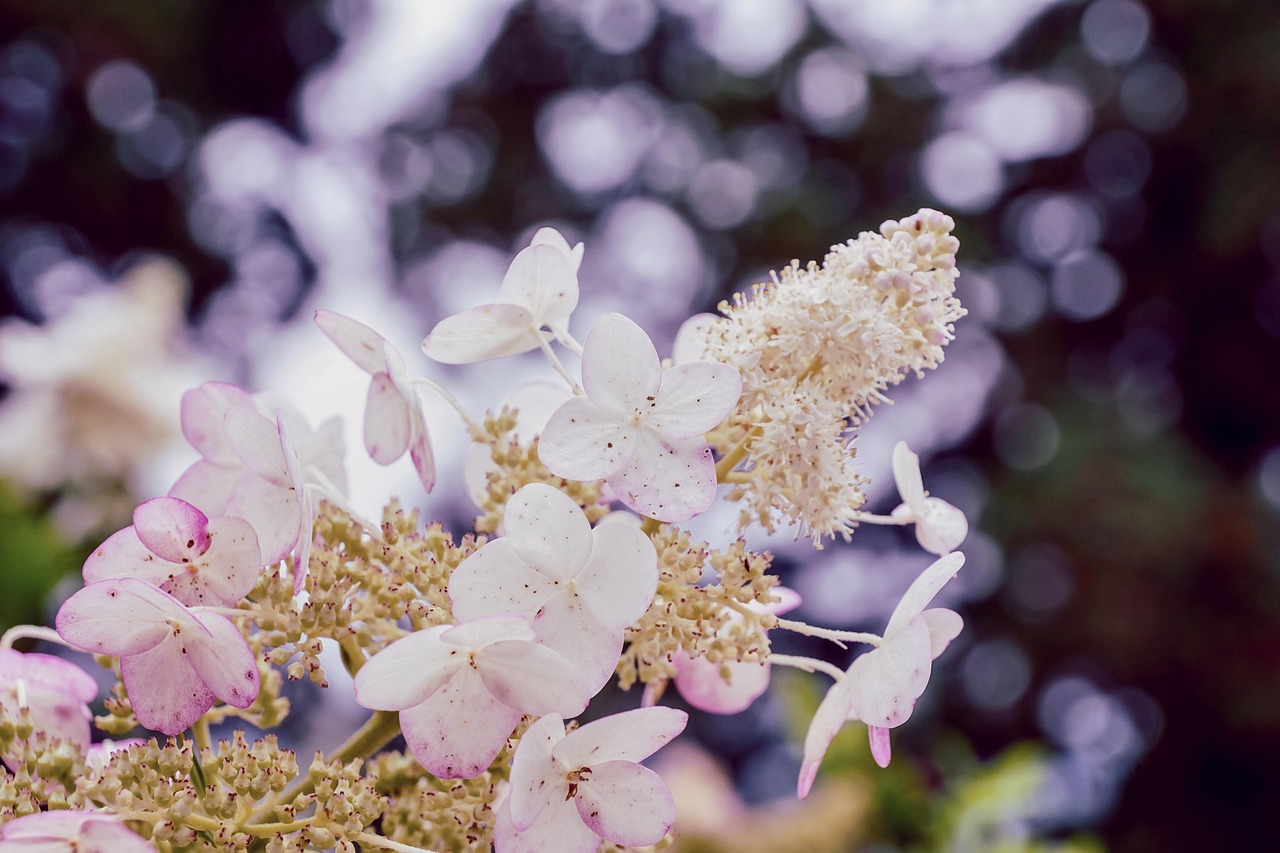
Frequently Asked Questions and Follow-up Care
A common question among gardeners is whether a large panicle hydrangea can be kept small indefinitely. While aggressive annual pruning can temporarily reduce a plant’s size, it is rarely a sustainable long-term strategy. Frequent, heavy pruning can stress the plant and reduce flower production. For the best results, always prioritize choosing a naturally dwarf cultivar, such as ‘Bobo’ or ‘Little Lime,’ if your planting space is limited.
If an existing hydrangea has outgrown its designated spot, transplanting is often the best solution. The ideal time to move a panicle hydrangea is during the dormant season—either late autumn after the leaves have dropped or early spring before new growth begins. Ensure you dig a wide root ball to minimize transplant shock and water the plant deeply immediately after replanting.
Gardeners struggling with stunted growth or a lack of blooms should first evaluate their site conditions. Panicle hydrangeas are sun-loving shrubs that require specific environmental inputs to thrive. To troubleshoot these issues, check the following:
- Sunlight: Ensure your hydrangea receives at least six hours of direct sunlight daily. Inadequate light is the most common cause of poor flowering.
- Watering: While established plants are somewhat drought-tolerant, they require consistent moisture during their first two years and during extreme summer heat.
- Soil Fertility: If the plant appears stunted, a simple soil test can determine if your garden bed lacks essential nutrients.
- Pruning Timing: Always prune panicle hydrangeas in late winter or very early spring. Pruning too late in the spring may remove the developing flower buds.
If you have implemented these care practices and your plant still fails to perform, do not hesitate to seek professional assistance. Local master gardener programs and university extension services provide excellent, site-specific advice tailored to your region’s unique climate and soil profile. They can help identify specific pests, diseases, or environmental stressors that might be hindering your hydrangea’s health.

Dedicated team of gardening enthusiasts with years of hands-on experience testing lawn mowers, gardening tools, and outdoor equipment. We help home gardeners and professionals alike make informed buying decisions with honest, thorough reviews. From push mowers to pruning shears, we test it all so you don’t have to. Got a gardening tool you’d like us to review? Get in touch!