
Little Lime hydrangeas typically grow to a compact height of three to five feet tall. This makes them a perfect choice for gardeners seeking a reliable, manageable shrub for smaller spaces or borders. Because they remain relatively small, these hydrangeas are far easier to maintain than their larger, traditional panicle cousins.
While their mature height is predictable, actual growth can vary slightly based on your specific climate, soil quality, and sunlight exposure. These sturdy plants are prized for their ability to hold heavy, lime-green blooms upright without drooping. Understanding these natural growth habits helps you plan your landscape design with confidence and precision.
In this guide, we will explore the essential care requirements needed to keep your Little Lime hydrangeas thriving throughout the seasons. From proper pruning techniques to ideal watering schedules, you will find all the practical advice necessary to maintain healthy, vibrant shrubs that enhance the beauty of your home garden year after year.

Understanding the Mature Height of Little Lime Hydrangeas
Little Lime hydrangeas are a prized dwarf cultivar, specifically bred to offer the iconic beauty of the standard Limelight hydrangea in a much more manageable size. Because they are compact, they are an excellent choice for homeowners looking to add structure to smaller garden beds, foundation plantings, or even large decorative containers.
On average, a healthy, mature Little Lime hydrangea will reach a height of 3 to 5 feet. They maintain a similar spread, typically growing 3 to 5 feet wide. This creates a rounded, dense habit that requires very little pruning to maintain its shape.
To ensure your shrub reaches its full potential without outgrowing its space, consider these practical care tips:
- Spacing: When planting, provide at least 4 to 5 feet of clearance from other shrubs or structures. This allows for proper airflow, which prevents fungal issues and ensures the plant develops its characteristic full, rounded form.
- Sunlight Requirements: While they are versatile, these hydrangeas perform best with at least six hours of direct sunlight. In hotter climates, some afternoon shade can help protect the blooms from wilting, but too much shade will result in a leggy plant that fails to reach its intended density.
- Soil Quality: These plants thrive in well-draining, nutrient-rich soil. If your garden soil is heavy clay, amend it with organic compost before planting to encourage robust root growth, which supports the plant’s height and bloom production.
Because Little Lime hydrangeas bloom on new wood, you do not need to worry about losing flowers if you prune them in late winter or early spring. If you find your plant is pushing the boundaries of its allotted space, you can safely trim it back during its dormant season. This will encourage vigorous growth and ensure that your shrub remains within that ideal 3- to 5-foot range throughout the growing season. By providing these consistent conditions, your hydrangeas will remain healthy, compact, and perfectly scaled for your landscape.
Factors That Influence Growth and Size
While the genetics of the Hydrangea paniculata ‘Little Lime’ establish a predictable mature height of 3 to 5 feet, environmental conditions ultimately determine whether your shrub reaches the top or bottom of that range. Achieving the plant’s full potential requires a balance of light, nutrition, and hydration.
Sunlight is the primary driver of growth. Little Lime hydrangeas thrive best in full sun to partial shade. If planted in deep shade, the stems will likely become “leggy” as they stretch toward available light, resulting in a sparse, weak structure rather than a compact, mound-like habit. Conversely, in extremely hot climates, some afternoon shade is beneficial to prevent heat stress, which can slow development.
Soil quality and moisture management are equally critical. These shrubs prefer well-draining, nutrient-rich soil. If your garden soil is heavy clay or sandy, amending it with organic compost before planting provides the necessary foundation for robust root systems. Without proper nutrients, the plant may remain stunted and fail to produce its signature lime-green blooms.
To ensure your hydrangea reaches its ideal size, focus on these practical care habits:
- Consistent Watering: Keep the soil consistently moist, especially during the first two years after planting. A deep soaking once or twice a week is more effective than frequent, shallow sprinkling.
- Mulching: Apply a 2-to-3-inch layer of wood mulch around the base of the plant. This retains soil moisture, regulates root temperature, and suppresses weeds that compete for nutrients.
- Strategic Pruning: Prune in late winter or early spring before new growth appears. Removing dead or crossing branches encourages the plant to direct its energy into healthy, upward growth.
- Balanced Fertilization: Apply a slow-release, balanced shrub fertilizer in early spring. Avoid over-fertilizing, as excess nitrogen can lead to lush foliage at the expense of flower production.
By monitoring these variables, you can help your Little Lime hydrangea maintain its intended compact form while ensuring it remains a healthy, vibrant centerpiece in your landscape.
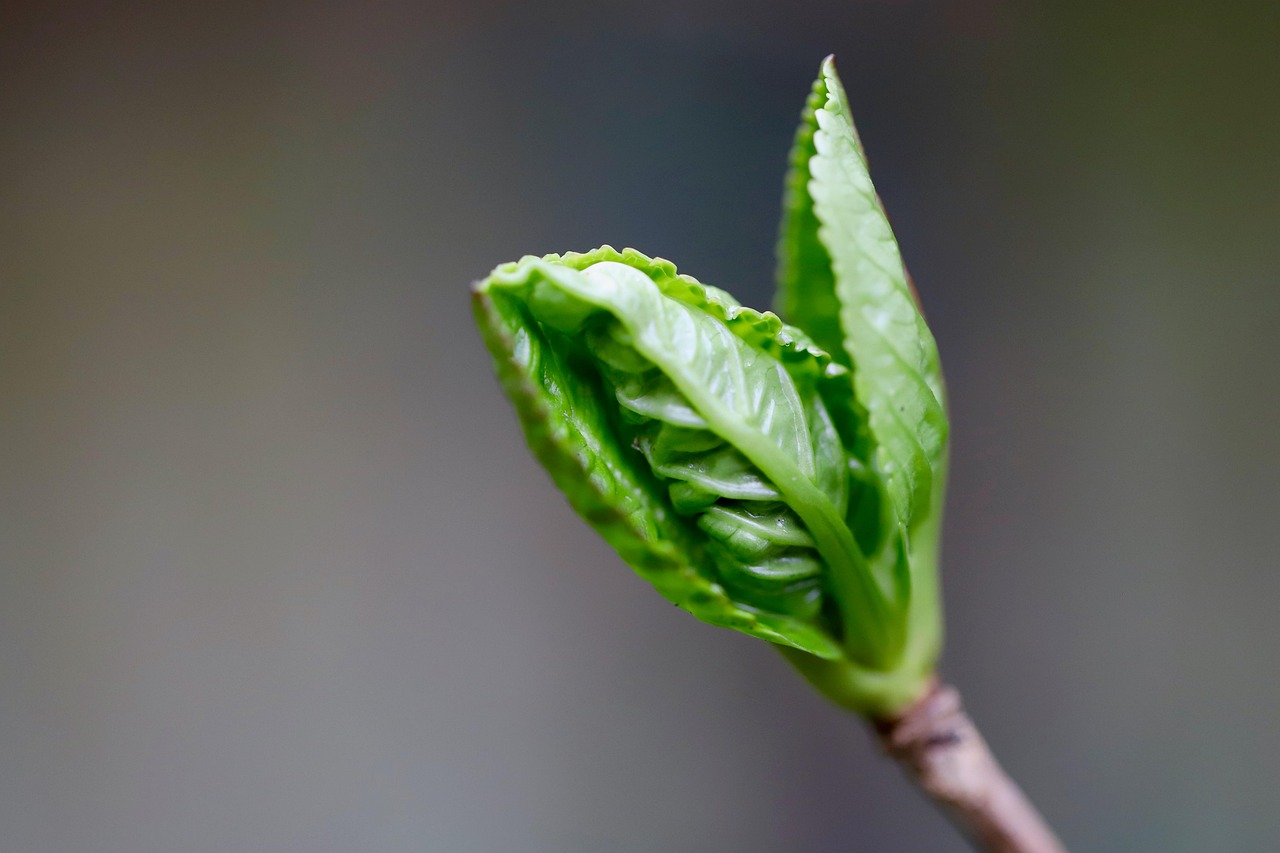
Pruning for Shape and Health
To maintain the signature compact form of your Little Lime hydrangeas, consistent pruning is essential. Because this variety blooms on new wood, the best time to prune is in late winter or early spring, just before the plant begins its active growth cycle. Pruning at this stage encourages vigorous development and helps you manage the shrub’s overall height.
Before you begin, ensure you have a pair of sharp, sterilized bypass pruners. Using dull blades can crush stems rather than making clean cuts, which invites disease. Always wear sturdy gardening gloves to protect your hands from scratches while reaching into the center of the shrub.
Follow these steps for a healthy, well-shaped plant:
- Identify dead or damaged wood: Start by removing any stems that are brittle, brown, or show signs of winter damage. These offer no structural benefit and can harbor pests.
- Clear crossing branches: Look for branches that rub against each other. Remove the weaker or inward-growing branch to improve airflow and reduce friction, which creates entry points for fungal infections.
- Reduce height: If you need to keep the plant compact, you can trim back the previous season’s growth by one-third. Always make your cuts just above a healthy set of buds.
- Sanitize your tools: Wipe your pruners with rubbing alcohol or a mild bleach solution between cuts, especially if you encounter any diseased tissue. This simple step is the most effective way to prevent the spread of pathogens throughout your garden.
By removing one-third of the plant’s height annually, you encourage stronger stems that can support the heavy, lime-green flower heads later in the summer. Avoid heavy pruning once the plant has started leafing out, as this can delay flowering or cause unnecessary stress. With these simple maintenance habits, your Little Lime hydrangeas will remain a tidy, vibrant focal point in your landscape year after year.
Ideal Planting Conditions for Optimal Growth
Little Lime hydrangeas are remarkably versatile, thriving in USDA hardiness zones 3 through 9. To reach their full potential, they require a location that receives full sun to partial shade. In cooler climates, more direct sunlight encourages robust blooming, while in hotter regions, afternoon shade helps protect the foliage from heat stress.
Soil quality is the foundation of healthy growth. These shrubs perform best in well-draining, nutrient-rich soil that remains consistently moist but never waterlogged. If your native soil is heavy clay, amend it with organic matter, such as compost or aged manure, to improve drainage and aeration before planting.
If you prefer growing Little Lime hydrangeas in containers, follow these practical tips to ensure success:
- Select the right container: Use a pot with generous drainage holes at the bottom. Without proper drainage, water collects around the roots, leading to fatal root rot.
- Choose quality potting mix: Use a high-quality, peat-based potting mix rather than garden soil, which can compact and drain poorly in a container environment.
- Monitor moisture closely: Potted plants dry out significantly faster than those planted directly in the ground. During the heat of summer, check the soil daily by inserting your finger two inches deep. If it feels dry, it is time to water.
- Fertilize appropriately: Container-grown plants lose nutrients faster due to frequent watering. Apply a balanced, slow-release fertilizer in early spring to support consistent growth throughout the season.
Regardless of where you plant them, consistency is key. A two-to-three-inch layer of organic mulch around the base of the plant—keeping it a few inches away from the stems—helps regulate soil temperature and retain essential moisture. By providing these optimal conditions, you create the perfect environment for your Little Lime hydrangeas to reach their characteristic compact height of three to five feet while producing an abundance of lime-green blooms.

Follow Up Care and Common Questions
Little Lime hydrangeas are celebrated for their low-maintenance nature, but providing consistent care ensures they reach their full potential. These shrubs thrive when they have a stable environment, so applying a two-to-three-inch layer of organic mulch around the base is essential. Mulching helps retain soil moisture, suppresses weeds, and regulates root temperature during the heat of summer.
Watering is the most critical aspect of maintenance. While established plants are somewhat resilient, they perform best when the soil remains consistently moist but not waterlogged. If you notice yellowing leaves, drooping, or stunted growth, evaluate your irrigation schedule immediately. Ensure the water reaches the root zone rather than just wetting the foliage, which can encourage fungal issues.
Beyond moisture, monitor your plant’s health through these simple steps:
- Check Soil pH: While Little Lime hydrangeas are less sensitive to pH than bigleaf varieties, extreme soil conditions can still hinder nutrient uptake. A basic soil test can reveal if your garden needs amendments.
- Monitor for Pests: Inspect the undersides of leaves periodically for aphids or spider mites. Early detection allows for gentle management, such as a sharp stream of water or insecticidal soap.
- Prune Wisely: Prune in late winter or early spring before new growth emerges. Because this variety blooms on new wood, cutting back by one-third annually promotes stronger stems and more prolific flowering.
If you encounter persistent problems, such as unusual spots on leaves or sudden wilting that does not respond to watering adjustments, do not hesitate to reach out for professional help. Your local cooperative extension office is an excellent, free resource. They provide expert guidance tailored to your specific region’s climate, soil composition, and common local pests. Taking a sample of the affected foliage to them can help you identify the specific issue and apply the safest, most effective treatment for your garden.

Dedicated team of gardening enthusiasts with years of hands-on experience testing lawn mowers, gardening tools, and outdoor equipment. We help home gardeners and professionals alike make informed buying decisions with honest, thorough reviews. From push mowers to pruning shears, we test it all so you don’t have to. Got a gardening tool you’d like us to review? Get in touch!