
Annabelle hydrangeas typically grow between three and five feet tall, spreading just as wide in ideal conditions. These popular shrubs are beloved for their massive, snow-white blooms, but understanding their mature size is key to successful garden planning. This guide explains exactly how tall these hydrangeas grow and how to keep them healthy.
While these shrubs are relatively fast growers, their ultimate height often depends on your local climate, soil quality, and pruning habits. Because they produce heavy flower heads on new wood each year, they may occasionally flop if not supported properly. Setting realistic expectations for their size ensures they have enough space to thrive comfortably.
In the following sections, we will explore essential practical care tips to help you manage your Annabelle hydrangeas effectively. You will learn how to provide the right amount of sunlight, water, and pruning to encourage robust growth. Follow our expert advice to ensure your landscape remains beautiful, balanced, and vibrant throughout the entire growing season.

Typical Mature Height and Width
When planning your landscape, understanding the scale of an Annabelle hydrangea (Hydrangea arborescens ‘Annabelle’) is essential for long-term success. These popular deciduous shrubs typically reach a mature height of 3 to 5 feet. You can expect a similar spread, as the plant tends to develop a rounded, bushy habit that fills out horizontally as it gains vertical height.
Because Annabelles are vigorous growers, they can reach these mature dimensions relatively quickly—often within just a few growing seasons under ideal conditions. Their rapid growth rate makes them an excellent choice for gardeners looking to establish a lush, full look in a short amount of time. However, this also means they require adequate spacing to prevent overcrowding as they reach their full potential.
To ensure your Annabelle hydrangea thrives within these size constraints, keep the following spacing and placement tips in mind:
- Spacing: Plant individual shrubs at least 4 to 5 feet apart from center to center. This allows for sufficient airflow, which is critical for preventing fungal issues like powdery mildew.
- Foundation Planting: If placing them against a house, ensure they are at least 3 feet away from the wall to allow the back of the shrub to receive light and air.
- Border Management: Because they can grow quite wide, avoid placing them too close to narrow walkways or paths where their heavy, bloom-laden stems might flop over and obstruct foot traffic.
While 3 to 5 feet is the standard range, environmental factors significantly influence the final size. In cooler climates with shorter growing seasons, the plant may stay on the lower end of the spectrum. Conversely, in regions with long, warm summers and rich, moist soil, they may occasionally exceed 5 feet in height. If you find your shrub outgrowing its designated space, you can safely prune it back in late winter or early spring; since Annabelles bloom on new wood, hard pruning will not sacrifice your summer flowers.
Factors Influencing Growth Habits
While 3 to 5 feet is the standard height range for Hydrangea arborescens ‘Annabelle’, your specific plant’s final size is rarely accidental. Several environmental and maintenance factors dictate whether your shrub stays compact or reaches its maximum potential.
Soil quality is the primary driver of vigor. Annabelles thrive in rich, loamy, and well-draining soil. If your garden soil is heavy clay or sandy, amending it with organic matter like compost before planting provides the nutrients necessary for robust vertical growth. Plants struggling in nutrient-poor or compacted soil will often remain stunted, failing to reach their genetic height capacity.
Sun exposure also plays a critical role in development. These hydrangeas prefer a location that receives bright morning sun followed by cooling afternoon shade. This balance prevents the foliage from scorching while providing enough energy for the plant to produce its signature large blooms and sturdy canes. In areas with insufficient light, the plant may grow leggy but remain shorter overall, while excessive heat and direct sun can dehydrate the plant, limiting its growth.
Your pruning strategy is the most direct way to manage the height of your Annabelle. Because this variety blooms on “new wood”—the growth produced during the current season—you have significant control over its size:
- Hard pruning: Cutting the shrub back to 12–18 inches in late winter or early spring encourages strong, vigorous new stems. While this keeps the plant smaller initially, the resulting growth is often more dramatic.
- Minimal pruning: Leaving more of the previous year’s woody structure allows the plant to build upon its existing height, which can lead to a taller, broader shrub over time.
Finally, consistent moisture is non-negotiable. Annabelles have high water requirements, especially during the peak of summer. If a plant experiences frequent drought stress, it will prioritize survival over vertical growth, leading to a smaller, less impressive specimen. Maintaining a consistent watering schedule and applying a layer of mulch will help ensure your hydrangea reaches its full, intended stature.

Safe Pruning and Maintenance Practices
Proper pruning is essential for managing the height of your Annabelle hydrangeas while promoting robust, upright growth. Because this variety blooms on new wood, the best time to prune is in late winter or very early spring before new growth emerges. Cutting the stems back to 18–24 inches above the ground encourages the plant to produce stronger, thicker stalks capable of supporting those massive, iconic white blooms without flopping over.
To ensure your plant stays healthy and your work remains safe, follow these fundamental maintenance practices:
- Use the right tools: Always use sharp, clean bypass pruners. Dull blades can crush stems rather than slicing through them, which creates jagged wounds that invite disease and pests.
- Prioritize safety: Wear durable gardening gloves to protect your hands from scratches, thorns, or sap irritation.
- Manage thick branches: If you are dealing with older, woodier growth that requires long-handled loppers, ensure you maintain a wide, stable stance. Never overreach, as this can lead to loss of balance.
- Keep fingers clear: Always keep your fingers well away from the cutting zone of your blades. When operating loppers, focus entirely on the placement of the blades before applying pressure.
After pruning, clear away the debris from the base of the plant. Removing old foliage and clippings helps improve air circulation around the crown, which is a vital step in preventing fungal issues like powdery mildew. If you notice any dead, damaged, or diseased stems during your maintenance, remove them completely down to the soil level, regardless of the time of year. This “sanitary pruning” directs the plant’s energy toward healthy, vigorous stems and helps you maintain a neat, manageable shape throughout the growing season.
By keeping your tools sharp and your technique consistent, you can easily control your hydrangea’s height and enjoy a season of spectacular, sturdy blooms. Remember that a clean cut heals faster, ensuring your shrub remains a long-lasting centerpiece in your landscape.
Managing Flopping Stems
The iconic, massive blooms of the Annabelle hydrangea are a gardener’s delight, but their weight often causes stems to bow or flop, particularly after a heavy rainstorm. Because these shrubs can reach heights of four to five feet, this drooping can make the plant look untidy or cause stems to break under the pressure of water-logged petals.
The most effective strategy for managing this is proactive support. By installing hardware early in the spring, before the foliage fully develops, you can provide a structural framework that disappears once the plant matures.
Consider these practical methods to keep your hydrangeas upright:
- Circular Peony Hoops: These are ideal for Annabelles. Place the hoop over the plant in early spring. As the stems grow, they will naturally lean against the ring, creating a supportive cage that holds the heavy blooms aloft.
- Decorative Plant Supports: If you prefer a more aesthetic look, wrought iron or bamboo decorative stakes can be placed strategically around the perimeter of the shrub. Use garden twine to gently tether outer stems to the stakes.
- Natural Interplanting: Positioning your Annabelles near sturdier perennials or ornamental grasses can provide natural “shoulders” for the hydrangea stems to lean on, reducing the need for artificial supports.
If you prefer not to use hardware, you can encourage stronger stem development through proper pruning. Cutting the plant back to about 18 to 24 inches in late winter or early spring encourages the growth of thicker, more rigid canes. While this may slightly reduce the total height of the shrub compared to leaving old wood, the resulting stems are often much better equipped to support the massive flower heads throughout the summer season.
Ultimately, a little preparation in the spring ensures your hydrangeas maintain their impressive stature without sacrificing their elegant, full-blooming appearance. By supporting the plant from the ground up, you protect your investment from wind and rain damage while keeping your garden beds looking polished and intentional.
Frequently Asked Questions and Care Tips
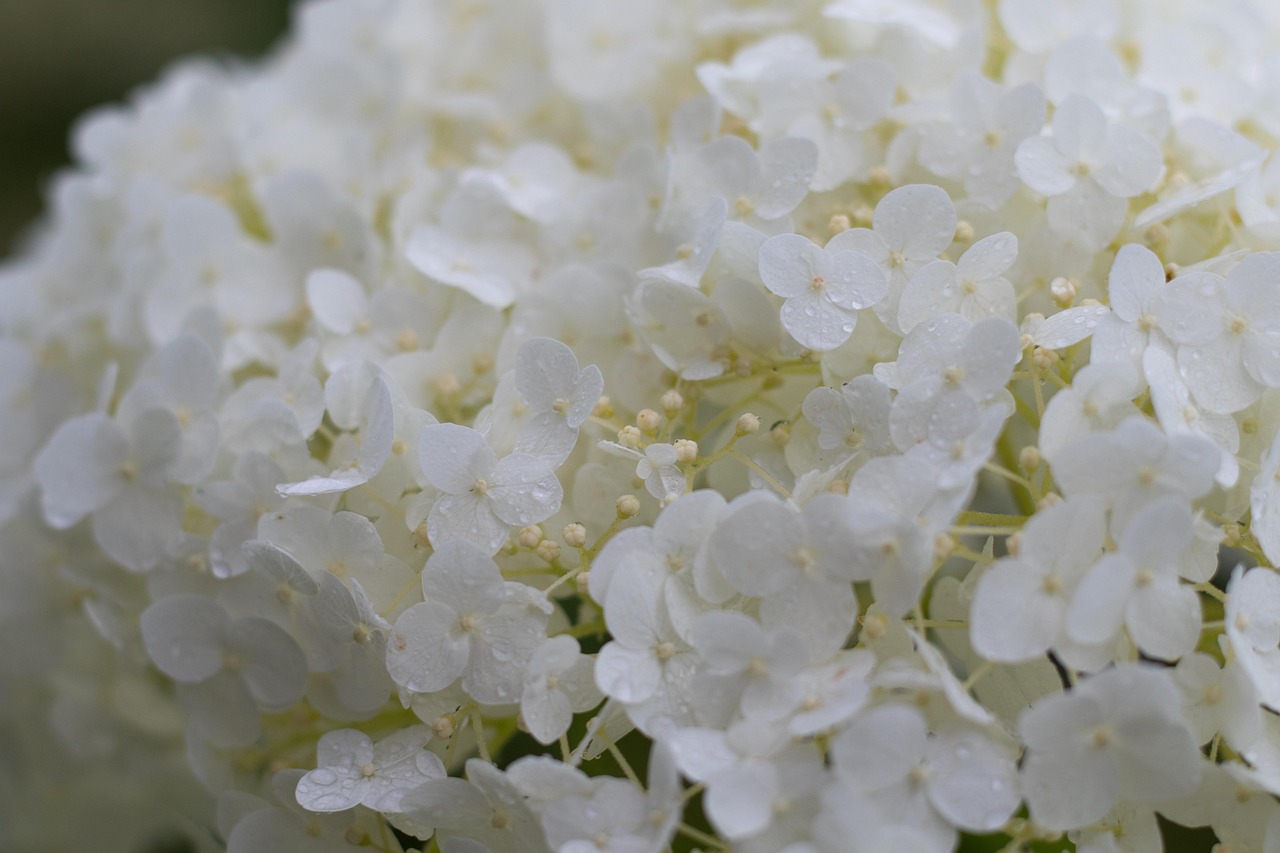
Understanding the growth habits of your Annabelle hydrangeas is the first step toward a thriving garden. Because these plants bloom on new wood, timing your maintenance is crucial for a spectacular display of white, snowball-like flowers.
Pruning Best Practices
Many gardeners wonder whether to prune in the fall or spring. For the best results, always prune in late winter or very early spring, just before new growth emerges. Cutting your Annabelle hydrangeas back to about 18 inches from the ground in late winter encourages strong, sturdy stems that are better equipped to support those heavy, iconic blooms during the summer.
Troubleshooting Common Issues
If your hydrangea consistently fails to bloom or appears stunted, it is often a sign of environmental stress. Consider these common culprits:
- Insufficient Sunlight: While Annabelles tolerate partial shade, they require at least four to six hours of sunlight to produce a heavy flush of flowers. If they are in deep shade, consider transplanting them to a brighter spot.
- Soil Nutrient Deficiencies: Hydrangeas are heavy feeders. A soil test can reveal if your garden bed lacks the necessary phosphorus or nitrogen to support vigorous growth.
- Watering Habits: These plants prefer consistently moist, well-draining soil. During dry spells, ensure the root zone stays hydrated to prevent wilting and stunted development.
Professional Guidance
If you remain unsure about your pruning technique or notice persistent health issues, do not hesitate to seek expert advice. Consulting a local master gardener or a certified professional arborist can provide you with site-specific insights. They can help identify whether your soil pH needs adjustment or if there are underlying pest issues affecting your plants. Taking these proactive steps ensures your Annabelle hydrangeas remain a healthy, vibrant centerpiece in your landscape for many years to come.

Dedicated team of gardening enthusiasts with years of hands-on experience testing lawn mowers, gardening tools, and outdoor equipment. We help home gardeners and professionals alike make informed buying decisions with honest, thorough reviews. From push mowers to pruning shears, we test it all so you don’t have to. Got a gardening tool you’d like us to review? Get in touch!