
You should generally apply neem oil to your plants once every seven to fourteen days for routine pest management. If you are currently treating an active infestation, you can safely increase this frequency to once every five to seven days until the pests are under control, but never exceed this recommended schedule.
Neem oil is a popular organic solution for managing common garden pests like aphids, spider mites, and scale. However, applying it too frequently can stress your plants, potentially leading to leaf burn or hindered growth. It is essential to find the right balance to effectively protect your greenery without causing unintended damage.
This guide explains the ideal application schedule and safety precautions to keep your greenery thriving throughout the growing season. We will cover how to mix your solution correctly, the best time of day for application, and how to monitor your plants for signs of sensitivity, ensuring your garden remains healthy and pest-free.

The Recommended Application Schedule
Finding the right balance when applying neem oil is essential for keeping your plants healthy and pest-free. Because neem oil acts as both a curative treatment and a preventative shield, your application frequency depends entirely on the current state of your garden.
If you are actively battling a pest infestation, such as aphids, spider mites, or whiteflies, you must be consistent to break the insects’ life cycle. Apply neem oil once every 7 to 14 days. This interval allows you to target new generations of pests as they hatch before they have the chance to reproduce.
For those using neem oil as a preventative measure to keep pests at bay, a lighter schedule is recommended. A single application once a month is generally sufficient to deter common garden invaders without stressing your plants.
Regardless of your schedule, always follow these best practices to ensure plant safety:
- Test first: Apply the solution to a single leaf and wait 24 hours to check for signs of burning or discoloration before treating the entire plant.
- Time it right: Apply neem oil in the early morning or late evening. Applying it during the heat of the day can cause the oil to magnify sunlight, leading to severe leaf burn.
- Avoid over-saturation: Use a fine mist rather than soaking the foliage.
It is vital to avoid the temptation of over-application. While neem oil is organic, it is still an oil-based product. Excessive or too-frequent use can coat the leaves in a thick, waxy layer that clogs the plant’s stomata—the tiny pores used for respiration. When these pores are blocked, the plant cannot breathe or photosynthesize effectively, which often leads to stunted growth, yellowing leaves, or even plant death. Always adhere to the recommended intervals to ensure your plants remain vibrant and protected rather than overwhelmed by the treatment itself.
Essential Safety and Protective Measures
While neem oil is a naturally derived botanical product, it is still a concentrated substance that requires careful handling. Prioritizing safety ensures that your gardening experience remains productive and irritation-free.
Before you begin mixing or applying neem oil, always equip yourself with the proper personal protective equipment (PPE). Neem oil can cause mild to moderate skin and eye irritation upon contact. To protect yourself, follow these essential safety steps:
- Wear gloves: Use chemical-resistant or heavy-duty nitrile gloves to prevent the oil from absorbing into your skin.
- Protect your eyes: Wear safety goggles or glasses to prevent accidental splashes or mist from entering your eyes during the mixing and spraying process.
- Cover exposed skin: Long sleeves and pants are recommended to minimize skin contact, especially if you are treating larger shrubs or trees.
Environmental conditions are just as important as physical protection. Always mix and apply neem oil in a well-ventilated area, preferably outdoors. Applying the treatment on a calm day prevents the fine mist from drifting back toward you or onto unintended areas of your garden. Avoid spraying in high winds, as this increases the risk of inhaling the product or causing it to settle on your skin.
If you are using a pressurized sprayer, take a moment to inspect the equipment before you start. Ensure all seals are tight, the nozzle is clear of obstructions, and the hose is free of cracks. A faulty sprayer can lead to unexpected leaks or accidental discharge, which increases the likelihood of exposure. If you notice any dripping or pressure loss during application, stop immediately to address the mechanical issue.
Finally, always store your neem oil concentrate in a cool, dry place out of the reach of children and pets. If the product comes into contact with your skin, wash the area thoroughly with soap and water. If it enters your eyes, flush them with clean water for several minutes and seek medical advice if irritation persists.
How to Properly Apply Neem Oil
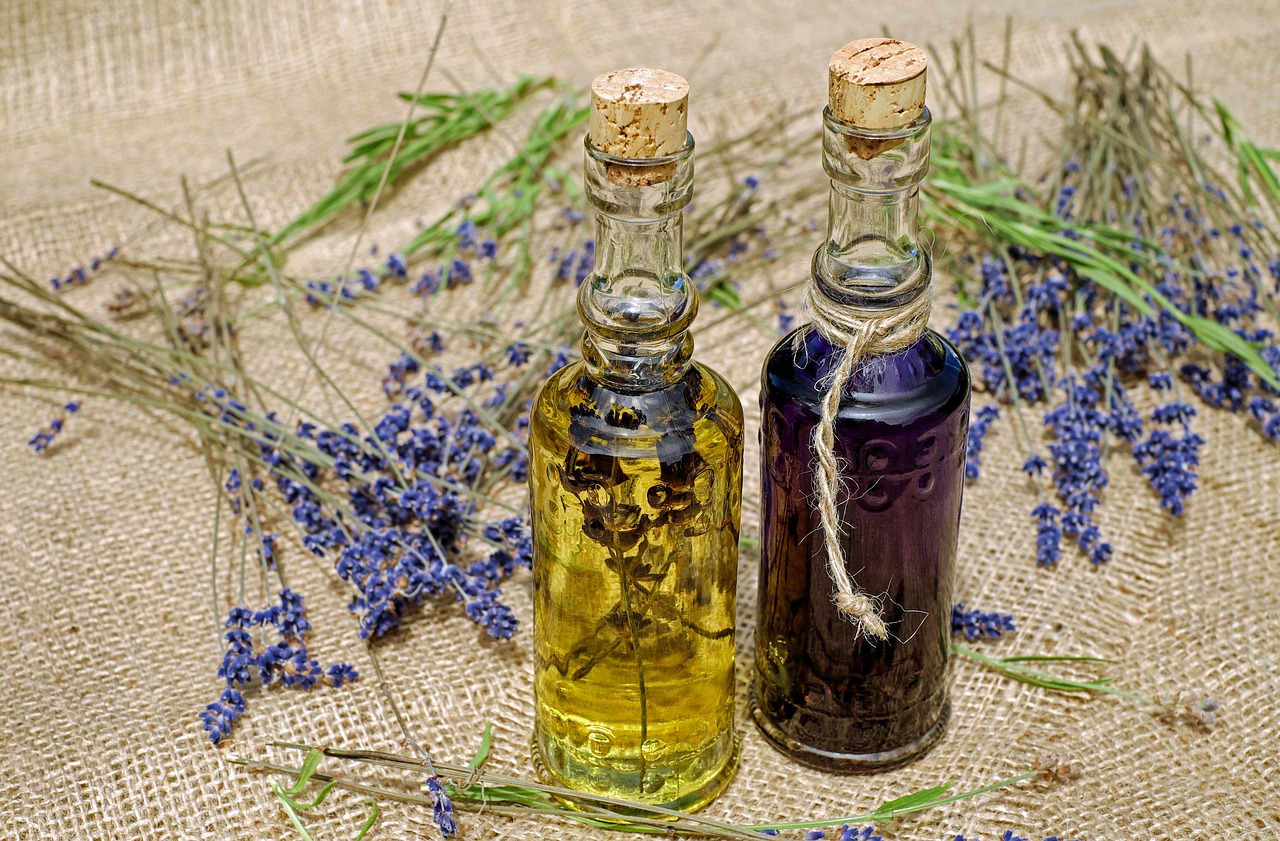
Applying neem oil effectively requires careful preparation and precise timing to ensure your plants receive the full benefits without suffering foliage damage. Because neem oil is oil-based, it will not naturally mix with water. You must create an emulsion to ensure an even application.
Start by following the specific dilution ratios provided on your product’s label. To help the oil bind with the water, add a few drops of mild, organic liquid dish soap to your spray bottle. Shake the mixture thoroughly before you begin, and continue to give the bottle a gentle shake periodically during the application process to keep the solution well-mixed.
When you are ready to spray, follow these essential application guidelines:
- Target both sides: Many common pests, such as spider mites and aphids, hide on the undersides of leaves. Ensure you coat both the top and bottom surfaces of the foliage thoroughly.
- Time it right: Always apply neem oil during the early morning or late evening. These windows are when temperatures are cooler and direct sunlight is minimal.
- Avoid midday heat: Never spray your plants while the sun is at its peak. Applying oil to wet leaves in direct, intense sunlight acts like a magnifying glass, which can lead to severe leaf burn and permanent foliage damage.
Before treating your entire plant, it is a best practice to perform a “spot test.” Apply the solution to a single leaf and wait 24 hours to observe for any signs of sensitivity or wilting. If the leaf remains healthy, you can confidently proceed with treating the rest of the plant.
Remember that neem oil works best as a contact treatment. For the most effective results, ensure that the solution makes direct contact with the pests you are targeting. If you are dealing with a heavy infestation, you may need to repeat the application every seven to fourteen days, depending on the severity of the issue and the specific instructions provided by the manufacturer.
When to Stop Using Neem Oil
Neem oil is a powerful organic tool, but it is not a set-it-and-forget-it solution. Over-application can cause more harm than the pests you are trying to eliminate. Constant usage can lead to oil buildup on foliage, which clogs the plant’s stomata—the tiny pores used for respiration—and prevents it from breathing properly.
Monitor your plants closely after every application. If you notice the following stress signals, discontinue use immediately:
- Leaf yellowing or chlorosis: This often indicates that the plant is struggling to process the oil or is experiencing chemical burn.
- Browning or crispy edges: These are classic signs of phytotoxicity, meaning the oil is damaging the plant tissue.
- Wilting: If a previously healthy plant begins to droop shortly after treatment, rinse the leaves with tepid water to remove the residue.
Once you observe that the pest population has been successfully suppressed, stop your routine spraying schedule. Continuing to apply neem oil as a preventative measure when no pests are present is unnecessary and can eventually weaken the plant’s natural defenses.
Instead of sticking to a strict calendar, transition to a strategy of periodic monitoring. Shift your focus to regular inspections: check the undersides of leaves and along stems for new pest activity. If you spot a minor flare-up, you can perform a targeted spot treatment rather than a full-plant application.
Remember that the goal of integrated pest management is to maintain a healthy ecosystem, not to coat your plants in permanent residue. If you find yourself needing to use neem oil every week for an extended period, it may be a sign that the environmental conditions—such as humidity, airflow, or light—are favoring the pests. In these cases, focus on adjusting the plant’s growing environment to make it less hospitable to insects, which will reduce your reliance on sprays altogether.

Common Questions and Follow-Up Care
If you have completed three applications of neem oil over the course of several weeks and pests remain, it is time to reassess your strategy. Persistent infestations often indicate that the pest population has reached a threshold where organic, contact-based treatments are no longer sufficient. At this stage, refrain from over-applying the oil, as excessive use can cause foliage burn or stress the plant.
Instead, consider these steps to manage the situation:
- Identify the pest: Ensure you are actually dealing with a neem-susceptible insect. Some hardy pests require specific biological controls or stronger interventions.
- Consult an expert: Reach out to your local university extension office or a master gardener. They can provide region-specific advice on whether a more targeted treatment or a different horticultural oil is necessary.
- Check environmental factors: Ensure your plant is receiving the correct light and water. Healthy, unstressed plants are naturally more resistant to pest outbreaks.
Proper storage is essential for maintaining the efficacy of your neem oil and ensuring household safety. Always store your bottle in a cool, dark place, such as a cupboard or utility closet, away from direct sunlight and temperature fluctuations. Keep it strictly out of reach of children and pets, as concentrated neem oil can be harmful if ingested.
Accidents happen, but you must handle spills immediately to prevent safety risks. If you accidentally spill concentrated neem oil on a hard surface, the residue can be extremely slippery. Clean the area thoroughly using warm water and a grease-cutting dish soap. This will emulsify the oil and remove the slick film, protecting your household from potential slip-and-fall hazards.
Finally, always monitor your plants for signs of phytotoxicity—such as yellowing or browning leaves—following any treatment. If your plants show signs of distress, stop all applications immediately and rinse the foliage gently with plain water to remove any remaining residue. Prioritizing plant health alongside pest management will lead to a more resilient home garden.

Dedicated team of gardening enthusiasts with years of hands-on experience testing lawn mowers, gardening tools, and outdoor equipment. We help home gardeners and professionals alike make informed buying decisions with honest, thorough reviews. From push mowers to pruning shears, we test it all so you don’t have to. Got a gardening tool you’d like us to review? Get in touch!