
For most garden plants, you should spray neem oil once every seven to fourteen days to effectively manage pests and fungal issues. If you are currently dealing with an active infestation, you can safely increase this frequency to once every five to seven days until the problem is under control and your plants recover.
Neem oil is a popular organic solution for managing common garden pests and fungal issues. However, it is not a “set it and forget it” remedy. Understanding the correct application frequency is essential to protecting your plants without causing stress or chemical burn, as over-application can sometimes damage sensitive foliage during hot weather.
This guide explains the optimal schedule for neem oil treatments to keep your garden healthy and thriving. We will cover how to adjust your routine based on plant type, environmental conditions, and the severity of the infestation, ensuring you have the practical knowledge needed to maintain a lush, pest-free home garden all year round.

Determining the Right Application Schedule
The frequency of your neem oil applications depends entirely on whether you are fighting an active infestation or simply maintaining a healthy garden. Consistency is the most important factor in achieving effective results.
If you are currently dealing with a pest outbreak, such as aphids, spider mites, or whiteflies, you must apply neem oil once every 7 days. This specific interval is critical because it aligns with the life cycles of common houseplant pests. By spraying weekly, you ensure that you eliminate newly hatched larvae before they reach maturity and begin the reproductive cycle again.
When applying neem oil to combat an active infestation, follow these best practices:
- Thoroughly coat both the tops and undersides of the leaves, where pests frequently hide.
- Spray during the early morning or late evening. Avoid applying neem oil in direct, harsh sunlight to prevent leaf burn.
- Continue the 7-day schedule for at least three weeks, even if the pests appear to be gone, to ensure no dormant eggs remain.
If you are using neem oil as a preventative measure to protect healthy plants, you do not need to spray as frequently. A lighter application once every 14 to 21 days is typically sufficient to keep common pests at bay. This lower frequency helps maintain a protective barrier without overwhelming the plant or risking unnecessary foliage stress.
Always monitor your plants closely after application. If you notice any signs of leaf discoloration or wilting, rinse the foliage with plain water and wait longer between treatments. Because neem oil is an oil-based product, it can sometimes clog the pores (stomata) of sensitive plants if applied too heavily or too often. Always perform a patch test on a single leaf before treating the entire plant to ensure it reacts well to the solution. By tailoring your schedule to the specific needs of your plants, you can effectively manage pests while keeping your garden thriving throughout the growing season.
Safety Precautions and Personal Protection
Before you begin your neem oil application, prioritizing safety is essential to protect both yourself and your plants. While neem oil is a natural, organic pest control solution, it can still cause skin and eye irritation if handled improperly.
Always prepare your workspace and personal protective equipment before mixing your solution. Follow these essential safety steps to ensure a smooth and safe application process:
- Wear protective gear: Use chemical-resistant gloves to prevent skin contact and safety goggles to shield your eyes from accidental splashes or fine mists.
- Ensure proper ventilation: Always apply neem oil in a well-ventilated area. If possible, move your potted plants outdoors to a shaded patio or balcony to avoid inhaling the spray.
- Check the weather: Never apply neem oil during the heat of the day or in direct, intense sunlight. High temperatures combined with oil-based sprays can create a magnifying effect, leading to severe leaf scorch and damage to delicate foliage.
The best time to spray is during the early morning or late evening when temperatures are cooler and the sun is low. This allows the oil to dry slowly and effectively without stressing the plant or causing phytotoxicity.
If you are treating indoor plants, consider moving them to a garage or a sheltered outdoor space until the foliage is completely dry. This prevents lingering odors in your living area and ensures that you are not breathing in the mist while working in confined indoor spaces.
Finally, always store your neem oil concentrate in a cool, dark place, safely out of reach of children and pets. Even though it is derived from the neem tree, it is not intended for human or pet consumption. By following these simple precautions, you can effectively manage garden pests while maintaining a safe environment for your household and your greenery. Consistency and caution are the keys to a healthy, thriving garden throughout the growing season.
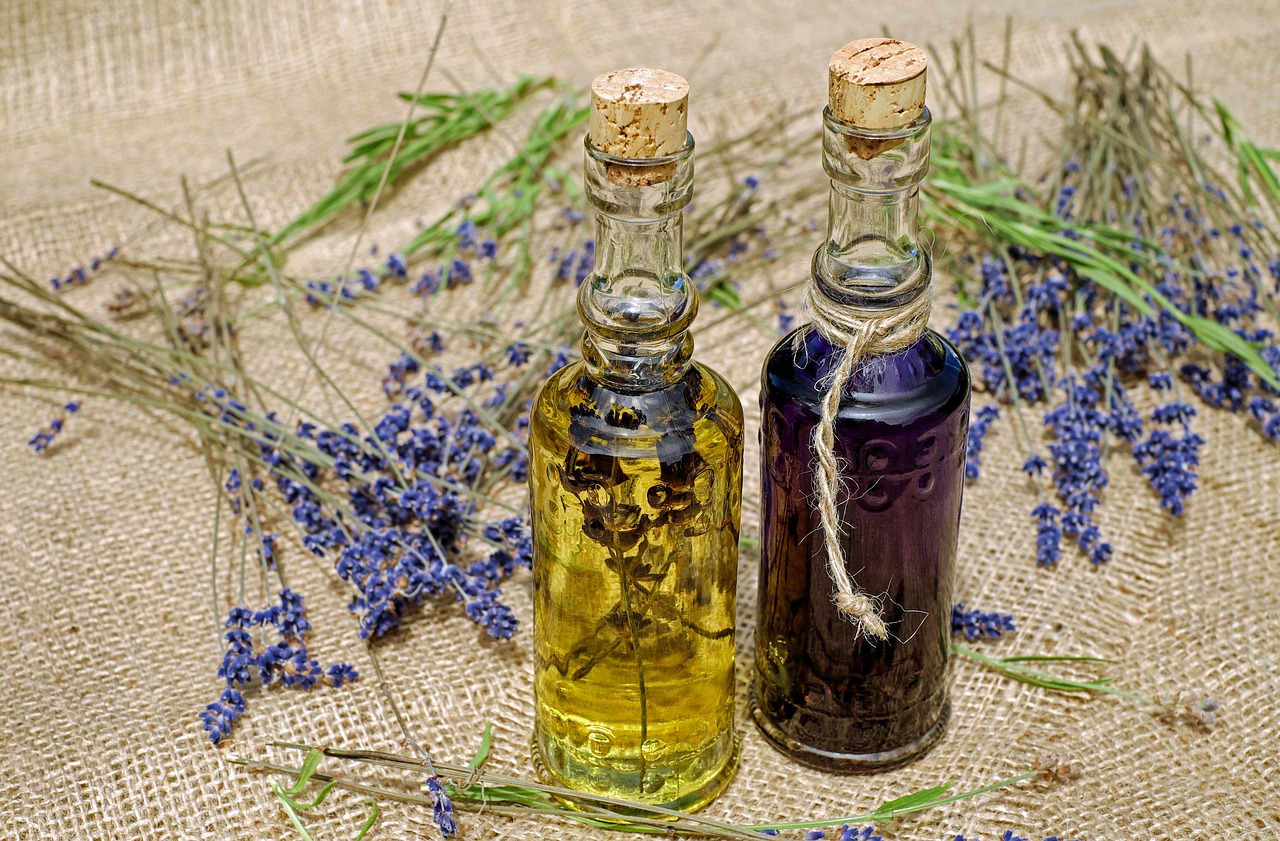
Preparing Your Neem Oil Solution
Most horticultural neem oil is sold as a potent concentrate. Because oil and water do not naturally mix, you must prepare a stable emulsion to ensure the treatment is effective and safe for your plants.
Always start by reading the manufacturer’s label. Dilution ratios vary significantly between brands, and using a mixture that is too concentrated can lead to phytotoxicity, causing leaves to burn or wilt. When you are ready to mix, follow these steps:
- Measure precisely: Use a clean measuring spoon or syringe to add the recommended amount of neem oil to your spray bottle or garden sprayer.
- Add an emulsifier: Add a small amount of mild, fragrance-free liquid dish soap or insecticidal soap to the water. This acts as a surfactant, allowing the oil to disperse evenly rather than floating on the surface.
- Combine and agitate: Fill the container with lukewarm water. Close the lid tightly and shake the bottle vigorously to create a consistent, milky-white emulsion.
It is vital to mix only the amount you intend to use in a single application. Once neem oil is diluted with water, it begins to break down and loses its chemical efficacy within approximately eight hours. Storing leftover mixture for future use is counterproductive, as the solution will degrade and fail to protect your plants against pests or fungal issues.
If you find yourself with excess solution, it is better to discard it properly rather than keeping it in your sprayer. Before applying the fresh mixture to your entire plant, perform a small spot test on a single leaf. Wait 24 hours to observe for any signs of leaf discoloration or damage, especially if you are treating sensitive species or plants in direct, intense sunlight. This simple precaution ensures your plants remain healthy while you manage unwanted pests.
Best Practices for Effective Coverage
Achieving effective coverage is the most critical step in using neem oil successfully. Pests like spider mites, aphids, and whiteflies frequently congregate on the undersides of leaves, protected from direct contact. To eliminate an infestation, you must coat these hidden areas thoroughly. If the oil does not touch the pest, it will not be effective.
When applying the solution, use a sprayer set to a fine mist. Your goal is to create a thin, uniform layer across all foliage. Avoid drenching the plant to the point of heavy runoff, as excess liquid can pool in the soil or cause unnecessary stress to the root system. A light, even sheen is sufficient for protection.
Before treating your entire plant, always perform a patch test to ensure the specific variety can tolerate the oil. Follow these steps to protect your greenery:
- Select one small, inconspicuous leaf near the base of the plant.
- Apply a light mist of the neem oil solution to both sides of that leaf.
- Wait 24 hours and observe the area closely.
- Check for signs of phytotoxicity, such as yellowing, browning, or wilting.
If the test leaf remains healthy after 24 hours, it is generally safe to proceed with a full application. If you notice any damage, dilute your mixture further or discontinue use on that specific plant species. Always apply neem oil during the cooler parts of the day, such as early morning or late evening. Applying oil under the intense midday sun can cause the leaves to “fry” or burn, even if the plant is otherwise tolerant of the treatment.
Finally, remember that consistency is key. Because neem oil acts as an anti-feedant and growth regulator rather than a fast-acting contact poison, it requires regular reapplication to break the life cycle of persistent pests. By maintaining thorough, careful coverage during each session, you provide your plants with the best defense against recurring outbreaks.

Troubleshooting and Follow-up Care
Consistent treatment is key to managing garden pests, but neem oil is not a universal cure-all. If you have completed three weekly applications and notice no reduction in the pest population, stop the treatment immediately. Continuing to spray will not yield better results and may lead to unnecessary buildup on the foliage, which can interfere with photosynthesis.
When neem oil fails, you must re-evaluate your strategy:
- Confirm Identification: Ensure you are actually dealing with the pest you suspect. Some insects, like spider mites or scale, require specific intervention methods beyond neem oil.
- Physical Removal: If the infestation is localized, manually remove the pests. Use a steady stream of water to blast away aphids or wipe leaves with a damp cloth to dislodge mites.
- Pruning: For heavily infested branches, pruning and disposing of the affected plant material is often more effective than chemical treatment.
Be mindful of your plant’s overall health before applying any spray. Never apply neem oil to plants that are already severely stressed, wilting, or suffering from drought. The oil can clog leaf pores, which adds further strain to a plant that is already struggling to survive. Always water your plants thoroughly a day before treatment to ensure they are hydrated and resilient.
If your plant exhibits signs of phytotoxicity—such as brown spots, yellowing leaves, or burnt edges—rinse the foliage with clean water and discontinue use. If the infestation persists despite your best efforts, do not resort to stronger, unverified chemicals. Instead, consult a local master gardener or your regional agricultural extension office. These professionals can provide site-specific advice, help you identify obscure pests, and recommend integrated pest management strategies that are safe for your specific environment. Taking this step protects both your garden’s health and the local ecosystem by preventing the overuse of treatments.

Dedicated team of gardening enthusiasts with years of hands-on experience testing lawn mowers, gardening tools, and outdoor equipment. We help home gardeners and professionals alike make informed buying decisions with honest, thorough reviews. From push mowers to pruning shears, we test it all so you don’t have to. Got a gardening tool you’d like us to review? Get in touch!