
Hydrangeas typically grow between 1 to 2 feet per year depending on their specific variety and environmental conditions. While some vigorous types can stretch even further, most garden hydrangeas follow this steady, moderate pace during a single growing season. Understanding this natural rhythm helps you plan your landscape design and manage your expectations effectively.
Hydrangeas are a staple in many gardens, but their growth rate can vary significantly based on the variety and local climate. Factors like soil quality, sunlight exposure, and consistent watering play a crucial role in how quickly your shrubs mature. Providing the right nutrients ensures your plants reach their full potential throughout the year.
This guide explains what you can realistically expect from your hydrangeas in a single growing season and how to encourage healthy development. We will explore practical tips for pruning, fertilizing, and troubleshooting common issues to help your garden thrive. Follow our expert advice to achieve lush, vibrant blooms and strong structural growth every season.
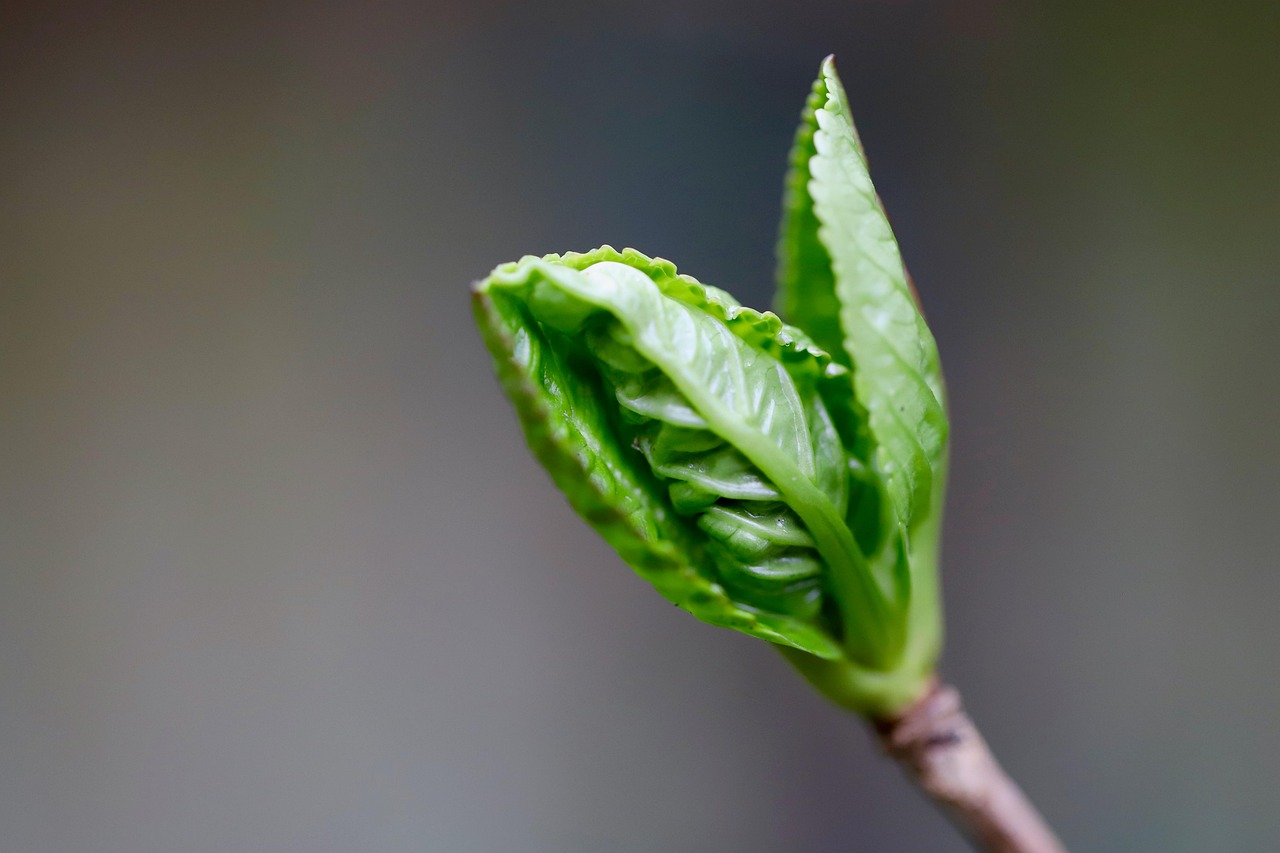
Understanding Typical Hydrangea Growth Rates
Most hydrangea varieties are classified as moderate to fast growers. Once a plant is well-established in your garden, you can generally expect it to add 1 to 2 feet of new growth per year. However, the specific rate depends heavily on the variety you choose and how well you meet its environmental needs.
Shrub-type hydrangeas, such as the popular Bigleaf (Hydrangea macrophylla) and Panicle (Hydrangea paniculata), are typically vigorous. Under ideal conditions—consistent moisture, nutrient-rich soil, and appropriate sunlight—these shrubs can reach their mature height relatively quickly, often within three to five years.
Conversely, climbing hydrangeas (Hydrangea anomala subsp. petiolaris) follow a different growth pattern. These vines often grow slowly during their first two or three years as they focus energy on developing a robust root system. Once established, their growth rate accelerates significantly, allowing them to cover walls or trellises with ease.
Several practical factors influence how much your specific plant will grow each season:
- Root Establishment: Newly planted hydrangeas prioritize root development over foliage. Expect minimal top growth during the first year while the plant settles.
- Soil Fertility: Amending your soil with organic compost provides the essential nutrients required to fuel rapid seasonal growth.
- Moisture Levels: Hydrangeas are thirsty plants. Consistent, deep watering is the most effective way to encourage maximum vertical growth during the spring and summer.
- Pruning Timing: Pruning at the wrong time can remove the current season’s growth potential. Always identify your hydrangea type—whether it blooms on old wood or new wood—before reaching for your shears.
If your hydrangea appears to be growing slower than expected, assess the site conditions first. Insufficient sunlight, competition from nearby tree roots, or prolonged drought are the most common culprits that stall growth. Providing a layer of mulch around the base will help retain soil moisture and regulate temperatures, creating a more favorable environment for your plant to hit its maximum growth potential each year.
Factors That Influence Your Hydrangeas Growth
While hydrangeas are generally vigorous growers, their annual growth rate is not fixed. It is heavily dictated by the specific environmental conditions you provide. If you want to maximize your plant’s size, you must balance sunlight, moisture, and soil quality.
Hydrangeas planted in nutrient-rich, well-draining soil almost always outperform those struggling in poor or compacted ground. Because these plants have relatively shallow root systems, they rely on consistent access to moisture and nutrients to push out new stems and foliage throughout the growing season.
To ensure your hydrangeas reach their full growth potential, focus on these three primary drivers:
- Sunlight requirements: Most hydrangea varieties thrive with morning sun and afternoon shade. Too much intense midday sun can scorch the leaves and stunt growth, while excessive shade often results in leggy stems and fewer blooms.
- Consistent moisture: Hydrangeas are thirsty plants. During dry spells, they require deep watering at least twice a week. If the soil dries out completely, the plant will prioritize survival over new growth, significantly slowing its progress.
- Soil quality and nutrients: Incorporating organic matter, such as compost or aged manure, into the soil at planting time provides a slow-release nutrient source. A balanced, slow-release fertilizer applied in early spring can also provide the necessary fuel for rapid expansion.
Mulching is another practical step that often goes overlooked. Applying a two-to-three-inch layer of organic mulch around the base of your hydrangea helps regulate soil temperature and retains moisture. This creates a stable environment that encourages the roots to spread, which in turn supports more robust above-ground growth.
Finally, be mindful of your climate zone. Hydrangeas grown in regions with long, temperate growing seasons will naturally add more height and width annually than those in colder climates with shorter summers. By optimizing these environmental factors, you provide your hydrangeas with the best possible chance to reach their maximum potential size each year.

Safety and Best Practices for Pruning
Pruning your hydrangeas is essential for maintaining their shape and encouraging vigorous growth, but your safety must always come first. Before you begin, inspect your tools. Always use sharp, clean pruning shears to ensure precise, clean cuts. Dull blades require more force, which increases the risk of slipping and damaging both the plant and your hands.
Personal protective equipment is non-negotiable. Wear heavy-duty gardening gloves to shield your skin from rough stems, potential thorns, or irritating sap. If you are working with older, woodier hydrangeas that require long-handled loppers for thicker branches, follow these safety protocols:
- Maintain a stable, wide-footed stance on level ground to ensure balance.
- Keep your fingers well clear of the blade path at all times.
- Position your body to the side of the branch you are cutting, rather than directly in front of it.
- Use both hands on the tool handles for maximum control and leverage.
Dense hydrangea foliage can be deceptive. Never reach blindly into the center of a shrub. Before you stick your hands into thick growth, use a stick or the handle of your pruners to gently probe the area. This helps you identify hidden hazards, such as:
- Stinging insects or nests tucked away in the branches.
- Sharp, broken debris or leftover wire from previous plant supports.
- Small garden pests that may react defensively when disturbed.
Finally, avoid pruning when the foliage is wet, as this makes the plant slippery and increases the likelihood of spreading fungal spores between cuts. If you are working on a ladder to reach taller hydrangea varieties, ensure it is placed on firm, flat soil and ask a partner to spot you. By taking these simple, practical precautions, you protect yourself while ensuring your hydrangeas remain healthy and productive for the coming season.
Optimizing Your Plants for Maximum Annual Growth
To maximize the annual growth of your hydrangeas, you must create an environment that supports vigorous root development and steady stem elongation. While hydrangeas are relatively low-maintenance, a few strategic interventions during the growing season can significantly boost their size and health.
The foundation of rapid growth lies in proper nutrition. Apply a balanced, slow-release fertilizer in early spring, just as the buds begin to swell but before significant new foliage emerges. This timing ensures that nutrients are available as the plant enters its most active growth phase. Avoid over-fertilizing with high-nitrogen products, as this can encourage leafy growth at the expense of flower production.
Soil management is equally critical for sustained development. Applying a two-to-three-inch layer of organic mulch, such as shredded bark or compost, around the base of the plant provides three primary benefits:
- Moisture Retention: Mulch prevents the soil from drying out rapidly, keeping roots hydrated.
- Temperature Regulation: It insulates the soil against extreme heat, protecting sensitive root systems.
- Soil Health: As organic mulch breaks down, it improves soil structure and adds essential nutrients.
Watering habits dictate how much energy your hydrangea can dedicate to growth. Hydrangeas have shallow root systems that are susceptible to drought stress. Instead of frequent, light sprinkles, focus on deep, thorough watering. Aim to soak the soil to a depth of at least six to eight inches once or twice a week, depending on your local climate. This practice encourages roots to grow deeper into the soil, where moisture is more consistent.
During extended dry spells, monitor your plants closely. Wilting leaves are a sign of stress; if you notice drooping, provide a deep soak immediately. By maintaining consistent soil moisture and providing steady nutrition throughout the spring and summer, you provide your hydrangeas with the resources they need to reach their maximum potential growth for the year.

Common Questions and Long Term Care
Understanding the growth cycle of your hydrangeas is essential for long-term health. While these shrubs are generally vigorous, they require specific environmental conditions to reach their full potential. If your hydrangea shows little to no growth after two full seasons, it is time to investigate potential underlying issues.
Begin by inspecting the soil and root zone. Stagnant growth is often a symptom of poor drainage leading to root rot. If the soil remains consistently waterlogged, the roots cannot absorb necessary oxygen or nutrients. Conversely, a nutrient deficiency—particularly a lack of nitrogen or phosphorus—can cause the plant to remain stunted. A simple soil test can confirm if you need to adjust your fertilization routine.
Regular monitoring is the best defense against growth stalls. By catching problems early, you can intervene before the plant suffers significant damage. Keep an eye out for these common warning signs:
- Wilting leaves: Often indicates improper watering or heat stress, even if the soil feels moist.
- Discolored foliage: Yellowing leaves (chlorosis) frequently point to pH imbalances or iron deficiencies.
- Spotting or lesions: These may indicate fungal infections, such as Cercospora leaf spot, which can weaken the plant over time.
If you suspect a severe pest infestation or a persistent disease that does not respond to basic adjustments in water and light, do not wait for the situation to worsen. Contact your local cooperative extension office. These organizations provide expert, region-specific guidance and can help you identify local pathogens or insect threats that are common in your immediate area.
Practical care is about consistency rather than constant intervention. Ensure your hydrangeas receive adequate mulch to retain moisture and provide a steady supply of organic matter. By maintaining a stable environment and observing your plants throughout the growing season, you ensure they remain healthy and continue to provide beautiful blooms for many years to come. Remember, a healthy root system is the foundation for all visible growth above the soil.

Dedicated team of gardening enthusiasts with years of hands-on experience testing lawn mowers, gardening tools, and outdoor equipment. We help home gardeners and professionals alike make informed buying decisions with honest, thorough reviews. From push mowers to pruning shears, we test it all so you don’t have to. Got a gardening tool you’d like us to review? Get in touch!