
Hydrangeas typically grow between 12 and 24 inches per year, depending on the specific variety and growing conditions. While some fast-growing types can exceed two feet of new growth in a single season, others remain more compact. Understanding these growth habits is essential for planning your garden layout and ensuring every plant has space.
It is important to remember that environmental factors like soil quality, sunlight exposure, and consistent watering significantly influence how quickly your shrubs mature. A healthy hydrangea in an ideal climate will thrive, but poor conditions can easily stunt its development. Always research your specific cultivar to set realistic expectations for your unique landscape.
In this guide, we break down exactly how much you can expect your hydrangeas to grow annually and the key factors that influence their ultimate size. Whether you are a beginner or a seasoned gardener, you will find practical tips to help your plants reach their full potential and maintain a beautiful, lush display.
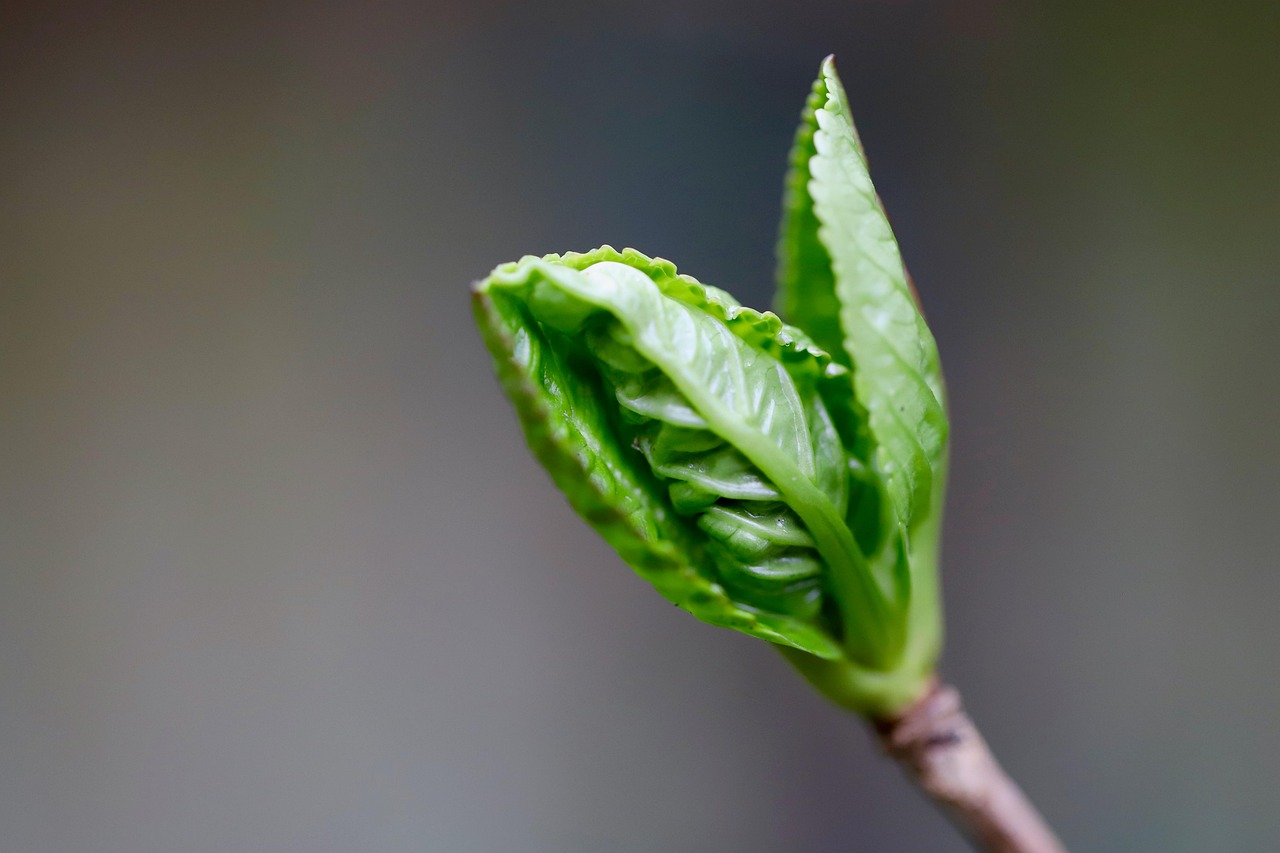
Typical Annual Growth Rates for Hydrangeas
Most hydrangea varieties are considered moderate to fast growers. On average, you can expect healthy shrubs to gain between 12 to 24 inches of new growth per season. However, this rate is not universal; it fluctuates significantly based on the specific cultivar, your local climate, and the quality of care provided.
Bigleaf hydrangeas (Hydrangea macrophylla) and Panicle hydrangeas (Hydrangea paniculata) are generally the most vigorous growers. In ideal conditions with consistent moisture and rich soil, these types can sometimes exceed two feet of growth in a single year. Conversely, dwarf cultivars or mountain hydrangeas often maintain a more compact, slower growth habit, typically adding only 6 to 12 inches annually.
Several practical factors dictate how much your plant will expand each year:
- Sun Exposure: While most hydrangeas thrive in morning sun and afternoon shade, insufficient light will cause the plant to become leggy and grow much slower.
- Soil Fertility: Hydrangeas are heavy feeders. Applying a balanced, slow-release fertilizer in early spring provides the necessary nutrients to fuel rapid stem and foliage development.
- Water Availability: The name “hydrangea” is derived from the Greek word for water. These plants require consistent moisture to support their rapid growth cycles. During dry spells, a lack of water will cause the plant to prioritize survival over new growth.
- Pruning Timing: Pruning at the wrong time can remove the buds that would have become new stems. Always identify whether your hydrangea blooms on “old wood” or “new wood” before cutting to avoid stunted seasonal growth.
To encourage maximum growth, ensure the soil remains moist but well-drained and apply a two-inch layer of organic mulch around the base. This protects the root system from temperature fluctuations and helps retain the moisture necessary for the shrub to reach its full height potential during the growing season.
Factors That Influence Hydrangea Growth
While hydrangeas are known for their impressive vigor, their annual growth rate is not fixed. Several environmental factors dictate how quickly your shrubs will expand and bloom each season. Understanding these variables allows you to optimize your garden conditions for maximum development.
Soil Quality and Nutrition
Hydrangeas are heavy feeders that require nutrient-rich, well-draining soil to support rapid stem elongation. If your soil is sandy or heavy clay, incorporate organic matter like compost or peat moss before planting. This improves nutrient availability and moisture retention, providing the foundation necessary for consistent yearly growth.
Sunlight Exposure
Light intensity is a primary driver of photosynthesis. Most hydrangea varieties thrive when they receive morning sun followed by dappled afternoon shade. Excessive direct afternoon heat can stress the plant, causing it to divert energy toward survival rather than structural growth. Conversely, too much shade often results in leggy stems and fewer blooms.
Water Availability
The name “hydrangea” is derived from the Greek word for water, and for good reason. Consistent moisture is the most critical factor for rapid annual expansion. During the growing season, aim for at least one inch of water per week. To ensure your plants reach their full growth potential, keep these maintenance tips in mind:
- Mulch heavily: Apply two to three inches of organic mulch around the base to retain soil moisture and regulate root temperature.
- Water at the base: Direct water toward the soil rather than the foliage to prevent fungal issues.
- Monitor during droughts: Potted hydrangeas or those in full sun require daily checks during hot, dry spells, as they can wilt rapidly.
By balancing these three elements, you provide the optimal environment for your hydrangeas to reach their maximum genetic growth potential each year. When the soil is rich, the light is balanced, and the water is plentiful, you will notice significantly more robust canes and a fuller, healthier shrub by the end of the growing season.

Pruning Safely for Healthy Development
Pruning is a vital practice for managing the size of your hydrangeas while encouraging vigorous, seasonal growth. By removing dead or crossing branches, you direct the plant’s energy toward healthy development and improved bloom production. However, proper technique is essential to avoid damaging the shrub.
Always use sharp, high-quality bypass pruners for your maintenance. Bypass blades act like scissors, creating clean, precise cuts that heal quickly. Avoid anvil-style pruners, which can crush delicate stems and leave ragged edges that invite pests and fungal diseases. Before starting, sterilize your blades with rubbing alcohol to prevent the spread of pathogens between plants.
Safety should remain your top priority while working in the garden. Follow these guidelines to protect yourself and your hydrangeas:
- Wear durable gardening gloves to shield your skin from rough stems, potential thorns, or hidden insects.
- If using long-reach loppers for taller shrubs, maintain a wide, stable footing on level ground.
- Avoid overextending your reach; if you cannot prune a branch comfortably, reposition your ladder or move closer to the plant to prevent falls.
- Never use power tools for pruning. They lack the precision required for hydrangeas and often cause jagged, splintered damage that creates entry points for disease.
When making your cuts, aim for a 45-degree angle just above a healthy leaf node. This slope prevents water from pooling on the cut surface, which significantly reduces the risk of stem rot. If you are unsure about the timing, remember that most hydrangeas should be pruned shortly after they finish blooming. This ensures you do not accidentally remove the developing buds for the following year. By focusing on clean, deliberate cuts, you help your hydrangeas maintain their desired shape while ensuring they remain strong and disease-free throughout the growing season.
Managing Size Through Variety Selection
Understanding the growth habits of different hydrangea species is the most effective way to manage their size. While many gardeners assume all hydrangeas grow at a similar pace, their genetic potential varies significantly. Choosing the right variety for your specific garden space prevents the need for constant, aggressive pruning, which can often reduce flowering.
Before purchasing, always check the plant tag for the mature height and width. This information provides a realistic expectation of how much space the plant will occupy once it reaches its full potential in three to five years.
Consider these general growth characteristics when planning your landscape:
- Bigleaf Hydrangeas (Hydrangea macrophylla): These typically reach 3 to 6 feet in height. They grow at a moderate pace, but their size is often dictated by how much of the previous year’s growth survives the winter.
- Panicle Hydrangeas (Hydrangea paniculata): These are among the most vigorous growers. Many cultivars can reach 6 to 10 feet or more. If you have a small garden, look for compact varieties like ‘Bobo’ or ‘Little Lime,’ which are bred to stay under 4 feet.
- Oakleaf Hydrangeas (Hydrangea quercifolia): These are substantial shrubs that often grow 6 to 8 feet tall and wide. They require significant room to spread and are best suited for larger garden beds or woodland borders.
- Smooth Hydrangeas (Hydrangea arborescens): Varieties like ‘Annabelle’ grow quickly each spring from the ground. While they may reach 4 to 5 feet, they are easily managed because they are typically cut back to the ground in late winter.
If you find yourself with a plant that is outgrowing its location, avoid “topping” the shrub, as this ruins its natural form. Instead, select a variety that naturally fits your space at maturity. By matching the plant’s growth habit to your site during the initial planting phase, you ensure a low-maintenance, healthy landscape for years to come.

Common Questions and Ongoing Care
If your hydrangea seems stunted or fails to meet expected growth rates, don’t panic. Most growth issues stem from environmental factors rather than plant health. Before assuming the worst, evaluate your pruning schedule. Pruning at the wrong time—especially in late summer or fall—can remove the buds intended for the following year, which often gives the illusion of stunted growth.
Soil quality is another frequent culprit. Hydrangeas are heavy feeders that thrive in rich, well-draining soil. If your plant is struggling, consider these steps to support healthy development:
- Apply a balanced fertilizer: Use a slow-release, balanced fertilizer (such as a 10-10-10 formula) in early spring just as new growth begins to emerge. Avoid over-fertilizing with high-nitrogen products, as this may encourage lush foliage at the expense of flower production.
- Check soil pH: Soil acidity directly impacts nutrient availability. If the soil is too alkaline or acidic, the plant may be unable to absorb the essential minerals it needs to grow.
- Monitor moisture levels: While hydrangeas love water, they require consistent moisture rather than waterlogged soil. Ensure the root zone is mulched to retain hydration during hot summer months.
If you notice persistent wilting, yellowing leaves, or a total lack of vertical growth despite providing adequate water and nutrients, it is time to investigate further. The issue could be related to localized pests, such as aphids or spider mites, or soil-borne diseases like root rot.
For persistent problems, reach out to your local university extension office or a reputable neighborhood nursery. They can provide professional soil testing services to identify specific nutrient deficiencies or pH imbalances. Bringing a sample of the affected foliage to a nursery professional can also help you quickly identify if you are dealing with a fungal infection or a pest infestation. Taking these proactive steps ensures your hydrangeas remain vibrant and reach their full potential year after year.

Dedicated team of gardening enthusiasts with years of hands-on experience testing lawn mowers, gardening tools, and outdoor equipment. We help home gardeners and professionals alike make informed buying decisions with honest, thorough reviews. From push mowers to pruning shears, we test it all so you don’t have to. Got a gardening tool you’d like us to review? Get in touch!