
Neem oil generally remains effective for up to two years if stored in a cool, dark place. Once opened, however, its shelf life often decreases to about six to twelve months due to oxidation. Understanding how long neem oil is good for ensures you are applying a potent solution to your home garden.
While many gardeners assume their supply lasts indefinitely, environmental factors like heat, light, and moisture significantly degrade the active compounds. It is essential to monitor your bottle for signs of spoilage, such as a rancid odor or a change in consistency. Using expired neem oil will not harm your plants, but it will lose its efficacy.
In this guide, we provide practical tips for maximizing the longevity of your organic pest control products. You will learn how to identify expired oil and discover the best storage practices to keep your gardening supplies fresh. Follow these expert recommendations to maintain a healthy, thriving home garden throughout every growing season.

Understanding the Shelf Life of Neem Oil
Neem oil is a staple in organic gardening, prized for its ability to manage pests and fungal issues. However, its effectiveness is entirely dependent on its chemical stability. Like many botanical extracts, neem oil is sensitive to environmental factors that can break down its active compounds, most notably azadirachtin.
Most commercially available neem oil products have a shelf life of approximately two years when stored in optimal, unopened conditions. Once the seal is broken, the introduction of oxygen initiates a slow degradation process. You can generally expect an opened bottle to remain effective for six to twelve months, provided you maintain proper storage habits.
To maximize the longevity of your neem oil, follow these storage best practices:
- Control the temperature: Keep your bottle in a cool, dark place. Avoid sheds or garages that experience extreme heat, as high temperatures accelerate chemical breakdown.
- Minimize light exposure: UV rays can degrade the oil quickly. Always store it in its original opaque container or an amber glass bottle.
- Seal it tightly: Ensure the cap is screwed on firmly after every use to prevent unnecessary oxidation.
- Avoid contamination: Never pour used or diluted neem oil back into the original concentrate bottle, as this can introduce bacteria and impurities that compromise the entire supply.
How can you tell if your neem oil has expired? The most reliable indicators are changes in consistency and smell. Fresh neem oil typically has a pungent, earthy, or garlicky aroma. If the oil develops a rancid, sour, or “off” smell, or if it has separated into layers that no longer emulsify when shaken, it is likely time to discard it.
Keep in mind that once you mix neem oil with water, it becomes unstable very quickly. The mixture begins to break down within 8 to 24 hours. Always mix only what you intend to use immediately, as leftover diluted solution will lose its potency and effectiveness by the following day.
Signs That Your Neem Oil Has Expired
Neem oil is a natural, organic solution for garden pests, but it is not shelf-stable forever. Like many botanical products, its chemical structure degrades over time, especially when exposed to light, heat, or moisture. Using expired neem oil is not only ineffective against insects but can also potentially harm sensitive plants due to chemical changes.
You can determine if your neem oil is still viable by performing a quick sensory check. If you notice any of the following signs, it is time to discard the product:
- Unusual Odor: Fresh, cold-pressed neem oil has a distinct, earthy, garlic-like, or sulfurous smell. If the oil develops a sharp, rancid, or unusually foul odor that differs significantly from its original scent, the fatty acids have likely oxidized and gone bad.
- Texture Changes: Neem oil should be relatively smooth. If you notice large, hardened clumps or a gritty texture that does not dissolve, the oil has degraded.
- Failure to Emulsify: Neem oil naturally separates, but it should easily blend back into a milky, uniform liquid when shaken with water and an emulsifier (like mild dish soap). If the oil remains separated, forms thick, oily globs, or creates a chunky residue that refuses to mix, it has lost its ability to function as a horticultural spray.
- Color Shifts: While neem oil can vary from yellow to deep brown, a drastic change in color—such as turning murky, gray, or developing visible mold—indicates contamination or spoilage.
When in doubt, it is safer to dispose of the product. Applying degraded oil can leave an oily film that clogs plant pores (stomata) without providing the pest-repelling benefits you need. To extend the shelf life of new bottles, always store your neem oil in a cool, dark place, such as a cupboard or basement, and ensure the cap is tightly sealed after every use to prevent oxidation.
Best Practices for Storing Neem Oil
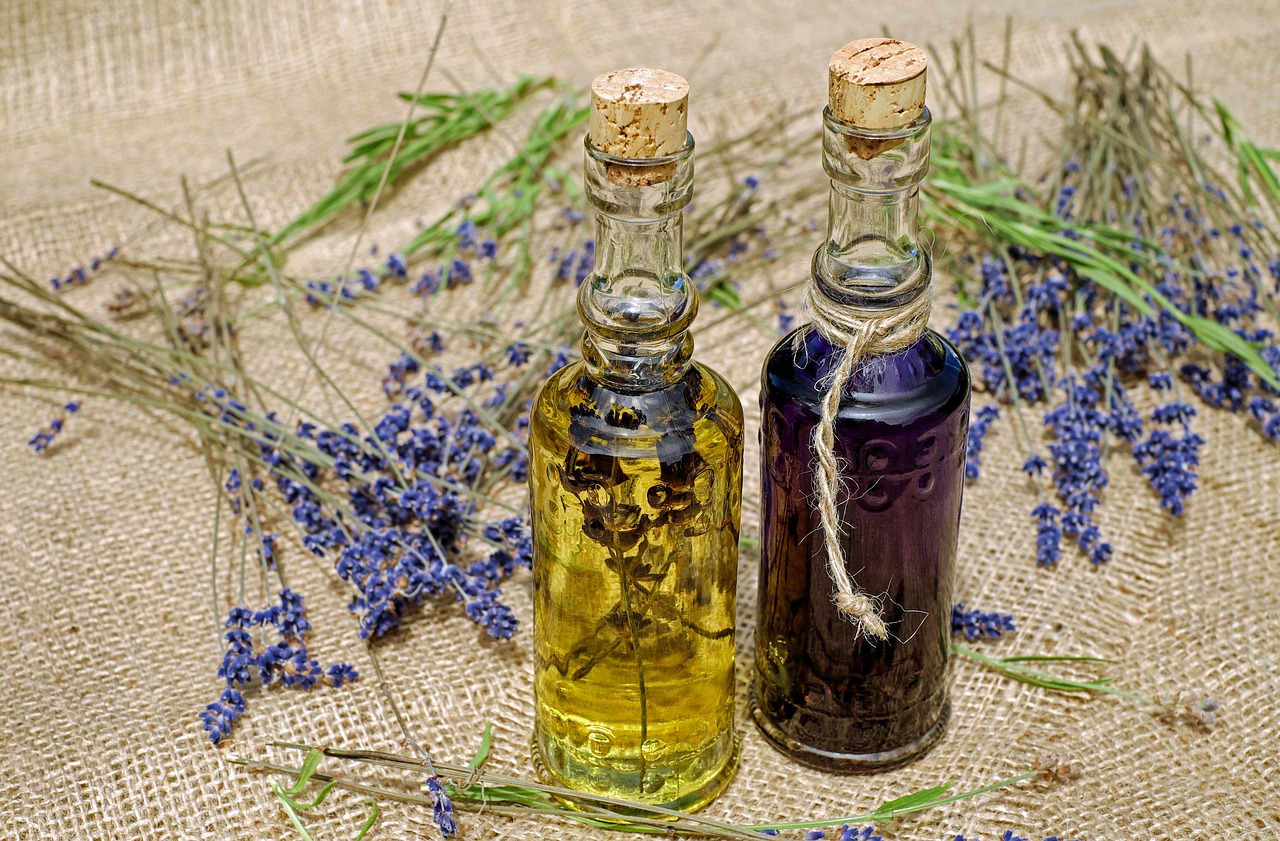
Proper storage is the most effective way to maintain the potency of your neem oil. Because neem oil is a natural, organic product, it is susceptible to degradation when exposed to environmental stressors. To ensure your supply remains effective for pest control and plant health, you must control its immediate surroundings.
The ideal environment for neem oil is a cool, dark, and dry location. Exposure to direct sunlight is the primary cause of premature breakdown, as ultraviolet light triggers chemical changes that reduce the oil’s efficacy. A closed cupboard, a basement shelf, or a dark corner of your garage works perfectly.
Temperature stability is equally important. Extreme fluctuations can cause the oil to separate or lose its active compounds. Follow these storage guidelines to maximize shelf life:
- Avoid extreme heat: Never store neem oil in areas that reach high temperatures, such as a hot attic or a garden shed in direct summer sun. High heat can cause the oil to go rancid quickly.
- Prevent freezing: While neem oil may solidify in cold temperatures, repeated freeze-thaw cycles can degrade the product. If your oil solidifies, gently warm the bottle in a bowl of lukewarm water until it returns to a liquid state.
- Seal tightly: Always ensure the cap is screwed on securely after every use. Oxygen exposure can lead to oxidation, which shortens the oil’s lifespan.
- Use original packaging: Keep the oil in its original opaque bottle. If you must transfer it, use a dark-colored glass or heavy-duty plastic container to block light.
By keeping the container tightly sealed and away from heat sources and light, you can expect high-quality, cold-pressed neem oil to remain effective for up to two years. Always check for a rancid, sour, or overly pungent odor before use; if the smell has changed significantly or the oil has become chunky and impossible to emulsify, it is time to replace your supply to ensure your plants receive the best possible care.
Safety Guidelines for Handling and Mixing
Neem oil is a powerful, naturally derived pesticide, but it requires careful handling to ensure it remains safe for you and your household. Because concentrated neem oil can cause skin and eye irritation upon contact, you must prioritize personal protective equipment (PPE) every time you prepare a spray.
Always wear chemical-resistant gloves and protective eyewear when mixing your solution. If you are using a spray bottle, ensure you are working in a well-ventilated area—preferably outdoors—to avoid inhaling the fine mist. If the oil accidentally contacts your skin, wash the area immediately with soap and water. If it enters your eyes, flush them thoroughly with clean water for at least fifteen minutes and seek medical advice if irritation persists.
Safe storage is just as critical as safe application. Follow these essential guidelines to keep your home environment secure:
- Keep it secure: Always store neem oil in its original container, ensuring the cap is tightly sealed to prevent leaks or degradation.
- Label clearly: If you transfer the mixture to a secondary spray bottle, clearly label the container with the contents and the date of mixing.
- Out of reach: Store all gardening chemicals in a locked cabinet or on a high shelf, well away from the reach of children and curious pets.
- Prevent ingestion: Never store neem oil near food, beverages, or animal feed to eliminate the risk of accidental cross-contamination.
By following these protocols, you protect yourself from potential irritation and prevent accidental ingestion by vulnerable family members. Remember that while neem oil is organic, it is still a potent concentrate that demands respect. If you notice your neem oil has changed color, developed a foul, rancid odor, or separated into layers that will no longer emulsify after vigorous shaking, it has likely expired. In such cases, dispose of the product according to your local hazardous waste guidelines rather than attempting to use it. Proper handling ensures that your garden care remains a safe and productive activity for everyone in your home.

Common Questions and Troubleshooting
If you are unsure about the age of your neem oil, the safest approach is to replace it. Over time, neem oil undergoes chemical degradation, particularly when exposed to heat, direct sunlight, or moisture. Once the active compounds break down, the oil loses its efficacy as both an insecticide and a fungicide, meaning it will no longer effectively manage the pests or diseases you are trying to control.
To determine if your product is still viable, check for these signs of degradation:
- Unusual Odor: Fresh neem oil has a distinct, pungent, garlic-like or nutty scent. If the smell has become rancid, sour, or completely absent, it has likely expired.
- Separation Issues: While neem oil naturally thickens in cool temperatures, it should emulsify easily when mixed with warm water and a surfactant. If it remains clumpy, refuses to mix, or shows visible mold growth, discard it immediately.
- Color Changes: If the oil has shifted significantly in color or shows signs of sediment that do not dissolve, its chemical stability is compromised.
If you have confirmed your neem oil is fresh but are still seeing persistent pest issues, do not simply increase the concentration, as this can cause phytotoxicity and burn your plant leaves. Instead, reassess your application technique. Ensure you are coating both the tops and undersides of leaves, as many pests, such as spider mites and aphids, hide on the undersides.
If problems continue despite proper application of fresh product, you may be dealing with a resistant pest population or an misidentified ailment. In these cases, it is best to consult a local agricultural extension office or a professional horticulturist. They can provide guidance on integrated pest management (IPM) strategies, which may include introducing beneficial insects, utilizing mechanical traps, or rotating to a different organic control method suited to your specific climate and plant species. Always prioritize the long-term health of your garden soil and ecosystem over repeated chemical applications.

Dedicated team of gardening enthusiasts with years of hands-on experience testing lawn mowers, gardening tools, and outdoor equipment. We help home gardeners and professionals alike make informed buying decisions with honest, thorough reviews. From push mowers to pruning shears, we test it all so you don’t have to. Got a gardening tool you’d like us to review? Get in touch!