
Climbing hydrangea typically takes three years to establish its root system before showing significant vertical growth. During this initial period, you might notice very little progress above ground, but patience is key to long-term success. Once these woody vines settle into their environment, they can grow several feet per season with proper care.
Climbing hydrangea is a stunning addition to any landscape, but it is known for being a slow starter. While it may feel like your plant is stagnant, it is actually dedicating energy to building a robust foundation. Understanding this biological timeline helps you avoid unnecessary worry while waiting for that signature lush foliage.
This guide explains the typical growth timeline for Hydrangea anomala petiolaris and how to encourage faster establishment in your garden. We will cover essential tips for soil preparation, ideal light conditions, and watering techniques that help your vine thrive. Follow these practical steps to transform your slow-growing starter into a breathtaking, mature garden feature.
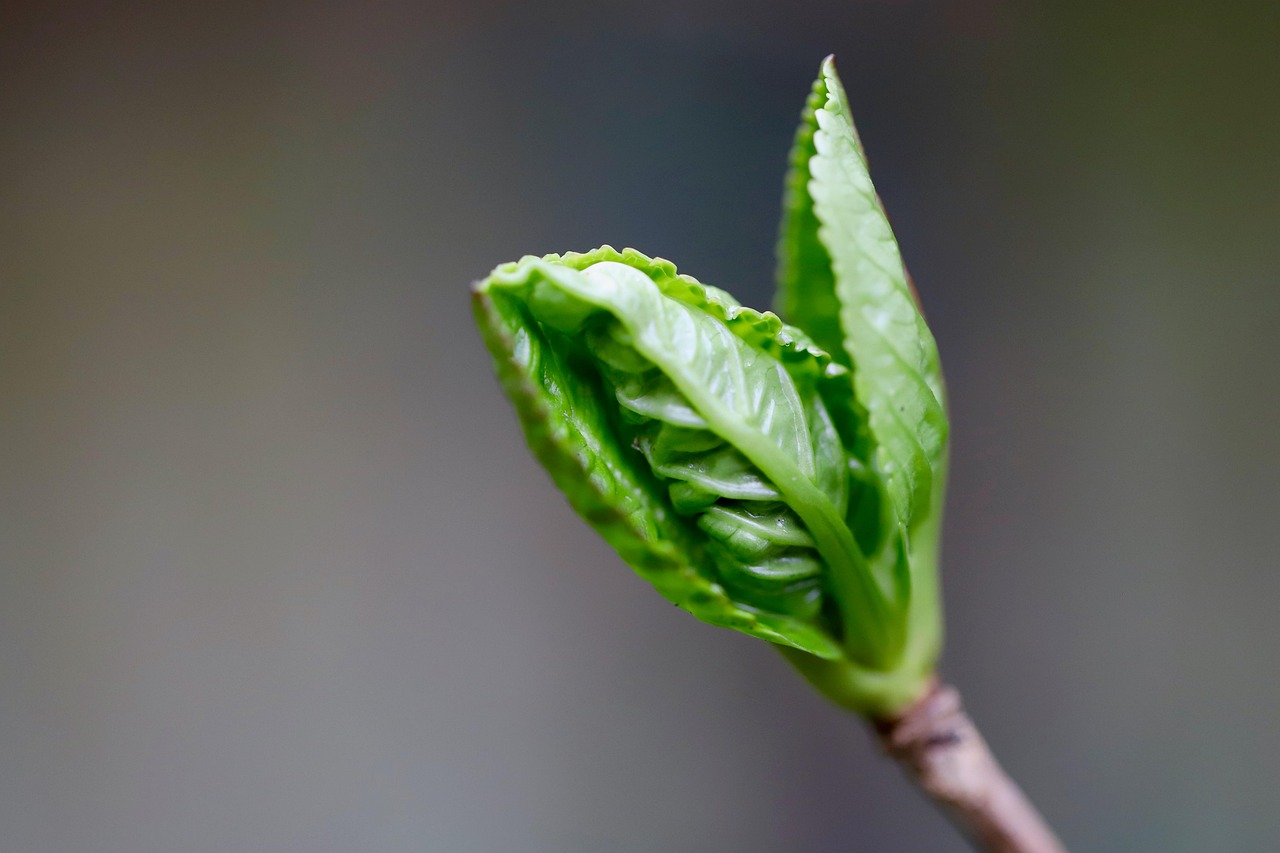
Understanding the Slow Establishment Phase
When you first plant a climbing hydrangea (*Hydrangea anomala petiolaris*), patience is your most important tool. Gardeners often describe the plant’s growth pattern using the phrase: “first year they sleep, second year they creep, and third year they leap.” Understanding this biological timeline is essential to avoid unnecessary worry during the early stages.
During the first two to three years after planting, your hydrangea is not actually stagnant. While you may see little to no vertical progress on your trellis or wall, the plant is working hard beneath the surface. It is prioritizing the development of a deep, robust root system to support the heavy, woody vines that will eventually follow.
To support your plant during this critical establishment phase, focus on these practical care steps:
- Consistent Moisture: Young roots are highly sensitive to drought. Ensure the soil remains consistently moist, but not waterlogged, especially during the first two summers.
- Mulching: Apply a two-inch layer of organic mulch, such as wood chips or shredded bark, around the base of the plant. This helps regulate soil temperature and retains vital moisture.
- Avoid Over-Fertilizing: Do not force growth with high-nitrogen fertilizers. Excessive feeding during the establishment phase can encourage weak, succulent growth that is susceptible to pests and winter damage.
- Patience with Training: Do not try to force the vines to climb before they are ready. Use soft garden twine to gently guide new shoots toward their support structure only when the stems are pliable and long enough to reach.
If your plant appears to be doing nothing for the first few seasons, do not be tempted to dig it up or move it. As long as the stems remain green or pliable when scratched lightly with a fingernail, the plant is alive and healthy. Once the root system is fully established, the hydrangea will suddenly shift its energy toward rapid vertical growth, often adding several feet of length per season. Trust the process and allow the plant the time it needs to anchor itself securely.
Timeline for Vertical Growth and Flowering
Patience is the most essential tool when growing climbing hydrangea (Hydrangea anomala subsp. petiolaris). Unlike fast-growing annual vines, this perennial is famous for its slow, deliberate start. During the first two to three years, the plant focuses almost entirely on developing a robust root system. During this establishment phase, you may notice very little vertical progress, which is completely normal.
Once the roots are settled—typically by the third or fourth year—the vine will shift its energy toward vigorous top growth. At this stage, you will observe longer stems and a noticeable increase in foliage density. While the plant can eventually scale walls or trellises to heights of 30 to 50 feet, reaching this mature size is a long-term commitment that spans many years.
Flowering follows a similar timeline. Most gardeners must wait five to seven years before the plant produces its signature white, lace-cap blooms. To encourage healthy growth and eventual flowering, keep these practical care tips in mind:
- Consistent Moisture: Keep the soil consistently moist, especially during the first few years. Mulch around the base to retain water and protect shallow roots from heat.
- Support Systems: Install a sturdy trellis or support structure early. Once the vine begins its rapid growth phase, it becomes heavy and will require significant structural integrity.
- Light Requirements: While they tolerate shade, plants receiving partial sun generally grow more quickly and bloom more reliably than those in deep shade.
- Avoid Over-Pruning: Because climbing hydrangeas bloom on old wood, avoid heavy pruning. If you must prune for size, do so immediately after the flowers fade to avoid cutting off next year’s buds.
By providing steady care and resisting the urge to prune too aggressively, you allow the vine to build the strength necessary to support its impressive, mature form. With proper site selection and patience, your climbing hydrangea will eventually reward your wait with years of structural beauty and fragrant, elegant blooms.
Factors That Influence Growth Rate
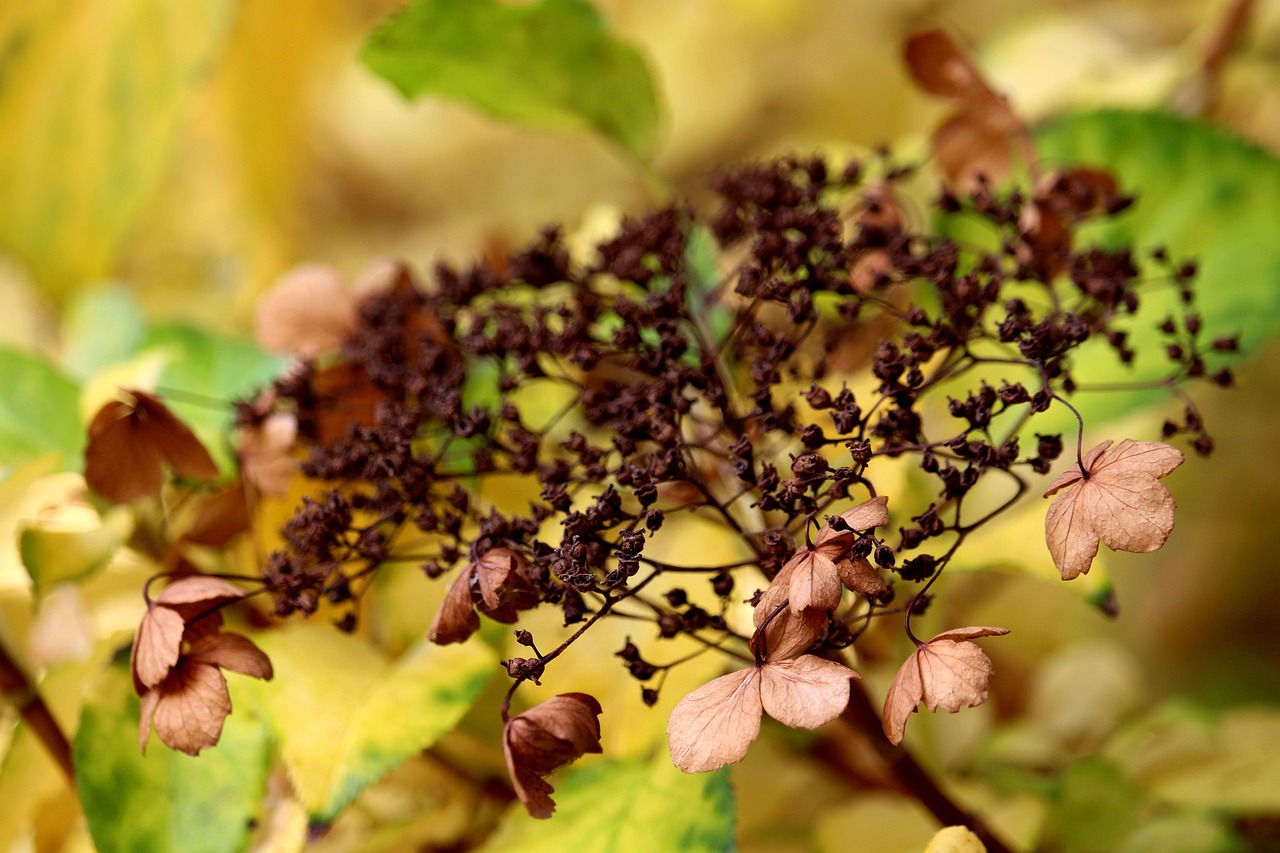
While climbing hydrangeas are notoriously slow to establish, several environmental factors dictate how quickly they transition from their initial “sleep” phase to the vigorous “leap” phase. Understanding these variables allows you to optimize your garden conditions and encourage faster vertical growth.
Soil quality is the primary foundation for success. These plants thrive in rich, loamy soil that is high in organic matter. While they are relatively adaptable, they perform best in slightly acidic, well-draining soil. If your native soil is heavy clay or compacted, amend it with compost or leaf mold before planting to encourage robust root development.
Light exposure also plays a significant role in growth speed. Unlike many other flowering vines, climbing hydrangeas prefer partial shade. While they can tolerate full sun in cooler northern climates, excessive heat and intense afternoon light can stress the plant, causing it to focus energy on survival rather than upward expansion. Aim for a location that receives bright morning light with protection from the harsh midday sun.
Consistent moisture is the most critical factor during the first three years. Because these plants are establishing their root systems, they are highly sensitive to drought. If the soil dries out completely, the plant will likely stall, significantly delaying its growth trajectory. To maintain steady progress, follow these practical care tips:
- Mulch generously: Apply a two-to-three-inch layer of organic mulch around the base to retain soil moisture and regulate temperature.
- Water deeply: During the first two growing seasons, provide deep, thorough watering once a week, or more frequently during prolonged heatwaves.
- Monitor rainfall: Do not rely solely on irrigation; if you receive significant rainfall, adjust your schedule to prevent waterlogged soil, which can lead to root rot.
By providing a stable, nutrient-rich environment and protecting the plant from environmental stress, you minimize the establishment period. Patience is essential, but consistent care ensures your climbing hydrangea has the resources necessary to begin its rapid ascent once it has fully settled into its new home.
Safety Tips for Training and Pruning
Training a climbing hydrangea is a rewarding process, but it requires careful attention to safety as the vine matures and gains weight. Because these plants can grow quite heavy and develop woody, dense stems, you must prioritize personal protection and structural stability during maintenance.
Before you begin pruning or redirecting vines, equip yourself with the proper gear to prevent common injuries:
- Wear sturdy gardening gloves: These protect your hands from potential skin irritation caused by plant sap and shield your skin from sharp, brittle twigs or hidden thorns.
- Use eye protection: If you are working on overhead branches or clearing dense foliage, wear safety glasses to prevent debris, dust, or stray twigs from causing eye injuries.
- Select sharp, clean tools: Always use bypass pruning shears that have been sanitized. Sharp blades ensure clean cuts that heal quickly, while dull tools can crush stems and cause unnecessary plant stress.
When training your hydrangea onto high walls or trellises, you will likely need a ladder. Safety in this phase is critical to prevent falls and ensure the vine is secured correctly:
Always place your ladder on firm, level ground. If the surface is soft or uneven, use a stabilizer or a wide base board to distribute weight. Never lean too far to one side while reaching for a vine; instead, climb down and reposition the ladder to keep your center of gravity centered between the rails. If possible, have a second person hold the base of the ladder while you are working at heights.
When securing vines to a support, use soft plant ties or garden twine rather than wire, which can cut into the bark as the plant grows. Check these ties annually to ensure they are not restricting the vine’s natural expansion. By taking these precautions, you ensure that your gardening experience remains safe while promoting the long-term health and aesthetic appeal of your climbing hydrangea.

Follow-up Care and When to Seek Help
Once your climbing hydrangea is established, consistent care is the key to encouraging steady growth. In early spring, just as the buds begin to swell, apply a balanced, slow-release organic fertilizer. This provides the nutrients necessary for vigorous stem development without the risk of burning the delicate root system. Avoid over-fertilizing, as excess nitrogen can lead to lush foliage at the expense of flowers.
Moisture management is equally important. Climbing hydrangeas prefer cool, moist roots. Maintain a two-to-three-inch layer of organic mulch, such as shredded bark or compost, around the base of the plant. This layer suppresses weeds, retains soil moisture, and protects the roots from extreme temperature fluctuations during the heat of summer.
If your plant shows no signs of new growth after three years, it is time to investigate potential environmental stressors. Use this checklist to troubleshoot the issue:
- Soil Compaction: Heavy, clay-like soil can suffocate roots. Gently aerate the soil around the drip line to improve oxygen flow.
- Drainage Issues: While these plants enjoy moisture, they do not tolerate “wet feet.” Ensure water drains away from the base rather than pooling.
- Sunlight Exposure: If the plant is in deep, permanent shade, it may lack the energy to push out new growth. Consider if nearby tree canopies have expanded and are blocking too much light.
If you suspect a pest infestation or a fungal disease, resist the urge to apply heavy chemical treatments immediately. Misdiagnosis can often cause more harm than good. Instead, take clear photographs of the affected leaves or stems and contact your local university extension office or a certified arborist. These professionals can provide an accurate diagnosis and suggest the safest, most effective management strategies for your specific region. By focusing on root health and environmental conditions, you provide the best foundation for your climbing hydrangea to thrive for decades to come.

Dedicated team of gardening enthusiasts with years of hands-on experience testing lawn mowers, gardening tools, and outdoor equipment. We help home gardeners and professionals alike make informed buying decisions with honest, thorough reviews. From push mowers to pruning shears, we test it all so you don’t have to. Got a gardening tool you’d like us to review? Get in touch!