
Most hydrangeas take between three to five years to reach full maturity after being planted. While you may see blooms within the first or second year, the shrub requires several growing seasons to develop a robust root system and reach its intended landscape size, depending on the specific variety and your local climate.
Many gardeners wonder how long it takes for a hydrangea to reach maturity. Understanding this growth timeline helps you manage expectations for your landscape design, whether you are starting from a fresh cutting, a nursery container, or a bare-root specimen. Patience is essential, as environmental factors significantly influence how quickly your plants thrive.
To ensure your hydrangeas reach their peak potential, you must provide consistent care throughout their development. In the following sections, we will explore practical tips for soil preparation, optimal watering schedules, and strategic pruning techniques. By mastering these fundamental plant care habits, you can encourage faster growth and more vibrant, long-lasting floral displays.
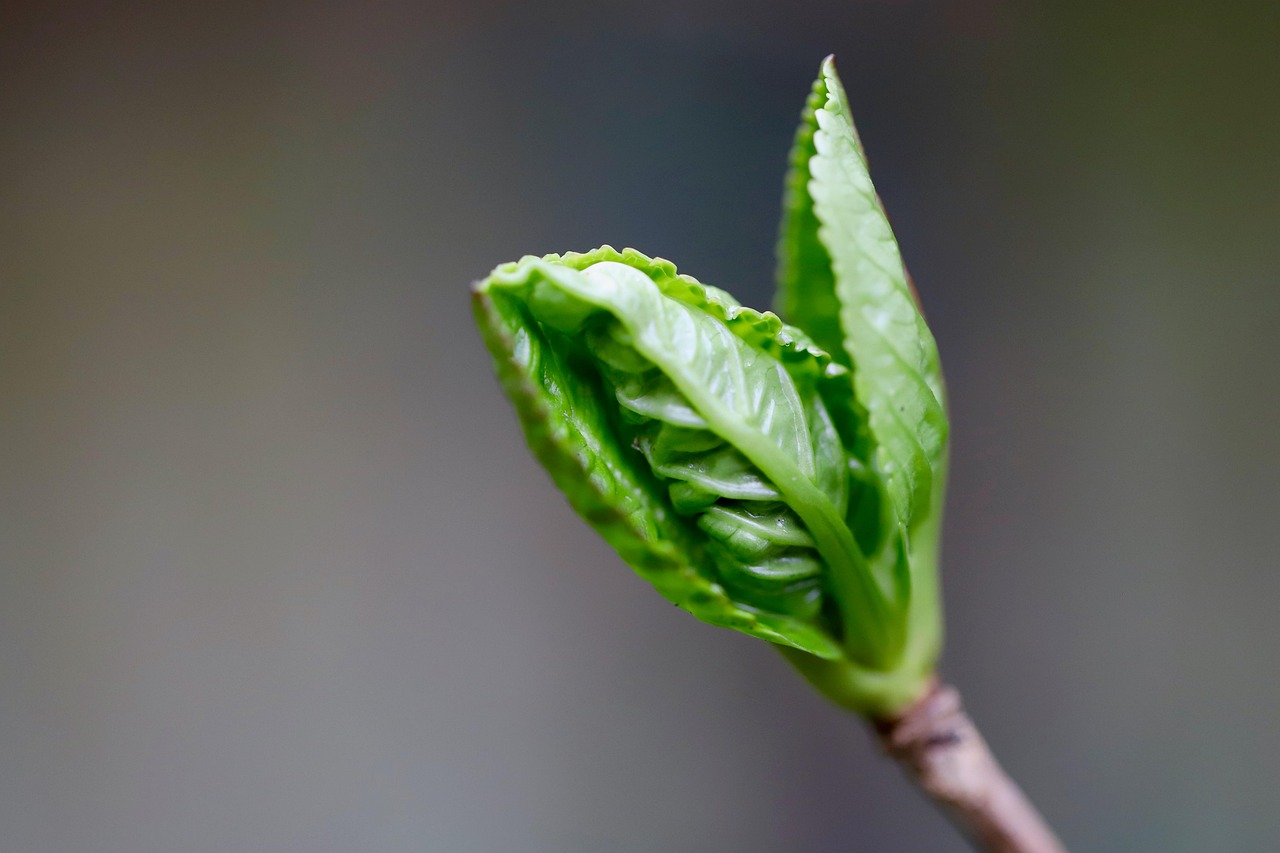
Understanding the Hydrangea Growth Rate
Hydrangeas are generally recognized as moderate to fast growers. Under optimal conditions—including consistent moisture, nutrient-rich soil, and appropriate light exposure—you can expect your hydrangea to add between 12 and 24 inches of height each year. However, this growth rate is not uniform across all varieties, as environmental factors play a significant role in how quickly a plant establishes itself.
While many young hydrangeas are capable of producing their first blooms within the first or second growing season, these initial flowers are often smaller and fewer in number. Reaching full structural maturity—where the shrub displays its intended shape, size, and maximum bloom capacity—typically requires three to five years of consistent care.
To support steady growth and help your hydrangea reach maturity faster, focus on these practical care habits:
- Consistent Hydration: Hydrangeas have high water needs, especially during their first few years. Aim to keep the soil consistently moist but not waterlogged. Deep, weekly soakings are more effective than frequent, shallow watering.
- Strategic Mulching: Apply a 2-to-3-inch layer of organic mulch, such as shredded bark or compost, around the base of the plant. This helps retain soil moisture, regulates root temperature, and suppresses competing weeds.
- Proper Nutrition: Apply a balanced, slow-release fertilizer in early spring as new growth begins. Avoid over-fertilizing with high-nitrogen products, which can encourage excessive leafy growth at the expense of flower production.
- Appropriate Pruning: Understand your specific variety’s needs. Some hydrangeas bloom on “old wood” and should be pruned immediately after flowering, while others bloom on “new wood” and benefit from late winter pruning. Pruning at the wrong time can remove developing buds and stunt the plant’s visual progress for the season.
Patience is essential during the establishment phase. By providing a stable environment during these first few years, you ensure the plant develops a robust root system, which is the foundation for decades of healthy, vigorous growth and reliable seasonal blooms.
Factors That Influence Growth Speed
Hydrangeas are not “one size fits all” when it comes to maturity. While most varieties reach a respectable size within three to five years, several environmental factors dictate whether your plant hits its growth milestones quickly or struggles to establish.
The most significant variable is the specific variety you have chosen. Large-leaf hydrangeas (Hydrangea macrophylla) often grow differently than panicle (Hydrangea paniculata) or smooth (Hydrangea arborescens) types. Always check your plant tag to understand its genetic potential for height and spread.
Beyond genetics, your soil and site selection are paramount. To encourage rapid, healthy growth, prioritize these three elements:
- Soil Quality: Hydrangeas thrive in nutrient-rich, well-draining soil. Incorporating organic matter, such as compost or aged manure, at planting time provides the steady fuel necessary for vigorous root development and foliage production.
- Sun Exposure: Most hydrangeas prefer a “Goldilocks” environment. Aim for a location that receives bright morning sun but is protected by dappled shade during the intense heat of the afternoon. Too much sun can scorch leaves, while too much shade often results in leggy growth and fewer blooms.
- Consistent Moisture: As their name implies, hydrangeas are moisture-loving plants. If the soil is allowed to dry out completely, the plant will enter a stress response, which significantly stunts growth.
Watering is the most critical maintenance task for a young hydrangea. During the first two years, keep the soil consistently moist but not waterlogged. A two-inch layer of organic mulch, such as shredded bark, is highly recommended. Mulching serves two vital purposes: it suppresses competing weeds and acts as an insulator to retain soil moisture during dry spells. By stabilizing the root zone temperature and moisture levels, you provide the ideal conditions for the plant to focus its energy on upward growth rather than basic survival. If you notice wilting leaves despite regular watering, check the soil depth; deep, infrequent soaking is far more effective than frequent, shallow sprinkling.

From Planting to First Blooms
The time it takes for a hydrangea to produce its first blooms depends largely on how you start your plant. If you purchase a established nursery-grown hydrangea, you can often enjoy flowers within the first year of planting. These plants are already mature enough to focus their energy on bloom production rather than just root development.
Conversely, if you are propagating from cuttings or starting from seeds, you will need to practice patience. It typically takes two to three years for these plants to become sufficiently established to produce significant, healthy blooms. During this time, the hydrangea is prioritizing structural growth and root system expansion.
To help your young hydrangea reach its flowering potential as quickly as possible, focus on these essential care practices:
- Consistent Moisture: Hydrangeas require deep watering, especially during their first two years. Keep the soil consistently moist but never waterlogged.
- Strategic Fertilization: Apply a balanced, slow-release fertilizer in early spring. Avoid over-fertilizing with high-nitrogen products, as this encourages lush foliage at the expense of flower buds.
- Proper Placement: Most hydrangeas prefer morning sun and afternoon shade. Excessive heat or direct midday sun can stress a young plant, delaying its ability to bloom.
- Mulching: Apply a two-inch layer of organic mulch around the base to retain soil moisture and regulate temperature. Keep the mulch a few inches away from the main stem to prevent rot.
- Avoid Pruning Errors: Many hydrangea varieties bloom on “old wood” (growth from the previous year). Pruning at the wrong time can accidentally remove the developing flower buds, setting your plant back by an entire season. Always research your specific cultivar to determine the correct pruning window.
By providing a stable environment and protecting the plant from environmental stress, you encourage the hydrangea to allocate its resources toward producing those iconic, vibrant blooms as soon as it reaches maturity.
Safety and Maintenance Tools
Proper maintenance is essential for the long-term health and vigor of your hydrangeas. Using the right equipment not only makes the job easier but also protects the plant from unnecessary stress and disease. Always prioritize high-quality, sharp tools to ensure your garden remains a healthy environment.
When pruning or shaping your shrubs, select a sharp, clean pair of bypass pruners. Unlike anvil pruners, which can crush delicate stems, bypass blades act like scissors to create clean, precise cuts. These clean wounds heal rapidly, significantly reducing the risk of fungal infections or pest infestations entering the plant tissue.
To ensure your safety while working in the garden, keep the following gear on hand:
- Gardening Gloves: Wear thick, durable gloves to protect your hands from potential skin irritation caused by hydrangea leaves or sap, and to prevent scratches from hidden woody thorns.
- Safety Glasses: If you are clearing dense, overgrown, or woody branches, always wear safety glasses. This simple precaution prevents eye injuries caused by twigs that may snap back unexpectedly during the pruning process.
- Disinfectant Solution: Keep a spray bottle of rubbing alcohol or a mild bleach solution nearby. Wipe your blades between cuts, especially if you are pruning multiple plants, to prevent the accidental spread of pathogens from one shrub to another.
Before you begin, inspect your hydrangea for any dead, damaged, or diseased wood. Removing these sections first allows you to see the plant’s structure clearly, ensuring you do not accidentally remove healthy, flower-producing stems. Always make your cuts at a slight angle just above a healthy leaf node, which encourages outward growth and improves airflow through the center of the shrub.
By maintaining your tools and following these simple safety protocols, you minimize physical risk to yourself and promote a robust growth cycle for your hydrangeas. Consistent, careful maintenance is the most effective way to ensure your plants thrive for years to come.

Common Questions and Long-Term Care
If your hydrangea seems stuck in a growth plateau, the issue is rarely a lack of effort but rather a mismatch in environmental conditions. The most common culprits are soil pH imbalances and inconsistent moisture. Hydrangeas thrive in rich, well-draining soil that stays consistently damp but not waterlogged. If your plant is wilting despite regular watering, check the soil depth; the roots may be struggling to access moisture in compacted or overly sandy ground.
To support long-term vigor, follow these essential maintenance steps:
- Fertilization: Apply a balanced, slow-release fertilizer once in early spring as new growth emerges. Avoid over-fertilizing late in the season, which can encourage tender growth that is susceptible to winter frost.
- Pruning: Timing is critical. Prune your hydrangea immediately after the blooms fade. Avoid heavy pruning in late winter, as you may accidentally remove the flower buds for the coming season.
- Mulching: Apply a two-inch layer of organic mulch around the base to retain soil moisture and regulate temperature, ensuring you keep the mulch a few inches away from the main stems to prevent rot.
Soil pH plays a significant role in both health and appearance. For Hydrangea macrophylla, the pH level dictates flower color—acidic soil produces blue blooms, while alkaline soil results in pink. If you are struggling to achieve growth or color, a simple soil test kit from a garden center can provide the data you need to make necessary amendments.
If you have addressed these factors and still notice persistent wilting, stunted leaves, or a complete lack of seasonal growth, do not assume the plant is beyond saving. Contact your local university cooperative extension office. They can provide specific guidance on identifying soil-borne diseases or localized pest infestations that might not be visible to the naked eye. Professional diagnostic testing is the safest way to ensure your garden remains a healthy, thriving environment for years to come.

Dedicated team of gardening enthusiasts with years of hands-on experience testing lawn mowers, gardening tools, and outdoor equipment. We help home gardeners and professionals alike make informed buying decisions with honest, thorough reviews. From push mowers to pruning shears, we test it all so you don’t have to. Got a gardening tool you’d like us to review? Get in touch!