
Neem oil typically lasts for up to two years when stored in a cool, dark environment. Once mixed with water, however, its potency degrades rapidly, meaning you should use your solution within eight hours for maximum effectiveness. Understanding these specific timelines is essential for maintaining a healthy, pest-free home garden throughout the growing season.
While neem oil is a staple in organic gardening, its overall effectiveness depends heavily on proper storage and shelf life. Exposure to direct sunlight, extreme heat, or freezing temperatures will break down the active compounds, rendering the oil useless against common plant pests. Always check your bottle for a manufacturing date to ensure you are applying a reliable product.
In this guide, we will help you determine if your current stock is still potent and explain how to store it correctly to ensure your plants get the best protection. We will also cover signs of spoilage and provide practical tips for mixing batches efficiently. Follow these expert recommendations to keep your garden thriving and your pest management strategy consistent and effective.

Understanding the Shelf Life of Neem Oil
Most commercially available neem oil products remain effective for approximately two years when stored under ideal conditions. However, the exact duration depends heavily on the specific formulation. Raw, cold-pressed neem oil is more susceptible to degradation than highly refined extracts, which often contain stabilizers to extend their potency.
Always prioritize the manufacturer’s expiration date printed on the bottle as your primary guide. If a product has passed this date, it may lose its efficacy as a pesticide or fungicide, meaning it will no longer protect your garden effectively.
To maximize the shelf life of your neem oil, you must protect it from environmental stressors. Follow these storage best practices:
- Keep it cool: Store your bottle in a temperature-controlled environment, ideally between 65°F and 80°F (18°C–26°C). Avoid garages or sheds that experience extreme heat or freezing temperatures.
- Block the light: Neem oil is photosensitive. Keep the container in a dark cupboard or a light-proof box to prevent UV degradation.
- Seal tightly: Ensure the cap is screwed on firmly after every use to prevent oxidation, which can cause the oil to turn rancid.
- Avoid contamination: Never dip dirty tools into your concentrate. Always pour the required amount into a separate measuring vessel to keep the primary supply pure.
You can often tell if neem oil has expired by performing a quick sensory check. Fresh neem oil typically has a pungent, earthy, or garlicky scent. If the product develops an intensely rancid or “off” smell, or if the consistency changes significantly—such as becoming chunky or separating into layers that will not emulsify even after vigorous shaking—it is best to discard it.
Remember that once you mix neem oil with water for a spray application, the solution begins to break down almost immediately. Only mix as much as you intend to use in a single session. Any diluted mixture left in a sprayer for more than eight hours will lose its potency and should be disposed of safely.
How to Tell if Your Neem Oil Has Expired
Neem oil is a natural product, which means it does not last indefinitely. Over time, the chemical compounds break down, rendering the oil ineffective as a pest deterrent or fungicide. To ensure your garden treatments remain potent and safe, you should inspect your bottle before every use.
The most reliable way to gauge the quality of your neem oil is through a sensory check. Fresh, high-quality cold-pressed neem oil typically has a strong, earthy scent often described as a mix of garlic, sulfur, and peanut. If the oil develops a sharp, rancid, or unusually foul odor that differs from its original pungent profile, it has likely oxidized and should be discarded.
Beyond the smell, pay close attention to the physical consistency of the product. You can identify expired neem oil by looking for these specific signs:
- Texture changes: If the oil has become excessively thick, gelatinous, or contains hard, waxy clumps that do not dissolve, the chemical structure has degraded.
- Emulsification failure: When mixed with warm water and a surfactant (like dish soap), neem oil should turn into a milky white emulsion. If it remains separated or forms oily globules on the surface, it is no longer stable.
- Color shifts: While neem oil naturally varies from golden yellow to dark brown, a sudden change to a murky, dull, or grayish hue often indicates spoilage.
- Contamination: Any visible mold growth, fuzzy patches, or debris inside the bottle are clear indicators that the product is compromised and potentially harmful to your plants.
If you notice any of these signs, do not attempt to use the oil. Applying degraded neem oil can be ineffective at best and may cause phytotoxicity—such as leaf burn or stunted growth—due to the unpredictable nature of the broken-down compounds. When in doubt, it is always safer to dispose of the old batch and purchase a fresh supply to protect the health of your garden.
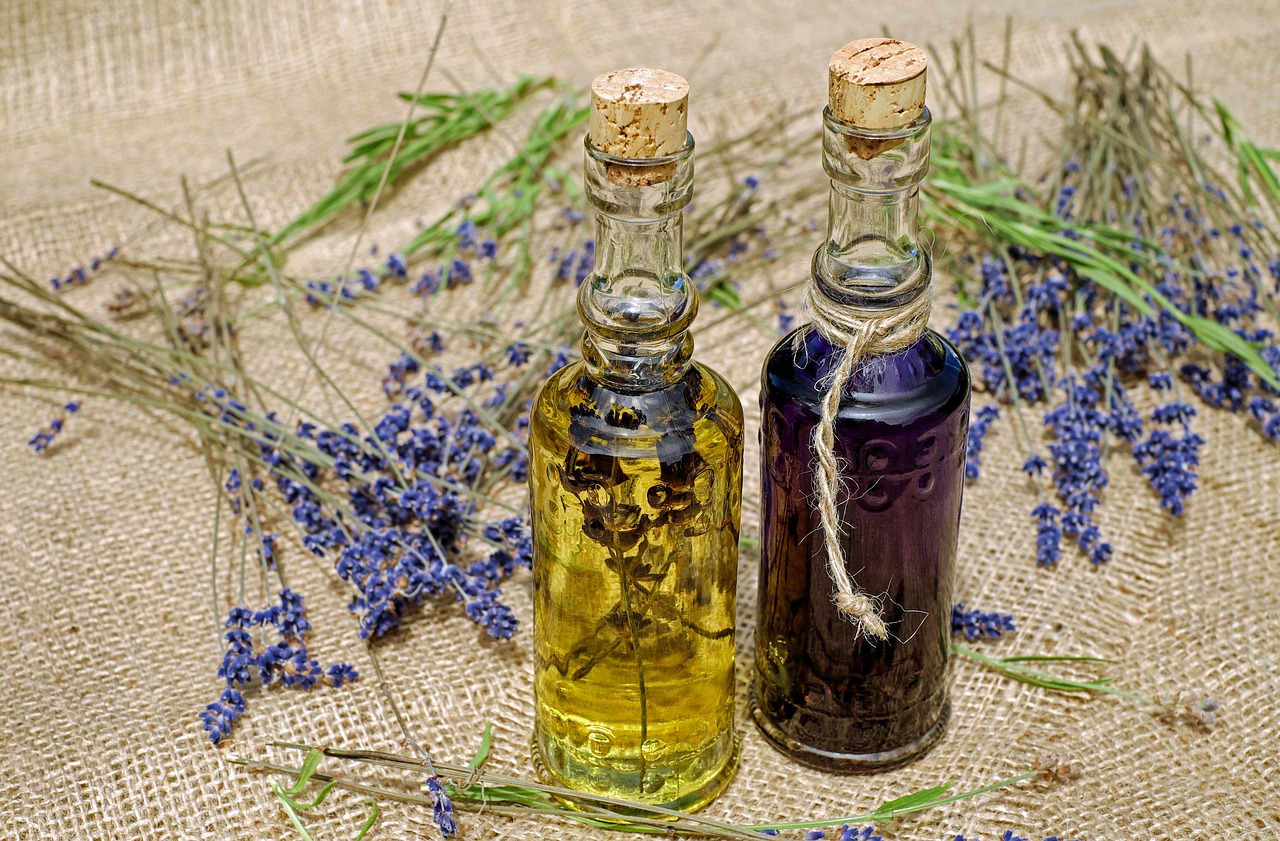
Proper Storage Techniques to Maximize Potency
To ensure your neem oil remains effective for pest control and plant health, how you store it is just as important as the quality of the product you purchase. Neem oil is a biological product containing active compounds, specifically azadirachtin, which are sensitive to environmental stressors. If stored incorrectly, these compounds degrade, rendering the oil significantly less potent.
For maximum longevity, follow these storage best practices:
- Maintain a Stable Environment: Keep your neem oil in a cool, dark, and dry location. A pantry, cupboard, or basement shelf away from windows is ideal.
- Avoid Temperature Extremes: Never store neem oil in areas prone to intense heat, such as a garden shed in summer, or where it might freeze. Extreme temperatures can cause the oil to separate or lose its chemical stability.
- Prevent Oxidation: Oxygen exposure accelerates the breakdown of neem oil. Always ensure the cap is screwed on tightly immediately after each use. If you are using a large container, consider transferring smaller amounts into a dark glass bottle to minimize the amount of air inside the headspace.
- Protect from Light: Direct sunlight is a primary enemy of neem oil. Always store it in its original opaque container or an amber-colored glass bottle to block UV rays.
Safety should also be a priority when organizing your gardening supplies. Because neem oil is a concentrated botanical extract, it should always be stored in a secure location completely out of reach of children and household pets. While it is generally considered a low-toxicity option for organic gardening, accidental ingestion or contact can still cause irritation.
Finally, check the consistency of your oil before each use. If the oil was stored in a cool area, it may solidify or turn cloudy; this is normal. Simply place the container in a bowl of warm water for a few minutes to return it to a liquid state. If the oil develops a rancid, foul odor, it has likely oxidized and should be discarded.
Safety Precautions for Handling and Mixing
Neem oil is a natural, effective tool for pest management, but it remains a concentrated botanical product that requires careful handling. To protect your skin and eyes from potential irritation, always wear chemical-resistant gloves and protective eyewear before opening the bottle or mixing your solution.
When preparing your mixture, prioritize safety by following these essential steps:
- Work in a well-ventilated area: Avoid mixing or applying neem oil in enclosed spaces, such as a small shed or garage, to prevent the inhalation of concentrated vapors.
- Avoid mist inhalation: Even though neem oil is organic, breathing in fine mists can irritate your respiratory tract. Always spray with the wind at your back to ensure the product moves away from you.
- Check your equipment: If you are using a pressurized sprayer, inspect the nozzle for clogs before you begin. A blocked nozzle can cause back-pressure, leading to dangerous blowback that may spray the mixture onto your face or clothing.
- Maintain hygiene: Once you have finished your application, wash your hands and any exposed skin thoroughly with soap and water. Remove and wash clothing that may have come into contact with the spray.
Proper storage is just as vital as careful application. Keep your neem oil in its original container, tightly sealed, and stored in a cool, dark place away from direct sunlight and extreme temperatures. Because neem oil can degrade when exposed to heat or UV light, proper storage ensures the product remains stable and effective for its full shelf life.
Finally, always keep neem oil products out of the reach of children and pets. While it is safer than many synthetic pesticides, ingestion can be harmful. If you accidentally spill the concentrate on your skin, wash the area immediately with plenty of soap and water. If the oil makes contact with your eyes, flush them with clean water for at least 15 minutes and seek medical advice if irritation persists.

Common Questions and Best Practices for Use
Once you have mixed neem oil with water, you must use the solution within 8 to 24 hours. Neem oil begins to degrade rapidly once it is diluted, losing its efficacy and potentially separating, which can clog your spray nozzle. Because the active compounds break down when exposed to water, never store a pre-mixed batch for future use.
To ensure you get the best results from your application, follow these practical handling tips:
- Mix only what you need: Calculate the amount required for a single application to avoid waste.
- Use room temperature water: Cold water can cause the neem oil to solidify, making it difficult to spray evenly.
- Agitate frequently: Neem oil and water do not naturally stay emulsified. Shake your sprayer periodically during application to keep the mixture consistent.
- Apply during cooler hours: Spray in the early morning or late evening to prevent leaf burn and to ensure the oil remains effective on the plant surface for longer.
If you notice that your plants are not responding to treatment, or if you encounter persistent pest infestations despite following proper application protocols, do not simply increase the concentration of the oil. Over-applying neem oil can stress foliage and cause phytotoxicity, especially in direct sunlight.
Instead, take a step back and evaluate the environment. If the issue remains unresolved, consult with a local agricultural extension office or a professional horticulturist. They can help you rule out other plant health issues, such as nutrient deficiencies, fungal pathogens, or environmental stressors that may mimic pest damage. Professional guidance ensures you are targeting the root cause rather than repeatedly applying treatments that may not be appropriate for the specific problem at hand.
Always keep your concentrated neem oil stored in a cool, dark place, away from direct sunlight and extreme temperatures, to maintain its shelf life for as long as possible before mixing.

Dedicated team of gardening enthusiasts with years of hands-on experience testing lawn mowers, gardening tools, and outdoor equipment. We help home gardeners and professionals alike make informed buying decisions with honest, thorough reviews. From push mowers to pruning shears, we test it all so you don’t have to. Got a gardening tool you’d like us to review? Get in touch!