
Hydrangeas are remarkably easy to grow, making them a popular choice for both beginner and experienced gardeners. These stunning landscape staples are generally low-maintenance plants that thrive with minimal intervention once established in the right spot. If you provide them with consistent moisture and the correct light, they will reward you with dramatic, long-lasting blooms.
While hydrangeas are manageable, they do have specific preferences that dictate their overall health and flowering success. Understanding the balance between sunlight and shade is crucial, as is maintaining soil moisture during dry summer months. By setting realistic expectations regarding their water and location needs, you can easily avoid the most common pitfalls of hydrangea care.
In this guide, we explore the reality of growing hydrangeas, detailing the specific conditions they need to flourish in your backyard. We provide practical tips on choosing the right variety, proper planting techniques, and simple maintenance routines. Follow these straightforward steps to ensure your shrubs remain vibrant, healthy, and a beautiful focal point of your home garden.
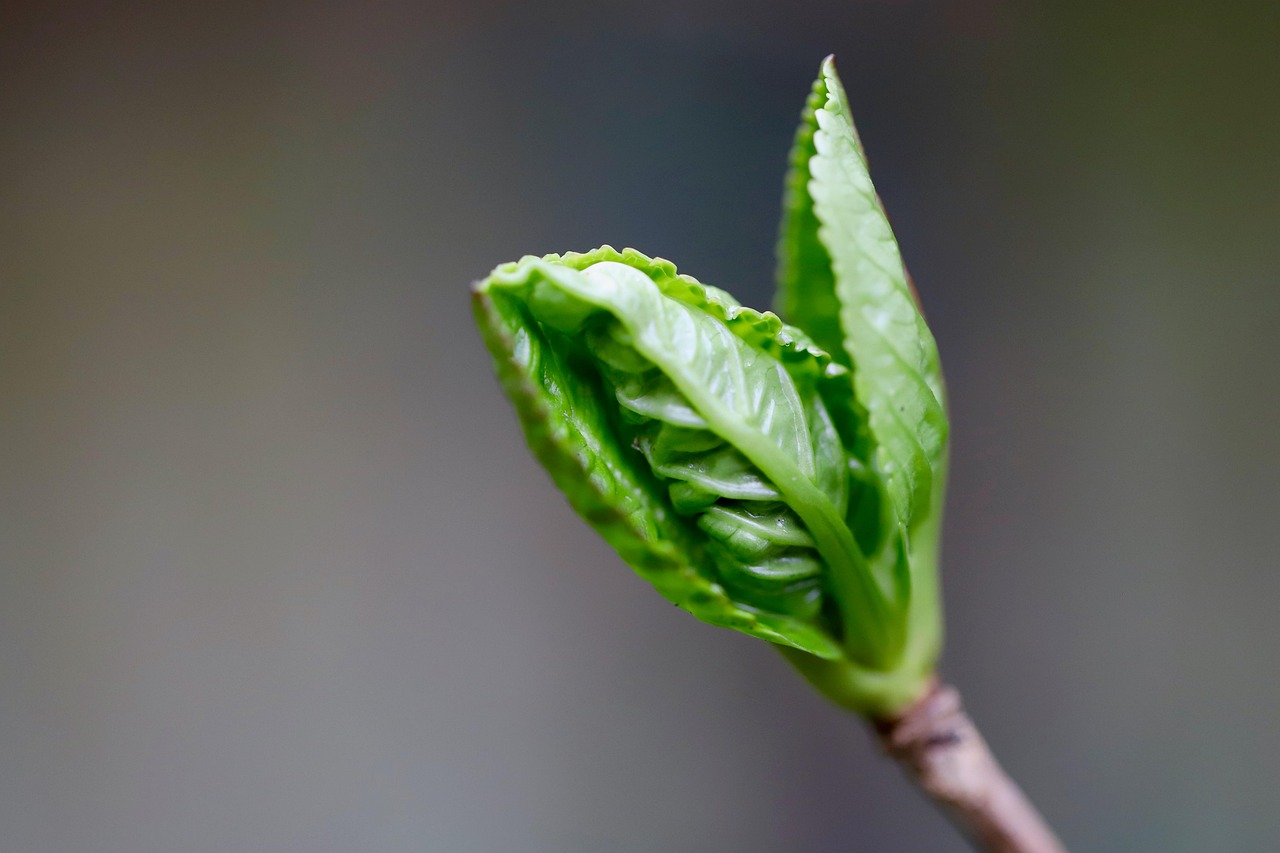
Understanding the Ease of Growing Hydrangeas
Many gardeners view hydrangeas as high-maintenance shrubs, but they are actually quite resilient when placed in the right environment. Their reputation for being difficult often stems from planting them in unsuitable spots rather than the plants being inherently fragile. If you provide the basic conditions they crave, hydrangeas will reward you with lush foliage and vibrant blooms year after year.
The secret to effortless success lies in selecting a variety suited to your specific hardiness zone. Before purchasing, check the plant tag to ensure it will thrive in your local climate. Once you have the right variety, focus on these three foundational elements:
- Sunlight: Most hydrangeas prefer morning sun and afternoon shade. In cooler northern climates, they can often handle more direct sun, while in hot southern regions, they require significant protection from the harsh afternoon heat.
- Soil Moisture: These plants are aptly named for their love of water. They perform best in consistently moist, well-draining soil. If your soil is sandy and dries out quickly, add organic matter like compost to improve water retention.
- Drainage: While they love moisture, hydrangeas dislike “wet feet.” Avoid planting them in low-lying areas where water pools after a rainstorm, as this can lead to root rot.
For beginners, the Bigleaf hydrangea (Hydrangea macrophylla) is a classic choice, but if you live in an area with unpredictable spring frosts, consider the Panicle hydrangea (Hydrangea paniculata). Panicle varieties are exceptionally hardy, bloom on new wood, and are generally more forgiving of environmental fluctuations.
To keep your plants thriving with minimal effort, apply a two-to-three-inch layer of mulch around the base. This simple step suppresses weeds, keeps the roots cool, and helps maintain the soil moisture levels they require. By choosing the correct location and providing this initial care, you will find that hydrangeas are among the most rewarding and easy-to-grow shrubs in the home landscape.
Essential Requirements for Healthy Hydrangeas
Hydrangeas are remarkably rewarding plants, but their ease of growth depends entirely on meeting three fundamental needs: light, water, and soil quality. By balancing these pillars, you create an environment where these shrubs can thrive with minimal intervention.
Light: Finding the Sweet Spot
Most hydrangea varieties prefer a location that receives bright, gentle morning sun followed by cooling afternoon shade. Intense, direct afternoon sunlight can scorch the leaves and cause the blooms to wilt prematurely. If your garden is consistently hot, prioritize a spot with filtered light or dappled shade throughout the day to keep the plant stress-free.
Water: Maintaining Consistent Hydration
The name “hydrangea” is derived from the Greek word for water, which highlights their primary requirement. These plants have shallow root systems that dry out quickly. To keep them healthy, aim to keep the soil consistently moist but never waterlogged. If you notice the leaves drooping, it is a clear sign the plant needs a deep soak. Applying a two-to-three-inch layer of organic mulch around the base will help retain soil moisture and regulate ground temperature during the heat of summer.
Soil: Creating the Foundation
Hydrangeas flourish in rich, fertile, and well-draining soil. They dislike “wet feet,” so avoid planting them in low-lying areas where water pools after rain. Before planting, amend your native soil with organic matter, such as compost or aged manure, to improve nutrient content and drainage.
To ensure your hydrangeas remain vigorous, follow these simple maintenance steps:
- Test your drainage: If your soil is heavy clay, plant your hydrangea on a slight mound or amend the area heavily with compost to prevent root rot.
- Water at the base: Always direct your hose or watering can at the soil rather than the foliage to prevent fungal issues like powdery mildew.
- Monitor pH: Remember that soil acidity affects bloom color in many varieties, so test your soil if you are aiming for specific shades of blue or pink.

Safe Pruning Practices and Tool Maintenance
Pruning hydrangeas is essential for maintaining plant health and encouraging vibrant blooms, but timing depends entirely on the variety you grow. Most hydrangeas fall into two categories: those that bloom on “old wood” (last year’s growth) and those that bloom on “new wood” (current season’s growth).
Bigleaf, oakleaf, and mountain hydrangeas typically bloom on old wood. Prune these immediately after their flowers fade in mid-summer. If you wait until autumn or winter, you risk cutting off next year’s flower buds. Conversely, panicle and smooth hydrangeas bloom on new wood. These are best pruned in late winter or very early spring before new growth emerges.
Regardless of the variety, always prioritize safety and tool hygiene to ensure your plants thrive:
- Wear protective gear: Always wear sturdy, thick gardening gloves. This protects your hands from rough, woody stems and any hidden thorns or debris.
- Maintain sharp tools: Use high-quality, sharp pruning shears. Dull blades crush stems rather than slicing through them, which creates jagged wounds that invite pests and rot.
- Sanitize between plants: Wipe your blades with a solution of 70% isopropyl alcohol or a household disinfectant between each plant. This simple step prevents the accidental transmission of viruses, fungi, and bacteria.
- Keep hands clear: Always keep your non-dominant hand well away from the blade path. Never place your fingers near the cutting zone to steady a branch while you snip.
When making cuts, aim for a 45-degree angle just above a healthy leaf node or bud. This slope prevents water from pooling on the cut surface, which significantly reduces the risk of fungal infections. If you are unsure about a specific stem, start by removing only dead, damaged, or diseased wood. This “clean-up” pruning is safe for all hydrangea types at any time of year and helps the plant focus its energy on healthy, productive growth.
Common Challenges and How to Solve Them
Even with their reputation for being low-maintenance, hydrangeas can occasionally struggle. Most issues stem from environmental stressors, but they are usually easy to correct with a few targeted adjustments.
If your hydrangea fails to bloom, the culprit is often improper pruning or late-season frost. Many popular varieties, like Bigleaf hydrangeas, set their flower buds on “old wood” from the previous year. If you prune them in late winter or spring, you accidentally remove next summer’s flowers. To solve this, wait until immediately after the blossoms fade to prune, or choose “reblooming” varieties that flower on both old and new growth.
Leaf scorch is another common complaint, typically appearing as brown, crispy edges during the heat of summer. This is a sign of water stress. Hydrangeas have shallow root systems that dry out quickly. You can prevent this by:
- Applying a two-to-three-inch layer of organic mulch, such as shredded bark or pine straw, around the base to retain soil moisture.
- Watering deeply at the root zone in the early morning rather than sprinkling the foliage.
- Ensuring the plant receives afternoon shade if you live in a region with intense heat.
Gardeners often want to manipulate flower color, which is tied directly to soil pH. If your blue hydrangeas are turning pink, your soil is likely too alkaline. Adding aluminum sulfate can lower the pH to encourage those deep blues. Conversely, if you prefer pink blooms, adding garden lime can raise the pH. Always perform a soil test before adding amendments to avoid damaging the plant.
Finally, keep an eye out for pests like aphids or spider mites. Rather than reaching for harsh chemical pesticides, which can harm beneficial pollinators, start with a gentle approach. A steady stream of water from a garden hose is often enough to dislodge aphids. For more persistent infestations, insecticidal soap or neem oil applied in the evening are effective, safer alternatives that protect the health of your garden ecosystem.

Frequently Asked Questions and Ongoing Care
Hydrangeas are remarkably resilient, but they still require proactive care to thrive through seasonal shifts. While they are generally low-maintenance, consistent monitoring during extreme weather is the key to long-term success.
Winter Protection
In colder climates, late spring frosts are the biggest threat to flowering buds. If a sudden freeze is forecasted after your plant has begun to leaf out, cover your hydrangeas with burlap or frost cloth overnight. Avoid using plastic, which can trap moisture and damage delicate new growth. Adding a layer of mulch around the base also helps regulate soil temperature and protects the root system.
Fertilizer Timing
Timing is everything when it comes to feeding. Apply a balanced, slow-release fertilizer once in early spring, just as the leaf buds begin to swell. Avoid fertilizing after mid-summer. Feeding your plants late in the season encourages a flush of tender growth that will not have enough time to harden off before the first frost, making the plant susceptible to winter damage.
When to Seek Professional Advice
Even experienced gardeners encounter issues that require expert input. You should consult a local nursery or your county’s cooperative extension office if you notice the following:
- Persistent wilting despite adequate soil moisture, which may indicate root rot or soil-borne pathogens.
- Unusual leaf spotting or powdery mildew that does not respond to improved air circulation.
- A complete lack of blooms for multiple consecutive years, which often points to improper pruning timing or climate-specific variety issues.
Your local extension office is an invaluable resource because they understand the specific soil pH and microclimates of your region. They can provide precise guidance on whether your hydrangea variety—such as a Bigleaf or Panicle type—is struggling due to environmental stress or a pest infestation. By staying observant and addressing these minor needs throughout the year, you ensure your hydrangeas remain a sturdy, vibrant centerpiece in your landscape for seasons to come.

Dedicated team of gardening enthusiasts with years of hands-on experience testing lawn mowers, gardening tools, and outdoor equipment. We help home gardeners and professionals alike make informed buying decisions with honest, thorough reviews. From push mowers to pruning shears, we test it all so you don’t have to. Got a gardening tool you’d like us to review? Get in touch!