
To use neem oil effectively, mix one teaspoon of raw, cold-pressed neem oil with a half-teaspoon of mild liquid soap and one quart of warm water. Shake this mixture thoroughly in a spray bottle before applying it directly to the leaves of your plants to combat common garden pests and fungal issues.
While neem oil is a powerful organic solution, it is not a magical cure-all for every garden problem. It works best as a preventative measure or a treatment for mild infestations. Always test the solution on a small area first to ensure your specific plants do not have a negative reaction to the treatment.
In the following sections, we provide a comprehensive guide on how to properly dilute, apply, and store your neem oil for maximum effectiveness. You will learn the best times of day to spray, how often to reapply for consistent protection, and essential safety tips to keep your home garden ecosystem thriving and healthy.

Understanding What Neem Oil Does for Your Garden
Neem oil is a versatile, naturally derived product that serves as a cornerstone for integrated pest management in home gardens. Unlike harsh synthetic pesticides that kill on contact, neem oil works primarily through systemic and hormonal disruption. When insects like aphids, mites, and whiteflies ingest or come into contact with treated foliage, the oil acts as an antifeedant and growth regulator. It effectively confuses the insect’s life cycle, preventing them from feeding, molting, and reproducing, which gradually reduces the population size over time.
Beyond its insecticidal properties, neem oil offers a protective barrier against common fungal issues. It is particularly effective at managing powdery mildew, a frequent nuisance for gardeners growing squash, cucumbers, and roses. By coating the leaves, the oil inhibits the germination of fungal spores, helping to keep your plants healthy and vibrant.
It is important to view neem oil as a preventative tool rather than a “quick-fix” pesticide. Because it does not provide an instant knockdown effect, consistency is the key to success. To get the best results, incorporate these practices:
- Start early: Apply neem oil at the first sign of pests or during the early stages of the growing season to prevent infestations from gaining a foothold.
- Maintain a schedule: Regular applications, typically every 7 to 14 days, are necessary to maintain a protective layer on new plant growth.
- Target timing: Always apply in the early morning or late evening. Applying during the heat of the day can cause leaf burn, and avoiding midday helps protect beneficial pollinators that are most active when the sun is high.
By using neem oil as part of a proactive maintenance routine, you create a more resilient garden environment. While it requires patience and dedication, this approach is a safer, more sustainable way to manage common garden threats without disrupting the delicate balance of your local ecosystem.
Essential Safety Precautions and Protective Gear
Before you begin your application, prioritize your personal safety. While neem oil is a natural, organic product, it can still cause irritation to sensitive skin or eyes if mishandled. Always wear a long-sleeved shirt, pants, and waterproof gloves to ensure the solution does not come into direct contact with your skin. Additionally, wear safety goggles to protect your eyes from accidental splashes or fine mist during the spraying process.
Environmental conditions play a critical role in both the effectiveness of the treatment and the safety of your garden. Follow these guidelines to ensure a successful application:
- Avoid windy days: Never apply neem oil when it is breezy. Wind causes the spray to drift away from your target plants, potentially exposing you to the mist or affecting beneficial insects and neighboring non-target plants.
- Time your application carefully: Apply neem oil during the early morning or late evening. Never spray in direct, intense sunlight. The oil can act as a magnifying glass on wet leaves, leading to severe leaf burn and plant stress.
- Test a small area: Before treating an entire plant, spray a single leaf or a small section first. Wait 24 hours to ensure the plant does not show signs of phytotoxicity (wilting or browning) before proceeding with a full application.
Proper preparation prevents common mistakes. If you are using a concentrated formula, always mix it with water according to the manufacturer’s instructions on the label. Using a concentration that is too high can damage foliage regardless of the time of day. Once mixed, use the solution immediately, as it breaks down quickly once combined with water.
Finally, keep children and pets away from the area while you are spraying. Allow the product to dry completely on the foliage before letting anyone or any animals back into the treated space. By following these simple precautions, you can effectively manage pests while keeping your garden healthy and your application process safe.
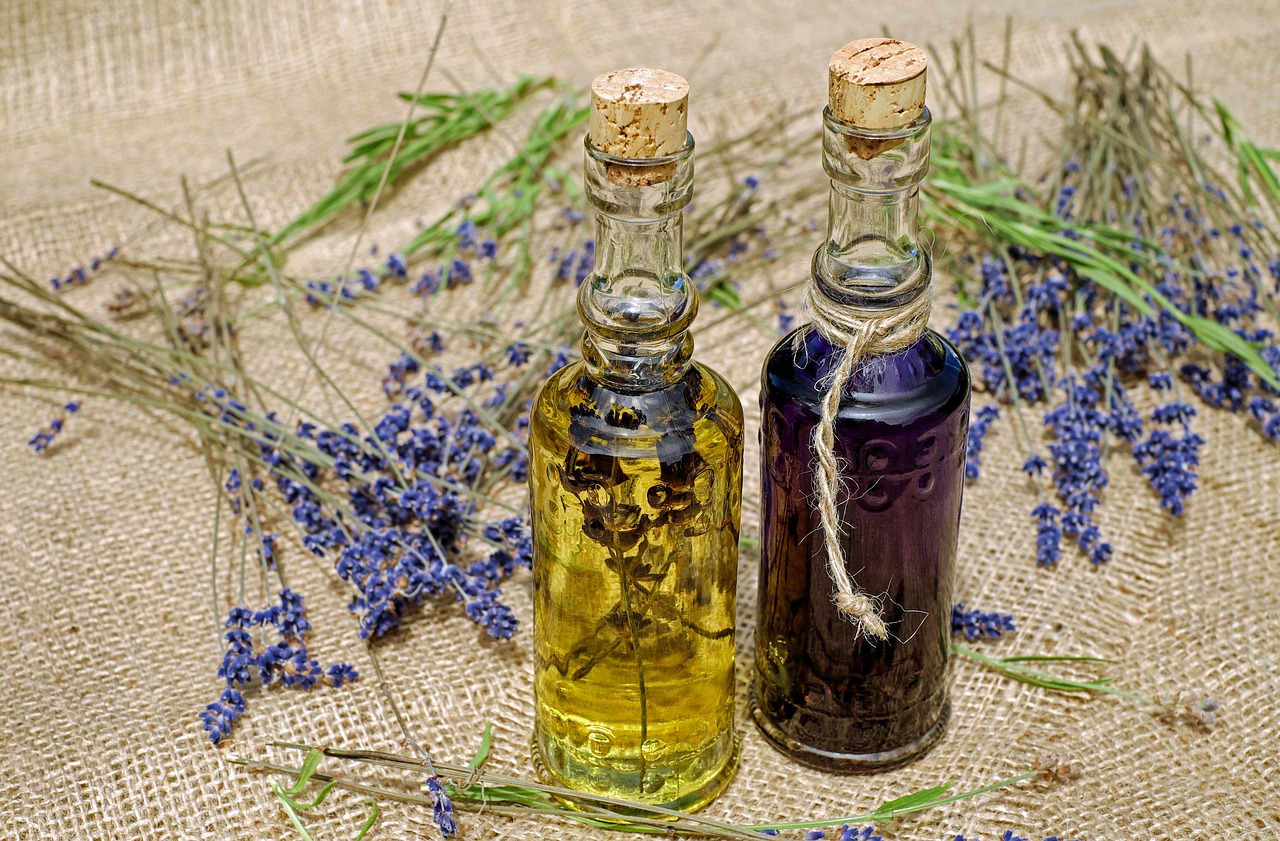
Step-by-Step Guide to Diluting and Mixing
To effectively use neem oil, you must first create a stable emulsion. Because oil and water do not naturally mix, you need a mild liquid dish soap to act as an emulsifier. This ensures the oil remains suspended in the water, allowing for an even application across your plants.
Always start with a high-quality, cold-pressed, raw neem oil. For a standard application, follow this ratio:
- 1 teaspoon of raw neem oil
- 1/2 teaspoon of mild liquid dish soap
- 1 quart (approx. 1 liter) of warm water
Begin by mixing the neem oil and dish soap together in a small container until they form a uniform, soap-like consistency. Slowly add this mixture to your spray bottle filled with warm water. Shake the bottle vigorously to combine the ingredients thoroughly. The warm water helps the oil blend more easily and prevents it from solidifying during the mixing process.
It is critical to mix only the amount of solution you intend to use for a single application. Once neem oil is combined with water, it begins to break down biologically within a few hours. This degradation renders the mixture ineffective for pest control, meaning any solution left sitting in a spray bottle for more than 24 hours will lose its potency and likely clog your sprayer nozzle.
Before applying the mixture to your entire garden, perform a patch test on a single leaf. Wait 24 hours to ensure your plant does not show signs of stress or leaf burn. If the plant remains healthy, proceed with your application. Always apply the mixture during the early morning or late evening; applying neem oil in direct, intense sunlight can cause the leaves to burn. Keep the spray bottle agitated throughout your application to maintain the emulsion, as the oil will naturally begin to separate from the water over time.
How to Apply Neem Oil for Best Results
Applying neem oil correctly is essential for controlling garden pests without damaging your plants. Because neem oil acts as a contact insecticide and a systemic deterrent, thorough coverage is the key to success. Pests like aphids, spider mites, and whiteflies often congregate on the undersides of leaves, so you must be diligent during application.
Before treating your entire plant, you must perform a patch test. This safety step prevents potential leaf burn, especially on delicate or sun-stressed foliage. Choose an inconspicuous leaf or a small section of the plant and apply your diluted neem oil solution. Wait 24 hours to observe the area. If you notice any yellowing, browning, or wilting, do not proceed with the full application; your plant may be sensitive to the concentration.
If the patch test shows no negative reaction, follow these steps for effective application:
- Prepare your solution: Mix your neem oil with water and a few drops of mild dish soap (to act as an emulsifier) according to the manufacturer’s instructions. Use the mixture immediately, as it loses potency over time.
- Target the undersides: Use a handheld sprayer to mist the plant. Start by spraying the undersides of the leaves, as this is where pests hide and lay eggs.
- Coat the tops: Once the undersides are covered, spray the tops of the leaves and the stems. You want the solution to coat the plant until it is just about to drip off.
- Avoid peak sun: Apply neem oil during the early morning or late evening. Applying it in direct, intense sunlight can cause the oil to magnify heat and burn the leaves.
Consistency is vital. Neem oil is not a “one-and-done” treatment. For active infestations, reapply the solution every 7 to 14 days. This schedule ensures you catch new generations of pests as they hatch. Always store your leftover mixture in a cool, dark place, but remember that it is most effective when freshly prepared for each session.

Follow-Up Care and Troubleshooting Common Issues
Consistency is the cornerstone of effective neem oil treatment. Because neem oil works primarily as an anti-feedant and growth regulator rather than a rapid-kill contact insecticide, you must maintain a regular schedule to break the pest life cycle. Apply your solution every 7 to 14 days until you no longer see signs of active infestation or damage.
Once the pest population is under control, you can stop applications. Over-applying neem oil can stress sensitive plants or cause leaf burn, especially during periods of high heat. Always monitor your plants closely after the initial treatment to ensure the pests are not returning.
Protecting your local ecosystem is just as important as protecting your garden. Neem oil is non-selective, meaning it can harm beneficial insects if they come into direct contact with the wet residue. Follow these safety practices to minimize risks to pollinators like bees and butterflies:
- Time your application: Apply neem oil only during the early morning or late evening when pollinators are least active.
- Target the pests: Spray directly onto the undersides of leaves where pests congregate, rather than coating the entire plant or open flowers.
- Avoid bloom times: Do not spray plants while they are in full bloom or when bees are actively foraging on them.
If you have followed a consistent 14-day treatment schedule and still notice a significant pest presence, the infestation may require a different approach. Pests can sometimes develop resistance, or the underlying environmental conditions may be favoring their rapid reproduction.
In these instances, contact your local university extension office. These experts can provide region-specific advice, help you accurately identify the pest, and suggest integrated pest management strategies tailored to your specific garden environment. They are an invaluable resource for troubleshooting stubborn issues without resorting to harsher chemical alternatives that could disrupt your garden’s natural balance.

Dedicated team of gardening enthusiasts with years of hands-on experience testing lawn mowers, gardening tools, and outdoor equipment. We help home gardeners and professionals alike make informed buying decisions with honest, thorough reviews. From push mowers to pruning shears, we test it all so you don’t have to. Got a gardening tool you’d like us to review? Get in touch!