
To take care of anthurium plants, provide them with bright, indirect light and keep their soil consistently moist but never waterlogged. These popular tropical houseplants are beloved for their glossy, heart-shaped leaves and long-lasting, waxy blooms that add a vibrant touch of elegance to any indoor space throughout the year.
While anthuriums are relatively hardy, they do require specific environmental conditions to truly thrive in a home setting. Because they are native to tropical rainforests, they prefer higher humidity levels and stable temperatures. Understanding these natural preferences is the key to preventing common issues like yellowing leaves or stunted growth.
This comprehensive guide covers all the essential care requirements to help your plant flourish indoors. We will walk you through the ideal light exposure, precise watering schedules, and the best soil mixtures to ensure your anthurium remains healthy. Follow these practical tips to master the art of indoor gardening and enjoy your beautiful plant.
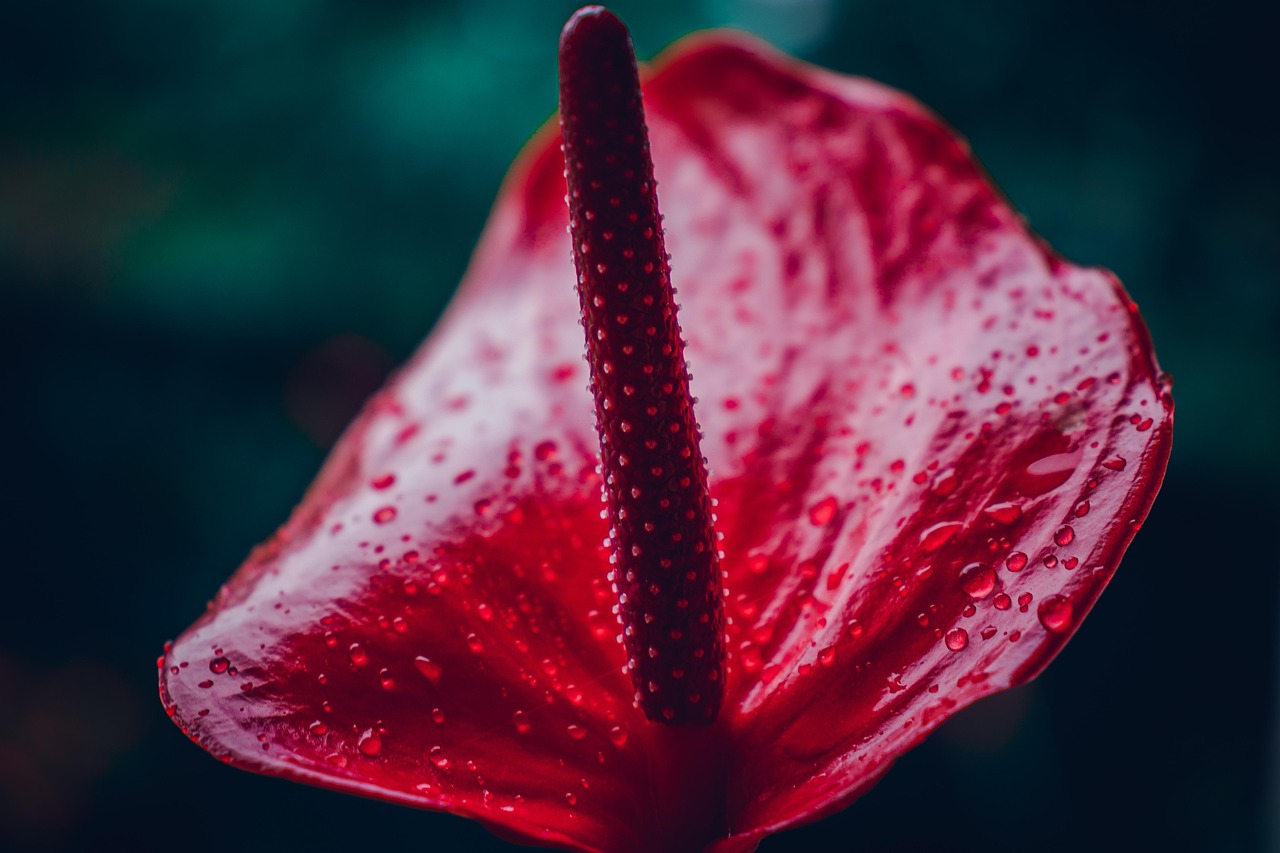
Light and Temperature Requirements
Anthuriums are native to tropical rainforests, so mimicking their natural environment is the key to success. Proper light and temperature management will keep your plant healthy, vibrant, and actively growing throughout the year.
Light Requirements
These plants thrive in bright, indirect light. Think of the dappled sunlight that filters through a forest canopy. If you place your Anthurium in a spot with too much direct sun, the leaves will quickly develop unsightly brown scorch marks or turn yellow. Conversely, if the light is too dim, the plant will stop blooming and its growth will become stunted.
- Best placement: Near an east-facing window where the morning sun is soft.
- Alternative: A few feet away from a south or west-facing window, protected by a sheer curtain to diffuse the intensity.
- Testing: If you can easily read a book in the spot without straining your eyes, it is likely the perfect brightness.
Temperature and Environmental Stability
Anthuriums are sensitive to temperature fluctuations. They prefer a comfortable, consistent range between 65 and 80 degrees Fahrenheit (18 to 27 degrees Celsius). When the temperature drops below 60 degrees, the plant’s metabolic processes slow down significantly, which can lead to root rot or leaf drop.
Beyond the thermometer reading, you must consider the airflow in your home. These plants are highly susceptible to stress caused by sudden temperature shifts. To ensure your Anthurium stays happy, follow these placement rules:
- Keep the plant away from cold drafts caused by exterior doors or drafty windows.
- Avoid placing the pot directly in the path of air conditioning vents or heating ducts, as the forced air will dry out the foliage and cause stress.
- Do not place your plant near radiators or fireplaces, which create localized heat spikes that can dehydrate the plant faster than you can water it.
By maintaining a stable, warm environment with filtered light, you provide the foundation for your Anthurium to grow lush, glossy leaves and long-lasting blooms.
Watering and Humidity Needs
Achieving the perfect balance of moisture is the most critical aspect of caring for anthurium plants. These tropical beauties thrive in soil that remains consistently moist, but they are highly susceptible to root rot if left in standing water. Overwatering is the most common cause of decline, so never allow your plant to sit in a water-filled saucer.
The best approach is to check the soil manually before reaching for your watering can. Insert your finger about one inch deep into the potting mix. If the soil feels dry at that depth, it is time to water. If it still feels damp, wait another few days. Always ensure your pot has adequate drainage holes to allow excess water to escape freely.
Because anthuriums are native to tropical rainforests, they require higher humidity levels than most household environments provide. Low humidity often leads to brown, crispy leaf tips. To keep your plant vibrant and healthy, consider these methods to boost ambient moisture:
- Humidifier: Placing a small humidifier near your plant is the most effective way to maintain consistent moisture levels.
- Pebble Tray: Fill a shallow tray with pebbles and water, then place the pot on top. Ensure the base of the pot sits above the water line to prevent root saturation.
- Grouping: Clustering your anthurium with other houseplants creates a microclimate that naturally traps more moisture in the air.
- Misting: While optional, occasional misting can provide a temporary boost. Avoid heavy misting if your home has poor air circulation, as this can encourage fungal issues.
Avoid placing your anthurium directly in front of air conditioning vents, heaters, or drafty windows. These sources of dry, moving air will quickly deplete the humidity around the foliage, regardless of your watering routine. By mimicking their natural, humid habitat, you will encourage steady growth and frequent, glossy blooms throughout the year.
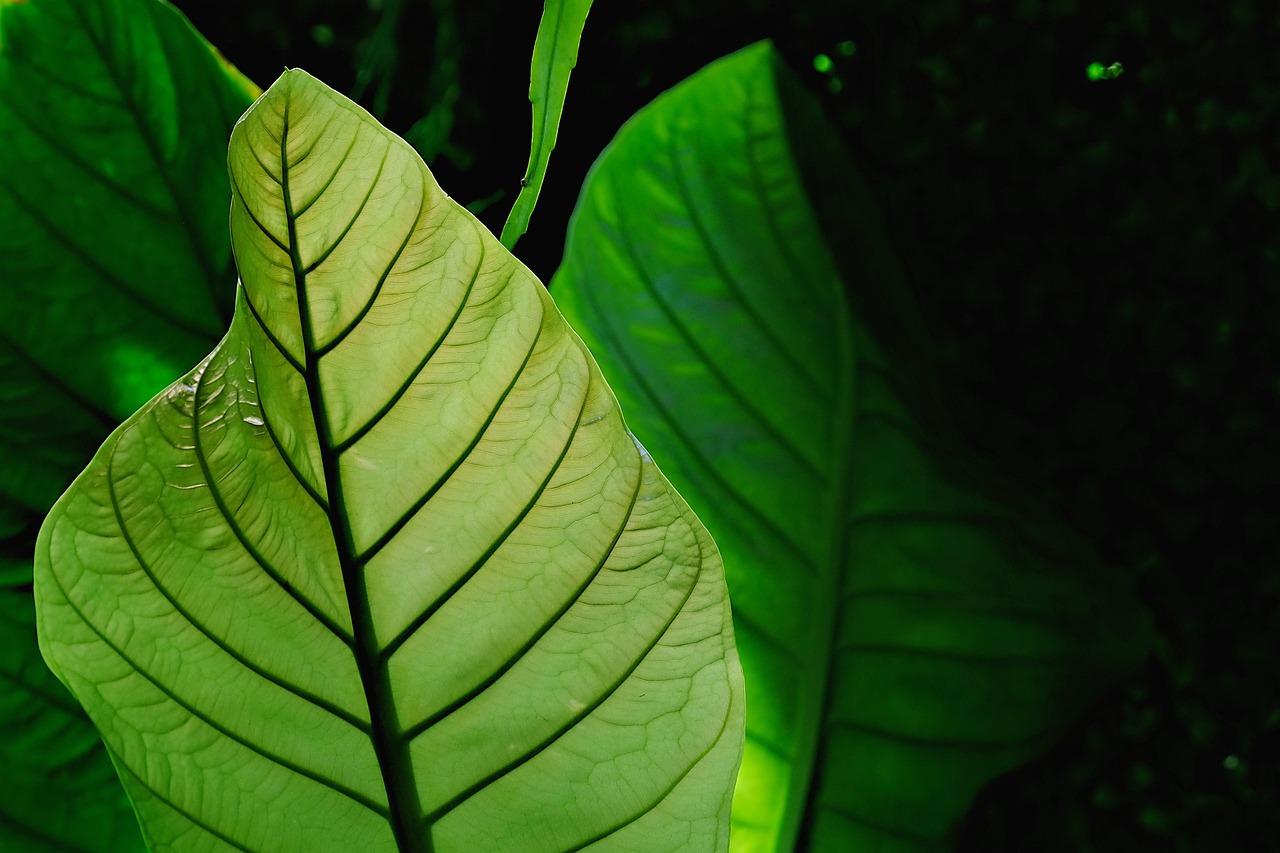
Soil and Potting Essentials
Anthuriums are epiphytic by nature, meaning they grow on trees rather than in dense ground soil in their native habitats. To mimic this environment at home, you must prioritize a potting medium that provides excellent aeration and rapid drainage. Standard indoor potting soil is often too heavy and retains too much moisture, which can quickly lead to root rot.
For the best results, create a chunky, airy substrate. A reliable, professional-grade mix typically includes a combination of the following components:
- Peat moss or coco coir: Retains just enough moisture to keep roots hydrated without becoming soggy.
- Pine bark: Provides the necessary structure and air pockets that allow oxygen to reach the root system.
- Perlite or pumice: Increases drainage and prevents the soil from compacting over time.
When selecting a container for your anthurium, drainage is non-negotiable. Always choose a pot equipped with drainage holes at the bottom. If you prefer using a decorative cachepot without holes, keep the plant in its plastic nursery liner and remove it for watering, ensuring it drains completely before placing it back inside. This simple step prevents water from pooling at the base, which is the most common cause of yellowing leaves and plant decline.
Safety is also an important part of your gardening routine. Always wear gardening gloves when handling potting soil or mixing substrates. Potting mixes can contain fungi, bacteria, or fertilizers that may irritate sensitive skin or cause allergic reactions. By protecting your hands, you can focus on the health of your plant without worrying about unwanted exposure to soil-borne irritants.
Finally, remember that anthuriums do not like to be disturbed too often. Only repot your plant when it has clearly outgrown its current container or if the soil has broken down to the point where it no longer drains effectively. When you do repot, choose a container only one to two inches larger than the current root ball to prevent excess moisture retention.
Pruning and Maintenance Safety
Regular maintenance is essential to keep your anthurium healthy and aesthetically pleasing. As the plant matures, older leaves will naturally yellow and wither. Removing these spent leaves is not just for appearance; it redirects the plant’s energy toward producing new, vibrant foliage and flowers.
To prune your anthurium effectively, follow these best practices:
- Use the right tools: Always use sharp, clean pruning shears or scissors. Dull blades can crush plant tissue, creating jagged wounds that take longer to heal and invite infection.
- Sanitize before and after: Wipe your blades thoroughly with rubbing alcohol before you begin and again after you finish. This simple step prevents the accidental spread of bacteria or fungal spores between your houseplants.
- Make precise cuts: Trim the leaf stem (petiole) close to the main base of the plant, but be careful not to nick or damage the central stem or any emerging new growth.
Safety is a critical component of plant care. Anthuriums contain calcium oxalate crystals, which can cause significant skin irritation, redness, or swelling upon contact. The sap is also toxic if ingested, making it vital to keep the plant away from curious pets and small children.
When pruning, always wear a pair of gardening gloves to protect your skin from the sap. If you accidentally come into contact with the plant’s juices, wash the affected area immediately with soap and warm water. After you have finished your maintenance session, wash your hands thoroughly and clean your tools one last time before storing them away.
By staying diligent with your pruning routine, you remove potential hiding spots for common pests like spider mites or mealybugs. A clean, well-maintained anthurium is far more resilient and better equipped to thrive in your home environment. Consistent, gentle care ensures your plant remains a stunning centerpiece for years to come.
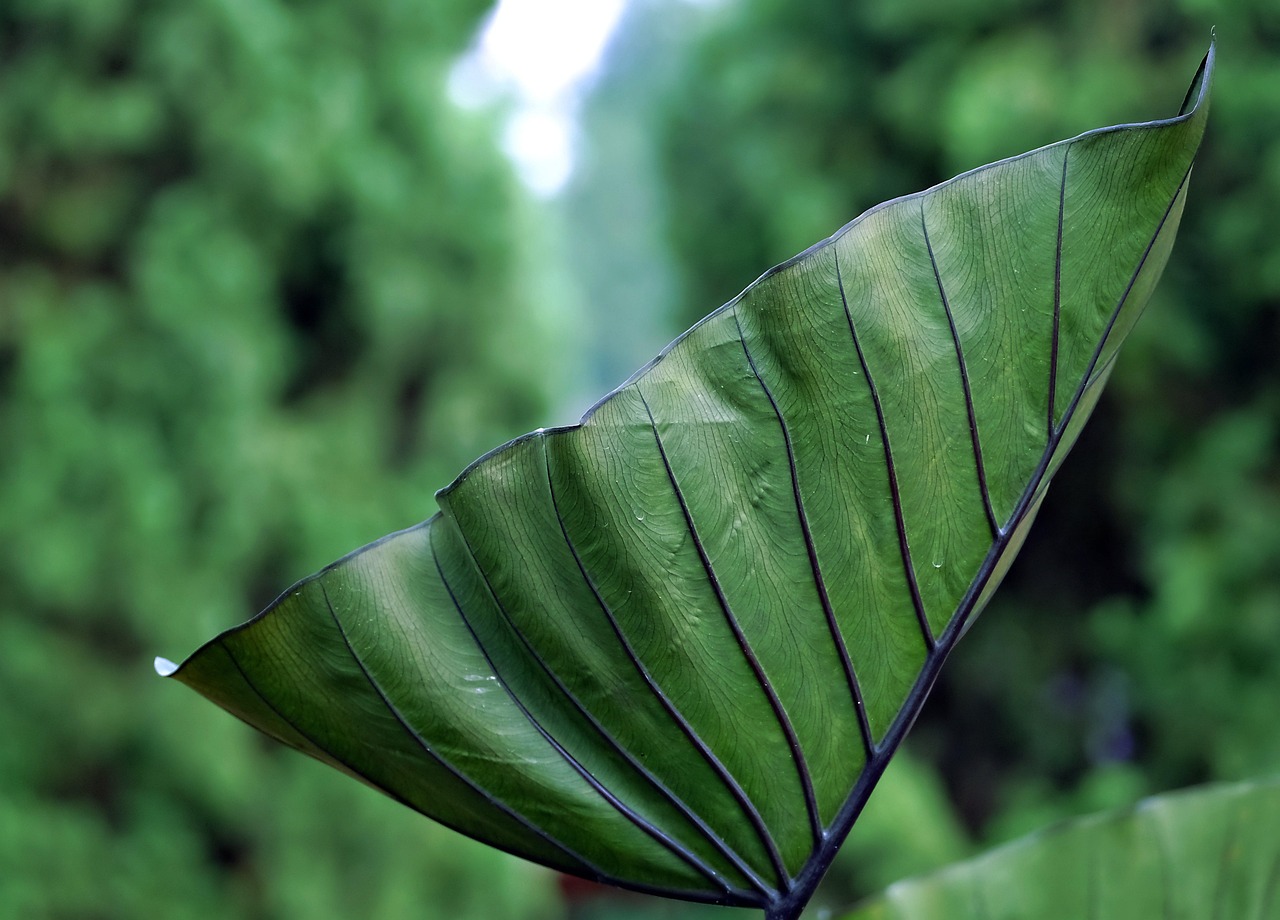
Common Care Questions and Troubleshooting
Even with the best intentions, Anthuriums can sometimes show signs of stress. Understanding how to troubleshoot these common issues will help you keep your plant thriving year-round.
If your Anthurium stops producing its iconic, waxy blooms, it is likely signaling a need for environmental adjustments. These plants require bright, indirect light to flower; if placed in a dim corner, they may focus energy solely on foliage. Additionally, ensure you are using a balanced, water-soluble fertilizer diluted to half-strength during the active growing season (spring and summer) to provide the necessary nutrients for flower production.
Brown, crispy leaf tips are a frequent complaint, usually stemming from environmental factors rather than disease. Consider these common culprits:
- Low Humidity: Anthuriums are tropical plants that struggle in dry indoor air. Use a pebble tray or a humidifier to maintain higher moisture levels.
- Water Sensitivity: Many Anthuriums are sensitive to the chlorine or minerals found in tap water. If your plant shows brown tips despite adequate humidity, try switching to filtered or distilled water.
Pests can also disrupt your plant’s health. If you notice fine webbing or small spots on the undersides of leaves, you may be dealing with spider mites. Immediately isolate the affected plant from your other greenery to prevent the infestation from spreading. Treat the foliage thoroughly with insecticidal soap or neem oil, ensuring you cover both the tops and bottoms of the leaves. Repeat this process every few days until the pests are eliminated.
Finally, always prioritize safety in your home. Anthuriums contain calcium oxalate crystals, which make them toxic to both humans and pets if ingested. These crystals can cause significant irritation to the mouth, throat, and digestive tract. To prevent accidental poisoning, place your plant on a high shelf, a sturdy plant stand, or in a room that is inaccessible to curious toddlers and pets. If you suspect ingestion, contact a medical professional or veterinarian immediately.

Dedicated team of gardening enthusiasts with years of hands-on experience testing lawn mowers, gardening tools, and outdoor equipment. We help home gardeners and professionals alike make informed buying decisions with honest, thorough reviews. From push mowers to pruning shears, we test it all so you don’t have to. Got a gardening tool you’d like us to review? Get in touch!