
To grow blue hydrangeas, you must maintain acidic soil with a pH level below 5.5 to allow the plant to absorb aluminum. This specific chemical interaction is the secret to achieving those iconic, vibrant blue petals in your garden. Without these precise soil conditions, your hydrangeas will likely produce pink or purple blooms instead.
Achieving this color transformation requires patience and consistent monitoring throughout the growing season. While some varieties are naturally more prone to bluing, environmental factors play the most significant role in pigment development. It is important to remember that soil chemistry can fluctuate, so regular testing is necessary to keep your plants healthy and colorful.
Discover the science behind achieving vibrant blue blooms in your garden. This guide explains the essential relationship between soil chemistry and hydrangea pigment, providing practical steps to help you cultivate stunning blue flowers. Follow our expert tips on soil amendments, proper watering techniques, and seasonal maintenance to ensure your hydrangeas thrive and display their most brilliant shades.
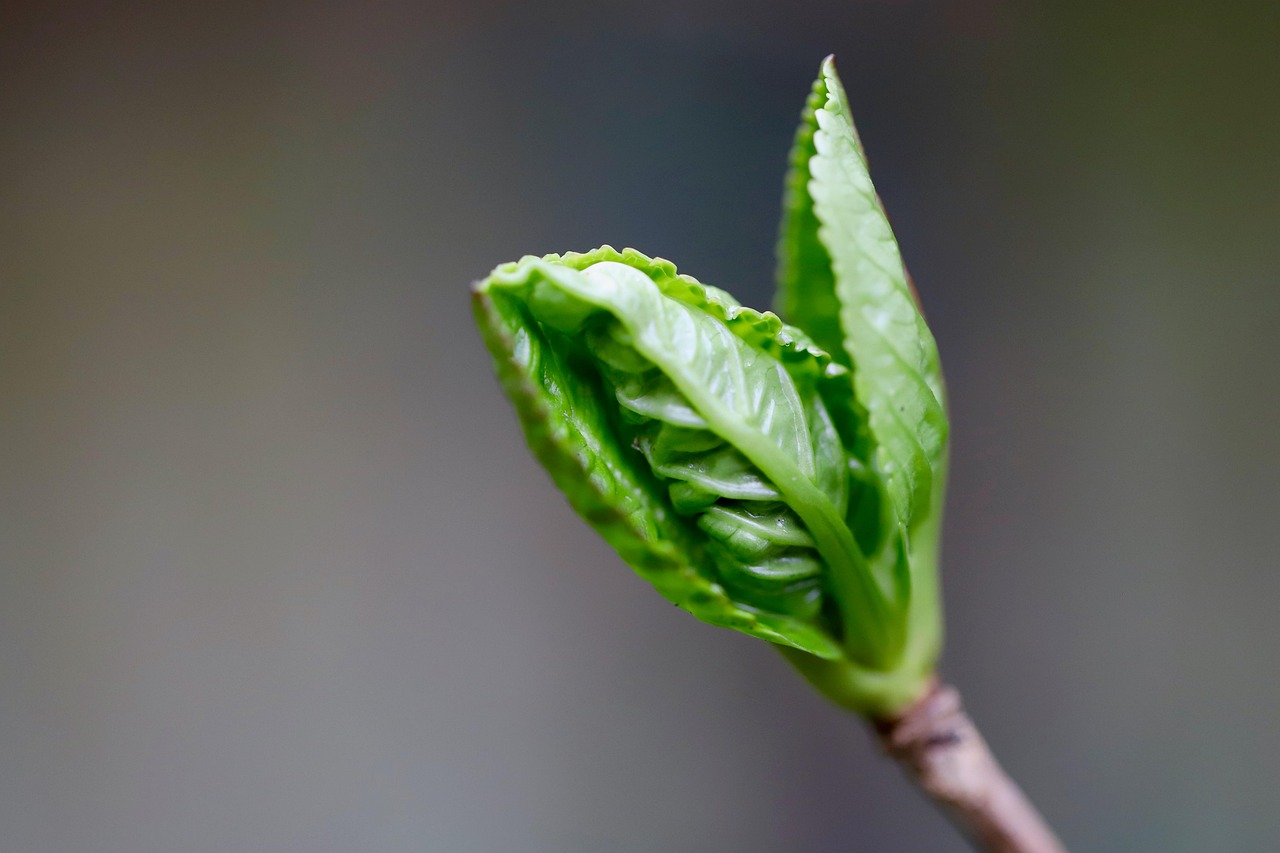
Understanding Why Hydrangeas Turn Blue
Not every hydrangea can produce blue blooms. If you are hoping to change your plant’s color, you must first confirm the variety. Only Hydrangea macrophylla (bigleaf) and Hydrangea serrata (mountain) possess the genetic capability to shift their flower color based on soil chemistry. Other popular types, such as Hydrangea paniculata or Hydrangea arborescens, will remain white or green regardless of your soil amendments.
For the varieties that are capable of turning blue, the process relies on the presence of aluminum in the soil. However, simply adding aluminum is not enough; the plant can only absorb this mineral if the soil pH is sufficiently acidic.
Think of soil pH as a gatekeeper. When the pH is high (alkaline), the aluminum is chemically locked away and inaccessible to the plant roots. When the pH drops below 5.5, the aluminum becomes soluble, allowing the hydrangea to draw it up and deposit it into the flower pigments, resulting in that sought-after blue hue.
To successfully encourage blue flowers, follow these practical steps:
- Test your soil: Use a home testing kit to determine your current pH level before adding any amendments.
- Lower the pH: If your soil is neutral or alkaline, apply soil acidifiers like elemental sulfur or aluminum sulfate. Follow the manufacturer’s instructions carefully to avoid burning the root system.
- Maintain consistency: Soil chemistry changes slowly. It often takes a full growing season for pH adjustments to reflect in the flower color.
- Use organic matter: Adding pine needles, peat moss, or composted oak leaves can help gradually lower pH over time while improving overall soil structure.
Be patient with the process. Because hydrangeas set their flower buds for the following year in late summer, you will typically see the results of your soil adjustments during the next blooming cycle. Avoid over-applying chemicals, as drastic swings in pH can stress the plant and inhibit healthy growth.
Testing and Adjusting Your Soil pH
Before you attempt to change your hydrangea’s bloom color, you must first determine your current soil chemistry. Hydrangeas are biological pH indicators; their ability to absorb aluminum from the soil is entirely dependent on acidity. Without an accurate baseline, you risk over-amending your soil, which can lead to root burn or stunted growth.
Purchase a reliable soil pH test kit from a local nursery or garden center. For vibrant blue blooms, your soil must maintain a pH level between 5.0 and 5.5. If your test results show a pH above 6.0, the plant will likely produce pink or purple flowers regardless of your efforts, as the aluminum remains locked in the soil and unavailable to the plant roots.
To lower your pH effectively, incorporate one of the following amendments:
- Garden Sulfur: This is the preferred long-term solution. It works slowly as soil bacteria break it down, providing a steady, gentle reduction in pH over several months.
- Aluminum Sulfate: Use this for a faster response. It introduces both the acidity needed to lower pH and the aluminum ions required for the blue pigment. However, use it cautiously, as high concentrations can be toxic to plant roots.
When applying these amendments, always follow the package instructions precisely based on your square footage. Distribute the product evenly around the plant’s drip line—the area directly beneath the outer circumference of the branches—and water it in thoroughly to help the nutrients reach the root zone. Avoid dumping concentrated powder directly against the main stem, as this can cause localized chemical damage.
Because soil pH naturally fluctuates due to rainfall and irrigation, plan to test your soil at least twice a year: once in early spring before the growing season begins, and again in late summer. Consistency is the most important factor in maintaining that deep, sought-after blue hue. If you live in an area with highly alkaline soil, you may find it easier to grow your blue hydrangeas in large containers where you can exert complete control over the potting medium.

Safe Application of Garden Amendments
Modifying your soil pH to achieve those signature blue hydrangea blooms requires specific amendments, such as aluminum sulfate or elemental sulfur. While these products are effective, they are chemically active and require careful handling to protect your health and your garden’s ecosystem.
Always treat soil amendments with the same caution you would use for household cleaning agents. Many of these powders are caustic or acidic, which can cause significant irritation if they come into contact with your skin or eyes. Before opening any bag or container, prepare your workspace and gear.
Follow these essential safety protocols every time you apply amendments:
- Wear protective gloves: Use nitrile or heavy-duty rubber gloves to prevent chemical burns or skin sensitization.
- Protect your eyes: Wear safety goggles to ensure that wind-blown dust or accidental splashes do not enter your eyes.
- Use a dust mask: When applying powdered sulfur or fine-grain aluminum sulfate, wear an N95-rated dust mask. Inhaling these fine particles can irritate your respiratory tract and cause coughing.
- Work on a calm day: Avoid applying amendments during windy conditions to prevent the product from blowing into your face or onto non-target plants.
When measuring or transferring these materials, work slowly to minimize dust clouds. If you are using a granular product, pour it close to the soil surface rather than tossing it from a height. If you accidentally spill concentrated powder on your skin, wash the area immediately with soap and plenty of cool water.
After you have finished your application, store all leftover amendments in their original, tightly sealed containers. Keep them in a cool, dry place well out of reach of children and pets. Finally, wash your hands and any gardening tools thoroughly after use to prevent cross-contamination in your shed or home. By prioritizing these safety habits, you ensure that your gardening project remains a healthy and productive experience for you and your landscape.
Planting and Maintenance Best Practices
To successfully grow blue hydrangeas, you must first create the right environment. These shrubs thrive in partial shade, ideally receiving gentle morning sun and protection from the harsh, drying heat of the afternoon. If your hydrangeas are exposed to too much direct sunlight, the leaves may scorch, and the soil will dry out too quickly.
Consistent moisture is the foundation of healthy hydrangea growth. The soil should remain damp but never waterlogged. To achieve this balance, apply a thick layer of organic mulch around the base of the plant. This helps regulate soil temperature and retains essential moisture during warmer months.
Maintaining that signature blue hue is an ongoing commitment rather than a one-time task. Hydrangeas turn blue only when the soil is acidic, typically with a pH level between 5.0 and 5.5. In this environment, the plant can effectively absorb aluminum from the soil. If your soil is neutral or alkaline, the flowers will naturally shift toward pink.
Follow these steps to keep your blooms vibrant:
- Test your soil regularly: Use a simple home pH testing kit every spring before the growing season begins to determine if amendments are necessary.
- Apply aluminum sulfate: If your soil pH is too high, incorporate aluminum sulfate according to the package instructions. Apply this carefully around the drip line of the plant, avoiding direct contact with the foliage.
- Be consistent: Soil chemistry changes over time due to rainfall and irrigation. You will likely need to reapply amendments several times throughout the spring and summer to maintain the acidity required for blue pigment.
- Use acidic fertilizers: Choose fertilizers specifically formulated for acid-loving plants, such as those designed for rhododendrons or azaleas, to support both general health and color retention.
By monitoring your soil chemistry and ensuring your plant stays hydrated, you can enjoy deep, vibrant blue hydrangeas year after year. Patience is key, as it often takes several weeks for soil amendments to influence the color of developing buds.

Common Questions and Troubleshooting
If your blue hydrangeas are turning pink or purple, the culprit is almost always soil pH. Blue blooms require acidic soil (pH below 6.0) to absorb aluminum. If your soil pH rises above this level, the plant can no longer access the aluminum, and the flowers will shift toward pink or red shades. To correct this, apply aluminum sulfate or soil acidifier, but do so gradually to avoid burning the roots.
When growing hydrangeas in containers, you have more control over the environment, but you must be diligent. Potting soil is naturally porous, which is excellent for drainage, but it often lacks the specific mineral composition required to maintain a low pH. To keep container-grown hydrangeas blue, follow these best practices:
- Use a high-quality, peat-based potting mix, which is naturally more acidic.
- Avoid using water with high lime content, as it will steadily raise the pH of your potting medium.
- Apply a water-soluble fertilizer specifically formulated for acid-loving plants to replenish nutrients that leach out through drainage holes.
Sometimes, despite your best efforts with soil amendments and fertilizers, the blooms refuse to turn blue. This often happens if your native soil contains high levels of phosphorus, which binds to aluminum and makes it unavailable to the plant, or if your local groundwater is highly alkaline. If you have consistently applied soil acidifiers for a full season with no success, it is time to seek professional advice.
Contact your local university agricultural extension office. They provide affordable, professional soil testing services that are far more accurate than home kits. They can analyze your specific soil composition and provide a tailored plan to adjust your pH. Sometimes, the physical makeup of your soil makes it chemically impossible to achieve a true blue without excessive intervention. In these cases, the extension office can recommend hydrangea varieties better suited to your specific local growing conditions, saving you from further frustration in the garden.

Dedicated team of gardening enthusiasts with years of hands-on experience testing lawn mowers, gardening tools, and outdoor equipment. We help home gardeners and professionals alike make informed buying decisions with honest, thorough reviews. From push mowers to pruning shears, we test it all so you don’t have to. Got a gardening tool you’d like us to review? Get in touch!