
To care for an anthurium plant, provide bright, indirect light and keep its soil consistently moist but never waterlogged. These popular tropical houseplants are beloved for their glossy, heart-shaped leaves and long-lasting, colorful spathes that add a vibrant touch to any indoor space, provided you meet their specific environmental needs for success.
While anthuriums are relatively resilient, they do require a bit of attention to truly thrive in a home environment. Because they are native to rainforests, these plants prefer high humidity levels and stable temperatures. Understanding these natural preferences is the key to preventing common issues like yellowing leaves or stunted growth.
This guide provides practical steps to help your anthurium thrive, covering the essential light, water, and soil requirements to keep your plant healthy and blooming year-round. By following these straightforward maintenance tips, you can ensure your tropical companion remains a stunning focal point in your home for many seasons to come.
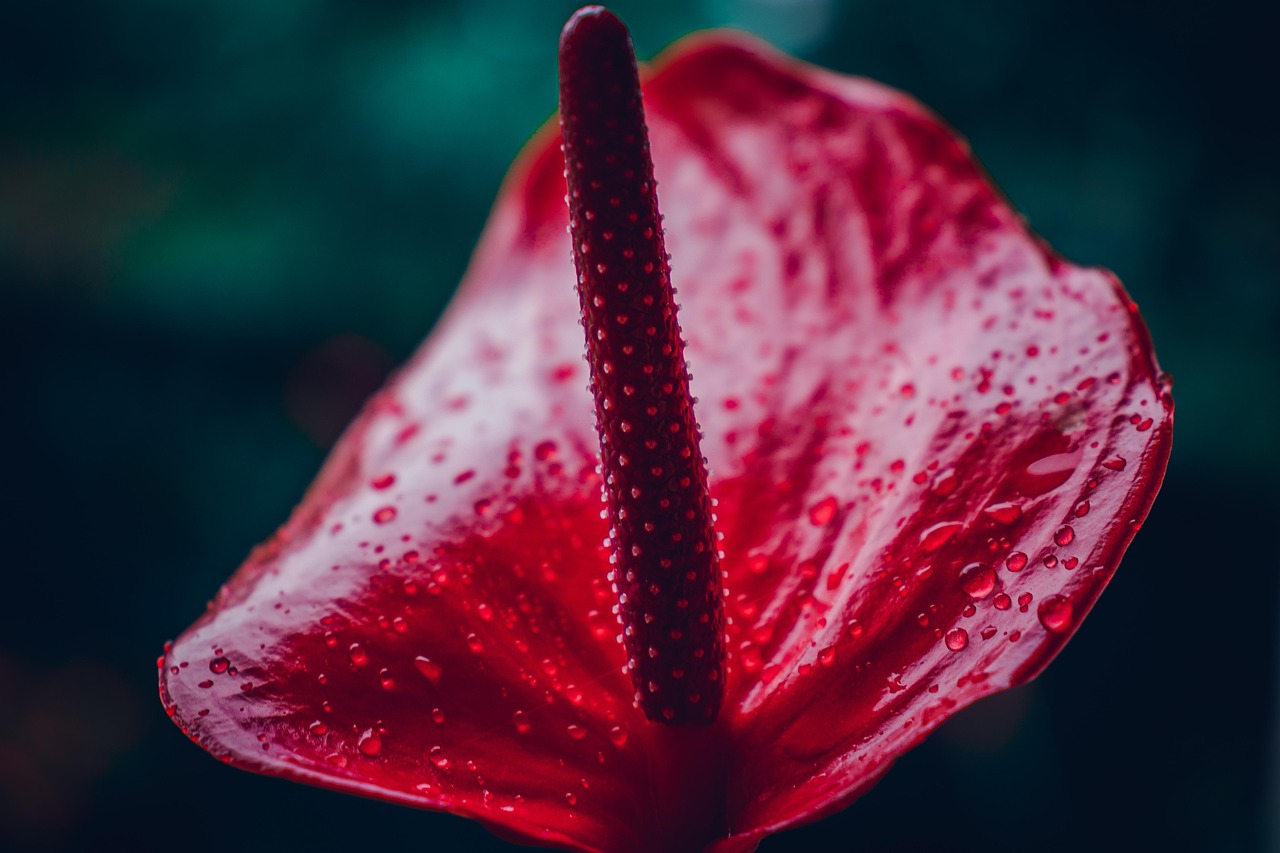
Optimal Light and Temperature Requirements
Anthuriums are tropical plants that rely on specific light and temperature conditions to mimic their native rainforest environment. Getting these two factors right is the most effective way to encourage healthy foliage and frequent blooms.
For lighting, aim for bright, indirect sunlight. A spot near an east-facing window is often ideal, as it provides gentle morning sun. If your only available space has harsh afternoon sun, use a sheer curtain to filter the rays. Direct sunlight is too intense for anthuriums and will quickly scorch their deep green leaves, leaving unsightly brown patches.
Temperature is equally important for long-term health. Because these plants are sensitive to sudden shifts in their environment, consistency is key. Anthuriums thrive in standard indoor temperatures ranging from 65 to 80 degrees Fahrenheit. If you are comfortable in your home, your anthurium likely is, too.
To keep your plant stress-free, follow these placement guidelines:
- Keep the plant away from drafty doorways or windows that allow cold air to reach the foliage.
- Avoid placing the pot directly in front of air conditioning vents or heating units, as these create extreme temperature fluctuations and dry out the air.
- Ensure the plant is not sitting against a cold windowpane during winter months, as the chill can damage the leaves.
If you notice your anthurium’s leaves turning yellow or failing to produce new growth, it may be a sign that the plant is struggling with its current location. If the plant is getting too little light, it will become leggy and lose its vibrant color. If it is too cold, growth will slow significantly or stop altogether. By observing these subtle cues, you can adjust the plant’s position to find the “sweet spot” in your home where it will be most productive and resilient.
Watering and Humidity Needs
Anthuriums are tropical epiphytes that thrive when their watering schedule mimics their natural rainforest environment. The most important rule for long-term health is to avoid overwatering, which quickly leads to root rot. Before adding water, insert your finger about one inch into the potting medium. If it feels dry, it is time to hydrate; if the soil still feels damp, wait a few more days.
Proper drainage is essential for this process. Always ensure your pot has functional drainage holes at the bottom. After watering, allow the excess liquid to drain out completely and never let the plant sit in a saucer of standing water. If your pot has a decorative cachepot, empty it promptly after each watering session.
Beyond soil moisture, anthuriums require consistent humidity to keep their glossy leaves vibrant and prevent brown, crispy edges. These plants prefer humidity levels above 50 percent. If your home air is dry, especially during winter months, you can boost moisture levels using these practical methods:
- Grouping: Place your anthurium near other houseplants. As plants transpire, they create a small, localized microclimate with higher humidity.
- Pebble Trays: Fill a shallow tray with pebbles and water, then set the pot on top. Ensure the base of the pot sits above the water line to prevent the roots from soaking.
- Humidifiers: For a more controlled approach, place a small room humidifier near the plant to maintain a steady level of ambient moisture.
Avoid placing your anthurium directly in front of heating vents, air conditioning units, or drafty windows. These sources of airflow can rapidly dry out the foliage and negate your efforts to maintain a humid environment. By balancing consistent soil moisture with elevated ambient humidity, you will provide the ideal conditions for your anthurium to produce healthy, long-lasting blooms and lush, green foliage throughout the year.
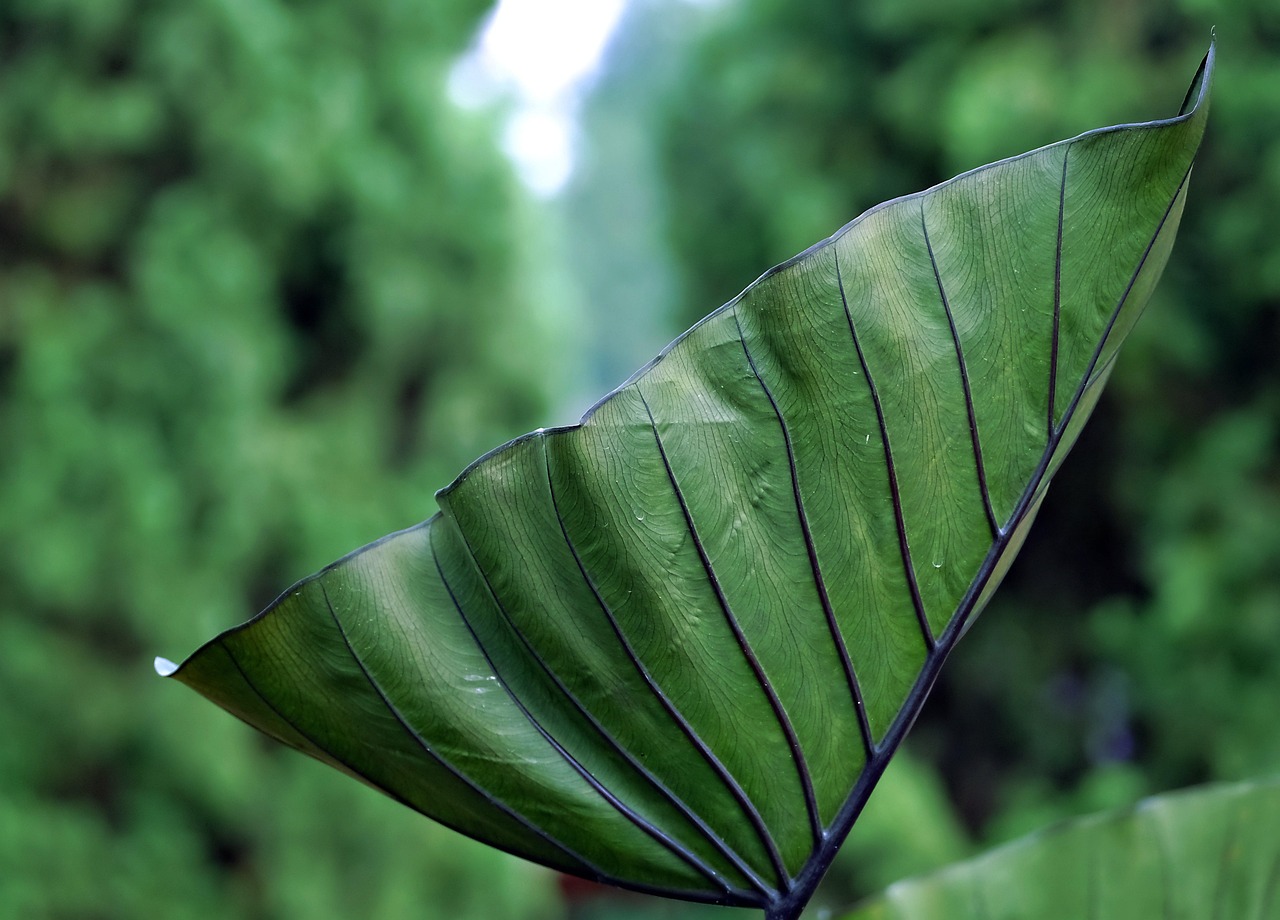
Soil and Fertilization Best Practices
Anthuriums are epiphytes in their natural habitat, meaning they grow on trees rather than in dense ground soil. To mimic this environment in your home, you must prioritize aeration and drainage. If the roots remain in heavy, waterlogged soil, they will quickly succumb to rot.
The ideal potting medium for an anthurium is a chunky, porous blend that allows excess water to pass through easily while holding just enough moisture to keep the roots hydrated. A high-quality orchid bark mix is an excellent choice, or you can create your own by combining the following ingredients:
- Peat moss or coco coir: Provides structure and moisture retention.
- Perlite or pumice: Increases drainage and ensures oxygen can reach the root system.
- Orchid bark: Creates necessary air pockets to prevent compaction.
When it comes to feeding, consistency is more important than strength. Anthuriums are not heavy feeders, and applying too much fertilizer can lead to salt buildup, which may burn the sensitive root tips. During the active growing season—typically from early spring through late summer—you should support your plant’s development with a balanced liquid fertilizer.
To safely nourish your plant, follow these steps:
- Dilute a balanced, water-soluble fertilizer to half-strength.
- Apply the mixture to moist soil every four to six weeks.
- Avoid fertilizing during the winter months when the plant enters a period of dormancy and growth slows significantly.
Always ensure the soil is slightly damp before applying fertilizer. Adding nutrients to bone-dry soil can shock the root system and cause leaf yellowing. By maintaining this balance of airy soil and moderate, diluted feeding, you provide the foundational conditions necessary for your anthurium to produce lush, glossy foliage and vibrant, long-lasting blooms. If you notice the leaf tips turning brown, it may be a sign of mineral salt accumulation; in this case, flush the soil with distilled water to clear out excess salts.
Pruning and Maintenance Safety
Maintaining your anthurium involves more than just watering; regular grooming keeps the plant healthy and aesthetically pleasing. Over time, older leaves will naturally yellow and wither. Removing these spent leaves allows the plant to redirect its energy toward producing new, vibrant foliage and blooms.
To prune your anthurium safely and effectively, follow these steps:
- Use the right tools: Always use clean, sharp gardening shears or scissors. Dull blades can crush stems, creating jagged wounds that are susceptible to disease. Wipe your blades with rubbing alcohol before and after each use to prevent the spread of bacteria.
- Make clean cuts: Snip the stem of the yellowing leaf as close to the base of the plant as possible without damaging the main stem or crown.
- Discard debris: Do not leave dead foliage in the pot, as decaying matter can attract pests or encourage fungal growth.
Safety is a critical component of anthurium care. The plant contains calcium oxalate crystals, which are microscopic, needle-like structures found within the sap. If this sap comes into contact with your skin, it can cause significant irritation, redness, or a burning sensation. Always wear gardening gloves when pruning to protect your hands from accidental exposure.
Furthermore, anthuriums are toxic to both humans and pets if ingested. The calcium oxalate crystals can cause intense pain, swelling of the mouth and throat, and difficulty swallowing. Because of these risks, it is essential to place your plant in a location where curious children and pets cannot reach it.
If you have pets, consider elevated plant stands or hanging planters to keep the foliage safely out of range. If you suspect an animal or child has ingested any part of the plant, contact a medical professional or veterinarian immediately. By combining consistent maintenance with these essential safety precautions, you can enjoy your anthurium’s beauty while keeping your home environment secure for everyone.
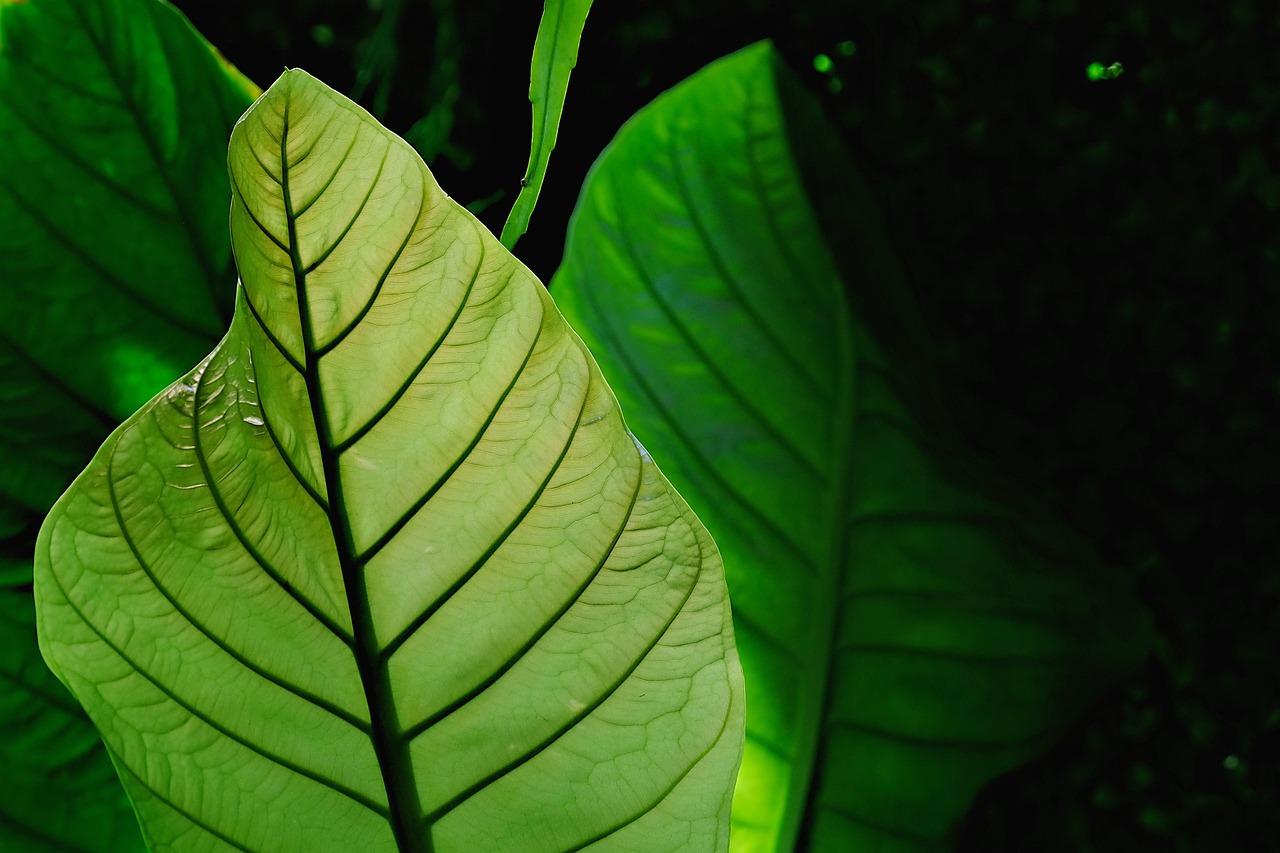
Troubleshooting and Long-Term Care
Anthuriums are generally resilient, but they will communicate when their environment isn’t quite right. If your plant stops producing its signature waxy blooms, the most common culprit is insufficient light. Move your plant to a brighter location with consistent, indirect sunlight. If light levels are adequate, a balanced liquid fertilizer applied during the active growing season can provide the necessary nutrients to trigger new flowering.
Pay close attention to the foliage, as it acts as a diagnostic tool for your plant’s health:
- Brown leaf tips: This is usually a sign of low humidity or inconsistent watering. Try misting the leaves regularly or placing the pot on a tray filled with pebbles and water to increase ambient moisture.
- Yellowing leaves: This often indicates overwatering. Ensure your potting medium is well-draining and allow the top inch of soil to dry out completely before watering again.
If you spot pests like spider mites or scale, act quickly to prevent an infestation. Gently wipe the leaves with a soft, damp cloth to remove debris and pests. For persistent issues, apply a mild insecticidal soap or neem oil, ensuring you reach the undersides of the leaves where these insects often hide.
As your plant matures, you may notice roots circling the bottom of the pot or growing out of the drainage holes. This indicates the plant is root-bound and requires more space. Repotting is best performed in the spring when the plant enters its active growth phase. Always choose a new container that is only one size larger than the current one; moving to a pot that is too large can hold excess moisture, which puts the root system at risk of rot.
By monitoring these subtle environmental cues and performing routine maintenance, you can ensure your anthurium remains a vibrant, long-lasting feature in your home. Consistency is the key to preventing most common issues before they require intensive intervention.

Dedicated team of gardening enthusiasts with years of hands-on experience testing lawn mowers, gardening tools, and outdoor equipment. We help home gardeners and professionals alike make informed buying decisions with honest, thorough reviews. From push mowers to pruning shears, we test it all so you don’t have to. Got a gardening tool you’d like us to review? Get in touch!