
To care for a pineapple plant, provide it with bright, indirect sunlight and well-draining soil. Water the plant sparingly, allowing the top inch of soil to dry out completely between waterings to prevent root rot. Growing a pineapple plant indoors is a rewarding project that brings a beautiful touch of the tropics to your home.
While these plants are resilient bromeliads, they require specific light, water, and temperature conditions to thrive and eventually produce fruit. Keep in mind that pineapple plants grow slowly and may take several years to bloom in a container. Patience is essential, as maintaining consistent tropical conditions is the secret to long-term success.
This comprehensive guide covers everything you need to know to keep your pineapple plant healthy and vibrant throughout the year. We will explore the best soil mixtures, ideal indoor temperatures, and simple troubleshooting tips for common issues. Follow these practical steps to turn your kitchen scrap into a flourishing, exotic houseplant today.

Ideal Lighting and Temperature Requirements
Pineapple plants (Ananas comosus) are tropical by nature, meaning they require specific environmental conditions to thrive indoors. Replicating their native habitat is the most effective way to encourage healthy growth and potential fruit production.
Lighting Requirements
Light is the most critical factor for a pineapple plant. These plants crave intensity; without it, they will become leggy and fail to produce fruit. For the best results, place your plant in a south-facing window where it can receive at least six hours of bright, indirect sunlight daily. If your home lacks natural light, you can supplement with a full-spectrum LED grow light positioned a few inches above the foliage.
Temperature and Airflow
Pineapples are highly sensitive to cold and prefer a stable, warm environment. To keep your plant in its active growth phase, maintain indoor temperatures between 65°F and 85°F (18°C–29°C). Consistent warmth is essential for the plant’s metabolic processes.
To prevent stress or dormancy, follow these placement guidelines:
- Avoid placing your plant directly in the path of air conditioning vents or heating ducts, as sudden temperature fluctuations can damage the leaves.
- Keep the plant away from drafty windows or exterior doors during winter months.
- Ensure the ambient temperature never drops below 60°F (15°C). Prolonged exposure to cold will cause the plant to stop growing and may lead to root rot or foliage discoloration.
If you choose to move your pineapple plant outdoors during the summer, ensure it is gradually acclimated to the sun to prevent leaf scorch. Always bring the plant back indoors well before the first frost of autumn. By maintaining these consistent light and temperature conditions, you provide the foundation necessary for a vigorous, long-lived tropical houseplant that can eventually reward you with a unique, homegrown pineapple.
Watering and Soil Needs
Pineapple plants (Ananas comosus) are bromeliads, which means they have specific soil and hydration requirements that differ from typical houseplants. Because they are susceptible to root rot, providing the right environment is the most critical step in ensuring your plant thrives indoors.
For the best results, use a well-draining potting mix. A blend specifically designed for cacti or succulents is ideal, as it provides the aeration necessary to prevent the roots from becoming waterlogged. If the soil stays wet for too long, the root system will quickly decay, leading to the decline of the entire plant.
When it comes to watering, follow these practical guidelines to keep your pineapple plant healthy:
- Check the moisture: Only water your plant when the top inch of soil feels dry to the touch. Stick your finger into the soil to gauge moisture levels rather than relying on a strict schedule.
- Target the rosette: Unlike most houseplants, pineapples absorb moisture through their central rosette. Pour a portion of your water directly into the center “cup” of the leaves, as well as into the surrounding soil.
- Ensure drainage: Always use a pot with adequate drainage holes. If you use a decorative outer pot, ensure you empty any excess water that collects in the saucer after watering.
Proper drainage is essential because standing water at the base of the plant can trigger fungal issues and crown rot. If you notice the leaves turning yellow or soft, you may be overwatering or the soil may be retaining too much moisture. During the winter months, your plant will enter a period of slower growth, so you should reduce the frequency of watering significantly. By maintaining a balance of consistent moisture and excellent drainage, you create the perfect conditions for your pineapple plant to grow strong and eventually produce fruit.
Safety and Maintenance Tools
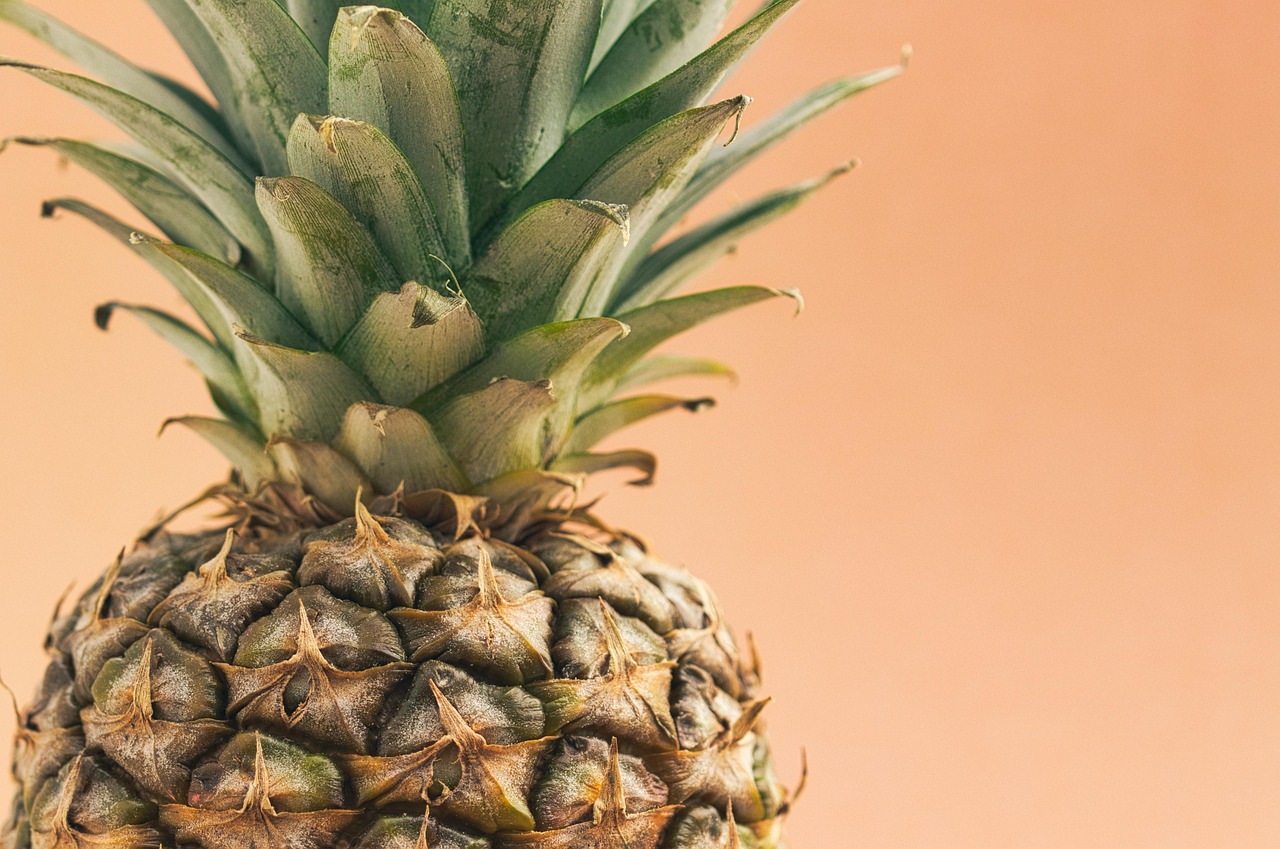
Pineapple plants are beautiful additions to any indoor collection, but they require a cautious approach during maintenance. The most important thing to remember is that pineapple leaves are typically lined with sharp, serrated edges. These spines can easily cause painful scratches or skin irritation if you handle the plant with bare hands.
To keep yourself safe and your plant healthy, follow these essential maintenance practices:
- Wear protective gear: Always use thick, puncture-resistant gardening gloves whenever you need to repot, prune, or move your pineapple plant. This protects your skin from both sharp spines and potential sap irritation.
- Use proper tools: When trimming dead or damaged foliage, reach for sharp, high-quality pruning shears. Dull blades can crush plant tissue rather than cutting it cleanly, which invites disease and slows recovery.
- Sanitize your equipment: Before and after every pruning session, wipe your shears thoroughly with rubbing alcohol. This simple step kills bacteria and fungal spores, preventing the spread of pathogens from one plant to another.
When pruning, focus on removing only the brown, withered tips or leaves that have completely died back. Avoid cutting into the healthy, green base of the leaf, as this can stress the plant and leave it vulnerable to infection. If you are repotting, handle the plant by the base or use a soft cloth to wrap around the foliage for extra leverage, keeping your hands well away from the serrated margins.
Finally, always perform your maintenance in a well-lit area. Clear visibility helps you navigate the sharp edges safely and ensures you make precise cuts. If you accidentally sustain a scratch from the leaves, wash the area immediately with soap and water to prevent minor infections from the plant’s natural oils or surface debris. By keeping your tools sharp and your hands protected, you can enjoy the unique aesthetic of your pineapple plant without the risk of injury.
Fertilizing and Growth Cycles
Pineapple plants are naturally light feeders, meaning they do not require heavy applications of nutrients to thrive. Over-fertilizing can actually lead to salt buildup in the soil, which may damage the sensitive root system or cause leaf tip burn. Providing a consistent, gentle supply of nutrients is the most effective way to support healthy foliage and eventual fruit production.
During the active growing seasons of spring and summer, apply a balanced, water-soluble liquid fertilizer. To ensure the plant receives the right amount without risk of chemical burn, follow these guidelines:
- Dilute the fertilizer to half-strength according to the manufacturer’s instructions.
- Apply the solution once every two months while the plant is in its primary growth phase.
- Always ensure the soil is slightly moist before applying liquid fertilizer to prevent root shock.
As the days grow shorter and temperatures drop in the autumn, transition your plant into its dormant phase. You should stop fertilizing entirely during the winter months when growth naturally slows down. Withholding fertilizer during this period allows the plant to rest and prevents the development of weak, spindly growth that often occurs in low-light conditions.
Patience is perhaps the most important tool in your gardening kit when growing pineapples. Unlike fast-growing annuals, pineapples follow a long, deliberate developmental cycle. Even with optimal light, water, and fertilization, it typically takes two to three years for a homegrown pineapple plant to reach full maturity. During this time, the plant will focus its energy on building a robust root system and a dense crown of leaves.
Do not be discouraged if your plant does not bloom within the first year. Once the plant has reached its mature size, it will eventually produce a central flower stalk, followed by the fruit. By maintaining this steady, seasonal care routine, you provide the best environment for your plant to eventually reach its full fruiting potential.

Common Questions and Troubleshooting
Pineapple plants are resilient, but they often signal environmental stress through changes in their foliage. If you notice the tips of your leaves turning brown and crispy, your plant is likely struggling with low humidity or sensitivity to minerals found in tap water. To remedy this, switch to filtered or distilled water and place the pot on a pebble tray filled with water to boost ambient moisture.
If you observe that your plant has ceased growing, it is time to inspect for common pests. Mealybugs and scale are frequent culprits that hide in the crevices of the leaves. You can manage these infestations safely and effectively by following these steps:
- Dip a cotton swab in organic neem oil or mild insecticidal soap.
- Gently wipe the affected areas to remove the pests.
- Repeat this process weekly until the infestation is completely cleared.
Yellowing leaves or mushy, soft stems are significant warning signs that often point to overwatering. Pineapple plants are bromeliads and prefer their soil to dry out slightly between waterings; constant moisture can quickly lead to root rot, which is difficult to reverse if left unchecked. If you suspect rot, take these immediate actions:
First, stop watering the plant entirely until the top two inches of soil feel dry to the touch. If the soil remains waterlogged, carefully repot the plant into fresh, well-draining cactus or succulent mix, removing any blackened or decaying roots during the process. Ensure your container has adequate drainage holes, as stagnant water at the base is the primary cause of stem decay.
By monitoring your plant’s color and texture, you can catch these issues early. Consistent, moderate care is the secret to a thriving pineapple plant. If the plant remains stunted despite your efforts, ensure it is receiving at least six to eight hours of bright, indirect sunlight daily, as light deficiency can also mimic signs of illness or dormancy.

Dedicated team of gardening enthusiasts with years of hands-on experience testing lawn mowers, gardening tools, and outdoor equipment. We help home gardeners and professionals alike make informed buying decisions with honest, thorough reviews. From push mowers to pruning shears, we test it all so you don’t have to. Got a gardening tool you’d like us to review? Get in touch!