
To care for a maidenhair fern, you must provide consistently high humidity and keep its soil constantly moist without letting it become waterlogged. These delicate plants thrive in bright, indirect light away from harsh, direct sun. By mimicking their natural forest floor habitat, you can easily maintain their lush, feathery fronds indoors.
Maidenhair ferns are widely prized for their elegant appearance, yet they hold a reputation for being somewhat finicky. While they do require more attention than a standard pothos, they are not impossible to grow. Understanding their specific environmental needs is the key to preventing brown, crispy edges and ensuring long-term plant health.
This guide simplifies their complex care requirements into actionable steps. We will focus on the precise light, humidity, and moisture levels needed to keep your fern vibrant and healthy. Follow these practical tips to master the art of indoor fern cultivation and transform your space into a thriving, green sanctuary today.

Understanding Light Requirements for Maidenhair Ferns
Maidenhair ferns (Adiantum) are notoriously particular about their light exposure. To keep their delicate, fan-shaped fronds lush and vibrant, you must strike a balance between providing enough energy for growth and avoiding environmental stress.
These plants thrive best in bright, indirect light. Think of the dappled sunlight found on a forest floor; this is the environment they are evolutionarily adapted to. Bright, indirect light allows the fern to photosynthesize efficiently without damaging its sensitive foliage.
Direct sunlight is the most common cause of decline for maidenhair ferns. If placed in a spot where sunbeams hit the leaves directly, the fronds will quickly scorch, turning brown and crispy at the edges. Once this damage occurs, the affected leaves will not recover and will eventually drop off.
Conversely, while these ferns are often labeled as shade-tolerant, they do not perform well in low-light conditions. If your fern is kept in a dark corner, it will likely exhibit the following signs of distress:
- Stunted, slow growth patterns.
- Leggy, sparse fronds reaching for a light source.
- Increased susceptibility to root rot, as the soil stays wet for too long without sufficient light to fuel transpiration.
To provide the optimal environment, place your maidenhair fern near a north or east-facing window. These locations offer the gentle morning light or consistent ambient brightness the plant craves without the harsh intensity of midday sun. If you only have south or west-facing windows, pull the plant back several feet from the glass or use a sheer curtain to diffuse the light. This simple adjustment protects the foliage while ensuring your fern receives the energy it needs to produce new, healthy growth.
If you notice the plant leaning heavily toward the light, rotate the pot every few days to ensure even development. Consistently monitoring your fern’s reaction to its light source is the best way to ensure it remains a centerpiece of your indoor garden.
Mastering Watering and Humidity Needs
Maidenhair ferns (Adiantum) are notoriously sensitive to moisture fluctuations. Their delicate, paper-thin fronds act as a barometer for your home’s environment; if the soil dries out completely, the leaves will quickly turn brown and crispy. The goal is to keep the potting medium consistently damp—like a wrung-out sponge—but never waterlogged.
To achieve this balance, check the top inch of soil daily. If it feels dry to the touch, it is time to water. Always use room-temperature water to avoid shocking the root system. Ensure your pot has adequate drainage holes, as these plants despise sitting in standing water, which leads to root rot.
Beyond soil moisture, humidity is the secret to a thriving maidenhair fern. These plants originate from shaded, forest-floor environments where moisture levels are naturally high. If your home air is dry, especially during winter months, the fronds will struggle to remain supple.
You can effectively mimic their natural habitat using these practical methods:
- Pebble Trays: Place your fern on a tray filled with pebbles and a small amount of water. Ensure the bottom of the pot sits above the water line to prevent root saturation. As the water evaporates, it creates a localized humid microclimate.
- Grouping Plants: Cluster your maidenhair fern with other moisture-loving plants. As they transpire, they release moisture into the air, creating a beneficial collective humidity zone.
- Use a Humidifier: If you live in an arid climate or rely heavily on central heating, a small humidifier placed near the plant is the most reliable way to maintain consistent levels.
- Bathroom Placement: If your bathroom receives bright, indirect light, it is often the best room for a maidenhair fern. The regular steam from showers provides the high humidity these plants crave.
Avoid placing your fern near heating vents, radiators, or drafty windows. By maintaining steady moisture and high ambient humidity, you will prevent the common issue of crispy, shedding fronds and encourage lush, vibrant growth.
Soil, Potting, and Maintenance
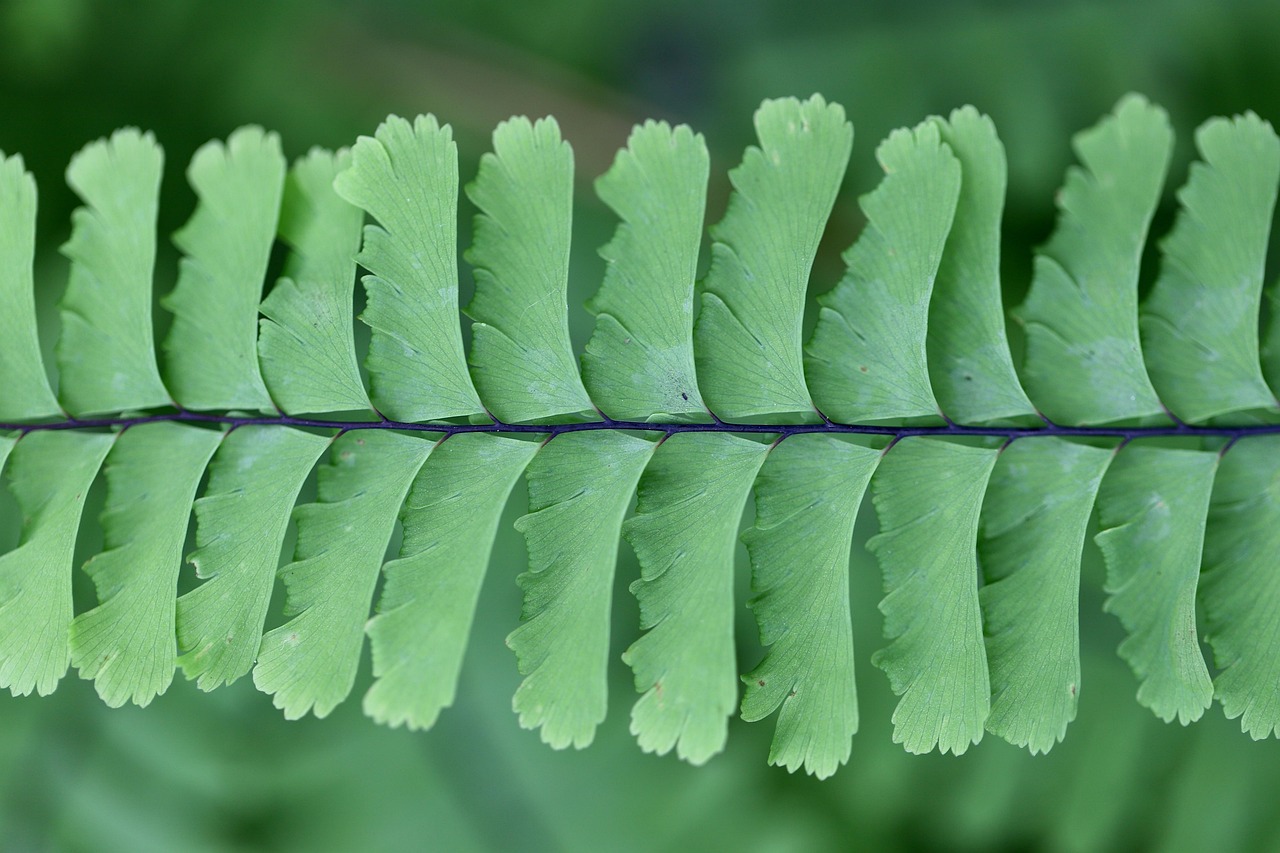
The Maidenhair fern (Adiantum) is notoriously particular about its root environment. To thrive, these ferns require a potting medium that balances moisture retention with excellent drainage. A high-quality, peat-based potting mix is ideal, as it holds the consistent dampness these plants crave without becoming waterlogged, which can quickly lead to root rot.
When potting, ensure your container has adequate drainage holes. If you choose a decorative pot without holes, use a plastic nursery liner inside to prevent water from pooling at the base. Aim to repot your fern only when it becomes root-bound, typically every two years, using a slightly larger pot to avoid excess soil that stays wet for too long.
Regular maintenance is essential to keep your fern looking lush. Over time, you may notice individual fronds turning brown or crispy due to fluctuating humidity or natural aging. Pruning these away is necessary for both aesthetics and plant health.
Follow these steps to prune your fern safely:
- Identify the dead or brown fronds at the base of the plant.
- Use clean, sharp pruning shears to make a clean cut near the soil line.
- Always cut away from your body to prevent accidental slips.
- Wipe your shears with rubbing alcohol after use to prevent the spread of pathogens.
Safety is paramount when using gardening tools. Sharp blades require respect and careful handling. Always store your pruning shears in a secure, dry place immediately after use. Ensure they are kept in a location completely out of reach of children and pets to prevent injury.
By keeping the soil consistently moist but never soggy and removing spent foliage promptly, you provide the structural support your Maidenhair fern needs to produce new, vibrant growth. If you notice a sudden die-back, check the soil moisture immediately; these ferns are quick to signal distress when their delicate root systems dry out or sit in standing water.
Temperature and Environmental Stability
Maidenhair ferns (Adiantum) are notoriously sensitive to their surroundings. Unlike hardier houseplants, they do not tolerate environmental fluctuations. To keep your fern thriving, you must prioritize stability above almost all other care factors.
These plants originate from sheltered, humid forest floors where temperatures remain consistent. When you bring them indoors, they struggle to adapt to the artificial “weather” created by modern climate control systems. Sudden shifts in temperature cause the delicate, lacy fronds to curl, brown, and eventually drop off entirely.
To prevent leaf drop, keep your maidenhair fern away from the following environmental stressors:
- Heating and cooling vents: Direct blasts of forced air will dehydrate the fronds faster than the roots can pull moisture from the soil.
- Drafty windows and doors: Cold winter drafts or hot summer breezes cause rapid temperature spikes that shock the plant.
- Radiators and space heaters: These appliances dry out the surrounding air significantly, creating an arid microclimate that is lethal to high-humidity ferns.
The ideal environment for a maidenhair fern is a room with a steady temperature between 60°F and 75°F (15°C–24°C). Avoid placing the pot near any appliance that cycles on and off, as the constant change in airflow is just as damaging as a static hot or cold spot. If you notice the foliage beginning to crisp at the edges, it is often a sign that the plant is positioned too close to a vent or in a high-traffic area with fluctuating air currents.
If you cannot find a perfectly stable spot, consider using a decorative cloche or placing the fern in a bathroom with a window. These areas naturally maintain higher humidity levels and are typically shielded from the harsh, drying effects of central heating and air conditioning. By minimizing environmental movement, you provide the consistency this fern needs to retain its lush, vibrant appearance throughout the year.
Troubleshooting Common Issues and Ongoing Care
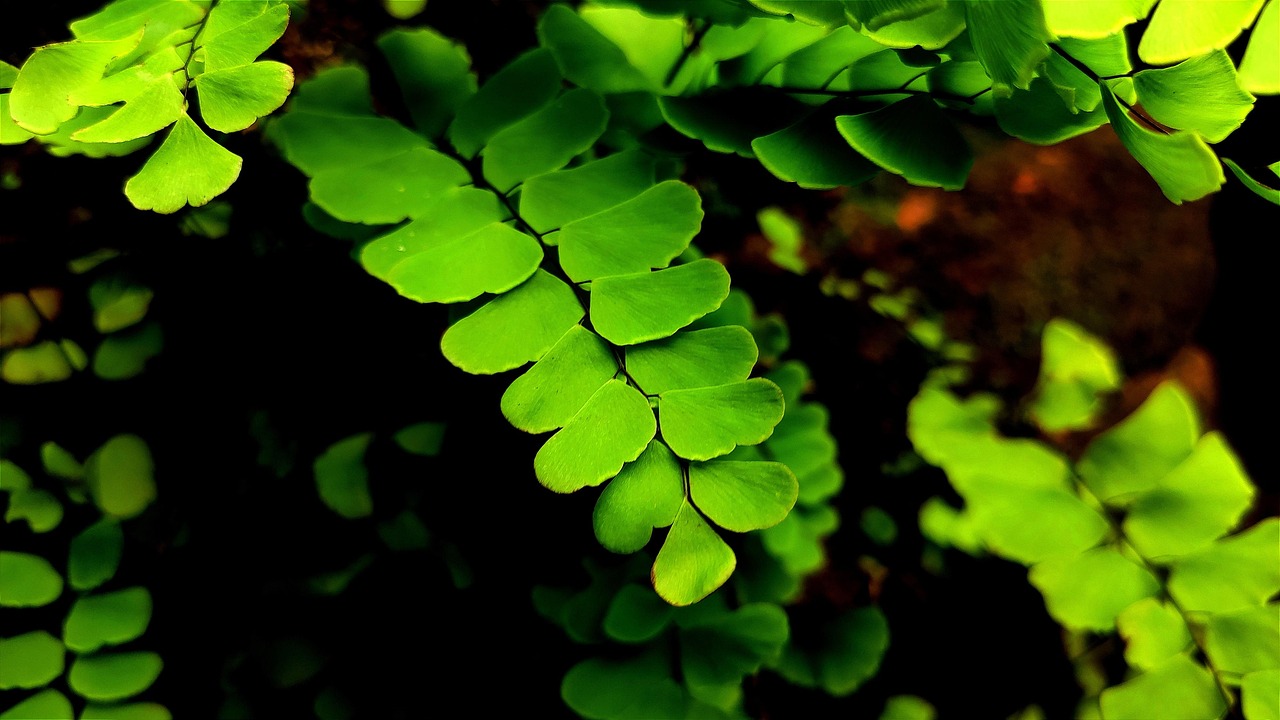
Maidenhair ferns are notoriously sensitive to their environment, but most common issues are easily corrected. If you notice yellowing fronds, the plant is likely suffering from overwatering or poor drainage, which can lead to root rot. Conversely, crispy, brown leaf edges are a classic sign of low humidity or underwatering. Because these ferns thrive in high-moisture environments, they rarely tolerate dry air.
To keep your fern healthy, monitor the soil moisture daily. The surface should always feel slightly damp to the touch. If the plant begins to look sparse, you can help it recover by:
- Increasing ambient humidity with a pebble tray or a humidifier.
- Moving the plant away from direct drafts, heaters, or air conditioning vents.
- Trimming away dead or brown fronds at the base to encourage fresh growth.
- Ensuring the pot has adequate drainage holes to prevent water from pooling at the roots.
Repotting should only occur when the plant becomes root-bound, typically every two years. Use a well-draining, peat-based potting mix to maintain the necessary moisture levels without suffocating the roots. Always choose a pot only one size larger than the current one, as excess soil can hold too much water and lead to fungal issues.
If your maidenhair fern suddenly drops its leaves or appears to be dying back, do not discard it immediately. These plants can sometimes enter a period of dormancy due to environmental stress or seasonal changes. If the rhizomes—the thick, root-like structures at the base—remain firm, the plant is still alive. Simply move it to a spot with consistent, indirect light, maintain steady moisture, and keep the temperature stable. With patience and regular care, the fern will often sprout new, delicate fronds within a few weeks. Consistency is the most effective medicine for a struggling maidenhair fern; avoid drastic changes in location or watering habits once you have identified a routine that works for your home.

Dedicated team of gardening enthusiasts with years of hands-on experience testing lawn mowers, gardening tools, and outdoor equipment. We help home gardeners and professionals alike make informed buying decisions with honest, thorough reviews. From push mowers to pruning shears, we test it all so you don’t have to. Got a gardening tool you’d like us to review? Get in touch!