
To care for a Calathea plant, you must provide consistent humidity, stable temperatures, and bright, indirect light. These tropical beauties thrive when you mimic their natural forest floor environment, ensuring their soil remains lightly moist without becoming waterlogged. Mastering these specific environmental conditions is the secret to preventing leaf edges from browning.
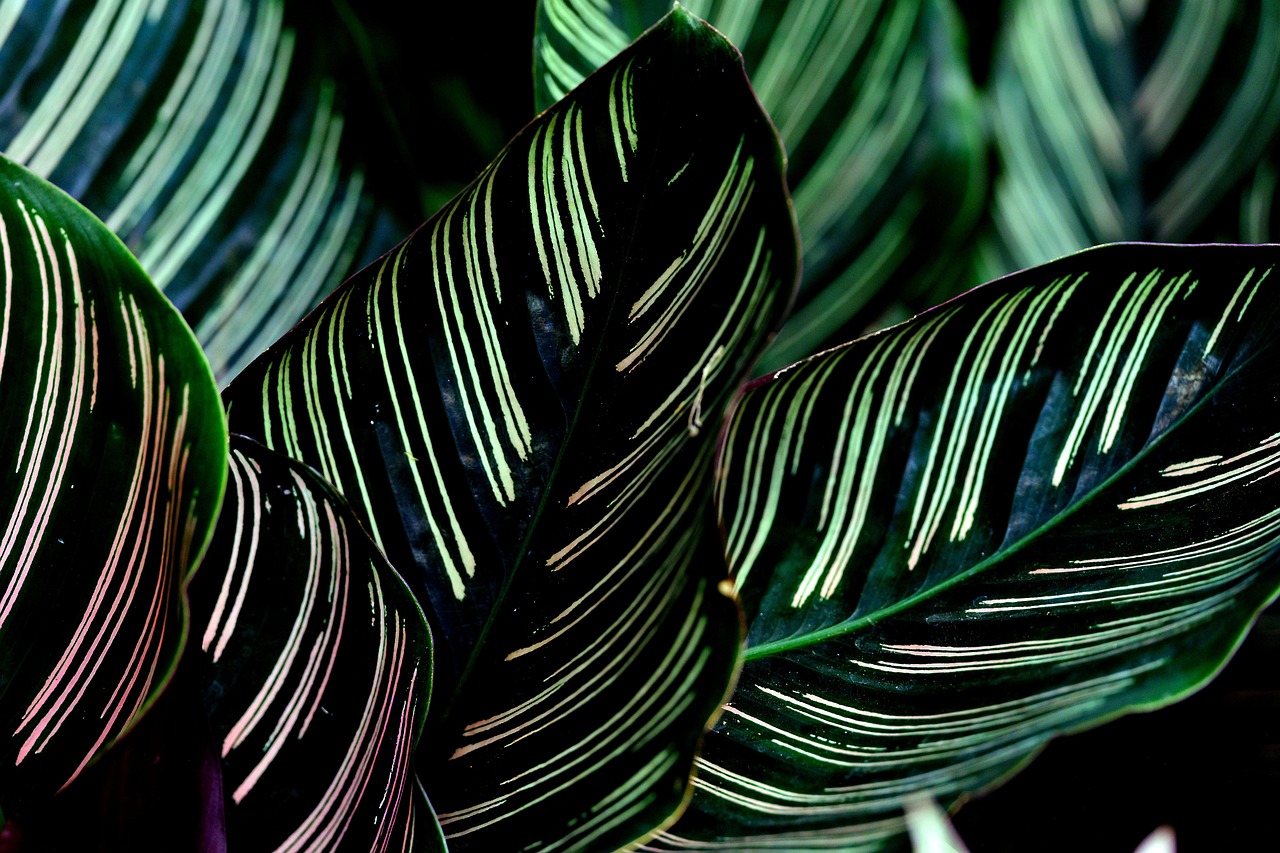
Calatheas are widely prized for their stunning, patterned leaves, but they have a reputation for being somewhat finicky houseguests. While they certainly demand more attention than a standard succulent, they are not impossible to grow indoors. By setting realistic expectations and staying consistent with your routine, you can successfully maintain their vibrant, lush appearance.
Understanding their native tropical needs is the first step toward becoming a confident plant parent. This comprehensive guide covers all the essential practical steps for keeping your prayer plant healthy and thriving in your home. From watering techniques to light placement, we provide everything you need to keep your Calathea looking its absolute best.

Mastering Light and Temperature Requirements
To keep your Calathea thriving, you must replicate the conditions of its native tropical forest floor. These plants have evolved to grow under a dense canopy, which dictates their specific light and temperature needs. Providing the right environment is the most effective way to prevent leaf curling, browning edges, and faded patterns.
Light Requirements
Calatheas require bright, indirect light to maintain their vibrant foliage. Think of a spot that receives plenty of ambient light but never direct sun. If you place your plant in a south-facing window, the harsh rays will quickly scorch the delicate leaves, causing unsightly brown patches. Instead, opt for an east-facing window or place the plant a few feet back from a south or west-facing window where the light is filtered.
Temperature Stability
These plants are sensitive to temperature fluctuations and prefer a stable environment. Aim to keep your Calathea in a room where the temperature consistently stays between 65 and 80 degrees Fahrenheit (18 to 27 degrees Celsius). If you are comfortable in your home, your Calathea likely will be too, but you must be mindful of external influences.
Follow these tips to maintain a stable climate for your plant:
- Avoid placing your plant directly in front of heating or air conditioning vents, as the forced air can dry out the leaves rapidly.
- Keep the pot away from drafty windows or doors, especially during the winter months, as cold snaps can cause the plant to go into shock.
- Ensure the plant is not sitting near exterior walls that become significantly colder than the rest of the room during the night.
Consistency is key. While Calatheas are known for being somewhat temperamental, they reward attentive owners with stunning, patterned foliage. By shielding them from direct solar exposure and keeping them away from fluctuating climate zones in your home, you provide the foundational stability they need to flourish year-round.
Watering and Humidity Essentials
Calatheas are native to tropical rainforest floors, meaning they have specific water and humidity requirements to thrive indoors. Mastering these two elements is the most effective way to prevent browning leaf edges and drooping foliage.
When it comes to watering, consistency is key. You want the soil to remain evenly moist, but never soggy. Before adding water, insert your finger about one inch into the soil. If it feels dry, it is time to water. If the soil still feels damp, wait another day or two. Always ensure your pot has adequate drainage holes, as sitting in water will quickly lead to root rot.
Because these plants are tropical, they demand high humidity levels to stay healthy. In most homes, the air is too dry, which causes the leaves to curl or turn crispy. To mimic their natural environment, try these practical methods:
- Use a humidifier: Placing a humidifier nearby is the most effective way to keep ambient moisture levels consistently high.
- Create a pebble tray: Fill a shallow tray with pebbles and water, then place your pot on top. Ensure the base of the pot sits above the water line to prevent root saturation.
- Group your plants: Clustering Calatheas together creates a microclimate where the plants can share moisture released through transpiration.
- Choose the right room: Bathrooms and kitchens often have naturally higher humidity levels, making them excellent locations for your plant.
Avoid placing your Calathea near heating vents, air conditioning units, or drafty windows. These sources of dry, moving air will strip moisture from the leaves rapidly, regardless of how often you water. If you notice the tips of the leaves turning brown despite regular watering, it is a clear signal that the surrounding air is too dry and needs an immediate humidity boost. By keeping the soil lightly moist and the air humid, your Calathea will reward you with vibrant, healthy foliage year-round.
Soil Selection and Pruning Safety
Calatheas are notoriously particular about their root environment. Because they thrive in tropical conditions, they require soil that balances moisture retention with excellent drainage. Avoid dense, heavy garden soil, which can easily lead to root rot. Instead, use a high-quality potting mix formulated for tropical houseplants.
For the best results, create a blend that includes:
- Peat moss or coco coir: These materials hold necessary moisture without becoming waterlogged.
- Perlite or pumice: These additives create air pockets, allowing the roots to breathe and preventing compaction.
- Orchid bark: A small amount helps improve overall drainage and mimics the natural forest floor environment.
Regular maintenance, such as removing yellow or damaged leaves, helps your Calathea focus its energy on healthy growth. When pruning, always use clean, sharp pruning shears. Dull blades can crush delicate plant tissue, creating jagged wounds that are susceptible to fungal infections or pests. A sharp, precise cut allows the plant to heal quickly and cleanly.
Safety is just as important as plant health when performing routine maintenance. Follow these practical tips to protect yourself while gardening:
- Mind your fingers: Always keep your non-dominant hand away from the cutting path. Never hold a leaf in a way that puts your fingers directly behind the blade.
- Sanitize your tools: Wipe your shears with rubbing alcohol before and after trimming to prevent the spread of bacteria between plants.
- Secure storage: Once you have finished pruning, immediately close the safety lock on your shears. Store them in a dedicated drawer or tool kit, well out of reach of children and pets.
By providing a well-draining substrate and practicing safe, surgical pruning techniques, you maintain the structural integrity of your Calathea while keeping your home environment safe. Consistent care creates a resilient plant that can better withstand the challenges of indoor living.
Fertilizing and Repotting Best Practices
Calatheas are relatively light feeders, so they do not require heavy fertilization to thrive. During the active growing season—typically from early spring through early autumn—provide your plant with a balanced, water-soluble fertilizer. To prevent chemical burn on the sensitive root system, always dilute the fertilizer to half-strength before application. Apply this mixture once a month, and avoid fertilizing entirely during the winter months when the plant enters a period of dormancy.
Repotting should be approached with patience, as Calatheas prefer to be slightly snug in their containers. You generally only need to repot when the plant becomes root-bound, which usually occurs every one to two years. Signs that your plant is ready for a new home include roots growing out of the drainage holes or water sitting on the surface of the soil for an extended period because the root ball has filled the entire pot.
When you decide it is time to repot, follow these practical steps to ensure a smooth transition:
- Choose a new pot that is only one to two inches larger in diameter than the current one. Ensure the container has adequate drainage holes.
- Use a high-quality, well-draining potting mix. Adding a small amount of perlite or orchid bark can improve aeration and prevent soil compaction.
- Wear gardening gloves throughout the process. This protects your skin from potential irritation caused by soil microbes, peat moss, or residual fertilizers.
- Gently loosen the root ball before placing it in the new container. Fill the gaps with fresh soil, pressing down lightly to remove large air pockets.
- Water the plant thoroughly after repotting to help the roots settle into their new environment.
By keeping your fertilization schedule light and only repotting when necessary, you minimize stress on your Calathea. Consistent, gentle care is the most effective way to maintain vibrant foliage and healthy growth patterns year-round.

Troubleshooting Common Calathea Issues
Calatheas are notoriously expressive plants. When they are unhappy, they will quickly show you through changes in their foliage. If you notice brown, crispy edges, your plant is likely struggling with low humidity or chemical sensitivity. Calatheas prefer a humid environment, so consider placing them near a humidifier or on a pebble tray. Additionally, these plants are sensitive to minerals and chemicals like fluoride found in tap water; switching to filtered, distilled, or rainwater often resolves the issue.
Monitoring your watering routine is essential for maintaining vibrant leaves. If you see drooping, the soil has likely become too dry. Conversely, yellowing leaves are a classic sign of overwatering or poor drainage. Always check the top inch of soil before adding more water; if it feels damp, wait a few days to prevent root rot.
If your plant continues to decline despite adjusting your water and humidity, inspect it closely for pests. Calatheas are particularly susceptible to spider mites, which thrive in dry air. You can often spot them by looking for fine webbing or tiny, pale stippling on the undersides of the leaves.
Follow these steps if you identify a pest infestation:
- Isolate the affected plant immediately to prevent the spread to other houseplants.
- Gently wipe down the leaves with a damp cloth to remove existing mites.
- Apply organic neem oil or an insecticidal soap to the foliage, ensuring you cover the undersides of the leaves where pests hide.
- Repeat the treatment every 7 to 10 days until you are certain the infestation has been eradicated.
Consistency is the secret to success with Calatheas. By observing these subtle cues, you can quickly diagnose the problem and adjust your care routine to help your plant thrive. Remember that recovery takes time; once you address the underlying issue, it may take several weeks for the plant to push out new, healthy growth.

Dedicated team of gardening enthusiasts with years of hands-on experience testing lawn mowers, gardening tools, and outdoor equipment. We help home gardeners and professionals alike make informed buying decisions with honest, thorough reviews. From push mowers to pruning shears, we test it all so you don’t have to. Got a gardening tool you’d like us to review? Get in touch!