
Hydrangeas typically grow anywhere from 3 to 15 feet tall, depending on the specific variety you choose for your garden. Understanding the mature size of hydrangeas is essential for planning a successful landscape. By knowing these dimensions upfront, you can ensure your shrubs have enough room to thrive without overcrowding your existing outdoor space.
While some dwarf cultivars stay compact enough for containers, other climbing or panicle types can dominate a garden bed if left unchecked. It is important to research the specific growth habits of your chosen plant before digging. Selecting the right variety ensures that your garden remains balanced and manageable throughout the growing seasons.
This guide explains how large different varieties grow and how to select the right plant for your available garden space. We will cover essential care tips, including pruning techniques that help maintain your preferred size. Follow these practical steps to keep your hydrangeas healthy, vibrant, and perfectly proportioned within your beautiful home landscape.
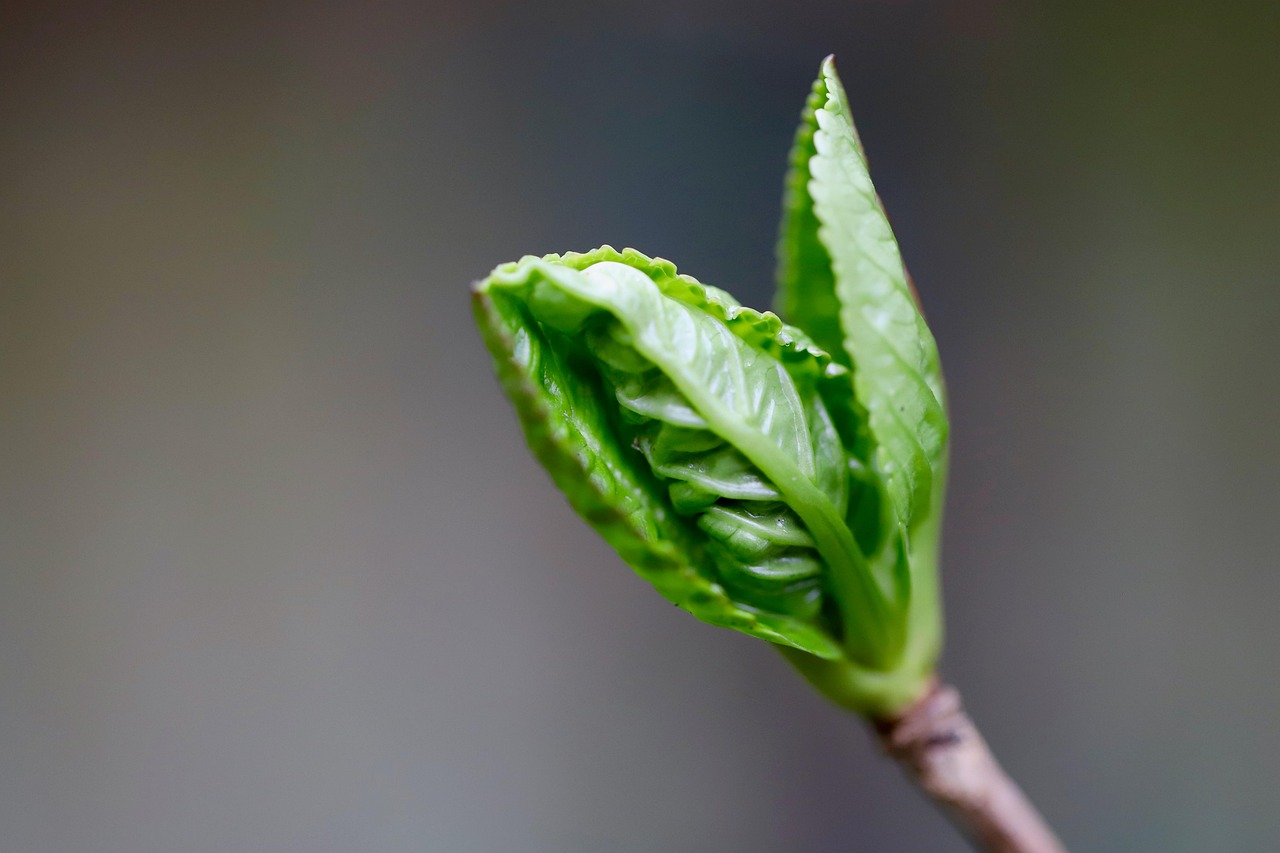
Factors Influencing Hydrangea Size
While genetic traits establish the maximum potential size of your hydrangea, environmental variables ultimately determine how large the plant will grow in your specific landscape. Even a variety bred for height may remain stunted if it lacks the essential resources required for vigorous development.
To help your hydrangeas reach their full potential, consider these four critical factors:
- Sunlight Exposure: Most hydrangeas thrive with morning sun and afternoon shade. Too much intense, direct sunlight can scorch foliage and limit growth, while excessive shade often results in leggy stems and fewer blooms.
- Soil Quality and Nutrition: Hydrangeas are heavy feeders that prefer rich, well-draining soil high in organic matter. Amending your planting site with compost improves nutrient uptake and moisture retention, providing the foundation necessary for structural growth.
- Water Availability: The name “hydrangea” is derived from the Greek word for water. These plants require consistent moisture to expand their root systems and support large flower heads. During dry spells, deep, consistent watering is far more effective than frequent, light sprinkling.
- Climate and Hardiness Zones: Your local climate dictates the length of the growing season. In colder zones, hydrangeas may experience winter dieback, which forces the plant to spend energy regenerating stems rather than adding height. Proper winter protection can help preserve old wood and encourage larger plants.
Pruning practices also play a major role in the final dimensions of your shrub. If you prune at the wrong time—such as cutting back old-wood bloomers in late spring—you may inadvertently remove the buds that would have contributed to the plant’s overall scale. Always identify your specific hydrangea variety before picking up your shears.
Finally, remember that container-grown hydrangeas will almost always remain smaller than their in-ground counterparts. The restricted root space in a pot naturally limits the plant’s ability to reach its maximum genetic height. If you want a massive, show-stopping shrub, planting directly in the garden is usually the most reliable method for success.
Size Variations by Hydrangea Species
Understanding the growth habits of your specific hydrangea is the most important step in successful landscape planning. Because size varies dramatically between species, planting a shrub in the wrong spot can lead to overcrowding or the need for constant, stressful pruning.
To ensure your garden thrives, identify your variety before you dig. Here is a breakdown of how large common species typically grow:
- Bigleaf Hydrangeas (Hydrangea macrophylla) and Mountain Hydrangeas (H. serrata): These popular varieties generally reach a manageable height of 3 to 6 feet. They are ideal for foundation plantings or mid-border placement where their rounded habit can be fully appreciated.
- Panicle Hydrangeas (Hydrangea paniculata): These are the giants of the hydrangea family. Depending on the specific cultivar, they can grow significantly larger, often reaching 10 to 15 feet in height. While dwarf versions exist, you must provide ample space for the standard varieties to prevent them from overwhelming nearby structures.
- Smooth Hydrangeas (Hydrangea arborescens): Known for their reliable blooms, these shrubs generally stay between 3 and 5 feet. Their compact nature makes them excellent choices for smaller garden beds or containers.
- Oakleaf Hydrangeas (Hydrangea quercifolia): These robust shrubs typically range from 4 to 8 feet tall. Because they spread wide, they require a generous footprint to accommodate their architectural foliage and long-lasting blooms.
Always check the plant tag or the specific nursery description for the mature size of your chosen cultivar. Breeders have introduced many “dwarf” or “compact” versions of these species that stay significantly smaller than the wild types. For example, a dwarf panicle hydrangea may only reach 3 feet, whereas its parent plant could easily tower over a doorway.
When placing your plant, measure the distance from the center of the planting hole to nearby windows, walkways, or other shrubs. If your hydrangea is expected to reach 6 feet, ensure there is at least 3 feet of clearance on all sides to allow for healthy air circulation and natural, unpruned growth.

Managing Growth Through Pruning
Pruning is the most effective way to manage the physical size and silhouette of your hydrangeas. By removing old wood and shaping the canopy, you can prevent these shrubs from overwhelming your garden beds or encroaching on walkways. However, timing and technique are critical to ensure you do not accidentally remove next year’s flower buds.
Before you begin, ensure you have the right equipment. Always use clean, sharp bypass pruners to make precise, clean cuts that heal quickly. Avoid using anvil-style pruners, which can crush stems and invite disease. For your personal safety, wear durable gardening gloves to protect against scratches and long sleeves if you are working near dense, thorny, or stiff foliage.
Follow these essential safety and maintenance guidelines when pruning:
- Identify the bloom type: Know if your hydrangea blooms on “old wood” (prune immediately after flowering) or “new wood” (prune in late winter or early spring).
- Make the right cut: Always cut just above a healthy set of leaf nodes at a 45-degree angle to encourage outward growth.
- Remove dead material: You can safely prune away dead, damaged, or diseased stems at any time of the year to improve plant health.
- Stay grounded: Never attempt to prune high branches using a ladder. If a plant has grown too tall to reach safely while standing firmly on the ground, you risk a serious fall.
If your hydrangea has outgrown its space to the point where you cannot reach the top branches, do not force the issue. A plant that has grown beyond your reach is often best handled by a professional arborist. They have the proper equipment and expertise to perform structural pruning without compromising the long-term vitality of the shrub. Remember, it is better to have a slightly overgrown plant than to risk an injury while trying to force it into a smaller shape.
Planting for Long-Term Space Requirements
Understanding the mature size of your hydrangea is the most important step in preventing future landscape headaches. While a young shrub may look modest in its nursery pot, many popular varieties can easily reach six feet or wider within a few growing seasons. Before digging, always check the specific cultivar’s tag or product description for its estimated height and width at maturity.
Proper spacing is not just about aesthetics; it is essential for plant health. When you crowd hydrangeas, you restrict airflow through the foliage. This trapped moisture creates the perfect environment for fungal issues like powdery mildew and leaf spot. By giving each shrub the room it needs to breathe, you significantly reduce the need for chemical interventions later on.
Consider these practical spacing guidelines to ensure your garden thrives long-term:
- Measure from the center: When planting multiple shrubs, space them according to their mature width. If a variety grows four feet wide, place the centers of the plants four feet apart.
- Respect the foundation: Plant hydrangeas at least three to four feet away from house foundations. This prevents moisture buildup against your siding and allows room for you to perform annual maintenance without damaging the plant.
- Clear the path: Avoid planting large cultivars directly against walkways. As the shrub matures, its heavy, arching branches can obstruct foot traffic, forcing you to prune aggressively or deal with constant snagging.
If you are working with a small garden bed, look for “dwarf” or “patio” hydrangea cultivars. These are specifically bred to maintain a compact habit, often staying under three feet tall and wide. Choosing the right plant for your available square footage saves you from the labor-intensive task of constant heavy pruning. Remember, it is far easier to choose the correct location today than it is to relocate a massive, established shrub three years down the road.

Common Questions and Follow-up Care
If you find that your hydrangea has outgrown its designated space, avoid the urge to perform aggressive, heavy pruning. Drastic hacking can shock the plant, disrupt its bloom cycle for the following season, and invite disease. Instead, the best course of action for an oversized shrub is to transplant it during the dormant season—typically in late fall or early spring—when the plant is not actively pushing energy into foliage or flowers.
When moving a large hydrangea, ensure you dig a wide root ball to minimize damage. If the shrub is too established or you have concerns regarding the structural health of the plant, contact a local master gardener or a professional landscaper. They can provide expert guidance on whether the plant can be safely divided or if it requires a different management strategy.
To support your hydrangea’s health and manage its growth rate, focus on consistent environmental care:
- Monitor Soil Moisture: Hydrangeas are thirsty plants. Check the soil frequently; if the top inch feels dry to the touch, water deeply at the base of the plant rather than overhead to prevent fungal issues.
- Apply Mulch: Spread a two-to-three-inch layer of organic mulch, such as shredded bark or pine needles, around the base. This helps retain soil moisture, regulates temperature, and suppresses weeds that compete for nutrients.
- Consistent Feeding: Use a balanced, slow-release fertilizer in early spring. Avoid heavy nitrogen applications late in the season, as this encourages soft, rapid growth that may not harden off before winter, leading to potential frost damage.
Steady, balanced growth is always preferable to rapid, forced expansion. By maintaining proper hydration and protecting the root zone with mulch, you encourage a robust, healthy plant that stays within its intended footprint. Remember, patience is your best tool in the garden; adjusting the plant’s environment is almost always more effective than attempting to force it into shape through severe pruning.

Dedicated team of gardening enthusiasts with years of hands-on experience testing lawn mowers, gardening tools, and outdoor equipment. We help home gardeners and professionals alike make informed buying decisions with honest, thorough reviews. From push mowers to pruning shears, we test it all so you don’t have to. Got a gardening tool you’d like us to review? Get in touch!