
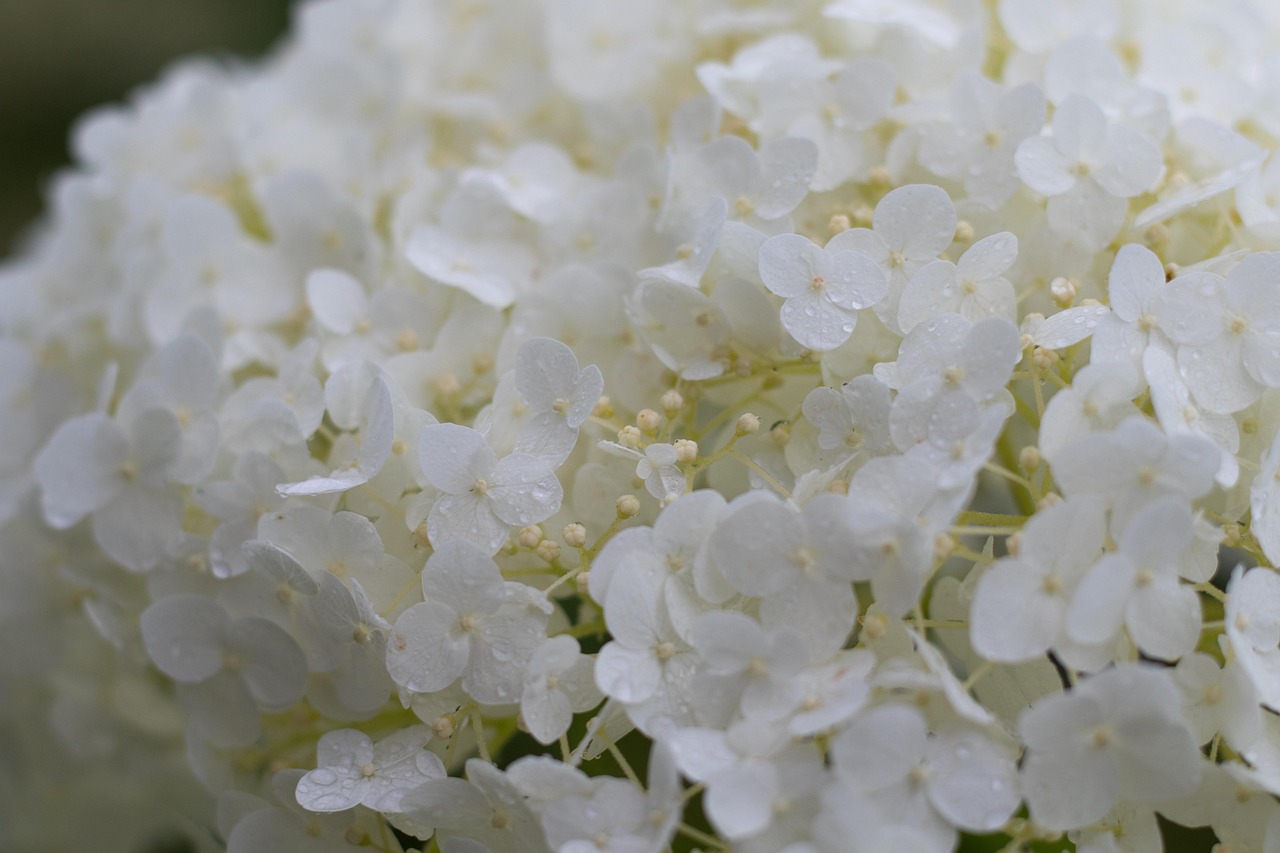
The Annabelle hydrangea typically reaches a mature size of three to five feet in both height and width. Understanding exactly how big does an Annabelle hydrangea get is essential for planning your garden layout effectively. This beloved shrub is widely celebrated for producing massive, snow-white blooms that can transform any landscape into a stunning floral display.
While these dimensions provide a reliable baseline, keep in mind that your local climate, soil quality, and sun exposure play significant roles in growth. A healthy, well-fed shrub often fills out its space quickly, creating a lush, rounded form. Providing enough room for this expansion ensures your plants remain vigorous and avoid overcrowding other garden beds.
This guide covers how large these shrubs typically grow and how to maintain their form throughout the seasons. You will learn practical tips for structural pruning, essential watering techniques, and the best placement strategies to support their heavy flower heads. Follow these expert recommendations to keep your Annabelle hydrangeas thriving and beautiful year after year.

Typical Mature Size of Annabelle Hydrangeas
Understanding the mature size of an Annabelle hydrangea (Hydrangea arborescens ‘Annabelle’) is essential for successful landscape planning. On average, this popular shrub reaches a height and width of 3 to 5 feet. While these dimensions may seem manageable, it is important to account for their tendency to spread outward over time.
Because Annabelles develop a vigorous root system and produce heavy, globe-shaped blooms, they require adequate space to thrive. Planting them too close to other shrubs or structures can restrict necessary airflow, which increases the risk of fungal issues like powdery mildew.
To ensure your garden remains healthy and visually balanced, follow these spacing guidelines:
- Spacing for Hedges: If you are planting a row of Annabelles, space the centers of each plant 3 to 4 feet apart. This allows the foliage to touch eventually, creating a cohesive, lush border without overcrowding.
- Distance from Structures: Plant your hydrangeas at least 2.5 to 3 feet away from house foundations, fences, or walls. This gap prevents moisture from being trapped against building materials and ensures the plant has room to expand without being crushed.
- Companion Planting: When pairing with perennials, place smaller, low-growing plants at least 2 feet away from the base of the hydrangea to avoid root competition and to allow the Annabelle’s lower branches to receive light.
Keep in mind that while the plant typically stays within the 5-foot range, heavy rainfall or strong winds can cause the stems to arch outward, temporarily increasing the shrub’s footprint. If you have limited space, consider using decorative plant supports or circular peony hoops early in the spring. These supports help keep the stems upright, preventing the plant from splaying into walkways or crowding neighboring species. By providing this buffer zone during planting, you minimize the need for heavy pruning later and ensure your Annabelles remain a structural highlight of your garden for years to come.
Factors That Influence Growth Patterns
While Hydrangea arborescens ‘Annabelle’ typically reaches heights of 3 to 5 feet, its actual size in your landscape depends heavily on environmental conditions. Providing the right balance of resources allows the plant to reach its full genetic potential, while deficiencies often result in stunted growth or sparse blooming.
Sunlight exposure is a primary driver of structural development. These hydrangeas thrive in partial shade, ideally receiving morning sun and protection from the harsh afternoon heat. If planted in deep shade, the stems often become leggy and weak as they stretch toward light, which can lead to a sprawling habit rather than a compact, upright form. Conversely, excessive direct sun without adequate moisture can cause the plant to remain smaller and potentially suffer from leaf scorch.
Soil quality and moisture management are equally critical for robust growth. Because ‘Annabelle’ hydrangeas produce massive, heavy flower heads, they require significant energy and hydration to support their own weight. To encourage maximum height and vigorous stems, consider these practical care steps:
- Amend the soil: Incorporate organic matter like compost or well-rotted manure during planting to improve nutrient density and water retention.
- Maintain consistent moisture: Aim for at least one inch of water per week. During hot, dry spells, deep watering at the base of the plant is more effective than frequent, shallow sprinkling.
- Apply mulch: A 2-to-3-inch layer of wood chips or shredded bark around the base helps regulate soil temperature and keeps moisture levels stable, preventing the plant from experiencing stress-induced growth stalls.
Finally, your pruning habits influence the plant’s size each season. Because ‘Annabelle’ blooms on new wood, cutting the plant back to 12–18 inches in late winter or early spring encourages strong, vigorous new shoots. If you prefer a larger, more established shrub, you can prune less aggressively, though this may result in smaller flower heads on thinner stems. Balancing these environmental factors ensures your hydrangea remains healthy, upright, and appropriately sized for your garden space.
Pruning Safely for Size Control
Because Annabelle hydrangeas bloom exclusively on new wood, they are incredibly forgiving when it comes to size management. You can prune them back significantly each winter or early spring without sacrificing your summer flowers. In fact, cutting them back hard often encourages the growth of the signature, massive white blooms for which the variety is famous.
To keep your plant healthy while controlling its height and width, follow these safety and maintenance best practices:
- Use the right tools: Opt for high-quality bypass pruners for smaller stems or loppers for thicker, woody bases. Anvil-style pruners can crush stems, which makes it harder for the plant to heal.
- Prioritize hygiene: Always ensure your blades are sharp and sanitized with rubbing alcohol before you begin. Clean cuts heal rapidly, while dull blades leave ragged edges that invite pests and fungal diseases.
- Protect yourself: Wear heavy-duty gardening gloves. Even though hydrangeas are not thorny, the stems can be stiff and abrasive, and gloves prevent blisters during repetitive cutting tasks.
- Make the right cut: Aim for a 45-degree angle just above a set of healthy, outward-facing buds. This promotes better airflow through the center of the shrub and directs new growth away from the plant’s core.
If you prefer a taller, more structural shrub, you do not need to cut the plant to the ground. You can simply trim back the top third of the stems to encourage sturdier branching. However, if your Annabelle has become too wide for its space or the stems are flopping under the weight of the blooms, cutting the entire plant back to about 18 to 24 inches above the soil line is a safe and effective way to reset its size.
Always clear away the debris from the base of the plant after pruning. Removing old clippings helps prevent moisture buildup and keeps the surrounding soil clean, ensuring your hydrangea starts the growing season with a fresh, disease-free foundation.
Managing Heavy Blooms and Stems
Because ‘Annabelle’ hydrangeas can reach impressive sizes—often growing 3 to 5 feet tall and equally wide—their massive, snow-white flower heads can become quite heavy. This is especially true after a summer rainstorm, which saturates the blooms and often causes the stems to flop over or even snap under the weight.
The best way to manage this is through proactive support rather than reactive fixing. Installing structural aids early in the season is essential for maintaining a tidy, upright appearance.
Follow these steps to keep your hydrangeas standing tall:
- Install early: Place your supports in the ground in early spring, just as the first leaves begin to emerge. Once the plant reaches its full size, it is nearly impossible to install supports without damaging the foliage or the brittle stems.
- Choose the right gear: Circular peony hoops, metal grid supports, or decorative wrought-iron fencing work best. These allow the stems to grow up through the structure, which eventually hides the support entirely.
- Use natural boundaries: If you prefer a more organic look, planting your Annabelle hydrangea near other sturdy shrubs or against a garden fence can provide the necessary structural backbone to prevent flopping.
- Avoid heavy pruning: While it is tempting to cut the plant back significantly, leaving some of the previous year’s woody growth can provide a sturdier framework for new stems to lean against during the growing season.
If you find that your plant is consistently struggling to stay upright, consider moving it to a location with slightly more morning sun. While Annabelles enjoy partial shade, excessive shade can lead to leggy, weak stems that lack the strength to hold up those iconic, dinner-plate-sized blossoms. By providing the right support early in the season and ensuring adequate light, you can enjoy the full, lush display of your hydrangeas without the frustration of drooping or broken branches.

Common Questions and Long-Term Maintenance
Many gardeners wonder if they can restrict the size of an Annabelle hydrangea. The good news is that you have significant control over its stature. Because this variety blooms on new wood, you can prune it back hard—down to 12 to 18 inches from the ground—in late winter or early spring. This aggressive cut encourages vigorous new growth and results in stronger stems that better support those iconic, massive white flower heads.
If your plant is failing to reach its expected size or shows signs of distress, it is time to investigate your growing conditions. Hydrangeas rely on specific environmental factors to thrive:
- Soil pH: While Annabelle is less sensitive to pH than blue-flowering varieties, extremely acidic or alkaline soil can still hinder nutrient uptake, leading to yellowing leaves (chlorosis).
- Drainage: These plants prefer moist, well-draining soil. If water pools around the base, the roots may suffocate, leading to stunted growth or root rot.
- Sun Exposure: Ensure your plant receives morning sun and afternoon shade. Too much intense heat can scorch the foliage and reduce overall plant vigor.
Routine maintenance is straightforward, but do not hesitate to seek expert help if you encounter persistent issues. If you are nervous about deep pruning or notice unusual spots, webbing, or wilting that does not resolve with regular watering, consult a local master gardener or a certified arborist. These professionals can provide a site-specific assessment, helping you identify whether you are dealing with a simple nutrient deficiency or a more complex pest infestation.
By monitoring your plant’s health throughout the growing season, you can ensure your Annabelle remains a healthy, manageable focal point in your landscape for years to come. Remember, consistency in watering during the first two years is the single most important factor in establishing a robust root system that will support the plant’s mature size.

Dedicated team of gardening enthusiasts with years of hands-on experience testing lawn mowers, gardening tools, and outdoor equipment. We help home gardeners and professionals alike make informed buying decisions with honest, thorough reviews. From push mowers to pruning shears, we test it all so you don’t have to. Got a gardening tool you’d like us to review? Get in touch!