
Panicle hydrangeas typically reach between 3 and 15 feet in height, depending on the specific cultivar you choose. While some compact varieties stay small enough for containers, others grow into large, tree-like shrubs that anchor a landscape. Understanding these mature dimensions is essential for ensuring your plant has enough room to thrive long-term.
These popular shrubs are prized for their reliable summer blooms and impressive versatility in various climates. However, growth rates and final sizes vary significantly based on pruning habits, soil quality, and local sun exposure. Setting realistic expectations early prevents overcrowding and ensures your garden remains balanced as these hardy plants reach their full maturity.
Selecting the perfect spot requires balancing your aesthetic vision with the practical needs of the plant. In this guide, we provide expert advice on choosing the right variety for your space and mastering essential care techniques. Follow our practical tips to keep your hydrangeas healthy, vibrant, and perfectly sized for your unique home garden layout.

Understanding Size Variation in Panicle Hydrangeas
When selecting a panicle hydrangea (Hydrangea paniculata) for your landscape, the most critical factor is the specific cultivar you choose. Unlike some plants that can be heavily controlled by pruning, the genetic potential of a panicle hydrangea dictates its ultimate footprint. Understanding these variations helps you avoid the common mistake of planting a shrub that will eventually outgrow its space.
Panicle hydrangeas exist on a broad spectrum of sizes. On one end, you have compact, dwarf varieties specifically bred for containers or small garden beds. On the other, you have vigorous, tree-like specimens that can dominate a landscape. Generally, you can categorize their mature size into three tiers:
- Dwarf Varieties: These typically stay under 3 feet tall and wide, making them ideal for perennial borders or large decorative pots.
- Mid-Sized Shrubs: These usually range from 4 to 8 feet. They are the most versatile, often serving as foundation plantings or privacy screens.
- Tree-Form or Large Shrubs: These can reach 10 to 15 feet or more. These varieties require significant vertical space and are often used as focal points or informal hedges.
It is important to remember that these size estimates reflect the plant at maturity, which often takes several years of healthy growth. While you can influence the shape and density of your hydrangea through annual pruning, you cannot fundamentally change its genetic height. If you prune a large variety to keep it small, you risk sacrificing the plant’s natural, elegant arching habit and reducing its flower production.
Before purchasing, always check the plant tag or the nursery’s specifications for the “mature size.” If you are working with a tight space, prioritize cultivars labeled as “dwarf” or “compact.” If you have ample room, larger varieties can provide a stunning, long-lasting architectural element to your garden. Selecting the right size from the start ensures your hydrangea thrives without requiring constant, aggressive intervention to keep it within the bounds of your garden design.
Dwarf vs. Standard Varieties
When selecting a panicle hydrangea for your landscape, understanding the difference between dwarf and standard varieties is essential for long-term success. These plants vary significantly in their mature size, and choosing the right one prevents the need for excessive pruning or relocating an overgrown shrub later.
Dwarf Varieties
Dwarf cultivars, such as ‘Bobo’ or ‘Little Lime’, have been specifically bred to maintain a compact, manageable habit. These plants typically reach a mature height of only 3 to 5 feet. Their smaller stature makes them excellent choices for:
- Large patio containers or decorative pots
- Small garden beds or foundation plantings
- Adding seasonal color to tight spaces without crowding walkways
Because these varieties grow slowly and stay low to the ground, they require very little maintenance beyond standard annual pruning to encourage fresh blooms. They provide the classic panicle hydrangea look—sturdy stems and cone-shaped flower heads—on a scale that fits modern, smaller residential landscapes.
Standard Varieties
Standard panicle hydrangeas, including popular choices like ‘Limelight’ or ‘Tardiva’, are much more vigorous. When planted in ideal conditions, these shrubs can easily reach 6 to 10 feet in height and width. Their rapid growth rate and substantial size make them better suited for:
- Large, open garden borders where they have room to spread
- Serving as dramatic, high-impact focal points in the yard
- Creating natural privacy screens or informal flowering hedges
Before planting a standard variety, ensure you have ample space. While they can be kept smaller through aggressive pruning, they are happiest and most productive when allowed to reach their natural, full-sized potential. Always check the specific plant tag or nursery label at the time of purchase, as even within these two categories, exact mature dimensions can vary slightly based on your local climate, soil quality, and the amount of sunlight the shrub receives throughout the growing season.
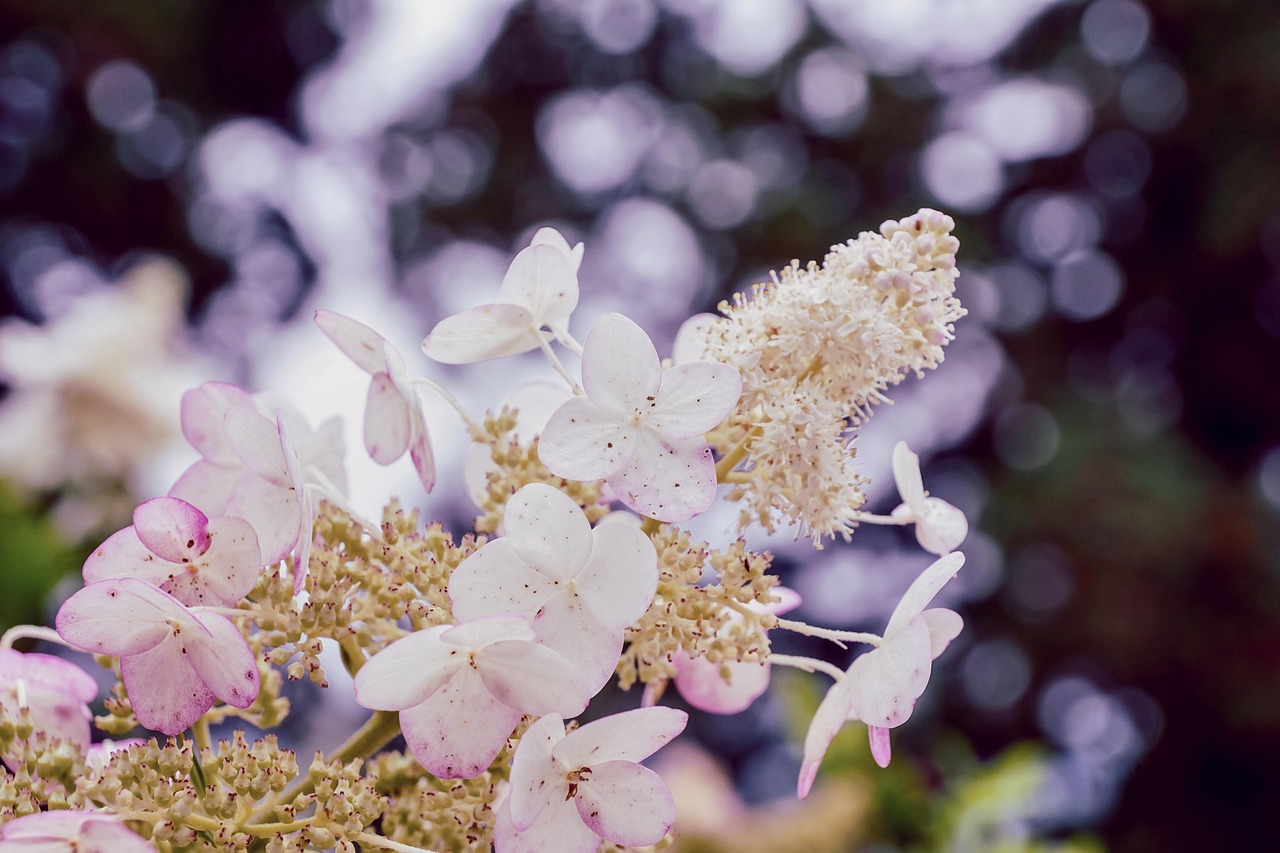
Factors Influencing Growth and Development
While the genetic makeup of your specific panicle hydrangea variety (Hydrangea paniculata) sets the ultimate ceiling for its height and width, environmental conditions largely dictate how quickly and robustly it reaches that potential. Understanding these variables helps you manage expectations and optimize your garden layout.
To ensure your shrub thrives and achieves its intended stature, consider these primary growth influencers:
- Sunlight Exposure: Panicle hydrangeas are sun-lovers. While they tolerate partial shade, those planted in full sun—receiving at least six hours of direct light daily—develop stronger stems and reach their mature size more rapidly.
- Soil Quality and Fertility: Rich, well-draining soil provides the nutrients necessary for vigorous growth. If your soil is sandy or heavy clay, amend it with organic compost before planting to encourage a healthy root system.
- Consistent Moisture: Hydrangeas require steady hydration, especially during their first two years. Plants that experience frequent drought stress will often remain stunted or produce smaller, fewer blooms compared to those with consistent access to water.
- Spacing: This is the most common oversight. Always check the plant tag for the mature width of your specific cultivar. Planting too close to foundations, fences, or other shrubs restricts airflow and root expansion, forcing the plant to compete for resources and preventing it from developing its natural, graceful shape.
Maintenance practices also play a significant role. While panicle hydrangeas are generally low-maintenance, timely pruning in late winter or very early spring encourages new, vigorous growth. By removing dead wood and crossing branches, you direct the plant’s energy toward structural development rather than maintenance of damaged limbs.
Ultimately, a panicle hydrangea provided with fertile soil, adequate space, and consistent moisture will consistently reach its advertised size. If you find your plant is lagging, evaluate these environmental factors first before assuming a genetic limitation. Proper preparation at the time of planting is the most effective way to ensure your shrub reaches its full, impressive potential in your landscape.
Pruning Safely for Size Management
Panicle hydrangeas (*Hydrangea paniculata*) are vigorous growers, but you can effectively manage their overall size and shape through annual pruning. Because these shrubs bloom on new wood, the best time to prune is in late winter or early spring, just before the plant breaks dormancy and begins its new growth cycle.
Before you begin, prioritize your personal safety. Always wear heavy-duty gardening gloves to protect your hands from woody stems and potential irritants. Additionally, wear eye protection to shield yourself from flying debris or accidental contact with branches while reaching into the shrub’s interior.
Using the right equipment is essential for both your safety and the health of the plant. Always use sharp, clean bypass pruners or loppers. Dull blades can crush stems rather than slicing through them, which creates jagged wounds that are slow to heal and susceptible to disease.
Follow these steps for a clean, safe pruning session:
- Sanitize your blades: Wipe your pruners with rubbing alcohol or a mild bleach solution before starting to prevent the spread of pathogens between plants.
- Remove the “Three Ds”: Start by cutting away any dead, damaged, or diseased wood. These branches contribute nothing to the plant’s vigor and can harbor pests.
- Thin the interior: Remove crossing or rubbing branches to improve airflow and light penetration, which helps keep the plant healthy as it grows.
- Cut to size: To manage the height, cut the remaining healthy stems back to a pair of strong, outward-facing buds. You can typically remove up to one-third of the plant’s height without harming its ability to bloom in the summer.
By making precise, clean cuts just above a bud union, you encourage the plant to direct its energy into sturdy new growth. If you are aiming for a smaller, more compact shrub, don’t be afraid to prune aggressively; panicle hydrangeas are resilient and will respond with a flush of new stems that will produce large, beautiful blooms later in the season.

Common Questions and Long-Term Care
Many gardeners wonder if they can keep a large panicle hydrangea small through aggressive pruning. While you can certainly reduce the size of a standard variety, it is rarely the best long-term solution. Constant heavy pruning can stress the plant, reduce its ability to bloom, and create an unnatural, stunted shape. If your garden space is limited, it is far more practical to select a dwarf cultivar—such as ‘Bobo’ or ‘Little Lime’—which naturally matures to a manageable size without constant intervention.
For established shrubs, consistent care is the key to longevity and vigor. Panicle hydrangeas are relatively low-maintenance, but they thrive when provided with a stable environment. Follow these practices to ensure your plant remains healthy for years to come:
- Mulching: Apply a two-to-three-inch layer of organic mulch, such as shredded bark or compost, around the base of the plant. This helps retain soil moisture, suppresses weeds, and regulates ground temperature during hot summer months.
- Hydration: While panicle hydrangeas are more sun-tolerant than other types, they still require consistent water, especially during their first few years or during periods of prolonged drought.
- Monitoring: Inspect your shrub regularly for signs of stress, such as yellowing leaves, spotted foliage, or sudden wilting. Early detection of pests like aphids or scale can prevent significant damage.
Even with the best care, plants can sometimes face unexpected challenges. If your hydrangea exhibits signs of severe disease, such as persistent fungal infections, or if you notice structural failure like splitting branches or leaning, do not hesitate to reach out for professional help. Local master gardeners or certified arborists can provide personalized advice tailored to your specific soil conditions and climate.
By choosing the right plant for your space at the outset and maintaining a simple, consistent care routine, you can enjoy the stunning, cone-shaped blooms of your panicle hydrangea for decades. Focus on providing the right environment, and your shrub will reward you with reliable growth season after season.

Dedicated team of gardening enthusiasts with years of hands-on experience testing lawn mowers, gardening tools, and outdoor equipment. We help home gardeners and professionals alike make informed buying decisions with honest, thorough reviews. From push mowers to pruning shears, we test it all so you don’t have to. Got a gardening tool you’d like us to review? Get in touch!