
A Limelight hydrangea typically grows to a mature height and width of 6 to 8 feet. Because these popular shrubs reach such a significant size, understanding their full growth potential is essential for proper garden planning. Knowing these dimensions ensures you provide enough space for them to thrive without overcrowding your landscape.
While their reliable blooms and vibrant lime-green color make them a favorite, these plants require ample room to flourish. It is important to set realistic expectations, as planting them too close to structures or walkways can lead to maintenance headaches later on. Proper spacing prevents the need for excessive, damaging pruning in the future.
This guide covers exactly how large these stunning shrubs grow and provides practical tips to keep them within your specific landscape design. Whether you are working with a sprawling backyard or a more compact garden bed, you will learn how to manage their size effectively while maintaining their signature, show-stopping floral display all season.

Understanding the Mature Size of Limelight Hydrangeas
When planning your landscape, understanding the mature dimensions of a Limelight hydrangea (Hydrangea paniculata ‘Limelight’) is essential for long-term success. On average, a standard Limelight hydrangea reaches a mature height and width of 6 to 8 feet. Because these shrubs are vigorous growers, they can fill an empty space in your garden remarkably quickly.
Because of their size, proper placement is critical. If planted too close to foundations, walkways, or other garden beds, these shrubs can quickly become overgrown and difficult to manage. To ensure your garden remains healthy and visually balanced, consider the following spacing guidelines:
- Spacing: Space plants at least 6 to 8 feet apart (measured from center to center) to allow for adequate airflow, which helps prevent fungal issues like powdery mildew.
- Foundation Planting: Keep shrubs at least 4 feet away from house walls or fences. This provides enough room for the branches to spread without rubbing against siding or obstructing airflow to the structure.
- Maintenance Access: Ensure there is enough room to walk around the perimeter of the shrub for seasonal pruning and inspection.
While the standard Limelight is a large shrub, it is important to note that it is a different cultivar than the ‘Little Lime’ hydrangea. If you find that 8 feet is too large for your specific garden bed, the ‘Little Lime’ variety offers the same iconic lime-green blooms but matures to a much more compact 3 to 5 feet.
If you have already planted a standard Limelight in a tight spot, do not panic. These hydrangeas are incredibly resilient and tolerate heavy pruning well. You can manage their size by pruning them back in late winter or early spring before new growth emerges. However, choosing the right spot at the time of planting is the most effective way to minimize maintenance and allow the shrub to develop its natural, elegant form without the need for constant heavy cutting.
The Compact Alternative: Limelight Prime
If the standard Limelight hydrangea’s 6 to 8-foot stature feels overwhelming for your landscape, the Limelight Prime is an excellent alternative. This refined cultivar was specifically developed to offer the same reliable, show-stopping panicle blooms while maintaining a much smaller footprint. Typically reaching only 4 to 5 feet in height and width, it fits comfortably into tighter spaces where the original variety might require constant, aggressive pruning.
Because of its tidy, upright habit, Limelight Prime is exceptionally versatile. It works beautifully as a foundation planting, a focal point in a smaller garden bed, or even as a high-impact container specimen. Its stems are notably stronger than the original, ensuring the large, lime-to-white flower heads remain upright and visible throughout the season, even after heavy rain.
To keep your Limelight Prime thriving in a smaller space, follow these practical care guidelines:
- Consistent Moisture: While established hydrangeas are somewhat resilient, container-grown Limelight Primes dry out quickly. Check the soil daily during hot spells and water deeply when the top inch of soil feels dry.
- Strategic Pruning: Even though it is compact, a light trim in late winter or early spring encourages vigorous new growth and ensures the plant stays within its intended size range.
- Sun Exposure: For the best bloom density, ensure your shrub receives at least six hours of direct sunlight. In extremely hot climates, provide some afternoon shade to prevent leaf scorch.
- Fertilization: Use a balanced, slow-release fertilizer in early spring as the buds begin to swell. Avoid late-season feeding, which can push tender growth that may be damaged by the first frost.
By choosing the Limelight Prime, you do not have to sacrifice the iconic beauty of the Limelight series just because you have limited square footage. With its manageable size and robust constitution, it remains one of the most practical choices for modern, space-conscious home gardeners looking for long-lasting seasonal color.

Safe Pruning Practices for Size Control
While Limelight hydrangeas can reach heights of 6 to 8 feet, you can effectively manage their stature through consistent, annual pruning. Because this variety blooms on new wood, the best time to prune is in late winter or very early spring before new growth emerges. This timing ensures you do not accidentally remove the season’s flower buds.
To maintain a smaller, more compact form, you can safely remove up to one-third of the shrub’s height. Always use sharp, sterilized bypass pruners or loppers to ensure clean cuts that heal quickly. Dull blades can crush stems, leaving the plant vulnerable to disease or pest infestation.
Follow these safety guidelines to protect yourself and your plants:
- Wear protective gear: Use heavy-duty gardening gloves to shield your hands from scratches caused by stiff branches and potential debris.
- Prioritize stability: Since you may be working at chest or shoulder height, ensure you have firm, level footing. Never stand on unstable surfaces or reach beyond your balance to avoid falls.
- Sanitize your tools: Wipe your blades with rubbing alcohol or a 10% bleach solution between cuts if you suspect any fungal issues to prevent spreading pathogens.
- Make clean cuts: Always cut at a slight angle just above a pair of healthy buds. This prevents water from pooling on the cut surface and encourages outward growth rather than inward congestion.
If you prefer a more natural look, focus on removing dead, damaged, or crossing branches first. This “thinning” approach improves airflow through the center of the shrub, which promotes stronger stems that can better support those iconic, heavy lime-colored blooms. By removing weak growth annually, you encourage the plant to direct its energy into a sturdy, manageable structure. Always step back frequently while pruning to assess the overall shape and ensure you are achieving the desired size without over-pruning, which can stress the plant and reduce flower production for the coming season.
Planting for Success and Future Growth
When planning your landscape, remember that the Limelight hydrangea is a vigorous grower. While it may look small in a nursery container, it will eventually reach a mature size of 6 to 8 feet tall and wide. To ensure your shrub thrives without becoming a maintenance burden, you must account for this future expansion at the time of planting.
Position your hydrangea at least 5 to 6 feet away from fences, walls, or walkways. Planting too close to structures restricts the plant’s natural spread and can lead to several long-term issues:
- Air Circulation: Adequate spacing allows air to flow freely through the branches. This is crucial for reducing humidity around the foliage, which significantly lowers the risk of fungal diseases like powdery mildew.
- Structural Integrity: When a shrub is crowded against a wall, it often grows lopsided as it reaches for light. Proper placement ensures a balanced, rounded shape.
- Maintenance Ease: Providing enough room eliminates the need for overly aggressive pruning. If you plant too close to a path, you will be forced to constantly trim the shrub back to keep it from obstructing your walkway, which can ruin its natural, elegant form.
Before digging your hole, visualize the mature footprint of the plant. If you are planting in a row to create a hedge, space the centers of each plant 6 to 7 feet apart. This spacing creates a seamless, lush look once they reach maturity while still providing each shrub with the resources it needs to produce those signature lime-green blooms.
Finally, consider the sun exposure in your chosen spot. Limelight hydrangeas perform best in full sun to partial shade. By giving them the space they need, you ensure the lower branches receive enough light, preventing the “leggy” appearance that often occurs when a plant is fighting for resources or trapped in a cramped, shaded corner. Proper placement today is the most effective way to guarantee a healthy, low-maintenance garden for years to come.
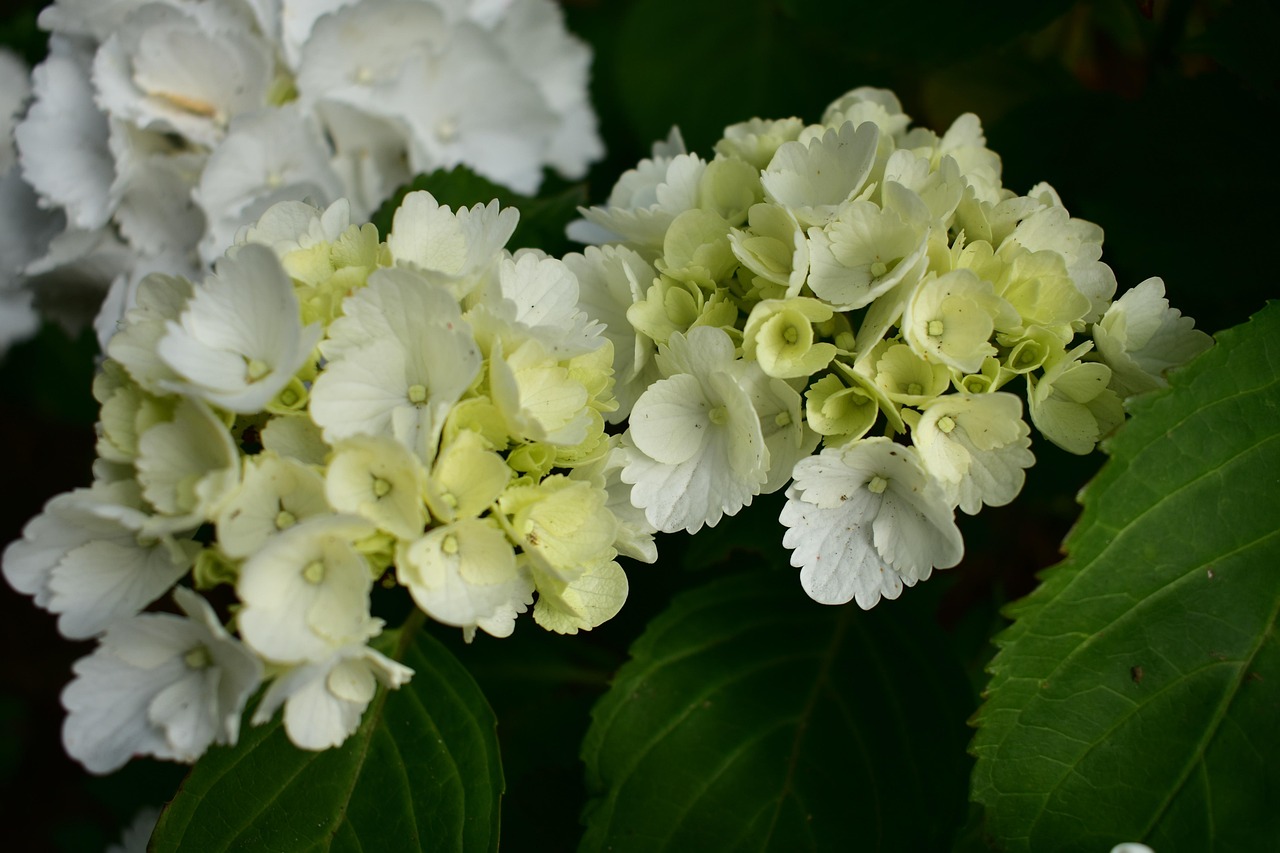
Follow-Up Care and Common Questions
Limelight hydrangeas are vigorous growers that bloom on new wood. Because of this growth habit, the ideal time for size control is in late winter or early spring, just before the plant breaks dormancy and new growth begins. Pruning at this time ensures you do not accidentally remove the flower buds that will develop later in the season.
To keep your shrub at a manageable size, you can prune back the branches by one-third to one-half of their height. Regular annual pruning also encourages strong, sturdy stems that can better support the large, heavy panicles of blooms later in the summer.
If your Limelight hydrangea has outgrown its space significantly, you can perform a rejuvenation prune. This involves cutting the plant back to 12 to 18 inches above the ground. While this is an effective way to reset the shrub’s size, be aware that it will likely reduce or eliminate blooms for the current growing season.
When performing maintenance, keep these practical tips in mind:
- Use sharp, clean bypass pruners or loppers to ensure clean cuts that heal quickly.
- Always make cuts at a 45-degree angle just above a set of healthy buds.
- Remove any dead, diseased, or crossing branches to improve airflow and plant health.
- Clean your tools with rubbing alcohol between plants to prevent the spread of potential pathogens.
If you find your shrub has become too large to manage safely, or if you are uncomfortable using sharp tools on thick, established woody branches, do not hesitate to seek help. Hiring a professional arborist or experienced landscaper is a proactive way to ensure the plant remains healthy and structurally sound. A professional can perform the heavy lifting while preserving the natural, vase-like shape that makes the Limelight hydrangea such a standout in the landscape. Regular, light maintenance is always easier than a drastic overhaul, so try to address size concerns before the shrub becomes overgrown.

Dedicated team of gardening enthusiasts with years of hands-on experience testing lawn mowers, gardening tools, and outdoor equipment. We help home gardeners and professionals alike make informed buying decisions with honest, thorough reviews. From push mowers to pruning shears, we test it all so you don’t have to. Got a gardening tool you’d like us to review? Get in touch!