
Nikko Blue hydrangeas typically grow between four and six feet tall and wide at maturity. These stunning shrubs are beloved for their massive, vibrant mophead blooms, but understanding their full size is essential for proper garden planning. Knowing these dimensions ensures you provide enough space for them to thrive without overcrowding your landscape.
While these measurements provide a helpful baseline, your plant’s ultimate size depends heavily on your local climate, soil quality, and pruning habits. In ideal conditions with rich, moist soil, they may even exceed these averages. Setting realistic expectations early helps you choose the perfect permanent spot for these beautiful, long-lived flowering shrubs.
This guide explains exactly how large these shrubs grow and provides practical tips for keeping them healthy and well-shaped in your home garden. Whether you are planting a new hedge or adding a focal point, you will learn the best techniques for managing their size while ensuring a spectacular display of blue flowers every season.

Understanding the Mature Size of Nikko Blue Hydrangeas
When planning your landscape, understanding the mature size of the Nikko Blue hydrangea (Hydrangea macrophylla ‘Nikko Blue’) is essential for long-term success. On average, these popular shrubs reach a mature height and width of 4 to 6 feet. While they typically stay within this range, they can occasionally grow slightly larger under ideal conditions, such as in nutrient-rich, consistently moist soil with optimal morning sun exposure.
Because these plants have a rounded, spreading habit, providing enough space is critical. Proper spacing prevents overcrowding, which is a common cause of poor air circulation. When plants are packed too tightly, humidity becomes trapped between the leaves, significantly increasing the risk of fungal issues like powdery mildew and leaf spot.
To ensure your Nikko Blue hydrangeas thrive, follow these spacing guidelines:
- Spacing: Plant individual shrubs at least 5 to 6 feet apart, measuring from the center of one root ball to the next. This allows the foliage to reach its full potential without competing for resources.
- Placement: Avoid planting too close to foundations or walkways. Even if a young plant looks small, remember that it will eventually fill a 5-foot diameter circle.
- Airflow: Keep the base of the plant clear of dense mulch or encroaching weeds to encourage healthy air movement at the soil level.
If you find that your hydrangea has outgrown its designated space after several years, you can manage its size through careful pruning. However, keep in mind that Nikko Blue hydrangeas bloom on “old wood”—the growth produced during the previous season. Pruning at the wrong time of year can inadvertently remove next season’s flower buds.
The best time to prune is immediately after the flowers fade in mid-summer. Avoid heavy pruning in late autumn or early spring, as this will likely result in a season without blooms. By respecting the plant’s natural dimensions and providing adequate room from the start, you will enjoy a healthier, more vibrant display of blue mophead flowers for years to come.
Factors Influencing Growth and Development
While the genetics of the Hydrangea macrophylla ‘Nikko Blue’ establish its potential to reach heights and widths of 4 to 6 feet, your local environment acts as the primary regulator. Even with the right genetic blueprint, a shrub will remain stunted if its basic needs are not met.
To encourage your Nikko Blue to reach its full size, focus on these three critical environmental factors:
- Sunlight Exposure: These hydrangeas thrive in partial shade. Morning sun is ideal, as it provides enough energy for robust growth and bloom production. However, intense afternoon heat can scorch the leaves and dehydrate the plant, forcing it to focus on survival rather than outward expansion.
- Soil Quality: Hydrangeas are heavy feeders that prefer rich, well-draining soil. If your native soil is sandy or heavy clay, amend it with organic matter like compost or aged manure before planting. This improves nutrient availability and moisture retention, providing the structural support needed for healthy stems.
- Water Availability: Consistent moisture is the most common limiting factor for growth. Because of their large leaf surface area, Nikko Blues lose water quickly. During dry spells, provide deep, consistent irrigation at the base of the plant to keep the root zone damp but not waterlogged.
In addition to these factors, consider your climate zone. In cooler regions, the plant may experience dieback during winter, which effectively resets its size each spring. In warmer climates with a longer growing season, the shrub has more time to add woody growth, making it more likely to reach the higher end of its size spectrum.
Finally, avoid aggressive pruning at the wrong time. Since Nikko Blue hydrangeas bloom on “old wood” (growth from the previous year), pruning too late in the season will remove next year’s buds. By maintaining a steady environment and pruning only immediately after flowering, you allow the plant to dedicate its energy to steady, year-over-year development.
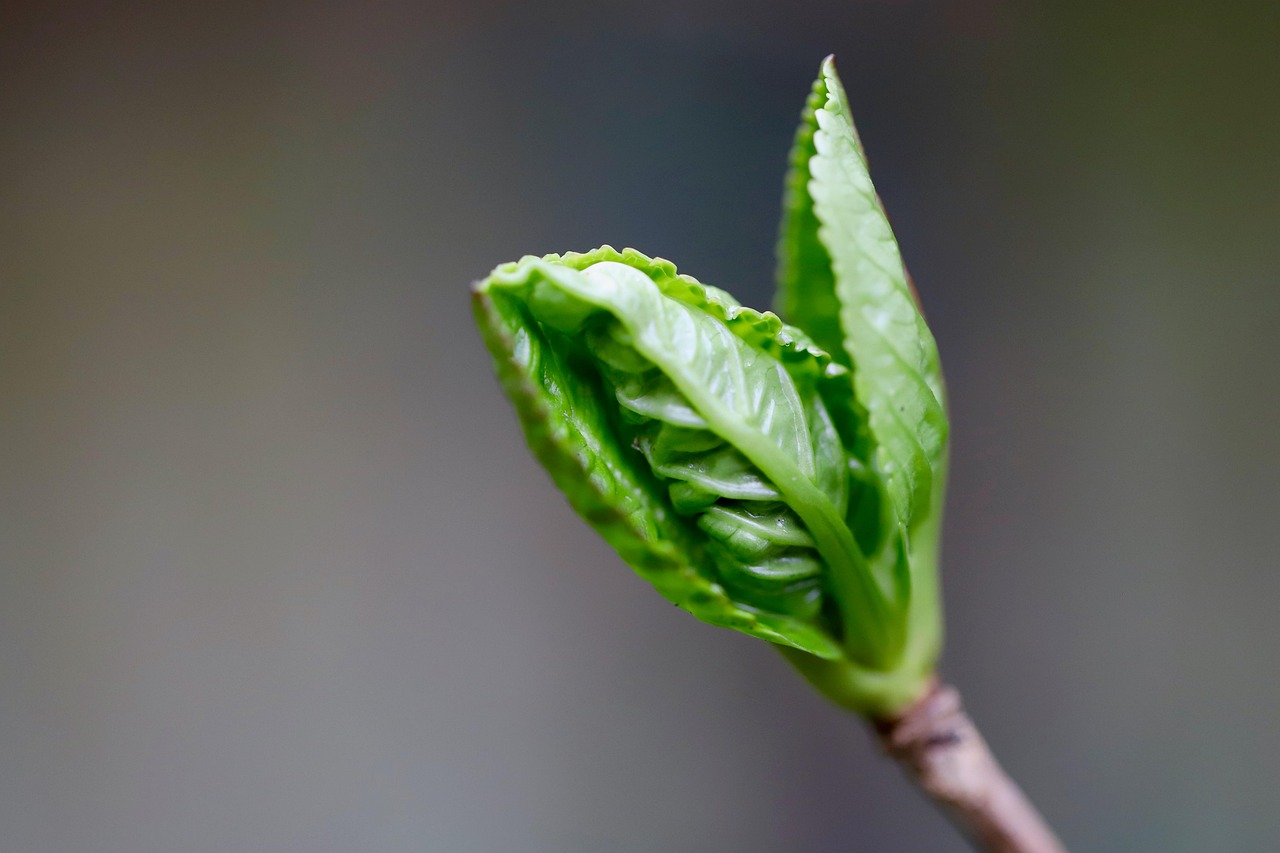
Safe Pruning Techniques for Size Control
If your Nikko Blue hydrangea begins to outgrow its designated space, strategic pruning is an effective way to manage its size. However, because this variety blooms on “old wood”—meaning the flower buds for next year are set on the current season’s growth—timing is critical. You must prune immediately after the plant finishes flowering in mid-to-late summer. If you wait until autumn or winter, you will inadvertently remove next year’s blooms.
Before you begin, ensure you have the right equipment and a safe environment. Always use sharp, clean bypass pruners to ensure precise, clean cuts that heal quickly. Avoid using anvil-style pruners, which can crush delicate stems. Additionally, wear sturdy gardening gloves to protect your hands from rough stems or hidden debris. Before making any cuts, ensure you are on stable, level footing and never reach above shoulder height with your tools, as this compromises your balance and control.
When you are ready to reduce the size of your shrub, follow these safety and care guidelines:
- Make clean cuts: Cut just above a healthy leaf node at a 45-degree angle. This prevents water from pooling on the cut surface, reducing the risk of rot or disease.
- Be selective: Instead of shearing the entire plant, remove one-third of the oldest, tallest stems down to the ground. This encourages new, manageable growth from the base while maintaining the plant’s natural shape.
- Clear the interior: Remove any dead, damaged, or crossing branches to improve airflow through the center of the shrub.
- Monitor your posture: If a branch is too high to reach safely while keeping your feet planted, leave it alone. It is better to have a slightly larger plant than to risk a fall.
By following these techniques, you can successfully keep your Nikko Blue hydrangea within its intended boundaries without sacrificing next year’s spectacular blue display. Consistent, light maintenance is always safer and more effective than drastic, heavy pruning.
Spacing and Planting for Long-Term Success
To ensure your Nikko Blue hydrangeas thrive for years to come, you must account for their significant mature dimensions. These shrubs are vigorous growers, typically reaching 4 to 6 feet in both height and width. Because of this, you should space them at least 5 to 6 feet apart when planting.
Planting them too close together or too near structures creates a crowded environment. When hydrangeas lack adequate room, they suffer from poor air circulation, which significantly increases the risk of fungal issues like powdery mildew. Furthermore, crowding forces the plant to compete for nutrients and water, which can stunt its development and diminish its iconic blue bloom display.
Following these spacing guidelines offers several long-term benefits:
- Natural Form: Proper spacing allows the shrub to develop its signature rounded, mounded shape without becoming misshapen or lopsided.
- Reduced Maintenance: When plants have room to grow, you will not need to perform aggressive, heavy pruning to keep them from encroaching on walkways or neighboring plants.
- Healthier Foliage: Improved airflow keeps the leaves drier and less prone to disease, ensuring the plant remains lush throughout the growing season.
When selecting a planting site, look beyond the current size of the nursery pot. Visualize the mature shrub at its full 6-foot width. If you are planting near a foundation, set the center of the root ball at least 3 to 4 feet away from the wall. This buffer zone prevents the shrub from pressing against the siding, which can trap moisture and damage your home’s exterior over time.
If you are planting a hedge, measure from the center of one planting hole to the center of the next. Maintaining that 5-to-6-foot interval ensures that the shrubs will eventually touch to create a seamless, elegant wall of color without sacrificing the health of individual plants. Taking the time to space them correctly during initial planting is the most effective way to guarantee a low-maintenance, high-impact garden.

Follow-up Care and When to Seek Professional Advice
Maintaining your Nikko Blue hydrangea requires consistent care to ensure it reaches its full, impressive size. Because these shrubs are thirsty, applying a two-to-three-inch layer of organic mulch around the base is essential. Mulching helps retain soil moisture, suppresses weeds, and keeps the root system cool during the heat of summer.
Feeding is equally important for vigorous growth. Apply a balanced, slow-release fertilizer in early spring, just as new growth begins to emerge. Avoid over-fertilizing later in the season, as this can encourage soft, tender growth that is susceptible to frost damage and may inhibit future flower production.
While routine care keeps most plants healthy, you should monitor your hydrangea for specific warning signs. If you encounter persistent issues, consider these steps:
- Persistent Leaf Spots: If foliage develops recurring fungal spots despite proper spacing and airflow, take a sample to a local nursery for identification.
- Unexplained Wilting: If the plant wilts even when the soil is moist, it may indicate a root rot issue or a soil-borne pathogen.
- Failure to Bloom: If your shrub has healthy leaves but fails to produce flowers for two or more consecutive seasons, your pruning timing or soil pH may need adjustment.
If you cannot resolve these problems with standard maintenance, seek professional advice. Your local cooperative extension office is an excellent, often free resource for site-specific soil testing and disease diagnostics. Alternatively, a certified arborist can inspect the shrub in person to determine if environmental stressors or pests are hindering its development.
Early intervention is the best way to protect your investment. By addressing symptoms quickly and utilizing professional diagnostics when necessary, you ensure your Nikko Blue hydrangea remains a vibrant, healthy centerpiece in your landscape for years to come. Remember that healthy soil and proper hydration are the primary defenses against most common plant ailments.

Dedicated team of gardening enthusiasts with years of hands-on experience testing lawn mowers, gardening tools, and outdoor equipment. We help home gardeners and professionals alike make informed buying decisions with honest, thorough reviews. From push mowers to pruning shears, we test it all so you don’t have to. Got a gardening tool you’d like us to review? Get in touch!