
Early Blue hydrangeas typically reach a mature height and width of three to four feet. Because of this compact size, they are perfect for smaller garden spaces or container planting. Understanding these dimensions is essential for proper garden planning, as it ensures you provide enough room for your shrub to flourish without overcrowding.
While these hydrangeas are celebrated for their vibrant color and reliable blooms, their ultimate size can vary based on your specific growing conditions. Factors like soil quality, sunlight exposure, and regular pruning play a significant role in determining how large your plant actually grows throughout the various seasons in your home landscape.
This guide explains exactly how large these shrubs grow and provides practical tips to ensure they fit perfectly into your unique garden design. We will cover essential care techniques, such as proper watering and seasonal maintenance, to help you manage your Early Blue hydrangeas effectively and keep them looking their absolute best year-round.

Understanding the Mature Size of Early Blue Hydrangeas
If you are planning your garden layout, knowing the mature size of your plants is essential for long-term health. The Early Blue hydrangea (Hydrangea macrophylla) is specifically bred for a compact habit, making it a favorite for gardeners who want the classic mophead look without the massive footprint of traditional varieties.
At maturity, you can expect an Early Blue hydrangea to reach a height and width of approximately 3 to 4 feet. Because they maintain this manageable size, they do not require the heavy pruning often needed to keep larger shrubs from outgrowing their space.
Their predictable, rounded growth pattern makes them highly versatile for various landscape applications:
- Container Gardening: Their smaller stature allows them to thrive in large, well-draining pots on patios or decks.
- Foundation Plantings: They fit perfectly under low windows or along walkways without obstructing views or encroaching on paths.
- Small Garden Beds: They provide a focal point in intimate garden spaces where larger, 6-foot shrubs would appear overwhelming.
To ensure your Early Blue reaches its full potential, provide it with consistent moisture and protection from harsh afternoon sun. While they are naturally smaller, they still require adequate spacing during planting to allow for proper airflow. When installing them in your landscape, space them at least 3 to 4 feet apart from the center of one plant to the center of the next. This spacing prevents overcrowding, which is the most common cause of fungal issues like powdery mildew.
Keep in mind that while 3 to 4 feet is the standard mature size, local climate and soil fertility can influence growth. In exceptionally rich soil with a long growing season, you may find your shrub leans toward the 4-foot mark. Conversely, those grown in containers may remain slightly smaller. Always monitor the shrub’s development during its first two seasons to determine if it needs supplemental water or light pruning to maintain its desired shape.
Factors That Influence Growth and Height
While genetics set the theoretical maximum for your Early Blue hydrangea, environmental variables dictate whether the shrub reaches that potential or remains stunted. Understanding these factors helps you cultivate a healthier, more robust plant.
Soil quality is the foundation of growth. Hydrangeas thrive in rich, well-draining soil packed with organic matter. If your soil is sandy or heavy clay, incorporating compost during planting provides the essential nutrients needed for vigorous stem development. Poor soil often results in a smaller, sparse plant that struggles to produce full blooms.
Sunlight exposure is equally critical. Early Blue hydrangeas generally perform best with morning sun and afternoon shade. Excessive heat and harsh, direct midday sun can stress the plant, causing it to divert energy toward survival rather than structural growth. Conversely, too much shade may lead to leggy, weak stems that fail to reach their full height.
To ensure your hydrangea grows to its intended size, prioritize these care practices:
- Consistent Moisture: Hydrangeas have shallow root systems. Keep the soil consistently moist but not waterlogged. A two-inch layer of mulch around the base helps retain soil moisture and regulates temperature.
- Strategic Feeding: Apply a balanced, slow-release fertilizer in early spring as new growth emerges. Avoid over-fertilizing in late summer, which can encourage tender new growth that is susceptible to winter frost damage.
- Proper Pruning: Early Blue hydrangeas typically bloom on old wood. Prune immediately after the flowers fade in summer. Removing dead or damaged wood helps the plant focus its energy on healthy, productive branches.
Finally, competition matters. If your hydrangea is planted too close to trees or large shrubs, it will struggle to access the water and nutrients necessary for maximum growth. Providing adequate space allows the root system to expand fully, supporting a larger, more impressive canopy. By managing these environmental factors, you provide your hydrangea with the best opportunity to reach its full, lush dimensions.
Safe Pruning Techniques for Size Control
To keep your Early Blue hydrangeas within your desired dimensions, annual pruning is essential. Because this variety typically blooms on “old wood”—meaning the flower buds for next year are set on the current season’s growth—timing is critical. Pruning at the wrong time of year can accidentally remove next season’s blooms.
For the best results, follow these safety and maintenance protocols:
- Use the right tools: Always use sharp, sterilized bypass pruners. Bypass blades act like scissors, providing a clean, precise cut that heals quickly and minimizes the risk of fungal disease.
- Prioritize protection: Wear durable gardening gloves. Even though hydrangeas aren’t thorny, their stems can be rough, and gloves provide a better grip while protecting your skin from debris.
- Avoid power tools: Never use hedge trimmers or power tools for shrub maintenance. These tools cause jagged, uneven damage to the stems and significantly increase the risk of injury to both the gardener and the plant.
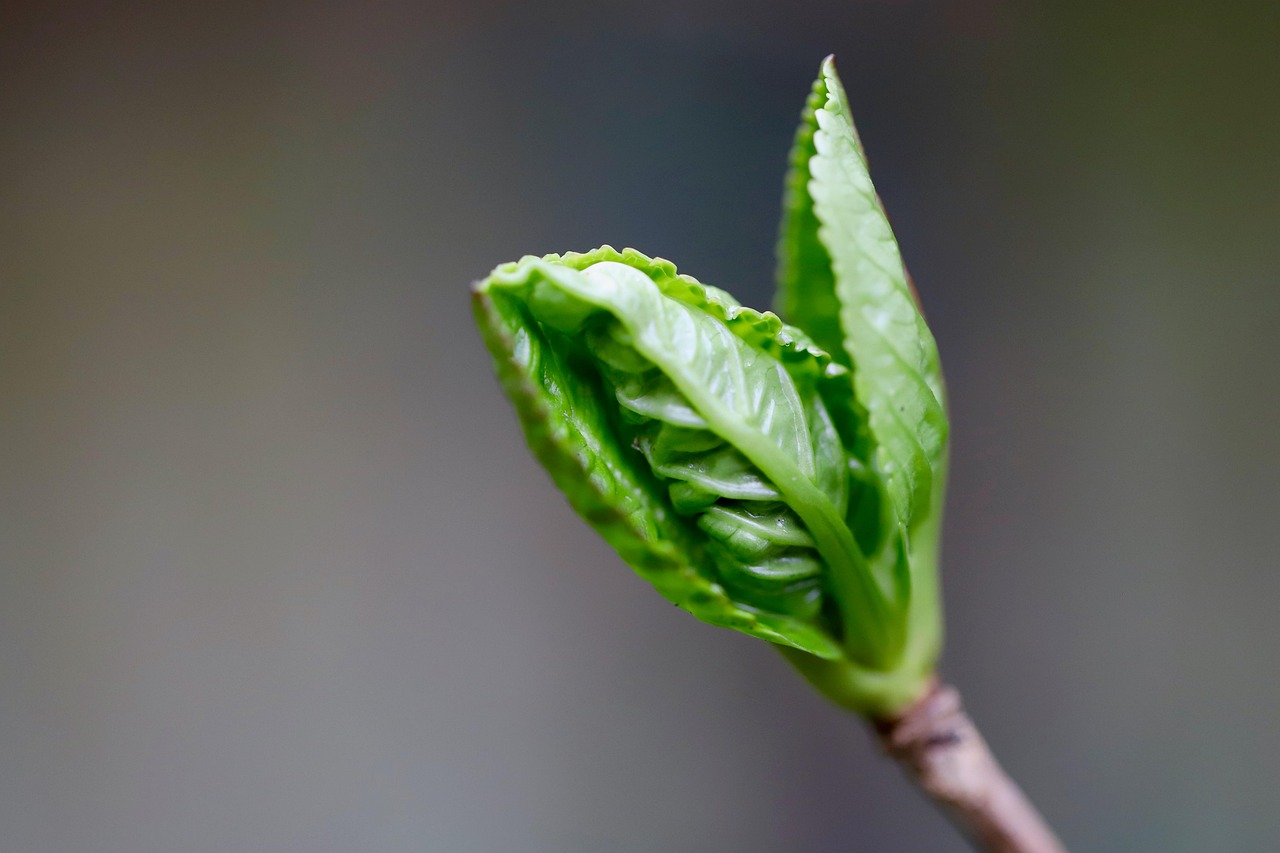
When you are ready to prune for size control, focus on removing dead or crossing branches first. To encourage strong, healthy new growth, make your cuts just above a healthy bud node. A bud node is the slight swelling on the stem where leaves emerge; cutting roughly a quarter-inch above this point directs the plant’s energy toward that bud, ensuring the shrub remains dense and compact rather than leggy.
If your hydrangea has grown significantly larger than your space allows, avoid drastic “hard pruning” in a single season. Instead, remove no more than one-third of the oldest stems each year. This gradual approach keeps the plant vigorous and prevents the shock that often occurs when too much foliage is removed at once. By maintaining a consistent, gentle pruning schedule, you can easily manage the size of your Early Blue hydrangeas while ensuring a spectacular display of blooms every summer.
Optimal Spacing for Garden Health
When planning your landscape, proper spacing is the most effective way to ensure your Early Blue hydrangeas thrive. Because these shrubs typically reach a mature width of 3 to 4 feet, you should space them at least 3 to 4 feet apart from other plants. This distance accounts for their natural growth habit and ensures each shrub receives adequate sunlight and nutrients without competing with its neighbors.
Adequate spacing is not just about aesthetics; it is a critical component of plant health. When hydrangeas are crowded, airflow is restricted, creating a stagnant, humid microclimate around the foliage. This environment is the primary catalyst for fungal diseases, most notably powdery mildew, which can quickly disfigure your plants and weaken their overall vitality.
Follow these practical guidelines when determining the placement of your hydrangeas:
- Measure from the center: Always measure the 3-to-4-foot distance from the center of the planting hole rather than the edge of the root ball.
- Clearance from structures: If planting near your home, maintain at least 2 feet of space between the shrub and the siding. This prevents moisture from being trapped against your walls, which protects both the plant from damage and your home from potential rot.
- Consider mature size: It is tempting to plant young hydrangeas closer together for an immediate “full” look, but this leads to overcrowding within two or three growing seasons. Resist the urge to overplant; give them the room they need to reach their full potential.
By providing enough room for the canopy to expand, you allow natural breezes to dry the leaves after rainfall or irrigation. This simple preventative step reduces the need for chemical fungicides and keeps your garden looking vibrant throughout the season. If you find that your established hydrangeas have become too dense, consider thinning out older branches during the dormant season to improve internal airflow, even if the spacing between plants is already sufficient.

Follow-Up Care and Common Questions
Once your early blue hydrangea is established, ongoing maintenance ensures it stays healthy and vibrant. If your shrub begins to outgrow its designated space, you can perform a light structural prune. The best time to do this is immediately after the summer blooms fade. Avoid heavy pruning in late autumn or winter, as this can remove the buds for the following year.
If you notice your plant failing to bloom or see leaves turning yellow, take a moment to evaluate your soil. Early blue hydrangeas are sensitive to pH levels; they require acidic soil to maintain their signature blue hue and overall vigor. If the soil is too alkaline, the plant may struggle to absorb necessary nutrients, leading to chlorosis or a shift toward pinkish blooms.
To keep your hydrangea thriving throughout the growing season, follow these practical care tips:
- Monitor soil moisture: Hydrangeas prefer consistently moist, well-draining soil. During hot, dry spells, provide deep watering at the base of the plant rather than overhead.
- Check soil pH: Use a simple home testing kit to ensure your soil remains acidic. If necessary, apply soil acidifiers according to the package instructions.
- Apply mulch: A two-inch layer of organic mulch helps retain soil moisture and regulates temperature around the root zone.
- Watch for pests: Inspect the undersides of leaves regularly for aphids or spider mites. Early detection makes management much easier.
If you are ever unsure about how much to prune, or if you notice signs of a severe pest infestation or disease that you cannot identify, do not hesitate to seek professional help. Consulting with a local master gardener or a certified arborist is a safe, proactive step. They can provide site-specific guidance to ensure your hydrangea remains a healthy focal point in your garden for years to come.

Dedicated team of gardening enthusiasts with years of hands-on experience testing lawn mowers, gardening tools, and outdoor equipment. We help home gardeners and professionals alike make informed buying decisions with honest, thorough reviews. From push mowers to pruning shears, we test it all so you don’t have to. Got a gardening tool you’d like us to review? Get in touch!