
Hydrangeas can grow anywhere from three to fifteen feet tall depending on the specific variety you choose. While some compact cultivars remain small enough for containers, other species like the climbing hydrangea can reach impressive heights against a wall. Understanding these potential dimensions is essential for successful long-term garden planning and maintenance.
Hydrangeas are beloved for their lush blooms, but their size varies significantly depending on the variety. This guide explains how large different types grow to help you choose the right plant for your garden space and manage expectations for long-term growth. Environmental factors like soil quality and sunlight exposure also heavily influence final plant size.
Beyond simply selecting the right variety, we will explore practical care techniques to manage your plant’s development effectively. You will learn how proper pruning, strategic fertilization, and consistent watering habits help control growth while maximizing those iconic seasonal flowers. Follow these expert tips to ensure your hydrangeas thrive in your landscape for many years.
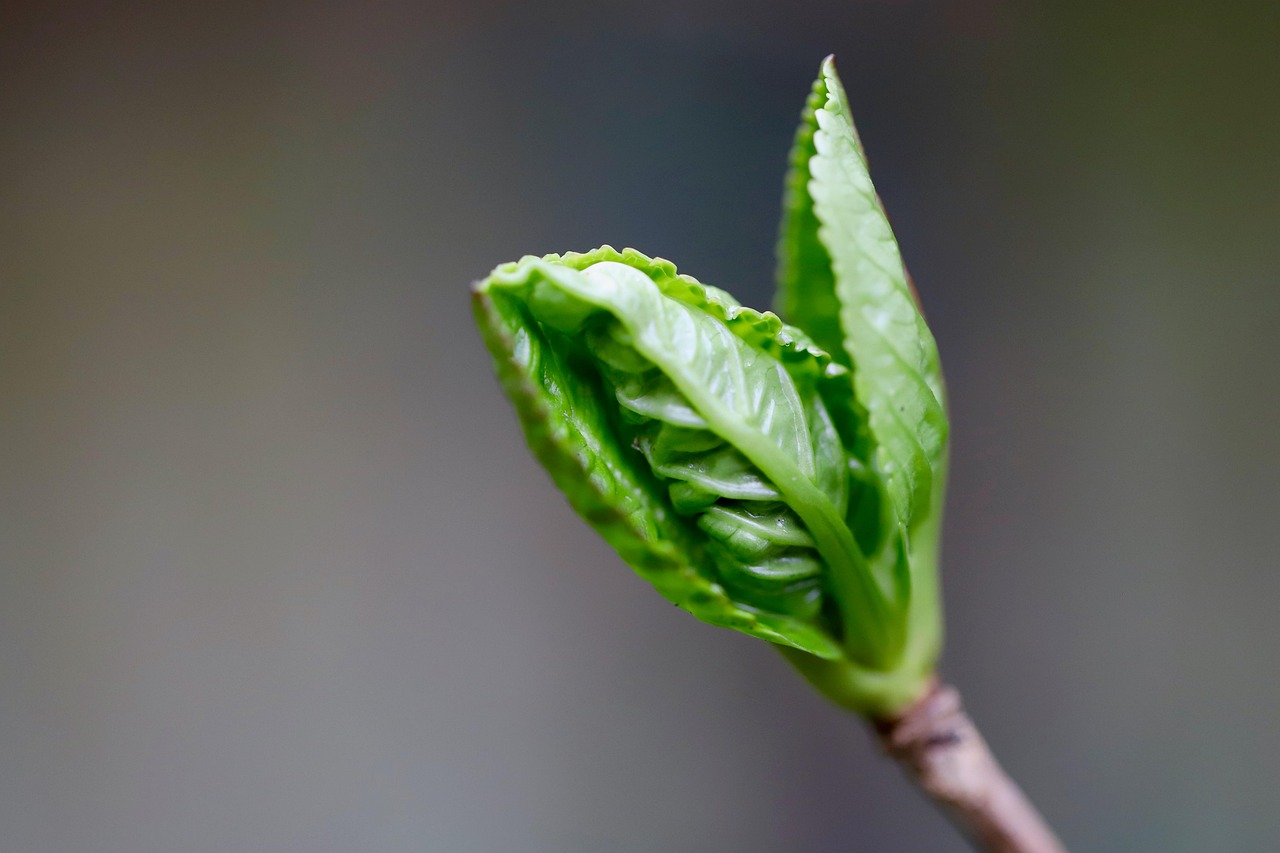
Factors Influencing Hydrangea Size
While genetics dictate the baseline potential of your hydrangea, environmental factors act as the primary drivers for how large the plant will actually grow in your garden. Understanding these variables allows you to better manage your shrub’s footprint and ensure it thrives within your landscape design.
The most significant influences on mature hydrangea size include:
- Species and Cultivar: Always check the plant tag. Some varieties, like Hydrangea paniculata, are naturally vigorous and can reach heights of 10 to 15 feet, effectively becoming small trees. Conversely, dwarf cultivars are specifically bred to remain compact, often staying under 3 feet tall.
- Soil Quality and Nutrient Availability: Hydrangeas are heavy feeders. Rich, well-draining soil amended with organic matter provides the necessary fuel for maximum growth. If your soil is depleted or overly compacted, the plant may remain stunted regardless of its genetic potential.
- Sun Exposure: While most hydrangeas prefer morning sun and afternoon shade, light levels impact growth rates. Too much shade can lead to leggy, sparse growth as the plant stretches toward the light, while optimal sun encourages a fuller, more robust structure.
- Watering Consistency: Hydrangeas are thirsty plants. Consistent moisture is vital during the growing season. If a plant experiences frequent drought stress, it will prioritize survival over size, leading to smaller leaves and stunted stems.
Pruning plays a final, critical role in size control. While some gardeners prefer to let hydrangeas reach their natural, architectural size, others use strategic pruning to maintain a smaller silhouette. If you choose to prune, ensure you identify whether your specific hydrangea blooms on “old wood” or “new wood.” Pruning at the wrong time can remove next season’s flower buds, effectively limiting the visual impact of the plant even if you manage to keep the physical size in check.
By balancing these environmental factors, you can effectively steer your hydrangea toward a size that complements your garden space rather than overwhelming it.
Typical Size Ranges by Variety
Understanding the mature size of your hydrangea starts with identifying its specific variety. Because growth habits vary significantly between species, knowing exactly what is planted in your garden is the most reliable way to predict how much space it will eventually occupy. Failing to account for this mature size often leads to overcrowding, which can reduce airflow and increase susceptibility to fungal diseases.
Here are the typical size ranges for the most common garden hydrangeas:
- Bigleaf Hydrangeas (Hydrangea macrophylla): These popular shrubs generally reach a mature height and spread of 3 to 6 feet. They are ideal for foundation plantings but require enough room to avoid constant pruning.
- Panicle Hydrangeas (Hydrangea paniculata): These are the giants of the hydrangea family. Depending on the specific cultivar, they can grow upwards of 8 to 15 feet tall. Some varieties are even trained as small trees, making them excellent focal points for larger landscapes.
- Smooth Hydrangeas (Hydrangea arborescens): These tend to be more compact, typically staying within a 3 to 5-foot range. Because they bloom on new wood and are often pruned back hard in late winter, they are easier to keep within a specific footprint.
- Oakleaf Hydrangeas (Hydrangea quercifolia): These robust shrubs often reach 6 to 8 feet in height. They possess a wider, more spreading habit than other varieties, so they require a generous amount of lateral space to thrive.
When selecting a spot for a new plant, always check the specific cultivar tag or the grower’s specifications. While these ranges provide a helpful baseline, modern breeding has introduced “dwarf” versions of almost every species. These smaller cultivars are specifically developed to stay under 3 feet, making them perfect for containers or tight garden borders.
Always plan for the plant’s maximum potential size rather than its current nursery size. Providing adequate space from the start ensures your hydrangea develops its intended shape naturally, minimizing the need for heavy maintenance and promoting healthier, more prolific blooms throughout the growing season.

Managing Growth Through Proper Pruning
Pruning is the most effective way to control the size of your hydrangea and encourage healthy, vibrant blooms. Because different varieties bloom on either “old wood” (last year’s growth) or “new wood” (growth from the current season), timing is critical to avoid accidentally removing next year’s flower buds.
Before you begin, gather the right equipment. Always use sharp, high-quality bypass pruners. Unlike anvil pruners, which can crush delicate stems, bypass pruners act like scissors to create clean, precise cuts that heal quickly. Sterilize your blades with rubbing alcohol before starting to prevent the spread of fungal diseases or bacteria between plants. Additionally, wear sturdy gardening gloves to protect your hands from coarse stems and potential debris.
Avoid using power tools or hedge trimmers. While they may seem efficient, they often tear branches and result in ragged cuts that leave the plant vulnerable to rot. Manual pruning allows you to be selective, ensuring you only remove what is necessary.
Follow these steps for safe and effective pruning:
- Identify your variety: Research whether your hydrangea blooms on old or new wood to determine the correct pruning window.
- Remove the “Three Ds”: At any time of year, it is safe to prune away dead, damaged, or diseased wood to improve plant health.
- Make clean cuts: Always cut at a 45-degree angle just above a healthy leaf node or bud. This encourages outward growth and prevents water from pooling on the cut surface.
- Thin the center: Remove a few of the oldest, woody stems at the base of the plant to improve airflow and light penetration, which helps keep the shrub compact and vigorous.
By removing approximately one-third of the oldest stems each year, you can maintain a manageable size without sacrificing the plant’s natural form. Consistent, careful pruning keeps your hydrangea healthy, productive, and perfectly sized for your landscape.
Space Requirements for Healthy Development
Hydrangeas are vigorous growers, but their ultimate size varies significantly by species and cultivar. To ensure long-term health, you must account for a plant’s mature width during the initial planting phase. Overcrowding inhibits essential airflow, which increases the risk of fungal diseases like powdery mildew and botrytis. Providing adequate spacing allows the foliage to dry quickly after rain and ensures the root system has enough room to access soil nutrients.
Before digging, research the specific variety you have selected. A compact ‘Little Lime’ may only require three feet of space, while a mature ‘Annabelle’ or a climbing hydrangea can easily span six to ten feet. Always use the plant’s maximum expected width as your guide for spacing between other shrubs or structures.
If you find that an established hydrangea has outgrown its space or reached heights that make maintenance difficult, prioritize safety during pruning:
- Assess your reach: If the majority of the plant’s structure is above your head, do not attempt to prune it while standing on a ladder.
- Prioritize stability: If you must use a ladder for minor touch-ups, ensure it is placed on firm, level ground. Never lean or overextend your reach to prune distant branches.
- Know your limits: If the hydrangea has become a large, woody specimen that requires significant height reduction, it is safer to hire a professional arborist.
Attempting to manage oversized shrubs from an unstable position is a leading cause of gardening injuries. It is far better to prune strategically at a lower level or bring in a professional than to risk a fall. By planning for the plant’s mature size from day one, you minimize the need for heavy pruning later and create a landscape that is both beautiful and easy to maintain. If you notice a plant is consistently outgrowing its designated area, consider transplanting it to a more spacious location during the dormant season rather than fighting its natural growth habit.

Common Questions and Long-Term Care
Many homeowners worry that their hydrangeas will eventually outgrow their designated garden beds. While some varieties can reach heights of over 10 feet, you are not locked into that size. You can successfully maintain a smaller, more compact shrub through consistent, strategic maintenance pruning.
To keep your hydrangea at a manageable size, follow these best practices:
- Know your variety: Always check if your hydrangea blooms on “old wood” (last year’s growth) or “new wood” (current season’s growth). Pruning at the wrong time can accidentally remove next year’s flower buds.
- Annual thinning: Remove dead, damaged, or crossing branches in early spring. This improves airflow and prevents the plant from becoming overly dense or woody.
- Selective heading back: You can trim back long, unruly stems by about one-third after the plant has finished flowering. This encourages a bushier shape rather than a tall, leggy one.
If you find that you are constantly fighting against the plant’s natural growth habit, it may be time to consider transplanting. Moving a hydrangea to a more spacious area is often more sustainable than heavy annual pruning, which can stress the plant and reduce bloom production over time. The best time to transplant is during the dormant season—either late autumn or very early spring—when the plant is not actively growing.
While standard care keeps most hydrangeas healthy, some issues require an expert eye. If you notice signs of severe disease, such as persistent wilt that doesn’t respond to watering, or significant structural damage from storms or pests, do not hesitate to reach out for help. A local master gardener or a professional landscaper can provide a site-specific assessment. They can help identify if your plant is suffering from a fungal infection or a nutrient deficiency, ensuring your hydrangea continues to thrive in your landscape for years to come.

Dedicated team of gardening enthusiasts with years of hands-on experience testing lawn mowers, gardening tools, and outdoor equipment. We help home gardeners and professionals alike make informed buying decisions with honest, thorough reviews. From push mowers to pruning shears, we test it all so you don’t have to. Got a gardening tool you’d like us to review? Get in touch!