
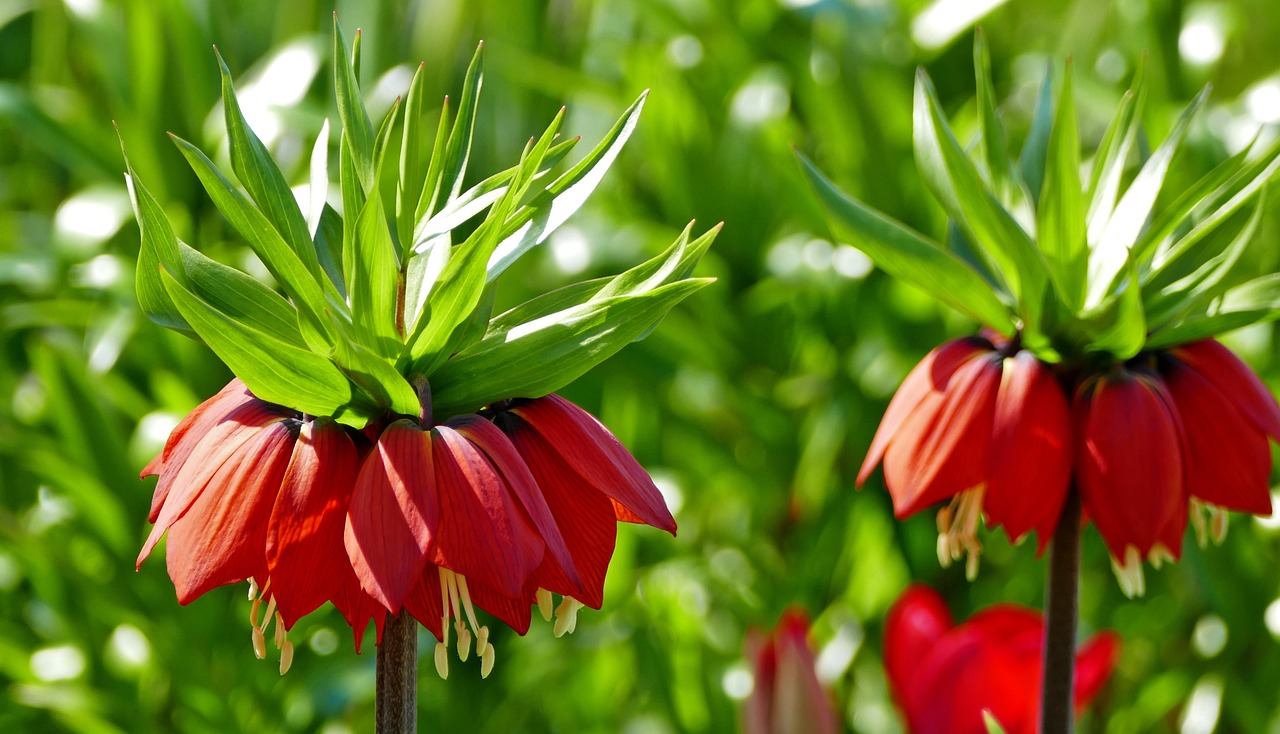
You should plant Fritillaria imperialis bulbs in early autumn, specifically between September and October. This timing allows the roots to establish themselves in the cooling soil before the ground freezes, ensuring a healthy spring bloom. These dramatic Crown Imperials are a stunning addition to any garden, provided you respect their specific seasonal needs.
While these bulbs are visually striking, they require patience and proper site selection to thrive. They prefer well-draining soil and a sunny or partially shaded spot to prevent bulb rot during winter. Managing expectations is key; these plants are not always the easiest to grow, but they are incredibly rewarding when they return year after year.
This guide provides the essential practical steps to ensure your Crown Imperials succeed in your flower beds. We will cover everything from ideal soil preparation and planting depth to post-planting care routines. By following these expert tips, you can confidently plant your bulbs this season and look forward to a spectacular display in your garden.

The Ideal Planting Window for Crown Imperials
For the best results with Fritillaria imperialis, timing is everything. These architectural bulbs require a specific window to transition from dormancy to active root development. The ideal time to plant your Crown Imperials is during early to mid-autumn, typically between September and October.
Planting within this timeframe allows the bulbs to establish a robust root system before the soil temperatures drop and the ground freezes. Because these plants are vigorous growers that produce massive, dramatic flower spikes in the spring, they need this head start to store enough energy for their rapid ascent.
If you plant too late, the bulbs may struggle to anchor themselves, leading to weak stems or a failure to bloom. If you plant too early while the soil is still warm, you risk encouraging premature top growth that can be damaged by the first frost.
To ensure your bulbs settle in successfully, follow these practical steps:
- Check your local frost dates: Aim to get your bulbs in the ground at least four to six weeks before your area’s first hard ground freeze.
- Prepare the site: Ensure the soil is well-draining, as these large bulbs are susceptible to rot if they sit in waterlogged earth during the winter.
- Plant on their side: Because the top of the bulb is slightly concave and can collect water, plant them at a slight angle. This prevents moisture from pooling in the hollow center and causing decay.
- Depth matters: Plant them deep, roughly 6 to 8 inches below the soil surface, to provide stability for the heavy, tall flower stalks that will emerge in spring.
By respecting this autumn planting window, you provide your Crown Imperials with the stable, cool environment they need to thrive. Once established, they are remarkably resilient and will reward your patience with their iconic, crown-like blooms as soon as the weather warms.
Preparing Your Planting Site
Selecting the right location is the most critical step for successfully growing Fritillaria imperialis. These architectural bulbs thrive in spots that receive full sun to partial shade. In cooler climates, aim for a site that gets at least six to eight hours of direct sunlight daily to encourage robust stems and vibrant blooms.
Drainage is non-negotiable for Crown Imperials. Because these bulbs are exceptionally large and fleshy, they are highly susceptible to rot if left in standing water. If your garden features heavy clay soil, you must improve the structure before planting to prevent moisture buildup around the bulb base.
Follow these steps to prepare your planting site effectively:
- Test your soil: Dig a small hole and fill it with water. If it takes more than an hour to drain, your soil requires amendment.
- Amend for drainage: Mix in generous amounts of horticultural grit, coarse sand, or well-rotted organic compost into the top 12 inches of soil. This creates the necessary air pockets for healthy root development.
- Elevate if necessary: If your garden sits in a low-lying area prone to pooling, consider planting the bulbs in raised beds or on a slight mound to ensure water flows away from the bulb.
Safety should also be a priority during the planting process. Always wear sturdy gardening gloves when handling Fritillaria imperialis bulbs. The bulb scales contain compounds that can cause contact dermatitis or skin irritation in some individuals. If you have sensitive skin, long sleeves are also recommended to prevent accidental brushes against the bulb surface.
Finally, ensure your chosen site is clear of perennial weeds. Since these bulbs prefer to remain undisturbed for several years, removing deep-rooted weeds now will save you from having to dig near your dormant bulbs later. By creating a loose, fast-draining, and clean environment, you provide the perfect foundation for your Fritillaria to establish itself before the winter dormancy period begins.
Correct Planting Depth and Orientation
Successful cultivation of Fritillaria imperialis, or the Crown Imperial, relies heavily on how you position the bulb in the soil. Because these bulbs are large and possess a unique concave top, their orientation at planting time is critical to their long-term survival.
To begin, use a sturdy garden trowel to dig a hole approximately 6 to 8 inches deep. Ensure your tools are clean and sharp; this not only makes the digging process more precise but also prevents the introduction of pathogens into the soil. If your soil is heavy or prone to water retention, consider amending the base of the hole with a handful of horticultural grit to improve drainage.
The most important step for this specific variety is the bulb’s orientation. Never plant Fritillaria imperialis bulbs upright. Instead, follow these professional guidelines:
- Plant on their sides: Lay the bulb horizontally in the hole. This is the single most effective way to prevent water from pooling in the concave depression at the top of the bulb.
- Mitigate rot: By planting sideways, you ensure that any excess moisture drains away from the bulb’s center, significantly reducing the risk of fungal rot during the dormant winter months.
- Spacing: Ensure each bulb has enough room to thrive by spacing them at least 10 to 12 inches apart.
Once the bulb is positioned on its side, gently backfill the hole with soil, firming it down lightly to eliminate large air pockets. Avoid over-compacting the earth, as these bulbs require well-aerated soil to develop a robust root system before the spring growth cycle begins.
By taking these simple precautions during the planting phase, you protect the bulb from the most common cause of failure. Proper depth and the “sideways” planting technique create the ideal environment for your Crown Imperials to establish themselves securely, leading to reliable, dramatic blooms when the growing season arrives.
Safety and Tool Handling
Planting Fritillaria imperialis requires digging relatively deep holes to accommodate their large bulbs. Whether you are using a hand trowel or a power auger, your safety should be the top priority before you begin.
Always maintain a clear workspace. Remove debris, rocks, or loose garden hoses from your immediate area to prevent tripping while carrying heavy bulbs or soil amendments. When handling sharp tools, keep all blades pointed away from your body and keep your fingers clear of the cutting path.
If you are planting a large drift of bulbs and choose to use a power auger, follow these essential safety protocols:
- Wear impact-resistant eye protection to shield against flying soil, pebbles, or wood chips.
- Wear sturdy, closed-toe footwear or steel-toed boots to protect your feet from the auger bit and heavy equipment.
- Maintain a firm, balanced stance. If the auger hits a buried root or rock, the torque can cause the tool to kick back suddenly.
- Keep loose clothing, long hair, and jewelry secured to prevent entanglement in the rotating mechanism.
Once your planting is complete, secure your tools immediately. Never leave sharp trowels, spades, or auger bits lying on the grass or soil where they could be stepped on or cause injury to others. Store all equipment in a locked shed or a high shelf that is inaccessible to children and pets.
If you are working with children in the garden, provide them with age-appropriate, blunt-edged plastic tools. This allows them to participate in the planting process safely while you handle the heavy digging and sharp equipment. By keeping your workspace organized and your tools properly maintained, you ensure that the process of establishing these impressive perennials remains a positive experience for everyone involved.

Follow-up Care and Common Questions
Once you have planted your Fritillaria imperialis bulbs, give the area a light watering to help settle the soil around the bulb. Beyond this initial hydration, avoid overwatering throughout the winter months. These bulbs prefer to remain relatively dry while dormant; excessive moisture during cold weather can quickly lead to bulb rot.
If you notice poor growth or signs of decay when spring arrives, your soil drainage is likely the culprit. Fritillaria bulbs are highly sensitive to “wet feet.” If your garden soil remains heavy or waterlogged, consider moving the bulbs to raised beds or containers with superior drainage in the following autumn.
Pests can also be a challenge, particularly the scarlet lily beetle. To protect your plants, follow these practical steps:
- Inspect early: Begin checking the undersides of leaves for eggs and larvae as soon as the first green shoots emerge in early spring.
- Hand-pick: The most effective way to manage small infestations is to remove larvae and adult beetles by hand. Drop them into a container of soapy water to dispose of them safely.
- Monitor regularly: Because these beetles can defoliate a plant quickly, check your garden at least twice a week during the active growing season.
If you find that your soil drainage issues persist despite your best efforts, do not be discouraged. Moving bulbs to a better-draining location is a standard part of successful gardening. Dig them up carefully once the foliage has turned yellow and died back naturally, then replant them in a spot with grit or sand amended into the soil to improve aeration.
By keeping the soil well-drained and staying vigilant against common pests, you provide your Fritillaria imperialis with the best possible environment to thrive. With these simple maintenance habits, you will be well on your way to enjoying their dramatic, crown-like blooms year after year.

Dedicated team of gardening enthusiasts with years of hands-on experience testing lawn mowers, gardening tools, and outdoor equipment. We help home gardeners and professionals alike make informed buying decisions with honest, thorough reviews. From push mowers to pruning shears, we test it all so you don’t have to. Got a gardening tool you’d like us to review? Get in touch!