
Learning how to take care of a fiddle leaf fig involves providing consistent bright, indirect light and a strict watering schedule. These popular houseplants are famous for their large, violin-shaped leaves, but they require specific environmental conditions to truly flourish indoors. With the right approach, you can easily keep yours vibrant and healthy.
While these plants have a reputation for being somewhat finicky, they are quite manageable once you understand their basic needs. They generally dislike being moved frequently or sitting in soggy soil, so finding the perfect permanent spot is crucial. Realistic expectations and a little patience are key to mastering their unique care requirements.
This comprehensive guide covers the essential steps to help your plant thrive in any home setting. From choosing the best potting mix to troubleshooting common issues like leaf drop or browning, we provide practical tips for long-term success. Follow these expert recommendations to ensure your fiddle leaf fig remains a stunning centerpiece for years.

Finding the Perfect Lighting Conditions
The Fiddle Leaf Fig (*Ficus lyrata*) is native to tropical rainforests, where it grows in the dappled shade of the canopy. To help your plant thrive indoors, you must replicate this environment by providing bright, filtered sunlight. Finding the right balance is the most critical step in preventing common issues like leaf drop or stunted growth.
The ideal location is near a window that receives plenty of indirect light throughout the day. An east-facing window is often perfect, as it provides gentle morning sun. If you place your plant near a south or west-facing window, ensure it is set back a few feet or filtered by a sheer curtain to avoid harsh rays.
Direct midday sun is too intense for Fiddle Leaf Figs and will quickly scorch the leaves, leaving unsightly brown patches. Conversely, placing the plant in a dark corner will cause its growth to stall and may lead to the lower leaves yellowing and falling off.
To keep your plant healthy and symmetrical, follow these simple maintenance tips:
- Rotate the pot: Turn your plant a quarter-turn every time you water it. This ensures that all sides receive equal light exposure, preventing the plant from leaning heavily toward the window.
- Clean the leaves: Dust accumulates on the broad, fiddle-shaped leaves, which blocks sunlight and hinders photosynthesis. Wipe the leaves gently with a damp, soft cloth every few weeks to keep them clean and efficient.
- Watch for signs: If your plant begins to stretch or grow “leggy” with large gaps between leaves, it is a clear sign it needs more light. If leaves develop crispy, sun-bleached spots, move it further away from the glass.
By observing how your plant responds to its environment, you can fine-tune its placement. Once you find that “sweet spot” where the light is bright but diffused, your Fiddle Leaf Fig will reward you with steady, vibrant new growth.
Watering and Soil Requirements
Mastering the balance of moisture is the most critical aspect of keeping a fiddle leaf fig (Ficus lyrata) healthy. While these plants appreciate consistent hydration, they are highly susceptible to root rot. Overwatering is the leading cause of plant failure, so it is essential to establish a reliable routine rather than watering on a strict calendar schedule.
Before adding more water, always check the soil moisture level. Insert your finger about two inches deep into the potting mix. If the soil still feels damp, wait a few more days. Only water when the top two inches are completely dry to the touch.
When you do water, saturate the soil thoroughly until excess liquid flows out of the drainage holes. This process ensures that the entire root system receives hydration while flushing out accumulated salts. Always empty the saucer beneath the pot promptly; never allow your plant to sit in standing water, as this quickly leads to oxygen deprivation and decay in the roots.
The foundation of your watering success lies in the soil composition. Fiddle leaf figs require a medium that retains some moisture while allowing excess water to escape rapidly. To ensure optimal health, use the following guidelines for your potting mix:
- Use a specialized blend: Choose a high-quality potting mix formulated specifically for indoor tropical plants.
- Improve aeration: If your mix feels too dense, incorporate perlite or orchid bark to increase drainage and airflow around the roots.
- Prioritize drainage: Always use a container equipped with drainage holes. If you prefer a decorative cachepot, keep the plant in a plastic nursery liner inside the decorative pot so you can easily remove it to drain excess water.
By pairing a well-draining soil mix with a “dry-out” approach to watering, you mimic the natural environment of the fiddle leaf fig, preventing common issues like yellowing leaves and brown spots while encouraging robust, steady growth throughout the year.

Pruning and Maintenance Safety
Pruning is a vital part of fiddle leaf fig care, helping you manage the plant’s height and encourage a fuller, bushier shape. By removing leggy growth or damaged leaves, you redirect the plant’s energy toward healthier development. However, because these plants can grow quite large, safety must remain your top priority during maintenance.
Before you begin, ensure you have the right tools. Always use sharp, sterilized pruning shears. Dull blades can crush stems rather than slicing through them, which creates jagged wounds that take longer to heal and increase the risk of infection. Clean your shears with rubbing alcohol before and after each cut to prevent the spread of pathogens.
When working with your fiddle leaf fig, follow these safety guidelines to protect yourself and your home:
- Wear protective gear: Always wear gardening gloves. The milky white sap released from a cut stem contains latex and can be a skin irritant for many people. If sap accidentally touches your skin, wash the area thoroughly with soap and water.
- Ensure stable footing: Never balance on chairs, tables, or unstable furniture to reach the top of your plant. If the tree has grown beyond your reach, use a sturdy, flat-topped step stool or a proper ladder. Falls are a common risk when tending to large indoor trees.
- Protect your floors: Pruning can be messy. Place a drop cloth or old towel underneath the plant to catch falling leaves and any dripping sap, which can stain carpets or hardwood flooring.
Finally, avoid over-pruning. Never remove more than 20% of the plant’s foliage at one time, as this can cause significant stress. Make your cuts just above a leaf node—the point where a leaf meets the stem—to encourage new branching. With careful, measured cuts and a focus on your personal safety, you can maintain a healthy, vibrant plant that fits perfectly within your living space.
Managing Environmental Factors
The fiddle leaf fig (*Ficus lyrata*) is native to tropical rainforests, meaning it thrives in environments that mimic those conditions. Because these plants are sensitive to sudden changes, maintaining a consistent environment is the most effective way to prevent leaf drop and browning.
Temperature stability is critical. Keep your plant away from drafty windows, exterior doors, air conditioning vents, and heating units. Rapid fluctuations in temperature or direct blasts of hot or cold air can stress the plant quickly, leading to yellowing leaves or stunted growth. Aim to keep your fiddle leaf fig in a room that stays between 65°F and 75°F (18°C–24°C).
Humidity is equally important, as most indoor environments are significantly drier than the plant’s natural habitat. If your home air feels dry—especially during winter months when heaters are running—your plant may develop crispy leaf edges. To manage humidity and overall plant health, follow these practical steps:
- Use a humidifier: Placing a humidifier nearby is the most consistent way to maintain the ambient moisture levels these plants crave.
- Clean the foliage: Dust accumulation on large leaves prevents the plant from photosynthesizing efficiently. Gently wipe the leaves with a damp, soft cloth every few weeks. This practice removes debris and allows the plant to “breathe” better.
- Group plants together: Placing your fiddle leaf fig near other houseplants can create a microclimate, as plants naturally release moisture through transpiration, slightly increasing the humidity in the immediate area.
Avoid misting the leaves with a spray bottle as a primary method of hydration. While it may seem helpful, misting provides only temporary moisture and can encourage fungal growth if water sits on the leaves for too long. Instead, focus on keeping the ambient air consistently humid and the leaf surfaces clean. By stabilizing the temperature and managing moisture, you create the ideal foundation for your fiddle leaf fig to grow strong, glossy, and vibrant leaves.
Troubleshooting and Long-Term Care
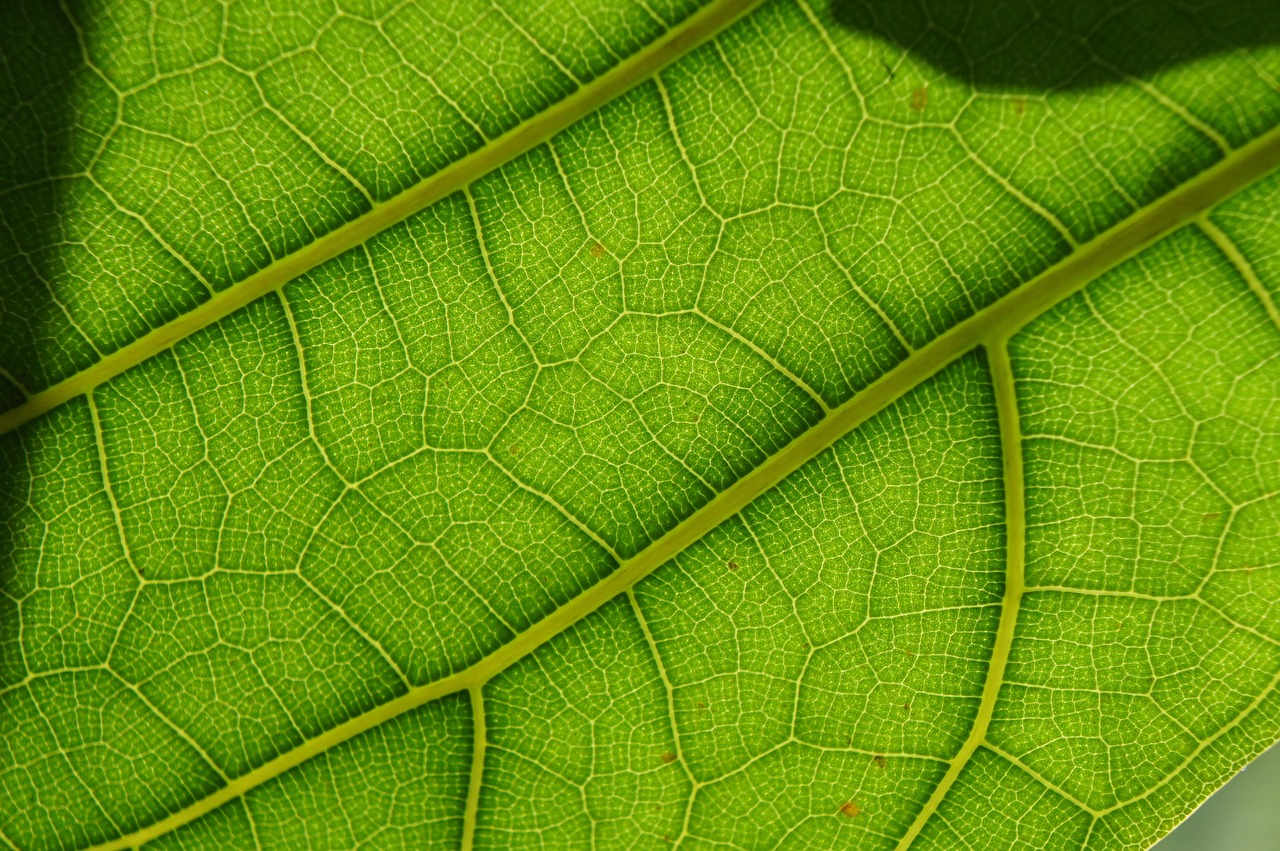
Even with a consistent routine, your Fiddle Leaf Fig may occasionally show signs of stress. Observing these cues early is the best way to ensure long-term health. If you notice yellowing leaves, it often indicates overwatering or poor drainage, while brown, crispy spots typically suggest underwatering or low humidity.
If the plant looks unhappy despite your best efforts, follow this diagnostic checklist:
- Check for Pests: Inspect the undersides of leaves and the stems for webbing or tiny, moving specks, which often indicate spider mites. Wipe leaves gently with a damp cloth or use neem oil to manage minor infestations.
- Evaluate Light: If growth has stalled, your plant may need more bright, indirect light. Move it closer to a window, but avoid harsh, direct sun that can scorch the foliage.
- Assess Drainage: Ensure your pot has drainage holes. If the soil remains soggy for more than a week, your plant is at risk of root rot.
If you encounter a severe pest infestation or if the plant stops growing entirely despite optimal light and water, consult a local nursery expert. They can provide specific advice tailored to your home’s climate and humidity levels.
Finally, prioritize safety in your home. Fiddle Leaf Figs contain calcium oxalate crystals, which are toxic to cats and dogs if ingested. These crystals can cause oral irritation, drooling, and digestive distress. To keep your pets safe, always place your plant on a sturdy plant stand or in a room that is inaccessible to curious animals.
Long-term care is a marathon, not a sprint. Fiddle Leaf Figs prefer stability, so try to avoid moving the plant frequently once it has acclimated to a spot. Dust the leaves every few weeks to allow the plant to photosynthesize efficiently, and you will be rewarded with steady, lush growth for years to come.

Dedicated team of gardening enthusiasts with years of hands-on experience testing lawn mowers, gardening tools, and outdoor equipment. We help home gardeners and professionals alike make informed buying decisions with honest, thorough reviews. From push mowers to pruning shears, we test it all so you don’t have to. Got a gardening tool you’d like us to review? Get in touch!