
You should plant echinacea in the spring after the last frost or in the early autumn before the ground freezes. While many gardeners search for echinacea bulbs, it is important to clarify that these popular perennials actually grow from root crowns or seeds rather than traditional bulbs to establish their deep, resilient root systems.
Successfully growing coneflowers requires patience and the right environmental conditions. Because these plants are native to prairies, they thrive in full sun and well-draining soil. Setting realistic expectations is vital, as newly planted echinacea may take a full growing season to establish themselves before they produce their signature, vibrant, and pollinator-friendly blooms.
This guide explains the best timing for planting echinacea to ensure your garden thrives with these hardy flowers. We will walk you through essential practical care, including proper spacing, watering requirements, and soil preparation techniques. Follow these expert tips to cultivate a stunning, low-maintenance display that will return to your landscape year after year.
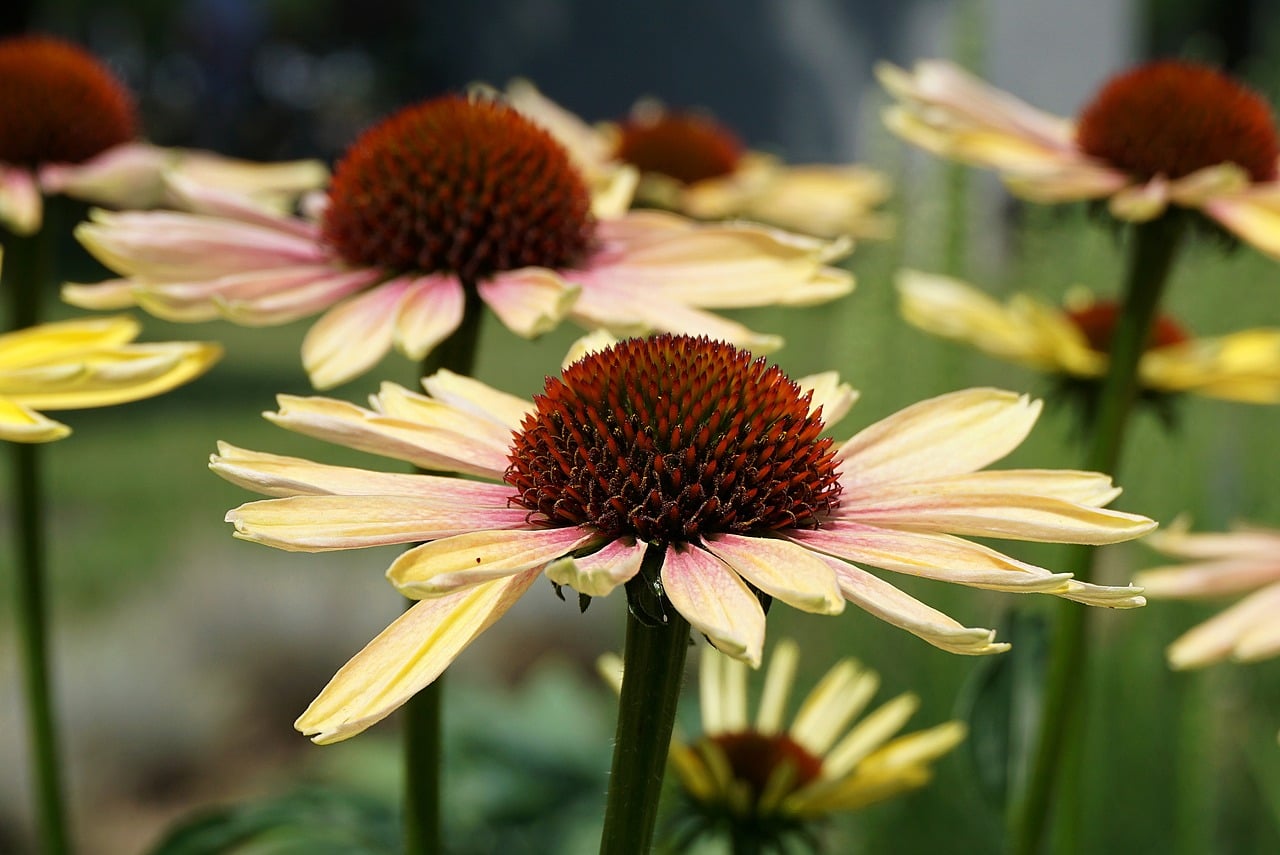
Understanding Echinacea Growth Habits
Many gardeners searching for “echinacea bulbs” are often surprised to learn that these popular perennials do not grow from bulbs at all. Echinacea, commonly known as coneflower, is a herbaceous perennial that develops a robust, fibrous root system rather than a fleshy, layered bulb like a tulip or a daffodil.
Because they lack a bulb’s energy-storing structure, echinacea plants do not go through the same dormant cycles that require specific planting depths or seasonal burial. Instead, they rely on a dense network of roots to survive winter and fuel new growth each spring. Understanding this distinction is vital for successful planting and long-term care.
When you purchase echinacea, you are typically buying either a potted nursery plant or a “bare-root” specimen. Bare-root plants look like a clump of tangled, woody roots. Because these roots are sensitive to both desiccation and rot, they require a different approach than traditional spring-flowering bulbs:
- Planting Depth: Unlike bulbs, which often require deep burial, echinacea crowns—the point where the roots meet the stems—should sit just at or slightly below the soil surface. Planting them too deep can cause the crown to rot, while planting too shallow may leave the roots vulnerable to drying out.
- Soil Preparation: Because they develop deep root systems, echinacea thrives in well-draining soil. Before planting, loosen the earth to a depth of at least 12 inches to encourage the roots to spread easily.
- Watering Needs: While bulbs are often “set and forget,” new echinacea plants require consistent moisture until their root systems are established. Once mature, these plants are remarkably drought-tolerant, but they need that initial support to anchor themselves properly in your garden bed.
By treating your echinacea as a perennial root system rather than a bulb, you ensure that your plants have the stability and drainage they need to return year after year. Focus on proper crown placement and soil aeration, and your coneflowers will reward you with reliable, vibrant blooms throughout the summer season.
The Best Time to Plant Echinacea
Timing is everything when it comes to establishing healthy echinacea. While these hardy perennials are known for their resilience, getting them into the ground at the right moment ensures they develop a robust root system before facing extreme weather.
The ideal window for planting echinacea is during the spring, once the threat of the final frost has completely passed. Planting in spring allows the soil to warm up, encouraging active growth as the plant settles into its new environment. Alternatively, early autumn is an excellent time to plant. By putting echinacea in the ground during the cooler, milder weeks of fall, you give the roots several months to anchor themselves before the plant goes dormant for the winter.
To determine the best time for your specific location, consider these practical guidelines:
- Check your local frost dates: Aim to plant at least two to four weeks after the last spring frost. In autumn, aim to plant at least six weeks before the ground typically freezes.
- Monitor soil temperature: Echinacea prefers soil that has begun to warm up in the spring. If the ground is still frozen or waterlogged, wait for it to dry out and thaw.
- Avoid peak heat: Refrain from planting during the height of summer. The intense heat can stress young transplants, requiring excessive watering to keep them from wilting.
Regardless of whether you choose spring or autumn, consistency is key to success. After planting, provide your echinacea with a thorough watering to eliminate air pockets around the roots. If you are planting in the autumn, add a light layer of mulch around the base of the plant to help insulate the soil and protect the crown from temperature fluctuations during the winter months. By avoiding the extremes of mid-summer heat and deep winter freezes, you provide your echinacea with the best possible start for a long, vibrant life in your garden.
Safe Planting Preparation and Tools
Before you introduce echinacea to your garden, creating an ideal foundation is essential. Healthy perennials thrive in well-draining soil, so start by clearing the planting area of weeds, rocks, and organic debris. This ensures that your plants do not have to compete for nutrients or water as they establish their root systems.
Once the surface is clear, use a garden fork or spade to loosen the earth to a depth of at least 8 to 10 inches. This aeration allows roots to penetrate the soil easily and improves drainage, which is critical for preventing rot in echinacea. If your soil is heavy clay, mix in organic compost to improve its structure.
Safety should remain your priority throughout this process. Follow these best practices to protect yourself while preparing your garden beds:
- Wear protective gear: Always put on sturdy, well-fitting gardening gloves. They protect your hands from blisters caused by tool handles and prevent cuts from sharp rocks or hidden debris in the soil.
- Maintain your tools: Keep your spade and fork clean and free of rust. When you are finished, store them securely in a shed or garage rather than leaving them on the ground, where they can become dangerous trip hazards.
- Use proper lifting techniques: When moving heavy bags of soil or compost, protect your spine by bending at the knees. Lift with your legs, keeping the weight close to your body, and avoid twisting your torso while carrying heavy loads.
If you are working in a large area, take frequent breaks to stretch and hydrate. Gardening is physically demanding, and pacing yourself prevents muscle strain and fatigue. By preparing your site carefully and working mindfully, you create a safe environment that sets the stage for a vibrant, long-lasting echinacea display. Once the soil is loose, friable, and free of obstacles, your garden will be perfectly primed for planting your bulbs or starter plants.
Step by Step Planting Instructions
Successful echinacea establishment begins with proper soil preparation. Before planting, ensure your chosen site receives full sun and has well-draining soil. If your soil is heavy clay, mix in organic matter to improve drainage, as echinacea roots can rot in waterlogged conditions.
Follow these steps to plant your echinacea correctly:
- Prepare the hole: Dig a hole that is twice as wide as the root mass but no deeper than the container the plant came in.
- Position the plant: Place the echinacea in the center of the hole. The crown—the area where the stems meet the roots—must sit perfectly level with the surrounding soil surface. Planting too deep can cause crown rot, while planting too shallow may dry out the roots.
- Backfill: Fill the space around the root ball with a mixture of native soil and nutrient-rich compost. This provides a gentle boost of nutrients without overwhelming the young plant.
- Firm the soil: Gently press down on the soil around the base of the plant with your hands. This removes large air pockets that could otherwise leave roots exposed to drying air.
Immediate hydration is the final, most critical step. Water the area thoroughly right after planting. This process, known as “settling,” helps the soil particles collapse around the root system, ensuring immediate contact for moisture absorption. Aim to keep the soil consistently moist—but not soggy—for the first few weeks while the plant establishes its root system.
Once established, echinacea is remarkably drought-tolerant. However, during the first growing season, check the soil moisture weekly. If the top inch of soil feels dry to the touch, provide a deep watering. Avoid overhead watering if possible; applying water directly to the base of the plant keeps the foliage dry and helps prevent fungal issues like powdery mildew. With this careful start, your echinacea will be well-positioned to return reliably year after year, providing vibrant color and supporting local pollinators in your home garden.

Follow Up Care and Common Questions
Once your echinacea plants are established, they are remarkably resilient and drought-tolerant. While they do not require constant attention, a little proactive care ensures a more vigorous and long-lasting display in your garden.
To keep your plants looking their best and to extend the flowering season, practice regular deadheading. By snipping off spent blooms, you signal the plant to redirect its energy toward producing a second flush of flowers rather than setting seeds. In late winter, after the foliage has died back and turned brown, cut the stems down to a few inches above the soil line to tidy the garden bed and prepare for spring growth.
While echinacea is generally hardy, keep an eye out for signs of distress. If you notice persistent wilting, yellowing leaves, or unusual fungal spots, it is important to act quickly. These symptoms can sometimes indicate issues with soil drainage, nutrient deficiencies, or localized pests. To get the most accurate diagnosis, consider these steps:
- Inspect the soil moisture to ensure it is not waterlogged, as echinacea prefers well-draining conditions.
- Remove and dispose of any severely infected foliage to prevent the spread of spores.
- Contact your local agricultural extension office. They provide region-specific expertise on soil health and can identify common plant diseases prevalent in your immediate area.
Avoid overhead watering whenever possible, as moisture sitting on the leaves can encourage fungal growth. Instead, focus irrigation at the base of the plant. If you live in an area with high humidity, ensure your plants have adequate spacing to promote good air circulation, which naturally reduces the risk of disease. By maintaining these simple habits, you will help your echinacea thrive for years to come. Remember, the goal is to support the plant’s natural hardiness rather than over-managing it, allowing these beautiful perennials to remain a low-maintenance staple in your landscape.

Dedicated team of gardening enthusiasts with years of hands-on experience testing lawn mowers, gardening tools, and outdoor equipment. We help home gardeners and professionals alike make informed buying decisions with honest, thorough reviews. From push mowers to pruning shears, we test it all so you don’t have to. Got a gardening tool you’d like us to review? Get in touch!