
You should plant hardy cyclamen bulbs in late summer or early autumn to ensure they establish before winter. This timing allows the tubers to develop strong root systems while the soil remains warm, leading to vibrant blooms during the cooler months. Proper placement during this window is the secret to perennial success.
While these plants are beloved for their delicate, upswept petals, they do require specific conditions to thrive in your garden. Understanding that cyclamen are dormant in summer helps you manage expectations regarding their growth cycle. Providing the right environment now prevents common issues like rot and ensures a reliable display next season.
This comprehensive guide covers the ideal planting windows for various cyclamen species and provides expert tips for getting your tubers established successfully. From selecting the perfect spot in your landscape to mastering soil depth and moisture levels, we offer all the practical guidance you need to enjoy these resilient, colorful garden favorites year after year.
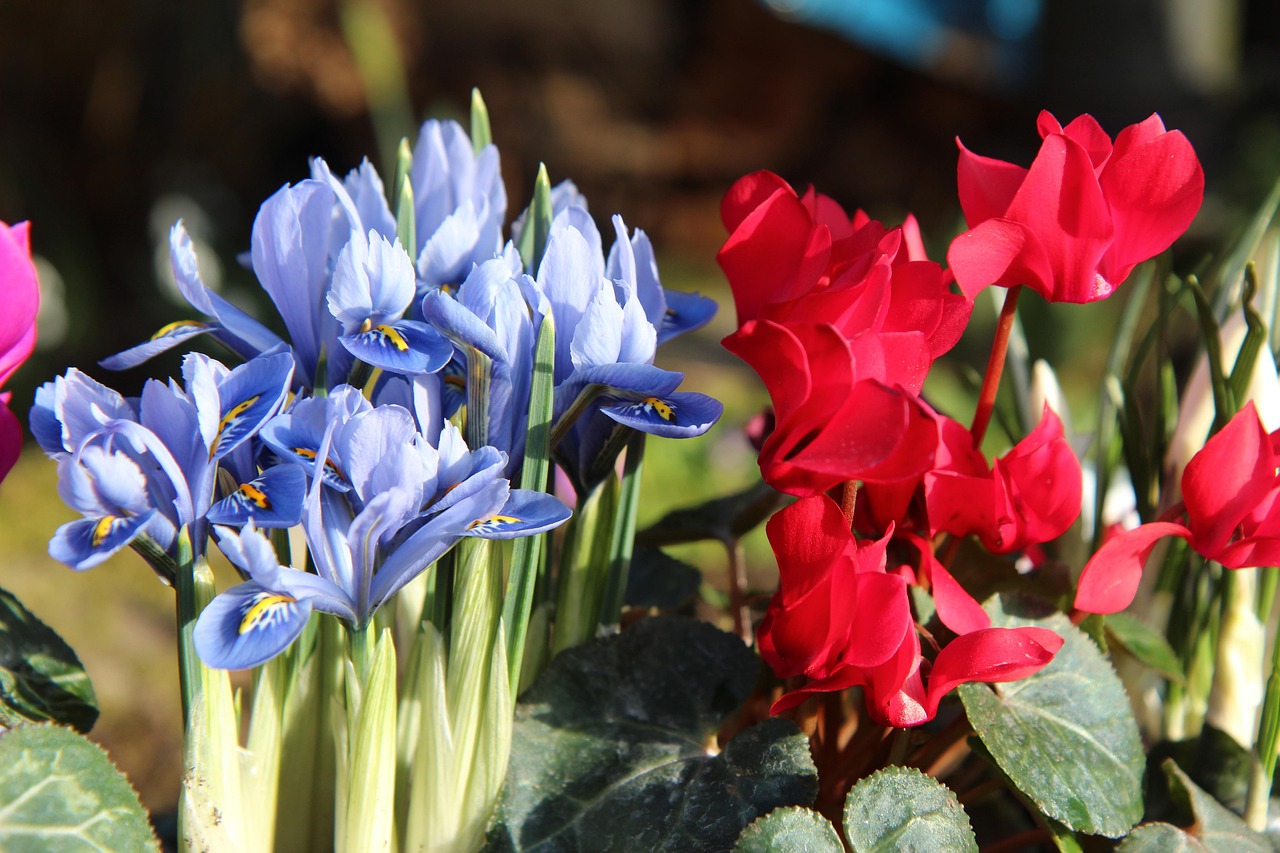
Understanding the Cyclamen Planting Window
Although often referred to as bulbs, cyclamens actually grow from rounded, tuberous roots. Understanding this distinction is vital for successful planting, as the tuber requires specific handling to thrive. Knowing exactly when to place them in the ground or a container ensures the plant has sufficient time to develop a healthy root system before its primary growth phase.
For hardy outdoor varieties, timing is dictated by soil temperature. You should aim to plant these tubers in late summer or early autumn. At this stage, the soil retains residual warmth from the summer, which encourages rapid root development, while the cooling ambient air reduces stress on the foliage. Establishing the roots before the first deep frost is critical for the plant’s winter survival and subsequent spring emergence.
If you are working with indoor florist cyclamen (*Cyclamen persicum*), the approach is slightly different. These plants are typically managed to coincide with their natural winter blooming cycle. Early autumn is the ideal window to pot these tubers, providing them with a stable environment as they transition into their active growing period.
To ensure the best results during these planting windows, follow these practical guidelines:
- Check the tuber: Ensure the tuber is firm and free of soft spots or mold before planting.
- Orientation matters: Plant the tuber with the slightly concave or “dimpled” side facing upward, as this is where the growth buds are located.
- Depth control: Do not bury the tuber too deeply. For most outdoor varieties, covering the top with only an inch of soil is sufficient to prevent rot while providing protection.
- Drainage: Whether in the ground or a pot, ensure the planting site has excellent drainage. Cyclamen tubers are highly susceptible to rot if left in waterlogged soil.
By respecting these seasonal windows and planting depths, you provide your cyclamen with the stable foundation necessary for consistent, vibrant blooms year after year.
Essential Tools and Safety Precautions
Successful gardening starts with the right equipment. When preparing your soil for cyclamen bulbs, having the correct tools makes the process more efficient and protects both you and your plants. A sturdy trowel is essential for digging precise holes at the correct depth, while a hand rake is invaluable for clearing surface debris and smoothing the soil bed before planting.
Because soil can harbor bacteria or contain irritants, always wear well-fitting gardening gloves. These provide a necessary barrier between your skin and the earth, protecting you from thorns, sharp rocks, or potential allergens. If you are working with dry, loose soil that kicks up dust, consider wearing a lightweight dust mask to prevent respiratory irritation while you work.
Safety should remain your top priority when handling equipment. To ensure a productive and injury-free session, follow these practical guidelines:
- Dig away from your body: Always direct the force of your trowel or hand rake away from your limbs to prevent accidental cuts or punctures.
- Maintain tool hygiene: Clean your tools immediately after use to remove damp soil. This prevents rust, which extends the lifespan of your equipment and ensures blades remain sharp and effective.
- Store tools properly: Never leave rakes or trowels lying on the ground, as they create significant trip hazards. Hang them on a wall rack or store them in a dedicated garden bin once you finish planting.
By keeping your workspace organized and your tools in good condition, you create a safer environment for your planting project. A clean, well-maintained set of tools not only makes the physical task of planting cyclamen bulbs easier but also ensures that your gardening experience remains enjoyable and sustainable throughout the season. Always inspect your tools for loose handles or dull edges before you begin, as well-maintained equipment is the safest choice for any home gardener.

Step-by-Step Planting Guide
Successful cyclamen growth begins with the right environment. Before planting, ensure your chosen spot features well-draining soil. Cyclamen tubers are highly susceptible to rot, so they will struggle and eventually perish if left in waterlogged conditions. If your garden soil is heavy clay, amend it with organic matter or grit to improve drainage before you begin.
When you are ready to plant, follow these steps to ensure your tubers establish themselves correctly:
- Identify the orientation: Examine the tuber carefully. You will notice a slightly concave or “hollow” side and a smoother, more rounded side. Always plant with the hollow side facing upward.
- Determine depth: Place the tuber in the soil so that it is buried approximately 1 to 2 inches deep. Planting too deeply can inhibit growth, while planting too shallow may expose the tuber to temperature fluctuations.
- Space appropriately: Give each plant room to breathe. Space your tubers roughly 6 to 8 inches apart. Proper air circulation is essential for preventing fungal issues and promoting healthy foliage.
- Secure and settle: Once the tuber is positioned, gently firm the soil over the top with your hands to eliminate large air pockets. Avoid packing the earth too tightly, as this can restrict root development.
- Water lightly: After planting, provide a light watering to settle the earth around the tuber. Do not saturate the area; the soil should remain moist but never swampy.
After the initial watering, monitor the site closely. If you live in an area with high rainfall, consider adding a layer of mulch or grit around the base of the plant to keep the crown of the tuber away from excess moisture. By providing this careful start, you create the ideal foundation for your cyclamen to thrive and return with beautiful blooms year after year.
Choosing the Right Location
Selecting the ideal spot for your cyclamen is the most critical step in ensuring they return year after year. These plants thrive in environments that mimic their natural woodland habitats, where they receive filtered light rather than harsh, direct exposure.
The best location offers dappled shade throughout the day. Planting them under the canopy of deciduous trees is an excellent strategy; the trees provide cooling shade during the hot summer months, but allow sunlight to reach the cyclamen in early spring before the leaves fully emerge. Alternatively, the north side of a building or a wall provides consistent protection from the intense, scorching afternoon sun that can easily damage delicate foliage.
Beyond light requirements, soil moisture management is essential for tuber health. Cyclamen are highly susceptible to rot if they sit in stagnant, waterlogged soil, especially during the dormant season. To ensure success, prioritize these site conditions:
- Elevated Planting: Utilize raised beds or garden slopes to encourage natural water runoff and prevent pooling around the tuber.
- Soil Structure: Amend heavy clay soils with grit, horticultural sand, or well-rotted organic matter to improve aeration and drainage.
- Air Circulation: Avoid planting in low-lying “frost pockets” or areas where stagnant air persists, as good airflow helps keep the crown of the plant healthy.
If you are gardening in a region with heavy winter rainfall, consider planting your cyclamen on a slight mound. This simple technique ensures that excess water drains away from the center of the tuber, significantly reducing the risk of fungal decay. By mimicking the well-drained, shaded conditions of a forest floor, you create a stable foundation that encourages vigorous growth and reliable seasonal blooms. Always test your soil drainage before planting; if water pools for more than a few minutes after a heavy rain, choose a different site or improve the soil structure before introducing your bulbs to the garden.

Follow-up Care and Troubleshooting
Once your cyclamen tubers are in the ground, consistent moisture is the key to success. Aim to keep the soil damp to the touch, but never soggy. If the soil remains waterlogged, the tuber will quickly succumb to rot. Always ensure your planting site offers excellent drainage to prevent standing water around the root zone.
Monitoring your plant’s foliage provides the best clues about its health. If you notice yellowing leaves, it is almost always a sign of overwatering or poor drainage. If you spot this, withhold water immediately and allow the top inch of soil to dry out before watering again.
Keep in mind that cyclamen have a natural cycle of dormancy. They typically go dormant during the heat of summer, so do not be alarmed if the foliage turns yellow and disappears entirely during the hottest months. This is a normal survival mechanism. Simply mark the spot where they are planted and reduce watering until cooler temperatures signal the return of new growth in the autumn.
If your cyclamen fail to emerge after their first season, investigate the following potential issues:
- Tuber Rot: Carefully dig up a small section to see if the tuber feels soft or mushy. If it does, the soil was likely too wet or lacked proper drainage.
- Pest Damage: Look for signs of vine weevils, which feed on roots and tubers. These pests can cause significant damage underground before you notice symptoms above the surface.
- Planting Depth: Ensure the tuber was not planted too deeply, which can inhibit sprout emergence.
If you cannot identify the cause of the failure, do not hesitate to consult a local nursery or your regional university extension service. They can provide site-specific advice based on your local soil composition and climate patterns, helping you troubleshoot environmental factors that might be hindering your garden’s growth.

Dedicated team of gardening enthusiasts with years of hands-on experience testing lawn mowers, gardening tools, and outdoor equipment. We help home gardeners and professionals alike make informed buying decisions with honest, thorough reviews. From push mowers to pruning shears, we test it all so you don’t have to. Got a gardening tool you’d like us to review? Get in touch!