
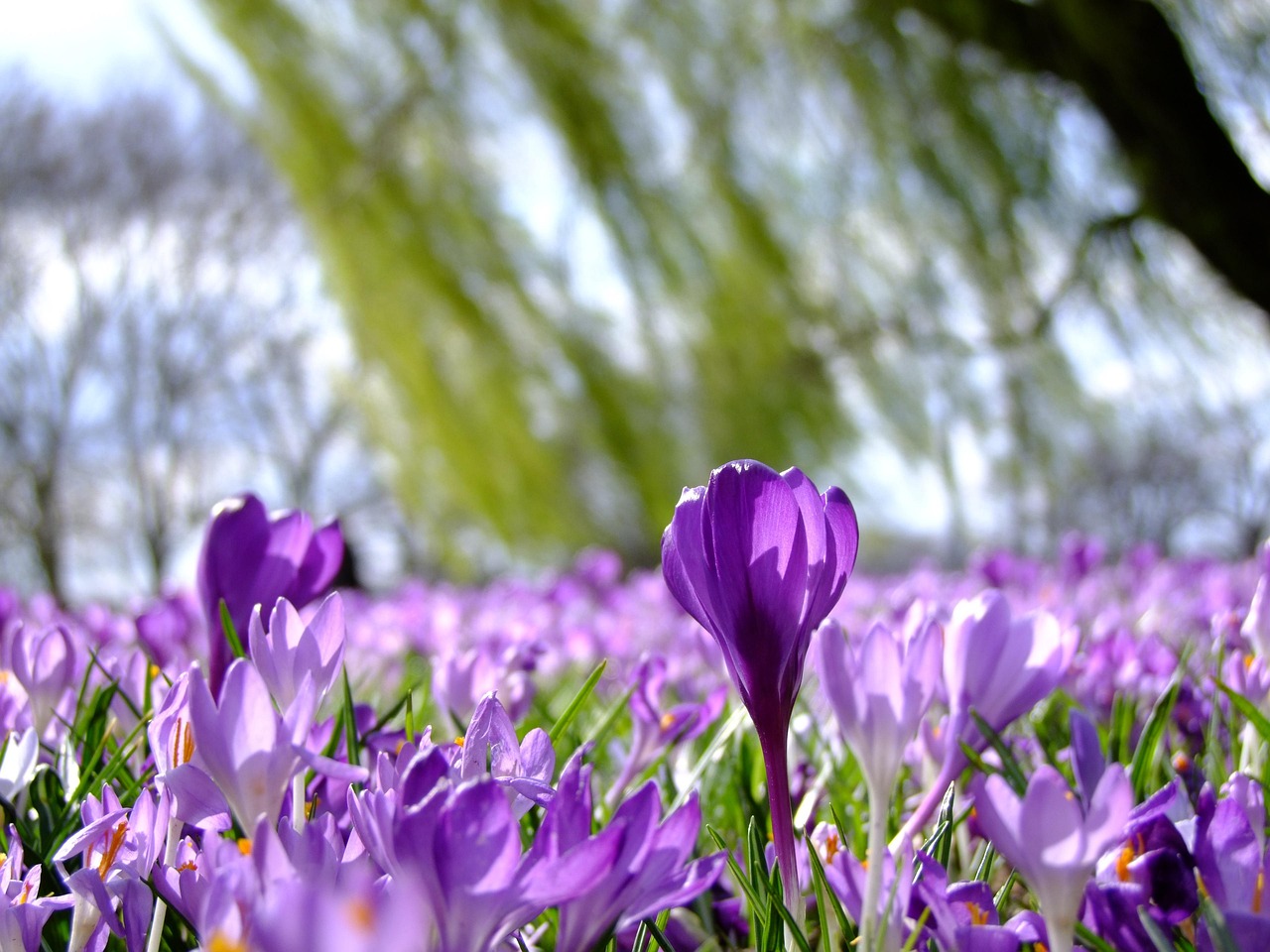
Crocuses typically flower in late winter or very early spring, often blooming as soon as the ground begins to thaw. Depending on your specific climate and the variety planted, these resilient bulbs usually show their vibrant colors between February and April, sometimes even pushing through the final lingering patches of winter snow.
While these flowers are reliable harbingers of the new season, their exact bloom time depends heavily on local temperatures and sun exposure. A sudden cold snap can delay their appearance, while a warm spell might trigger an early show. Understanding these environmental factors is key to planning a truly vibrant, colorful garden.
This guide explains precisely when crocuses flower and the specific variables that influence their delicate timing. You will also discover essential, practical tips for planting and maintenance to ensure your bulbs thrive and return year after year. Read on to master the art of cultivating these iconic early bloomers in your own backyard.

Understanding the Crocus Bloom Schedule
Crocuses are often celebrated as the definitive heralds of spring, but their blooming schedule is more nuanced than many gardeners realize. Because these bulbs are sensitive to soil temperature and daylight length, their flowering time depends heavily on your specific hardiness zone and the variety you choose to plant.
Most gardeners are familiar with spring-flowering crocuses, such as Crocus vernus (the Dutch crocus). These hardy bulbs typically emerge as soon as the ground begins to thaw, often pushing through light snow in late winter or very early spring. They require a period of cold dormancy to trigger their bloom, making them perfect for regions with distinct seasonal shifts.
However, the genus also includes species that defy the traditional spring timeline. To ensure you have color in your landscape throughout the year, it is helpful to categorize them by their bloom cycle:
- Spring-flowering crocuses: These are planted in the autumn. They bloom between late February and April, depending on how quickly your local soil warms up.
- Autumn-flowering crocuses: Varieties like Crocus sativus (the saffron crocus) bloom in mid-to-late autumn. These bulbs are planted in late summer, usually around August, to allow them to establish roots before their October or November display.
If you are trying to predict when your crocuses will flower, observe your local microclimate. South-facing slopes or areas near brick foundations often warm up weeks earlier than the rest of the garden, causing spring-blooming varieties to emerge ahead of schedule. Conversely, shaded spots will delay blooming.
Regardless of the variety, the most practical care tip is to avoid disturbing the foliage after the flowers fade. The leaves must remain intact until they turn yellow and wither naturally. This process allows the plant to photosynthesize and store the energy required to produce next year’s blooms. Whether you are planting for a February surprise or an autumn finale, patience is the most important tool in your gardening kit.
Factors That Influence Flowering Time
Crocuses are among the first signs of spring, but their exact emergence timing is rarely identical from one garden to the next. Several environmental variables act as biological triggers, signaling the corms that it is time to break dormancy.
The most significant factor is your local climate and the severity of the preceding winter. Crocuses require a period of sustained cold, known as vernalization, to initiate growth. If your region experiences an unusually mild winter, these plants may bloom earlier than expected, or conversely, struggle to bloom at all if they do not receive enough chill hours.
Beyond regional weather, your garden’s specific microclimate plays a decisive role:
- Sun Exposure: Corms planted in south-facing spots or near stone walls that absorb heat will warm up faster in late winter. This creates a localized “early spring,” often causing these crocuses to bloom weeks before those planted in shaded or north-facing areas.
- Soil Temperature: Soil acts as a thermal buffer. Sandy, well-draining soils warm up more quickly than heavy, moisture-retaining clay. As the soil temperature rises, the corms wake from dormancy.
- Planting Depth: The depth at which you bury your corms influences their internal clock. Corms planted at the recommended depth of three to four inches are insulated from rapid temperature fluctuations. If planted too shallowly, they may be triggered by a temporary warm spell, only to be damaged by a subsequent frost.
To ensure a reliable display, observe where the snow melts first in your yard. That specific area is your garden’s warmest microclimate and will naturally be the first place your crocuses appear. If you want a prolonged flowering season, stagger your planting by placing some corms in these sun-drenched “hot spots” and others in cooler, shadier corners of the landscape. This simple strategy effectively stretches the bloom window, allowing you to enjoy these resilient harbingers of spring for a longer period each year.

Safety Tips for Planting and Garden Maintenance
Preparing your garden beds for crocus bulbs is an exciting task, but prioritizing safety ensures the experience remains enjoyable rather than hazardous. Whether you are digging small holes with a trowel or clearing larger areas for mass planting, maintaining a focus on physical well-being prevents unnecessary strain and injury.
When working with hand tools, choose ergonomic designs with padded grips to reduce repetitive stress on your wrists and hands. If you are planting a large number of bulbs, take frequent breaks to stretch and avoid cramping. Always keep your tools sharp; a dull blade often requires more force, increasing the risk of the tool slipping and causing an accidental cut.
Protecting your skin is equally important. Soil can harbor bacteria or sharp debris like hidden glass, rocks, or thorns. To stay safe, follow these essential practices:
- Wear heavy-duty, puncture-resistant gardening gloves to shield your hands from soil-borne pathogens and sharp objects.
- Use knee pads or a cushioned kneeling bench to support your joints and prevent long-term discomfort.
- If you are using a power tiller for large-scale bed preparation, always wear safety goggles to protect your eyes from flying debris.
- Never reach into a power tiller or mechanical equipment while it is running. Always disconnect the power source or remove the spark plug wire before clearing blockages or adjusting blades.
Finally, be mindful of your surroundings. If you are planting near walkways or high-traffic areas, ensure your tools are not left on the ground where they could become a tripping hazard for others. By keeping your workspace organized and wearing the correct protective gear, you can focus entirely on the rewarding process of getting your bulbs into the ground. A cautious approach now ensures your garden beds are ready for a vibrant, healthy display when the crocuses emerge in late winter or early spring.
Planting for Success
To ensure your crocuses bloom right on schedule, timing is everything. These hardy bulbs must be planted in the autumn, ideally between September and November, before the ground freezes. Getting them into the soil early enough allows the corms to establish a robust root system, which is the foundation for a vibrant spring display.
Depth and spacing are critical factors for success. Follow these guidelines to give your crocuses the best start:
- Planting Depth: Place your corms approximately 3 to 4 inches deep. Planting too shallow can expose them to frost damage, while planting too deep may delay their emergence or prevent them from flowering altogether.
- Spacing: Space the corms 2 to 3 inches apart. If you prefer a dense, carpet-like effect, you can cluster them slightly closer, but ensure they have enough room to multiply over the coming years.
- Orientation: If you can identify the top of the corm (the slightly pointed end), ensure it is facing upward. If you are unsure, planting them on their side is a safe bet; the shoots will naturally find their way to the surface.
Drainage is the most vital component of soil preparation. Crocuses are highly susceptible to rot if they sit in waterlogged soil during their winter dormancy. If your garden soil is heavy clay, improve drainage by mixing in horticultural grit or coarse sand at the bottom of each planting hole. Avoid using manure or heavy fertilizers directly in the hole, as this can encourage fungal growth.
For the best results, choose a location that receives full sun or partial shade. Once planted, cover the area with soil and firm it down gently to remove large air pockets. A light layer of mulch can help regulate soil temperature, but avoid thick coverings that might trap excessive moisture. By focusing on these simple soil and placement techniques, you create the ideal environment for your crocuses to emerge reliably as the first signs of spring arrive.
Post-Bloom Care and Common Questions
Once your crocus flowers fade, your primary task is patience. It is essential to leave the foliage intact until it turns yellow and begins to wither naturally. During this phase, the leaves act as solar panels, photosynthesizing sunlight to store energy in the corm for next year’s growth. Cutting the foliage prematurely will weaken the plant and result in fewer blooms in the following season.
If you are looking to optimize your garden’s health, consider these practical care tips:
- Fertilizing: Crocuses generally do not require heavy feeding. A light application of a balanced, slow-release bulb fertilizer in early spring, just as the first shoots appear, is sufficient. Avoid fertilizing once the foliage has begun to yellow.
- Managing Pests: Squirrels and chipmunks are notorious for digging up and eating crocus corms. To protect your bulbs, lay down a piece of chicken wire or hardware cloth just below the soil surface when planting. Alternatively, planting crocuses alongside daffodils—which squirrels dislike—can act as a natural deterrent.
- Dividing Clumps: If your crocus display seems sparse or the blooms are smaller than usual, it may be time to divide overcrowded clumps. Wait until the foliage has fully died back in late spring or early summer, then gently lift the corms, separate them, and replant at the appropriate depth.
If you notice a lack of blooms, troubleshoot by checking sunlight levels. Crocuses require full sun to partial shade; if trees have grown to shade your planting spot, the plants may not receive enough energy to flower. Additionally, ensure your soil has excellent drainage. Crocuses are prone to rot in waterlogged soil, which can kill the corms before they have a chance to bloom. Finally, check that you are not mowing over the foliage too early, as this is the most common reason for a decline in vigor. With consistent care, your crocuses will reward you with reliable color every spring.

Dedicated team of gardening enthusiasts with years of hands-on experience testing lawn mowers, gardening tools, and outdoor equipment. We help home gardeners and professionals alike make informed buying decisions with honest, thorough reviews. From push mowers to pruning shears, we test it all so you don’t have to. Got a gardening tool you’d like us to review? Get in touch!