
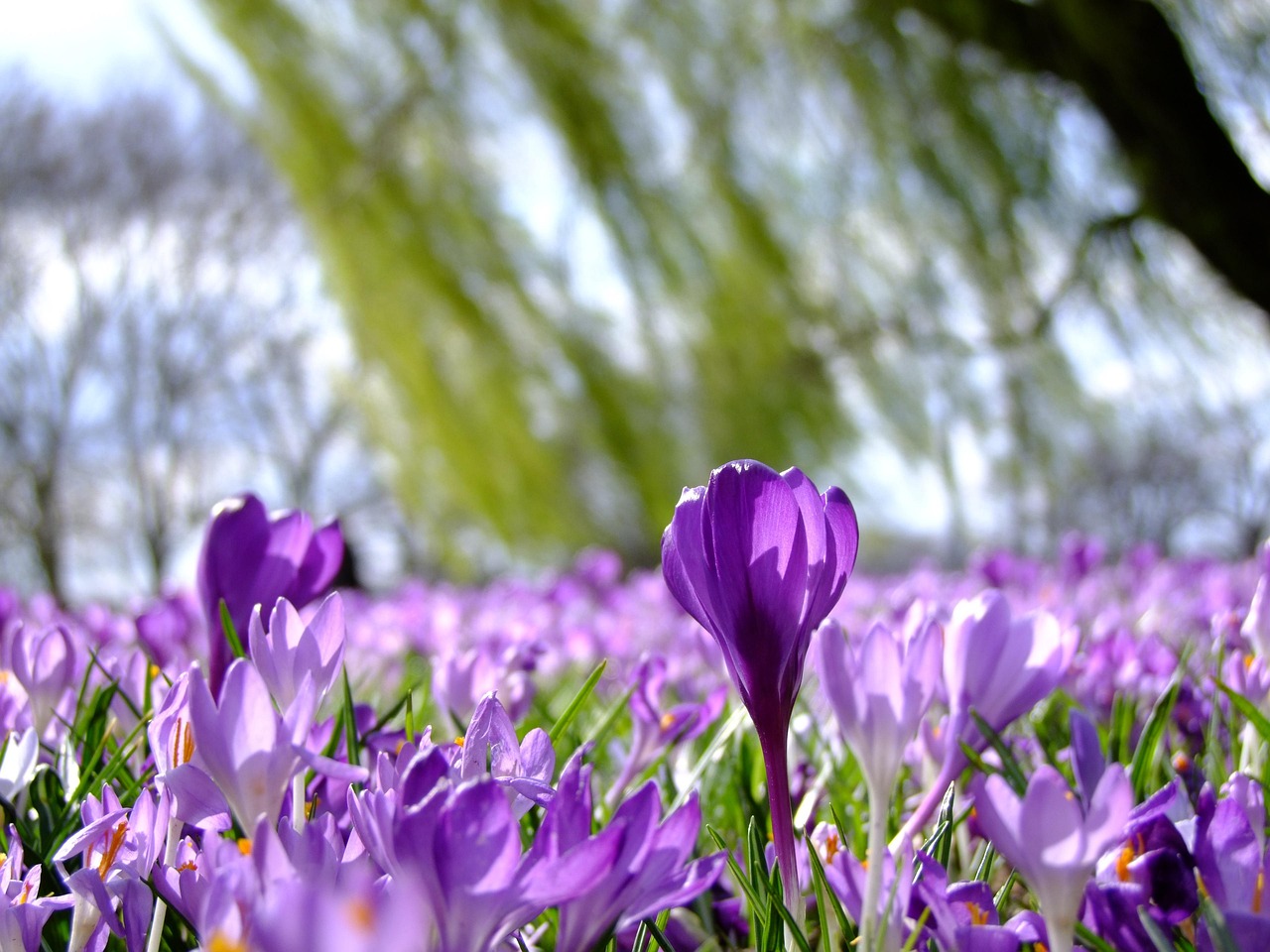
Crocuses typically bloom in late winter or very early spring, often pushing through the snow to signal the end of the cold season. Depending on your specific climate zone and the variety planted, you can expect these vibrant flowers to emerge anywhere from February to April as temperatures begin to rise.
While these hardy bulbs are famous for their early arrival, their exact timing depends heavily on local soil conditions and sun exposure. Understanding these specific blooming patterns helps you plan your garden beds for maximum color impact, ensuring you have a beautiful, layered display as the rest of your landscape wakes up.
This comprehensive guide explains exactly when these resilient bulbs flower and provides essential tips for long-term maintenance. By following our practical advice on planting depth, soil health, and seasonal care, you will learn how to ensure your crocuses return year after year, creating a reliable and stunning carpet of color in your garden.

Understanding the Crocus Blooming Season
The timing of your crocus display depends heavily on the specific variety you plant and your local climate. Most gardeners associate these cheerful flowers with the arrival of spring, but the genus is surprisingly diverse in its seasonal habits.
The most common varieties, known as Dutch crocuses (*Crocus vernus*), typically bloom in late winter or very early spring. Depending on your hardiness zone and the severity of the lingering winter, you can expect these to emerge between February and April. They are often among the first signs of life in a garden, sometimes pushing through a light dusting of snow.
To plan your garden effectively, keep these two distinct blooming categories in mind:
- Spring-Blooming Crocuses: These are the traditional favorites. They require a period of winter chilling to trigger their growth. They are best planted in the autumn, giving them ample time to establish roots before the ground freezes.
- Autumn-Blooming Crocuses: Less common but equally stunning, these species (such as *Crocus sativus*) offer a secondary burst of color. They typically bloom in late summer or early fall, providing a welcome transition as other summer perennials begin to fade.
Your local hardiness zone is the most reliable indicator of exactly when you will see blooms. In warmer zones, you may see spring crocuses as early as late January, while gardeners in colder, northern regions might wait until mid-April for the soil to warm sufficiently. If you live in an area with unpredictable spring weather, consider planting a mix of both early-blooming and late-blooming varieties. This strategy extends your garden’s color profile, ensuring that even if one wave is hampered by a late frost, you still have a vibrant display to look forward to.
Regardless of the variety, ensure your crocuses are planted in well-draining soil with plenty of sunlight. Proper drainage is critical; if the bulbs sit in waterlogged soil during their dormancy, they are prone to rot, which will prevent them from blooming regardless of the season.
Factors That Influence Bloom Time
While crocuses are famously known as harbingers of spring, their exact bloom time is rarely set in stone. Because these bulbs are highly sensitive to their immediate surroundings, several environmental variables dictate when they will break through the soil surface.
The most significant factor is your local microclimate. Even within a single garden, bloom times can vary by several weeks based on heat retention and light exposure. Consider these common influences:
- Sun Exposure: Bulbs planted on a sunny, south-facing slope or near a heat-absorbing brick wall will emerge much earlier than those in shaded or north-facing areas. These spots warm up faster as the sun climbs higher in late winter.
- Soil Temperature: Crocuses require the soil to reach a specific temperature threshold to trigger growth. If your garden has heavy, wet clay soil, it will remain cold longer than well-draining, sandy soil, potentially delaying your blooms.
- Winter Severity: The intensity of the previous winter dictates the “chill hours” the bulbs receive. A prolonged, deep freeze can delay emergence, while a mild winter often encourages crocuses to bloom prematurely.
- Planting Depth: Bulbs buried deeper in the ground are insulated from fluctuating surface temperatures. They typically bloom slightly later than those planted closer to the surface, which respond more quickly to the first warm spells of the season.
To predict when your specific crocuses will bloom, observe how snow melts in your yard. Areas where the snow disappears first are typically your “warm spots” and will be the first to host your spring flowers. If you want a staggered display, try planting bulbs in different zones of your garden—some in full sun for an early show and others in partial shade to extend the flowering season. Monitoring these small environmental differences allows you to better anticipate the arrival of spring and manage your garden’s transition from winter dormancy to vibrant color.
Proper Planting Techniques for Success
To ensure a vibrant display of crocus blooms when spring arrives, timing is your most critical factor. You must plant your corms in the autumn, ideally six to eight weeks before the ground freezes. This window allows the roots to establish themselves in the cooling soil, providing the necessary foundation for healthy spring growth.
When preparing your planting site, choose an area with well-draining soil and full to partial sun. Crocuses are susceptible to rot if left in standing water, so avoid low-lying spots that collect moisture after rainfall. If your soil is heavy clay, mix in organic matter like compost to improve drainage and nutrient content.
Follow these steps for successful planting:
- Prepare your tools: Use a bulb planter for consistent depth or a sturdy trowel for precision.
- Digging depth: Create holes three to four inches deep. Planting too shallow can expose corms to fluctuating temperatures, while too deep may delay emergence.
- Placement: Position the corm with the pointed end facing upward. If you cannot identify the top, planting on its side is a safe alternative.
- Spacing: Space corms two to three inches apart to create a dense, naturalized look once they bloom.
Safety is just as important as technique. Always wear durable gardening gloves when working in the garden. Gloves serve two vital purposes: they protect your skin from blisters caused by repetitive tool use and act as a barrier against soil-borne bacteria. This is especially important when you are digging in rough terrain or handling sharp implements like trowels or garden forks.
Once the corms are in the ground, cover them with soil and press down firmly to eliminate large air pockets. Water the area lightly to settle the earth, but avoid overwatering, as the corms are dormant and do not require significant moisture until the roots begin to actively grow. A light layer of mulch can help insulate the soil, ensuring your crocuses remain protected until they are ready to sprout.
Maximizing Your Spring Display
To achieve a high-impact spring display, avoid planting crocuses in thin, solitary rows. These bulbs look most natural and vibrant when grouped in large, irregular drifts. By clustering 20 to 50 bulbs in a single area, you create a dense carpet of color that mimics the way these flowers appear in their native wild habitats.
Crocuses are relatively low-maintenance, but they require specific environmental conditions to thrive and return year after year. Focus on these two essential factors to ensure a successful bloom:
- Soil Drainage: Crocuses are prone to rot if left in standing water. Ensure your planting site features well-draining soil, such as sandy loam. If your garden has heavy clay, amend the soil with organic matter or compost to improve drainage before planting.
- Sun Exposure: For the most vigorous growth, select a location that receives full sun to light partial shade. While they can tolerate some shade from deciduous trees, they need adequate sunlight to recharge their energy for the following season.
When preparing large garden beds for mass plantings, many gardeners use power equipment like rototillers to break up the soil. If you choose this method, prioritize your personal safety to prevent accidents:
- Eye Protection: Always wear impact-resistant safety goggles. Rototillers frequently kick up small rocks, sticks, and hard soil clumps that can cause serious eye injuries.
- Footwear: Wear heavy-duty, steel-toed boots. Never operate machinery while wearing sandals or lightweight sneakers, as these offer no defense against rotating blades or accidental slips.
- Clear the Area: Before starting the engine, walk the entire bed to remove large stones, metal debris, or thick roots that could cause the machine to buck or eject dangerous projectiles.
By preparing your soil correctly and planting in generous clusters, you provide your crocuses with the best foundation for a stunning, reliable spring show. Proper site selection and safe preparation techniques ensure your garden remains both beautiful and hazard-free.

Care Tips and Troubleshooting
Once your crocuses have finished their vibrant display, resist the urge to tidy up the garden immediately. The foliage must remain intact until it turns yellow and withers naturally. During this phase, the leaves are actively photosynthesizing, sending essential nutrients back down into the corm to fuel next year’s growth. Cutting the greens prematurely weakens the plant and often leads to smaller, fewer blooms in subsequent seasons.
If your crocuses fail to bloom or produce only foliage, environmental factors are usually to blame. These bulbs require specific conditions to thrive and reproduce. Consider these common troubleshooting steps:
- Improve Drainage: Crocuses are highly susceptible to rot in waterlogged soil. If your garden has heavy clay or standing water, amend the soil with organic matter or grit to improve aeration.
- Divide Overcrowded Clumps: Over time, bulbs multiply and compete for resources. If you notice a decline in flowering, dig up the clump after the foliage has died back, gently separate the bulbs, and replant them at the appropriate spacing.
- Check Sunlight: Ensure your planting site receives full sun during the early spring. Shaded areas often result in weak, spindly growth and a lack of flowers.
Pests can also interfere with healthy blooming. Squirrels and voles are notorious for snacking on bulbs, while aphids may target emerging shoots. If you notice persistent issues despite providing optimal growing conditions, you may have underlying soil quality or pest problems unique to your landscape.
For precise, science-backed solutions, reach out to your local university extension office. These organizations provide region-specific guidance based on your local climate, soil composition, and common native pests. They can offer advice on soil testing or recommend integrated pest management strategies that are safe for your specific environment. By addressing these factors, you ensure your crocuses remain a reliable, recurring highlight of your early spring garden for years to come.

Dedicated team of gardening enthusiasts with years of hands-on experience testing lawn mowers, gardening tools, and outdoor equipment. We help home gardeners and professionals alike make informed buying decisions with honest, thorough reviews. From push mowers to pruning shears, we test it all so you don’t have to. Got a gardening tool you’d like us to review? Get in touch!