
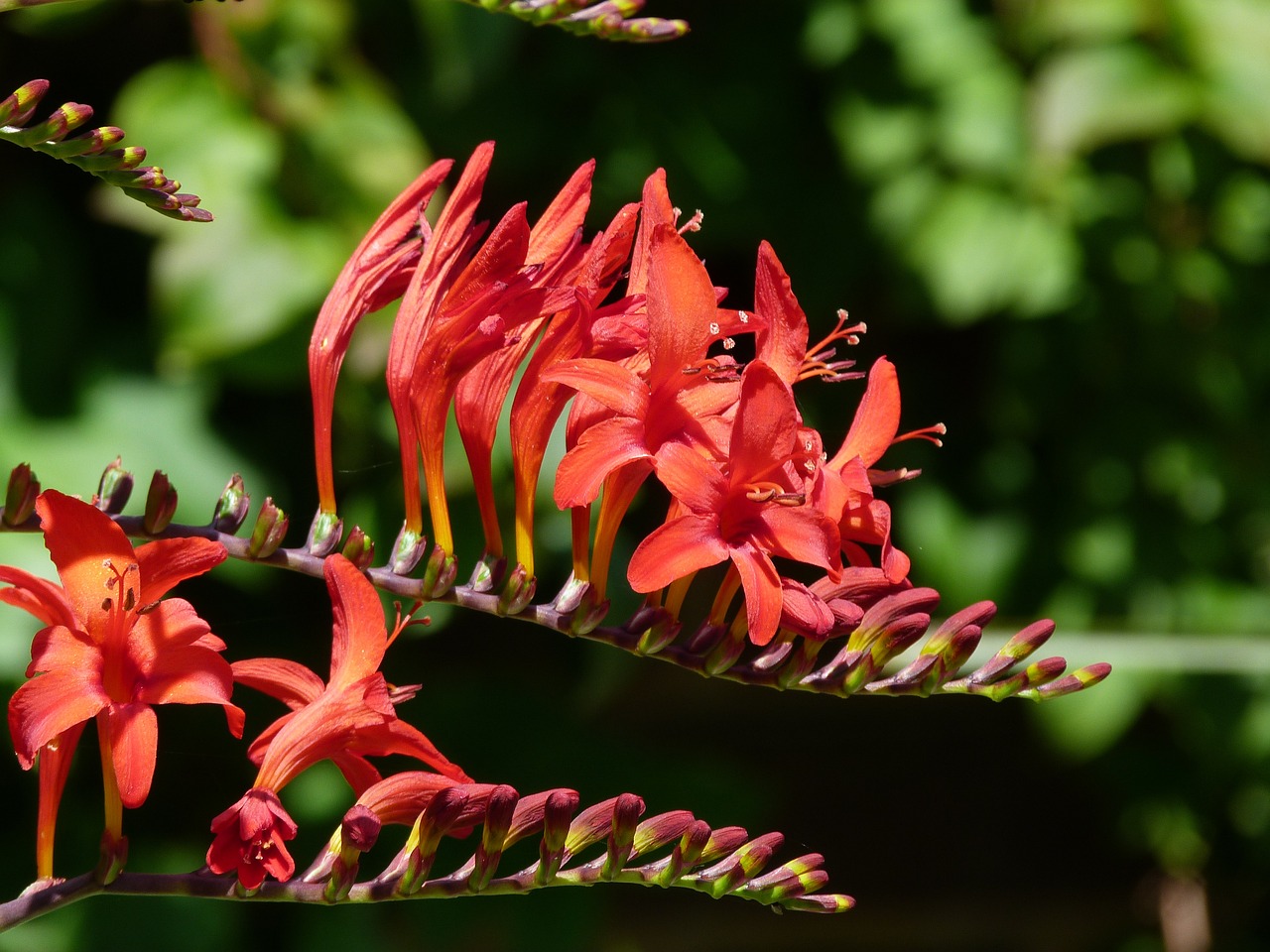
Crocosmia typically flower from mid-summer through early autumn, usually blooming between July and September. These hardy perennials are prized for their fiery, arching sprays of flowers that bring late-summer drama to the garden. If you are wondering when these plants bloom and how to keep them healthy, this guide provides the essential timeline.
While their vibrant colors are a highlight, the exact timing of their display often depends on your local climate and the specific variety you have planted. Some cultivars start their show earlier in the season, while others wait for the cooling temperatures of late August to reach their peak, full-bloom potential.
Beyond understanding their flowering schedule, successful cultivation requires consistent attention to soil moisture, sunlight exposure, and winter protection. This article offers practical advice on planting, dividing clumps, and managing common pests. Follow these expert tips to ensure your crocosmia thrive year after year, providing reliable, eye-catching color throughout your entire landscape.

Understanding the Crocosmia Flowering Season
Most Crocosmia varieties begin their flowering cycle in mid-summer. You can generally expect a spectacular display starting in July and continuing through to early autumn, typically concluding in September. While this window is standard, the exact timing relies on your local climate, soil conditions, and the specific cultivar you have planted.
To maximize your display and ensure a healthy season, consider these practical care factors:
- Sunlight Exposure: Crocosmia thrive in full sun. While they can tolerate partial shade, insufficient light often results in fewer blooms and weaker stems that may flop over.
- Moisture Management: During the active growing season, keep the soil consistently moist but well-drained. If the soil becomes too dry during the peak of summer, the flower buds may abort or the foliage may brown prematurely.
- Soil Fertility: Incorporating organic matter, such as well-rotted compost, into the planting site in spring provides the necessary nutrients to fuel their vigorous mid-summer growth.
- Deadheading: Once individual flowers fade, you can remove the spent stems. This keeps the plant looking tidy and directs energy toward the corm for next year’s growth, though leaving the seed heads can add architectural interest to your garden in autumn.
If you live in a cooler region, you may notice that flowering starts slightly later in the season as the ground warms up. Conversely, in warmer climates, these plants may begin their show earlier in July. If your Crocosmia are established but failing to bloom, it is often a sign of overcrowding. Every three to five years, lift and divide the clumps in the spring to rejuvenate the plants and encourage a more prolific flowering cycle.
By providing consistent moisture and ensuring they receive at least six to eight hours of direct sunlight, you will enjoy the vibrant, trumpet-shaped blooms that make Crocosmia a standout feature of the late summer landscape.
Factors That Influence Bloom Timing
While most Crocosmia varieties are programmed to bloom from mid-summer through early autumn, the exact timing depends heavily on your local environment. If your plants are lagging behind, one of the following factors is likely the cause.
Sunlight Exposure
Sunlight is the primary driver of flower production. Crocosmia are sun-loving perennials that require at least six to eight hours of direct light daily to bloom reliably. If your plants are situated in partial or deep shade, they will often produce lush foliage but fail to set flower buds. In these lower-light conditions, bloom time is significantly delayed, or the plant may not flower at all.
Soil Conditions and Drainage
The health of your corms—the underground storage structures—directly dictates the following season’s floral display. Crocosmia require excellent soil drainage. If the soil remains heavy or waterlogged, especially during the dormant winter months, the corms are prone to rot. Even if the plant survives, a stressed root system lacks the vigor required to produce a timely or abundant display of blooms.
Key Environmental Considerations
- Hardiness Zone: In cooler climates, Crocosmia may start their growth cycle later in the spring, pushing the flowering window toward the end of summer.
- Moisture Levels: While they need well-draining soil, these plants still require consistent moisture during the active growing season. Drought stress during the bud-formation stage can cause flowers to abort or bloom prematurely and weakly.
- Plant Maturity: Newly planted corms often take a full season to establish. You may notice that young plants bloom later in the year than established, multi-year clumps that have developed a robust root system.
To encourage the earliest possible blooms, ensure your Crocosmia are planted in a spot that receives maximum daily sun and features soil amended with organic matter to improve drainage. By stabilizing these environmental variables, you provide the plant with the energy it needs to focus on flowering rather than mere survival.
Safe Maintenance and Pruning Practices
Proper maintenance is essential to keep your Crocosmia healthy and blooming season after season. Because these plants grow from corms, they thrive when given a bit of attention after their flowering period concludes. Always use sharp, clean secateurs or garden shears when pruning back spent foliage. A clean cut ensures the plant tissue heals quickly, which significantly reduces the risk of fungal infections or pest entry.
When you are ready to tidy up your garden beds or divide overcrowded clumps, prioritize your personal safety:
- Wear protective gear: Always use sturdy gardening gloves. They protect your hands from blisters during repetitive cutting and shield your skin from potential irritation caused by plant sap or dry, sharp foliage edges.
- Maintain your tools: Dull blades crush plant stems rather than slicing through them. Regularly sharpen your secateurs to ensure precision.
- Sanitize equipment: Wipe your blades with a mild disinfectant between plants to prevent the accidental spread of diseases.
If you are managing a large collection of Crocosmia and need to clear significant amounts of dead growth, you might consider using power tools like hedge trimmers. While efficient, these require extra caution. Ensure the equipment is well-maintained and that all safety guards are firmly in place before you begin.
Always keep your hands a safe distance from the blades and maintain a firm, balanced stance. Because power tools can eject small fragments of plant material at high speeds, wearing appropriate eye protection is non-negotiable. This simple step guards against flying debris and ensures your gardening session remains injury-free.
Finally, avoid cutting back the foliage too early. Wait until the leaves have turned brown and brittle in late autumn or early winter. This allows the plant to channel energy back into the corms, which is vital for robust flowering in the following year. Once the foliage has naturally died back, you can safely trim the stems to ground level, leaving the plant tidy and ready for its winter dormancy.
Extending the Display Through Proper Care
To ensure your Crocosmia produces a vibrant display of fiery, arching blooms year after year, consistent maintenance is key. While these perennials are generally resilient, a little extra attention during their active growth cycle significantly boosts flower production.
As new green shoots emerge in early spring, apply a balanced, water-soluble liquid fertilizer. This provides the essential nutrients needed to support the development of strong, healthy flower spikes. Avoid over-fertilizing with high-nitrogen products, as this can encourage excessive foliage at the expense of the blossoms you are looking for.
Watering is particularly critical during the mid-summer months. If you experience a dry spell just as the flower buds are forming, the plant may struggle to reach its full potential. Consistent moisture helps the spikes develop fully and prevents the tips of the foliage from browning. Aim to keep the soil evenly moist but well-drained, as waterlogged conditions can lead to corm rot.
Over time, Crocosmia clumps tend to become congested. When the corms are packed too tightly, they compete for nutrients and space, which often results in a noticeable decline in flowering. To keep your plants vigorous, follow these simple steps for rejuvenation:
- Divide every 3–5 years: Once the foliage dies back in late autumn or early spring, lift the entire clump with a garden fork.
- Separate the corms: Gently tease the cluster apart, discarding any damaged or shriveled corms.
- Replant immediately: Select the largest, healthiest corms and replant them at the same depth they were previously growing, spacing them about 6 to 8 inches apart.
By thinning out overcrowded areas, you allow the remaining corms to access better airflow and soil nutrition. This simple practice ensures that your garden remains filled with the signature, trumpet-shaped blooms that make Crocosmia a summer staple. With this routine, your plants will remain reliable, healthy, and ready to put on a spectacular show each season.

Common Questions and Troubleshooting
If your Crocosmia are failing to produce their signature arching blooms, the most common culprit is a lack of light. These perennials thrive in full sun and require at least six hours of direct, unfiltered sunlight daily to initiate flowering. If your plants are situated in a shaded border, consider transplanting them to a brighter location during their dormant season.
When you observe yellowing foliage or stunted growth, environmental stress is often the underlying cause. Before reaching for treatments, evaluate your soil conditions and maintenance routine:
- Drainage Issues: Crocosmia corms are susceptible to rot in heavy, waterlogged clay. Ensure your soil is well-draining; if water pools after rain, amend the area with grit or organic compost to improve aeration.
- Pest Activity: Keep a close watch for red spider mites, especially during hot, dry spells. These tiny pests thrive in arid conditions and can cause leaves to lose their vibrant green color, eventually leading to a decline in plant vigor.
- Crowding: If a clump has become overly congested over several years, the corms may be competing for nutrients. Dividing established clumps every three to five years encourages more robust growth and consistent flowering.
Watering habits also play a vital role. While Crocosmia appreciate consistent moisture during the active growing season, the soil should never remain soggy. Always water at the base of the plant to keep the foliage dry, which helps prevent fungal issues that can weaken the plant and inhibit bloom production.
If you notice persistent yellowing despite adjusting your watering and light levels, or if you suspect a severe pest infestation, it is wise to seek professional guidance. Consult a local horticultural expert or your regional agricultural extension office. These resources can provide diagnostic support and advice tailored to your specific soil chemistry and local climate, ensuring you can return your garden to peak health before the next flowering cycle begins.

Dedicated team of gardening enthusiasts with years of hands-on experience testing lawn mowers, gardening tools, and outdoor equipment. We help home gardeners and professionals alike make informed buying decisions with honest, thorough reviews. From push mowers to pruning shears, we test it all so you don’t have to. Got a gardening tool you’d like us to review? Get in touch!