
Learning climbing hydrangea how to grow is a rewarding way to add vertical drama to your landscape. These stunning, woody vines are famous for their fragrant, lacecap flowers and their natural ability to scale walls or fences with ease. By following a few specific care requirements, you can successfully establish this vigorous climber in your own garden.
While these plants are incredibly hardy, they do require patience during their initial establishment phase. You should expect a slow start, as climbing hydrangeas often focus on root development before showing significant upward growth. Once they become well-settled in the right environment, they transform into lush, long-lived features that provide beautiful seasonal interest for many years.
Our comprehensive guide covers the essential steps needed to plant, train, and maintain this impressive vine for a spectacular display. We will walk you through choosing the perfect location, providing adequate structural support, and mastering the pruning techniques necessary for healthy development. Get ready to turn your bare garden walls into a thriving, green masterpiece.
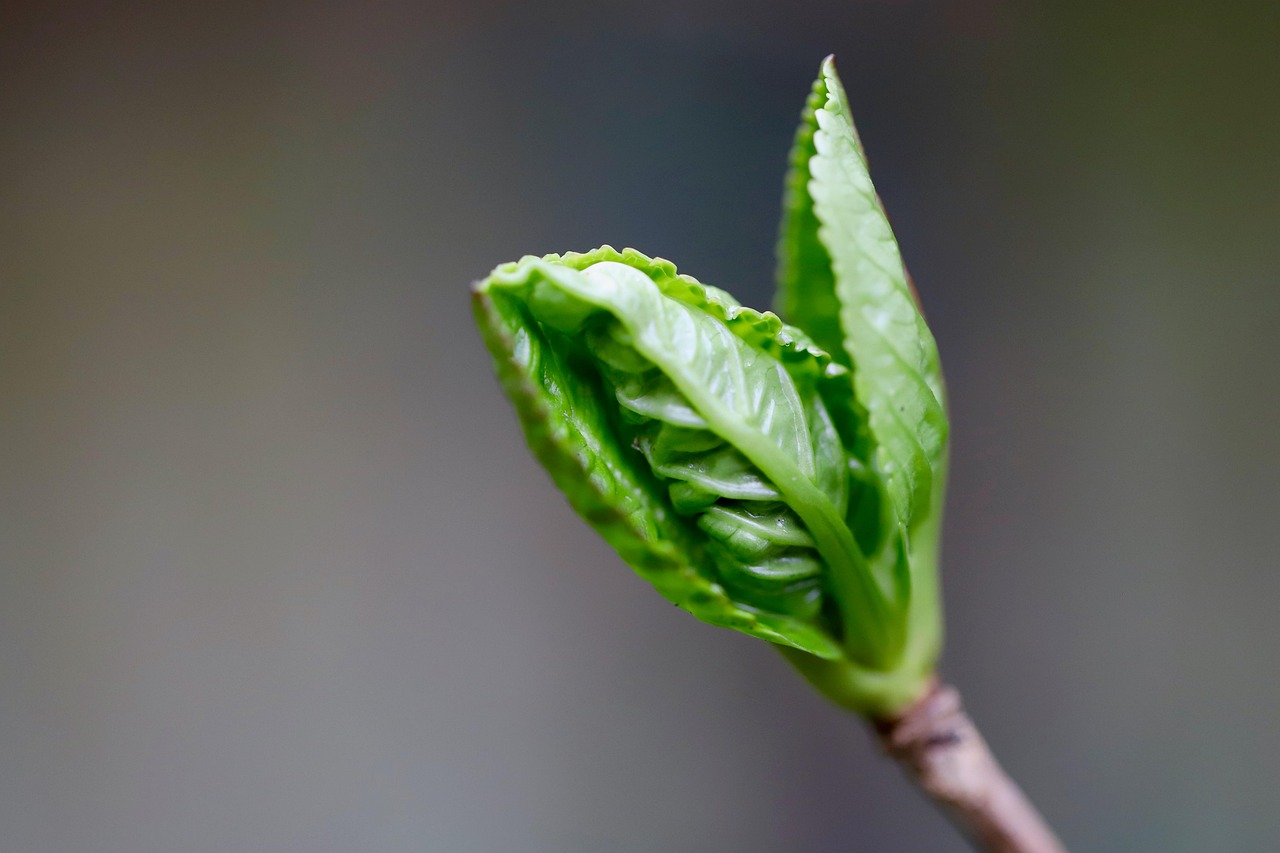
Ideal Planting Conditions and Location
Climbing hydrangeas (Hydrangea anomala subsp. petiolaris) are vigorous growers that require specific environmental conditions to reach their full potential. To ensure your vine thrives, select a location that receives partial shade. While these plants can tolerate full sun in cooler northern climates, they prefer protection from the intense afternoon heat in warmer regions to prevent leaf scorch.
Soil quality is equally critical. These hydrangeas perform best in soil that is rich in organic matter, consistently moist, and well-draining. If your native soil is heavy clay or predominantly sandy, amend it with compost or leaf mold before planting to improve structure and moisture retention. Avoid sites where water pools, as saturated roots can lead to rot.
Because climbing hydrangeas are woody, self-clinging vines that can reach heights of 40 to 50 feet, they require significant structural support. Their mature weight is substantial, so choose your site carefully to avoid long-term damage to your property. Ideal support structures include:
- Sturdy brick or stone masonry walls.
- Heavy-duty wooden fences.
- Reinforced, industrial-grade metal trellises.
- Large, mature trees with thick bark.
Avoid planting these vines against wooden siding or structures that require frequent maintenance, as the plant’s aerial rootlets can damage paint and wood over time. Additionally, ensure the chosen site provides ample horizontal space. While they are slow to establish during their first few years, once they take hold, they expand rapidly. Proper placement not only protects your home’s exterior but also ensures the vine has the necessary airflow to remain healthy and disease-free.
Finally, consider the long-term footprint of the plant. Since these vines can become quite wide, keep them away from windows, gutters, or rooflines where their dense foliage might create moisture traps or obstruct maintenance access. By providing a robust support system and the right light and soil balance, you create the perfect foundation for a lush, flowering display that will last for decades.
Planting and Establishment
Successful establishment of climbing hydrangea (Hydrangea anomala subsp. petiolaris) begins with timing. The ideal windows for planting are early spring, before active growth surges, or autumn, once the summer heat has subsided. These cooler periods allow the root system to settle into the soil without the stress of extreme temperatures.
When preparing your planting site, prioritize soil quality and drainage. Dig a hole that is twice as wide as the current root ball but no deeper. Incorporating organic compost into the native soil provides a nutrient-rich foundation that encourages robust root development. Ensure the plant is positioned at the same depth it sat in its nursery container; burying the crown too deeply can lead to rot.
Because these vines are vigorous climbers, placement near a sturdy support structure is essential. Whether you are using a brick wall, a wooden fence, or a heavy-duty trellis, follow these steps to help your plant transition:
- Positioning: Place the root ball approximately 12 to 18 inches away from the support structure to allow for airflow and root expansion.
- Initial Training: Use soft garden ties or twine to gently secure the primary stems to your support. Do not pull them tight; the goal is simply to guide the vine toward the surface.
- Natural Attachment: Once the plant matures, it will develop small, hair-like aerial rootlets. These allow the vine to grip surfaces independently, at which point you can gradually remove the temporary ties.
After planting, water the area thoroughly to eliminate air pockets around the roots. Maintain consistent moisture throughout the first year, particularly during dry spells, as young climbing hydrangeas are sensitive to drought. While they are famously slow to establish—often taking a few seasons to show significant vertical progress—your patience will be rewarded. Once the root system is fully anchored, the vine will begin its impressive ascent, eventually transforming your chosen structure into a lush, flowering feature of your landscape.
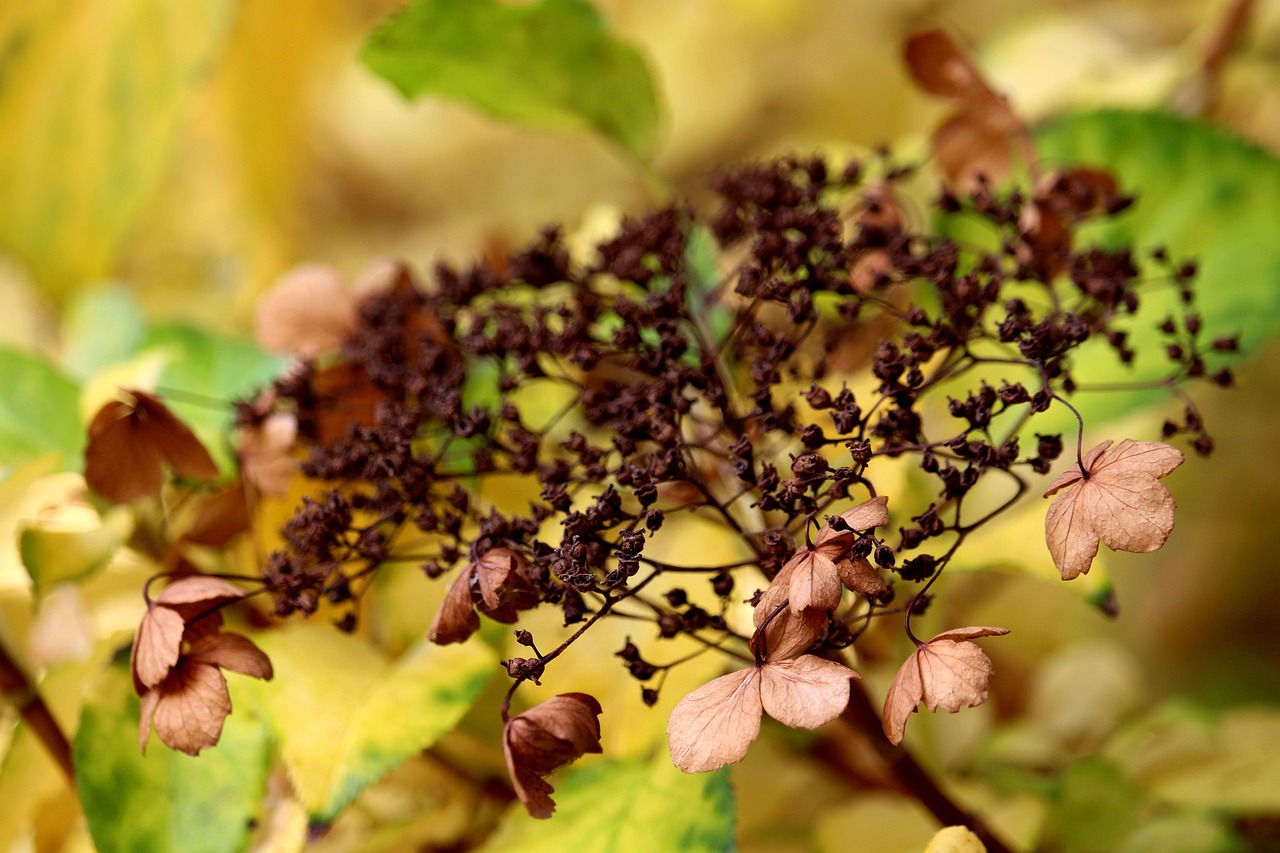
Watering and Fertilization Requirements
Climbing hydrangeas (Hydrangea anomala subsp. petiolaris) are relatively low-maintenance once established, but they have specific moisture needs during their early years. Because these vines are slow to settle in, providing consistent hydration is the most critical factor for success.
During the first two years after planting, keep the soil consistently moist but never waterlogged. If the top inch of soil feels dry to the touch, it is time to water. Aim to provide deep, thorough soakings rather than frequent light sprinkles; this encourages the roots to grow deeper into the soil, making the plant more resilient against future dry spells.
To support moisture retention and protect the root zone, apply a two-to-three-inch layer of organic mulch, such as shredded bark or compost, around the base of the vine. Ensure the mulch does not directly touch the woody stems to prevent rot. This layer serves three vital purposes:
- It keeps the soil cool and moist during the heat of summer.
- It suppresses weeds that would otherwise compete with your hydrangea for nutrients.
- It gradually breaks down to improve soil structure over time.
When it comes to feeding, climbing hydrangeas do not require heavy applications of fertilizer. Over-fertilizing can actually lead to excessive leafy growth at the expense of flowers. Instead, focus on a balanced, slow-release granular fertilizer formulated for woody shrubs.
Apply this fertilizer once per year in early spring, just as the buds begin to swell and new growth emerges. This timing ensures the plant has the necessary energy to support vigorous development throughout the growing season. If your soil is already rich in organic matter, you may find that a fresh layer of compost applied each spring is sufficient to keep your vine healthy and blooming. Always water the soil well after applying any fertilizer to help distribute the nutrients toward the root system and prevent root burn.
Pruning and Safety Considerations
Pruning is essential for maintaining the health and aesthetic appeal of your climbing hydrangea. Because these vines bloom on old wood, you should always prune immediately after the flowers fade in late summer. Waiting too long into the autumn or winter will result in the removal of next year’s flower buds, significantly reducing your floral display the following season.
When preparing to prune, prioritize the health of the plant by using sharp, sterilized bypass pruners. Clean blades ensure a precise cut that heals quickly, reducing the risk of disease. Focus your efforts on the following tasks:
- Remove any dead, damaged, or diseased stems to improve overall plant vigor.
- Thin out crossing or rubbing branches to prevent bark abrasions and improve airflow through the foliage.
- Trim back unruly growth to keep the vine within its intended space or to shape it against its support structure.
Safety should be your primary concern during maintenance, especially as these vines grow quite robustly. Always wear durable gardening gloves; the mature bark of a climbing hydrangea can be rough, and hidden debris or thorns may be present within the dense foliage. Protecting your hands prevents scratches and irritation.
If your vine has reached significant heights, you may need a ladder to reach the upper sections. Adhere to these strict safety protocols:
- Ensure the ladder is placed on firm, level ground to prevent tipping.
- Maintain three points of contact at all times while reaching or cutting.
- Wear safety glasses or protective goggles. Climbing hydrangeas often harbor dust, dry bark, and loose plant material that can easily fall into your eyes when disturbed.
By following these steps, you keep your climbing hydrangea tidy and healthy while ensuring your own physical safety. Regular, moderate pruning is far more effective than aggressive cutting, so aim to remove only what is necessary to maintain the vine’s structure and health.

Common Questions and Long-Term Care
Growing a climbing hydrangea (Hydrangea anomala subsp. petiolaris) requires a significant commitment of time. These vines are famously slow to establish, often spending their first few years focusing entirely on root development rather than vertical growth or flowering. Do not be discouraged if your plant appears stagnant during its initial seasons; this is a normal part of its life cycle.
If your established vine fails to bloom after several years, evaluate your environmental conditions. While these plants tolerate shade, they require at least partial sun to produce abundant flowers. If the vine is in deep shade, it may produce lush foliage but remain barren of blooms. Additionally, check for environmental damage: late spring frosts can easily kill developing flower buds, preventing the vine from blooming that year.
As the plant matures, it becomes quite heavy and woody. To ensure long-term success and safety, keep these maintenance tips in mind:
- Support Inspection: Regularly check the stability of your trellis, fence, or wall. Climbing hydrangeas use aerial rootlets to cling to surfaces, which can eventually pull away loose mortar or weaken wooden structures.
- Pruning Strategy: Prune only immediately after flowering to avoid cutting off next year’s buds. Focus on removing dead or crossing branches to improve airflow.
- Structural Integrity: If the vine becomes excessively dense or heavy, it can act like a sail during high winds, potentially damaging your home’s siding or the support structure itself.
If you notice significant structural issues, such as deep cracks in the support wall or the vine pulling away from a building, consult a professional arborist. They can assess the weight distribution and determine if the vine requires structural pruning or additional support hardware. Prioritizing safety ensures that your garden remains a peaceful retreat rather than a maintenance burden. With consistent, patient care, your climbing hydrangea will reward you with decades of elegant, fragrant blooms and sophisticated vertical interest.

Dedicated team of gardening enthusiasts with years of hands-on experience testing lawn mowers, gardening tools, and outdoor equipment. We help home gardeners and professionals alike make informed buying decisions with honest, thorough reviews. From push mowers to pruning shears, we test it all so you don’t have to. Got a gardening tool you’d like us to review? Get in touch!