
You should plant autumn-flowering crocus bulbs in late summer, ideally between July and August. Getting them into the ground during this specific window is essential for ensuring these unique bulbs establish their root systems successfully before the first frost arrives. This timing allows them to bloom beautifully just as other garden plants fade.
While many gardeners associate crocuses strictly with spring, autumn varieties offer a vibrant, unexpected splash of color when the landscape needs it most. However, these bulbs require specific soil conditions and precise planting depths to thrive. Understanding these realistic environmental needs is the key to enjoying a reliable, recurring display every single year.
In this guide, we provide practical, step-by-step instructions to help you master the art of growing these seasonal gems. From selecting the perfect sunny location to calculating the correct burial depth for your bulbs, we cover everything you need to know. Follow these expert tips to ensure your autumn garden remains lively and colorful.
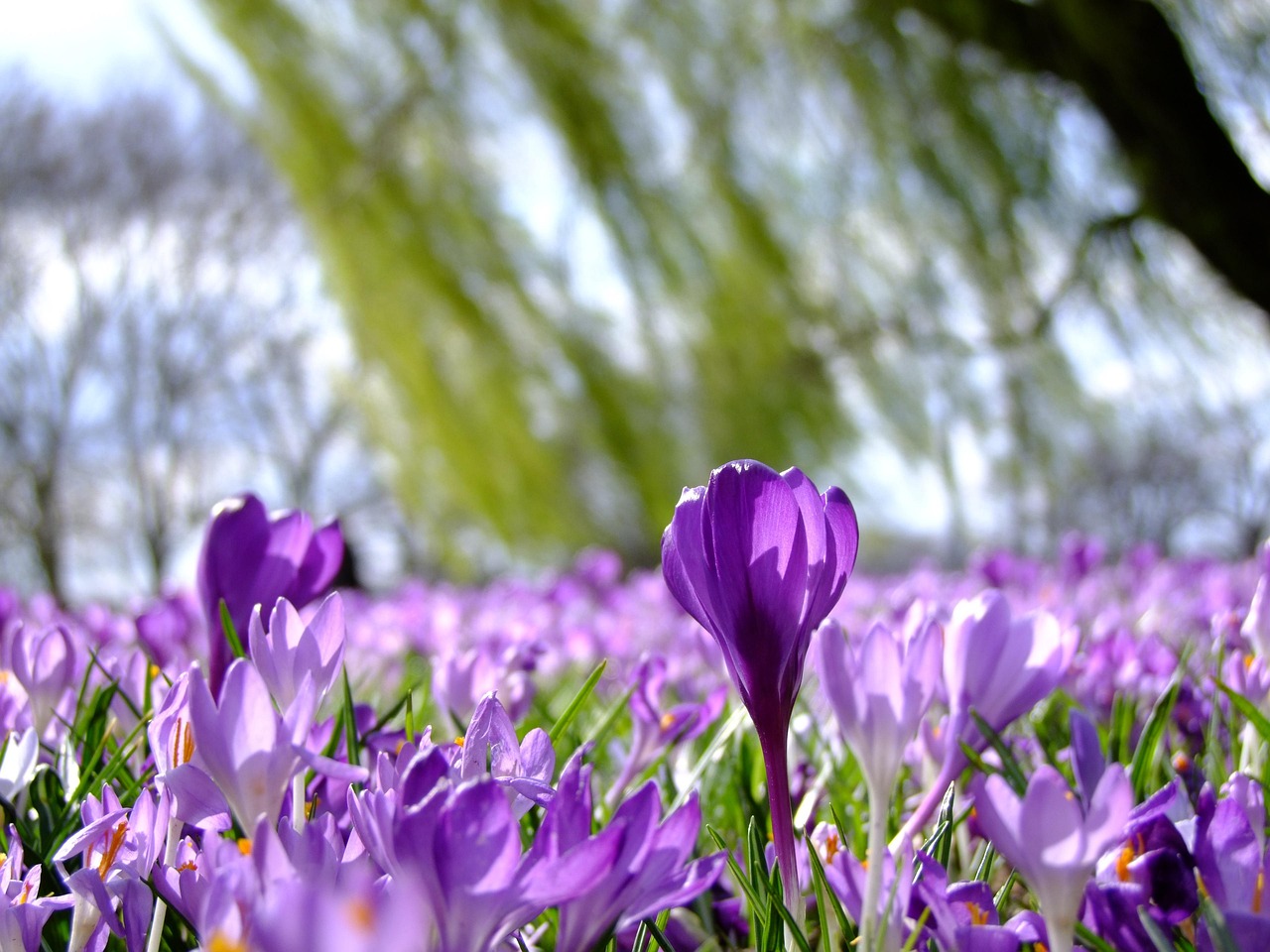
The Best Time to Plant Autumn Crocuses
Timing is critical when growing autumn-flowering crocuses. Unlike their spring-blooming counterparts, which require a long period of winter dormancy, these unique bulbs follow a different biological clock. To ensure a successful display, you must plant them while the soil is still warm, typically between late July and mid-August.
Planting during this window allows the bulbs to establish a healthy root system before the cooler temperatures of autumn arrive. If you wait too long, the soil temperature drops, which can inhibit root development and result in poor flowering or a complete lack of blooms during their first year.
Follow these practical steps to ensure your bulbs settle in correctly:
- Source promptly: Purchase your corms as early as possible. Because they initiate growth in late summer, they have a short shelf life and can dehydrate if left in storage for too long.
- Select the right spot: Choose a location with well-draining soil and plenty of sunshine. Good drainage is vital, as these bulbs are prone to rot if they sit in waterlogged earth during the transition to autumn.
- Depth matters: Plant the corms approximately 3 to 4 inches deep. Placing them at this depth provides insulation and stability as the plant prepares to send up its delicate, stemless flowers.
- Mark the area: Since the foliage often appears at a different time than the flowers—or may die back entirely—use a small garden marker to identify where you have planted them. This prevents accidental disturbance when you are tidying up your garden beds later in the season.
Once planted, keep the area lightly watered if the weather is exceptionally dry, but avoid over-saturating the soil. By getting your crocuses into the ground by mid-August, you provide them with the necessary energy reserves to produce their vibrant, jewel-toned blooms just as the rest of your garden begins to fade. With this simple head start, you can look forward to a reliable show of color when autumn arrives.
Essential Tools and Safety Precautions
Planting autumn-flowering crocus requires minimal equipment, but using the right tools ensures you achieve the correct planting depth, which is vital for bulb health. A sturdy hand trowel is ideal for loosening soil, while a dedicated bulb planter allows you to remove a precise plug of earth, ensuring your bulbs sit securely at the recommended three-inch depth.
Safety should always be your priority when working in the garden. Before you begin, gather the following essentials to protect yourself and maintain your equipment:
- Gardening gloves: Wear durable, moisture-resistant gloves to shield your skin from soil-borne bacteria, thorns, and potential irritants found in certain bulb skins.
- Clean, sharp tools: Inspect your trowel or planter for rust. If you find oxidation, scrub it away with a wire brush and wipe the metal with a light coat of oil to prevent further corrosion.
- Proper posture: If planting a large drift of bulbs, use a kneeling pad to reduce strain on your joints and back.
Handle all metal tools with care. Always keep sharp edges pointed away from your body when digging or clearing debris. If you are working with a bulb planter that features a spring-loaded mechanism, keep your fingers clear of the release lever to avoid pinching.
Organization is a key component of garden safety. Once you have finished planting, clean your tools immediately to remove damp soil, which can harbor pathogens that might damage your bulbs next season. Store your equipment in a designated shed or wall rack rather than leaving them on the grass or soil. This simple habit prevents accidental cuts and eliminates tripping hazards for anyone walking through your garden, especially as light levels begin to fade during the autumn months.
By keeping your workspace tidy and your tools well-maintained, you create a safer environment for yourself and ensure that your autumn-flowering crocus bulbs get the best possible start in their new home.

Step-by-Step Planting Guide
Planting autumn-flowering crocuses, such as Crocus speciosus or Crocus sativus, requires precision to ensure they bloom reliably when the rest of your garden begins to fade. Timing is critical; aim to get your corms into the ground in late summer, ideally by August, so they have sufficient time to establish roots before their rapid autumn flowering cycle begins.
Follow these steps to ensure your bulbs thrive:
- Site Selection: Choose a location that receives full sun to partial shade. Ensure the soil is well-draining; these corms are prone to rot if left in standing water or heavy, waterlogged clay.
- Digging: Use a trowel to dig individual holes or a small trench approximately 3 to 4 inches deep.
- Orientation: Place each corm into the hole with the pointed end facing upward. If you are unsure which side is the top, look for the small, dried root plate at the base, which should always face down.
- Spacing: Position the bulbs about 3 inches apart. This spacing is essential for proper airflow, which prevents fungal issues and allows the plants to multiply naturally over time.
- Covering and Watering: Gently backfill the holes with soil, taking care not to crush the bulbs. Once covered, water the area lightly. This settles the earth around the corm, eliminating large air pockets and signaling the plant to begin its growth phase.
Avoid overwatering after the initial planting. Since autumn crocuses are dormant during the summer and bloom quickly, they do not require excessive moisture until the foliage emerges. If your soil is particularly heavy, you can amend it with a handful of grit or horticultural sand at the bottom of each hole to improve drainage. Once established, these resilient plants will return year after year, providing a vital splash of color just as the autumn season settles in.
Selecting the Right Varieties
When selecting bulbs for an autumn display, precision is vital. Not all crocuses bloom in the fall; many popular varieties are strictly spring-flowering. To ensure you get the seasonal color you desire, always check the botanical name on the packaging rather than relying solely on the common name.
Look specifically for species known for their late-season performance, such as:
- Crocus sativus: The famed saffron crocus, which produces beautiful violet flowers and valuable spice threads.
- Crocus speciosus: A hardy, reliable bloomer that features striking blue-purple petals with prominent orange stigmas.
- Crocus pulchellus: Known for its delicate, pale lavender blooms that emerge as the weather cools.
Be careful to distinguish these true crocuses from Colchicum. Often marketed as “autumn crocus” or “naked ladies,” Colchicum are entirely different plants that bloom at a similar time but have a much larger, coarser appearance. Most importantly, Colchicum species are highly toxic if ingested and can cause severe health complications for humans and pets.
Safety should be your priority during the planting process. Many bulbous plants, including true crocuses, contain natural compounds that can cause skin irritation or allergic reactions upon contact. To protect yourself, follow these practical safety steps:
- Wear gardening gloves when handling bulbs to prevent direct skin contact with the bulb’s outer tunic or juices.
- Avoid touching your face, eyes, or mouth while working in the garden.
- Wash your hands thoroughly with soap and warm water immediately after you finish planting.
- Keep bulbs stored in a cool, dry place out of reach of children and pets until you are ready to put them in the ground.
By carefully identifying your species and maintaining good hygiene, you can enjoy a vibrant, safe autumn garden. Taking these few extra minutes to verify your bulbs ensures you avoid confusion and protect your household throughout the planting season.

Follow-Up Care and Common Questions
Once your autumn-flowering crocus bulbs are in the ground, minimal intervention is required to ensure they thrive. The most critical factor is soil moisture: keep the ground lightly moist during the growing season, but never allow it to become waterlogged. Excess standing water encourages bulb rot, which is the most common cause of failure in these plants.
After the vibrant blooms fade, resist the urge to tidy up the garden by cutting back the foliage. The leaves are essential for the plant’s survival; they collect energy through photosynthesis and store it in the bulb to fuel next year’s growth. Allow the foliage to die back naturally and turn yellow before you gently remove it.
If you notice your crocuses failing to produce flowers in subsequent years, consider these common culprits:
- Poor Drainage: Heavy, clay-heavy soils that hold too much water during the dormant summer period can kill the bulbs.
- Excessive Shade: These plants require full sun or very light dappled shade to bloom reliably. If trees have grown and cast more shade than in previous years, relocation may be necessary.
- Nutrient Depletion: If the soil is extremely poor, a light application of a balanced, slow-release bulb fertilizer in early spring can help, though avoid over-feeding.
Pests can also be a factor. Squirrels, voles, and mice are notorious for digging up and eating bulbs. If you suspect animal interference, laying chicken wire over the planting area before covering it with soil can provide an effective physical barrier.
If your bulbs continue to struggle despite optimal conditions, or if you are uncertain about your specific soil quality or local climate challenges, reach out to a local horticultural extension office. These professionals can provide site-specific advice, help identify local pests, and offer guidance on soil amendments tailored to your region. With the right environment and a bit of patience, your autumn crocus will reward you with reliable color for many seasons to come.

Dedicated team of gardening enthusiasts with years of hands-on experience testing lawn mowers, gardening tools, and outdoor equipment. We help home gardeners and professionals alike make informed buying decisions with honest, thorough reviews. From push mowers to pruning shears, we test it all so you don’t have to. Got a gardening tool you’d like us to review? Get in touch!