
You should plant Allium christophii bulbs in the autumn, ideally between September and November. This timing allows the bulbs to establish healthy root systems in the cooling soil before the ground freezes for winter. Getting your planting window right is the most critical step for ensuring these stunning, star-shaped purple blooms return reliably.
While these architectural plants are relatively low-maintenance, they do require specific conditions to produce their signature metallic spheres. Success depends on well-draining soil and a sunny location, as these bulbs are prone to rot in waterlogged environments. Understanding their growth cycle helps you avoid common pitfalls and sets realistic expectations for your garden display.
This guide provides practical, step-by-step instructions to help you master the art of allium cultivation. From determining the correct planting depth to choosing the perfect companion plants, we cover everything you need to know. Follow these expert tips to ensure your garden features these dramatic, show-stopping flowers when spring finally arrives next year.

The Ideal Planting Window
For gardeners looking to add the architectural beauty of Allium christophii to their landscape, timing is everything. These striking, star-shaped blooms rely on a period of dormancy and cold conditioning to thrive. The ideal window for planting these bulbs is in the autumn, specifically from September through November.
Planting during this timeframe is critical because it allows the bulbs to establish a robust root system in the cooling soil. While the foliage remains dormant above ground, the roots are busy anchoring themselves and preparing for the surge of energy required for spring growth. By getting them into the ground before the first hard frost, you ensure the bulbs are well-prepared to withstand the winter months.
To achieve the best results, keep these timing factors in mind:
- Soil Temperature: Aim to plant when soil temperatures have dropped below 60°F (15°C). This cooler environment helps prevent premature sprouting and fungal issues.
- Avoid Late Planting: If you wait until the ground is frozen or nearly frozen, the roots will not have enough time to develop. This often leads to stunted growth or a failure to bloom the following season.
- The Vernalization Requirement: Allium christophii requires several weeks of consistent cold temperatures to trigger its natural spring growth cycle. Autumn planting provides this essential “chilling” period.
If you live in a region with an exceptionally long, warm autumn, it is generally safer to wait until late October or early November. Conversely, in areas with early, harsh winters, aim for the earlier side of the window to ensure the bulbs are settled before the ground becomes unworkable. Once planted, you can mulch the area lightly to protect the soil from extreme temperature fluctuations, though these bulbs are generally hardy and reliable. By respecting this autumn planting window, you set the stage for a spectacular display of metallic, globe-shaped flowers come late spring.
Selecting the Right Location
Selecting the ideal spot is the most critical step in ensuring your Allium christophii thrives. These striking ornamental onions are native to arid regions, meaning they demand specific environmental conditions to produce their signature metallic, star-shaped flower heads and sturdy stems.
The primary requirement for these bulbs is full sun. Choose a location in your garden that receives at least six to eight hours of direct, unfiltered sunlight daily. When planted in partial shade, the stems often become weak, leggy, and prone to flopping over, which detracts from their dramatic architectural appearance.
Equally important is soil structure. Allium christophii bulbs are highly sensitive to moisture; if they sit in damp, heavy soil, they will quickly succumb to bulb rot. You must ensure your planting site offers excellent drainage. Before you begin planting, test your soil by digging a small hole and filling it with water. If the water takes more than a few minutes to drain away, your soil is likely too heavy or compacted.
If you are working with heavy clay soil, you can improve the site by incorporating amendments. Follow these steps to prepare the ground:
- Dig the planting area to a depth of at least 12 inches.
- Mix in a generous amount of horticultural grit or coarse sand to create air pockets.
- Add well-rotted organic compost to improve soil texture and nutrient levels.
- If your garden is prone to standing water, consider planting the bulbs on a slight mound or in a raised bed to encourage runoff.
By prioritizing a sunny, well-draining location, you provide the foundation these perennials need to establish deep roots. Proper site selection not only guarantees a more impressive floral display in late spring but also ensures the longevity of the bulbs, allowing them to return and multiply in your garden for many years to come.

Tools and Safety Considerations
Successfully planting Allium christophii requires the right equipment to ensure your bulbs are placed at the correct depth without causing damage. For individual planting, a sturdy hand trowel is ideal for precision. If you are planting a large cluster, a dedicated bulb planter can help you maintain a consistent depth of approximately six to eight inches, which is essential for these star-shaped blooms to thrive.
Safety should always be your priority when working in the soil. Follow these essential practices to protect yourself and your equipment:
- Wear gardening gloves: Always use durable gloves to shield your hands from soil-borne bacteria, sharp stones, and potential skin irritants.
- Maintain your tools: After use, wipe metal tools clean and dry them thoroughly. This simple step prevents rust and extends the lifespan of your equipment.
- Use ergonomic techniques: If you are digging a large area, switch to a long-handled spade. Using a tool with a longer handle allows you to maintain an upright posture, significantly reducing the risk of back strain.
- Secure your workspace: Sharp tools pose a danger to others. Always store trowels, spades, and bulb planters in a locked shed or a secure area completely out of the reach of children and pets.
By keeping your tools clean and using the correct posture, you make the planting process more efficient and much safer. Remember that Allium christophii bulbs should be handled gently; if you notice any damaged or soft bulbs, discard them rather than planting them, as they are unlikely to produce healthy flowers. Taking these small precautions ensures that your garden remains a safe, productive space for both you and your plants throughout the autumn planting season.
Step-by-Step Planting Process
Successfully planting Allium christophii requires attention to depth and spacing to ensure these impressive, star-shaped blooms thrive in your garden. Timing is crucial; aim to plant your bulbs in the autumn, ideally from September through November, before the ground freezes.
Follow these steps to give your bulbs the best start:
- Depth: Dig a hole that is approximately 10 to 15 centimeters deep. As a general rule of thumb, plant the bulb at a depth roughly three times its own height.
- Orientation: Place the bulb in the hole with the pointed, “nose” end facing upward. This ensures the stem grows straight toward the surface.
- Spacing: Position each bulb 20 to 30 centimeters apart. Proper spacing is essential to prevent overcrowding and to allow for adequate airflow, which helps keep the foliage healthy and free of fungal issues.
- Backfilling: Once the bulbs are positioned, fill the hole with soil. Gently firm the surface with your hands or the back of a rake to remove large air pockets without compacting the earth too tightly.
After planting, water the area lightly if the soil is particularly dry, though be careful not to oversaturate the ground, as bulbs can rot in waterlogged conditions. If you are planting in heavy clay soil, consider adding a handful of horticultural grit to the bottom of each hole to improve drainage.
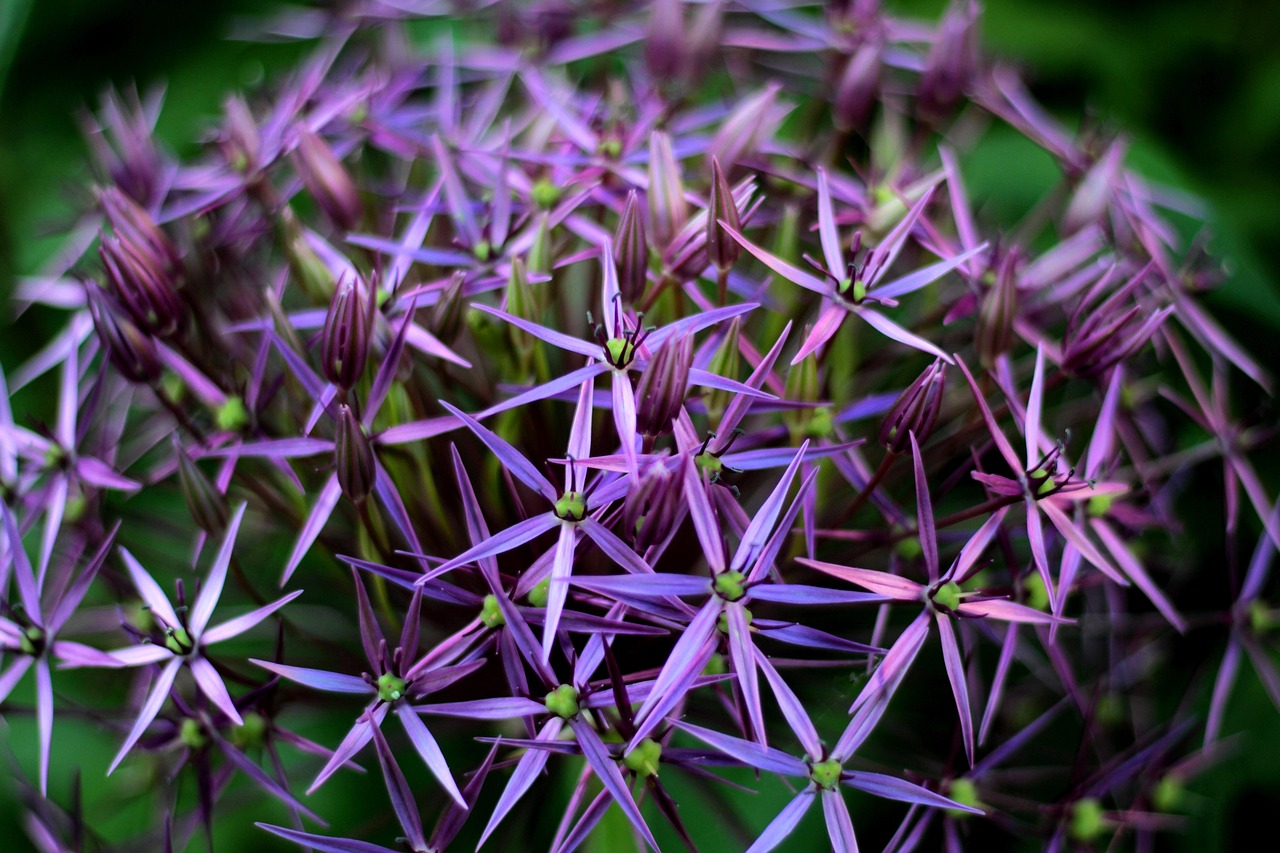
Once the bulbs are in the ground, they will spend the winter establishing a strong root system. Because Allium christophii is hardy, it does not require winter protection in most climates. Simply mark the area with a small label so you do not accidentally disturb the soil during spring weeding. By providing this careful foundation during the autumn planting window, you ensure your garden is ready for a spectacular display of metallic-purple, globe-shaped flowers when late spring arrives.
Follow-Up Care and Common Questions
Once your Allium christophii bulbs are in the ground, they require very little intervention. If you planted them during a particularly dry autumn, provide a light watering to settle the soil. However, avoid over-saturating the area, as these bulbs are susceptible to rot in waterlogged conditions.
As the season progresses, keep the following care tips in mind:
- Natural Die-back: After the stunning purple, star-shaped blooms fade in early summer, resist the urge to trim the foliage. Allow the leaves to yellow and wither naturally. This process is essential as the foliage sends energy back into the bulb to fuel next year’s growth.
- Managing Pests and Disease: These plants are generally hardy, but soft or mushy bulbs are a red flag. This usually indicates poor drainage. If you notice this, ensure your planting site is not sitting in standing water or heavy clay that traps moisture.
- Soil Health: If your alliums fail to thrive or show stunted growth, the issue often lies beneath the surface. Alliums demand well-draining, fertile soil to reach their full potential.
If you encounter persistent issues despite providing proper care, your soil composition may be the culprit. It is highly recommended to consult a local horticultural extension service or a professional garden center. They can perform a comprehensive soil test to determine if your garden lacks specific nutrients or requires amendments to improve drainage.
By letting the plant complete its natural life cycle and ensuring the soil remains well-drained, you set the stage for a reliable return of these architectural blooms each year. Remember, patience is a key component of gardening; once established, Allium christophii will reward your minimal efforts with consistent, eye-catching displays.

Dedicated team of gardening enthusiasts with years of hands-on experience testing lawn mowers, gardening tools, and outdoor equipment. We help home gardeners and professionals alike make informed buying decisions with honest, thorough reviews. From push mowers to pruning shears, we test it all so you don’t have to. Got a gardening tool you’d like us to review? Get in touch!