
Growing cacti indoors is a rewarding way to bring desert beauty into your home. While these plants are known for being low-maintenance, they still require specific conditions to thrive. By mimicking their natural arid environment, you can ensure your succulents stay vibrant and healthy throughout the entire year within your living space.
Many beginners mistakenly believe that cacti require almost no attention, but successful indoor gardening requires a strategic approach. These resilient plants need plenty of bright light and careful watering habits to avoid common issues like root rot. Understanding their unique growth cycles is the secret to keeping your collection happy and thriving.
This guide covers the essential steps for light, water, and soil management to keep your indoor cactus healthy. We will explore how to choose the right containers, identify the best window placements, and establish a watering routine that prevents over-saturation. Follow these practical tips to master the art of indoor cactus care today.

Choosing the Right Spot for Sunlight
Cacti are desert-dwelling plants that have evolved to thrive under intense, unfiltered light. When growing them indoors, mimicking this natural environment is the most important factor in keeping them healthy, vibrant, and structurally sound. Without enough light, your cactus will begin to “etiolate,” a process where the plant stretches toward the nearest light source, resulting in weak, thin growth and a loss of its natural color.
To ensure your cactus receives the energy it needs, prioritize placement in a south or west-facing window. These locations typically offer the highest intensity of light throughout the day. Your goal should be to provide at least six hours of bright, direct sunlight daily. If you notice your cactus leaning significantly toward the glass, rotate the pot a quarter-turn every week to encourage even, upright growth.
If your home does not have a window with adequate sun exposure, you do not have to give up on growing cacti. You can successfully supplement natural light with artificial options. Here is how to manage light deficiencies:
- Use LED Grow Lights: Invest in a full-spectrum LED grow light. These are energy-efficient and mimic the sun’s natural rays without producing excessive heat that could scorch the plant.
- Distance Matters: Keep the grow light within 6 to 12 inches of the top of the cactus to ensure the light intensity is sufficient to prevent stretching.
- Consistency is Key: Use a simple plug-in timer to keep the lights on for 10 to 12 hours a day, providing a predictable cycle that mimics a natural day-night rhythm.
Remember that even sun-loving cacti can suffer if the transition to a brighter spot is too sudden. If you are moving a cactus from a dim corner to a bright window, do so gradually over a week to prevent sunburn. Watch for white or yellow patches on the skin, which indicate the plant is receiving too much light too quickly. Adjust the distance from the window accordingly until the plant acclimates.
Watering Habits for Indoor Cacti
The most common reason indoor cacti fail is overwatering. Unlike tropical houseplants that thrive on consistent moisture, cacti are desert-adapted succulents designed to store water within their fleshy stems. Providing too much water, or watering too frequently, quickly leads to root rot, which is often fatal to the plant.
During the active growing season—typically spring through summer—your cactus needs more hydration to support new growth. However, you must still allow the soil to dry out completely between waterings. Before adding water, check the soil moisture by inserting your finger or a wooden skewer two inches deep into the pot. If the soil feels damp or cool, wait a few more days. Only water when the top two inches are bone dry.
As autumn arrives and daylight hours decrease, your cactus will enter a period of dormancy. During these winter months, the plant’s metabolism slows significantly, and it requires very little water. Follow these guidelines to keep your plant healthy during the off-season:
- Reduce watering frequency to once a month, or even less depending on the ambient humidity in your home.
- Never allow the plant to sit in standing water, as this will almost certainly trigger decay.
- Ensure your pot has functional drainage holes at the bottom to allow excess moisture to escape.
- If you use a decorative outer pot without holes, always remove the inner nursery pot to water it, letting it drain fully in the sink before replacing it.
When you do water, saturate the soil thoroughly until water runs out of the drainage holes, then discard any excess collected in the saucer. This method ensures that the entire root system receives moisture while preventing the stagnant conditions that lead to fungal issues. If you are ever unsure whether your cactus needs water, it is always safer to wait an extra week. These resilient plants are far more capable of surviving a period of drought than they are a period of saturated soil.
Selecting the Proper Soil and Container
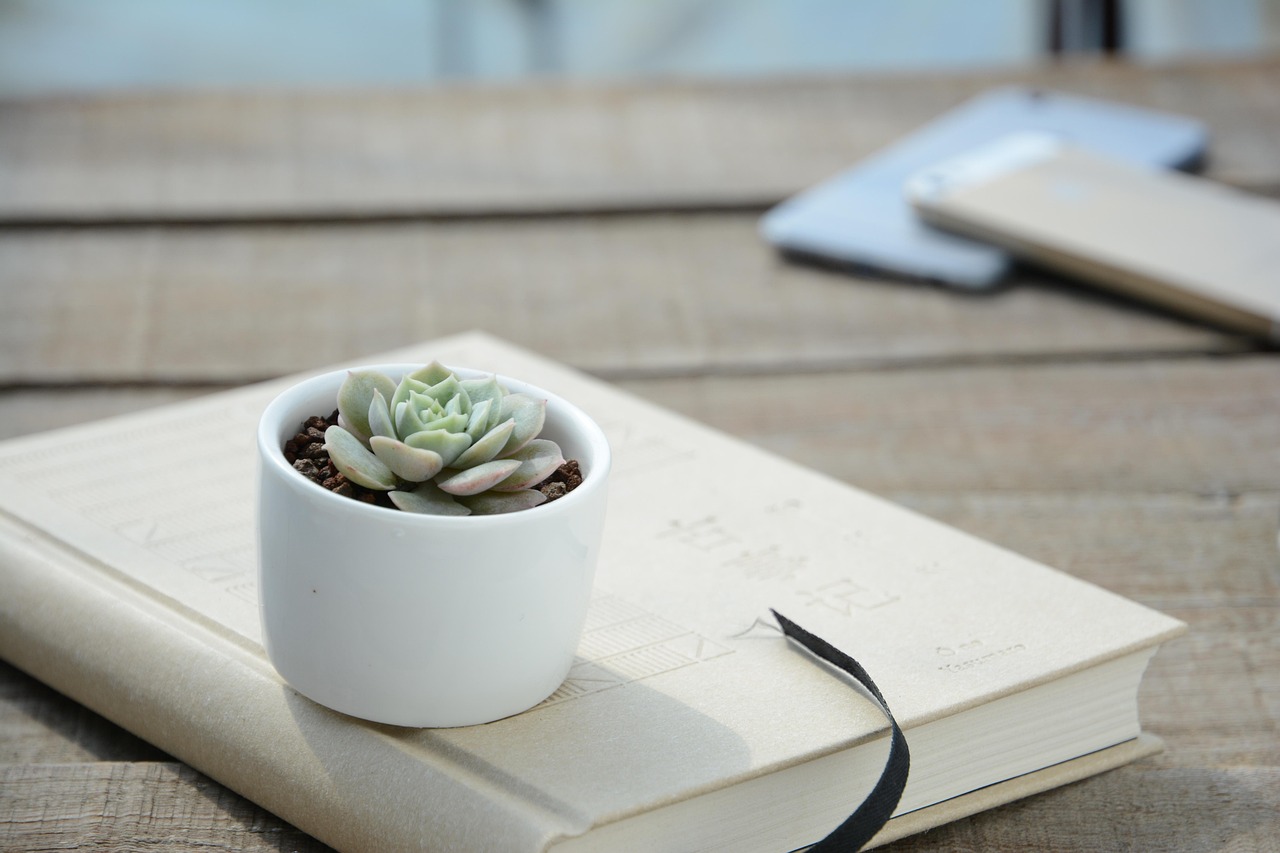
The foundation of a healthy indoor cactus begins with the right soil. Cacti are native to arid environments, meaning they are biologically adapted to thrive in gritty, fast-draining substrates. Standard indoor potting soil is typically too dense; it retains moisture for too long, which can quickly lead to root rot—the most common cause of cactus death.
To ensure your plant thrives, always use a specialized cactus or succulent potting mix. These commercial blends are formulated with high concentrations of inorganic materials, such as coarse sand, perlite, or pumice. These components create essential air pockets around the root system, allowing water to pass through the soil rapidly rather than sitting stagnant.
Choosing the correct container is equally important for moisture management. Follow these guidelines to select the best home for your cactus:
- Prioritize drainage holes: Never plant a cactus in a container without a drainage hole at the bottom. If your decorative pot lacks one, use a plastic nursery liner inside it that can be removed for watering.
- Opt for terracotta: Unglazed terracotta is the gold standard for cacti. Because the material is porous, it allows moisture to evaporate through the sides of the pot, effectively “breathing” and helping the soil dry out much faster than plastic or glazed ceramic.
- Size matters: Avoid oversized pots. A container that is too large will hold an excessive amount of soil, which takes longer to dry out. Choose a pot only one to two inches wider than the cactus root ball.
By pairing a porous, mineral-rich soil mix with a breathable terracotta container, you mimic the natural desert conditions your cactus craves. This combination provides the essential aeration needed to keep the root system oxygenated and healthy, significantly reducing the risk of fungal issues or decay. When in doubt, err on the side of a smaller pot and a grittier soil mix to ensure your cactus remains stable and vibrant throughout the year.
Safety Tips for Handling Spiky Plants
Cacti are rewarding indoor companions, but their defensive spines can turn a simple repotting task into a painful experience. Prioritizing your safety is essential to ensure that caring for your plants remains an enjoyable hobby rather than a hazardous one.
Before you begin any maintenance, always wear thick, puncture-resistant gardening gloves. While standard cloth or thin leather gloves may offer some protection, they are rarely enough to stop the sharp, needle-like spines of many cactus varieties. Look for heavy-duty leather or synthetic reinforced gloves specifically designed for handling thorny vegetation.
If you are dealing with a large, top-heavy, or heavily spined specimen, avoid direct skin contact entirely by using these practical techniques:
- Kitchen Tongs: Use long-handled stainless steel tongs to grip the base of the cactus. This provides a secure hold while keeping your hands at a safe distance from the needles.
- Newspaper Wraps: Fold several sheets of newspaper into a thick, wide band. Wrap this band around the body of the plant to create a protective “handle.” This method allows you to lift the cactus without applying excessive pressure that might bruise or damage the delicate plant tissue.
- Cardboard Shields: For particularly large plants, a piece of stiff cardboard can act as a barrier between your hands and the spines while you maneuver the pot.
When moving a cactus, always work slowly and deliberately. Never squeeze the plant tightly, as this can cause the spines to penetrate your protective layers or damage the cactus’s epidermis, leaving it vulnerable to rot or infection. If a spine does break off and become embedded in your skin, use a pair of sterilized tweezers to remove it carefully, then wash the area thoroughly with soap and water to prevent irritation. By taking these simple precautions, you can maintain your collection safely while keeping both yourself and your plants in excellent condition.

Troubleshooting Common Cactus Issues
Even the most resilient cacti can experience distress when environmental conditions shift. Regularly inspecting your plant is the best way to catch problems early before they become life-threatening. By learning to interpret these visual cues, you can adjust your care routine to restore your cactus to health.
Watch for these common warning signs:
- Mushy, discolored stems: If the base of your cactus feels soft or looks yellow, it is likely suffering from overwatering or root rot. This is a critical issue that requires immediate action. Stop watering immediately, remove the plant from its pot, and inspect the roots. Trim away any black, slimy roots and repot the cactus in fresh, dry, well-draining soil.
- Shriveling or wrinkling: While some minor shrinkage is normal during winter dormancy, significant shriveling often indicates severe dehydration. If the soil is bone-dry and the plant feels light, give it a thorough watering. Avoid sudden, massive drownings; instead, provide a moderate amount of water and allow the soil to dry out completely before the next session.
- Leaning or stretching: If your cactus is growing thin or leaning heavily toward a window, it is “etiolating.” This means it is desperate for more sunlight. Move it to a brighter location, ideally a south-facing window, to encourage compact, healthy growth.
Persistent pests, such as white, cottony mealybugs, can also compromise your plant. If you spot them, gently dab them with a cotton swab dipped in rubbing alcohol. However, if you notice signs of rot that do not improve after adjusting your watering schedule, or if an infestation seems to be spreading rapidly, do not hesitate to seek professional help. Bring clear photos or a small sample to a local nursery expert. They can help you identify specific pathogens or stubborn pests and recommend targeted treatments that are safe for your indoor environment. Consistent observation is the ultimate key to a thriving, long-lived cactus.

Dedicated team of gardening enthusiasts with years of hands-on experience testing lawn mowers, gardening tools, and outdoor equipment. We help home gardeners and professionals alike make informed buying decisions with honest, thorough reviews. From push mowers to pruning shears, we test it all so you don’t have to. Got a gardening tool you’d like us to review? Get in touch!