
If you are wondering how to care for my succulent, you have come to the right place. These popular plants are prized for their unique shapes and ease of care, but they require specific conditions to truly thrive. Understanding their basic needs is the first step toward keeping your indoor garden healthy and vibrant.
While succulents are often marketed as indestructible, they are not completely maintenance-free. They have evolved to store water in their leaves, meaning they are much more susceptible to overwatering than underwatering. Setting realistic expectations about their environment is essential, as these desert-native plants demand plenty of natural light and excellent drainage to survive.
This comprehensive guide covers the fundamental pillars of plant maintenance, including proper lighting, watering schedules, and ideal soil composition. By following these practical tips, you can ensure your succulent remains a stunning centerpiece in your home. Read on to master the essential techniques that will help your favorite plants grow strong and flourish for years.
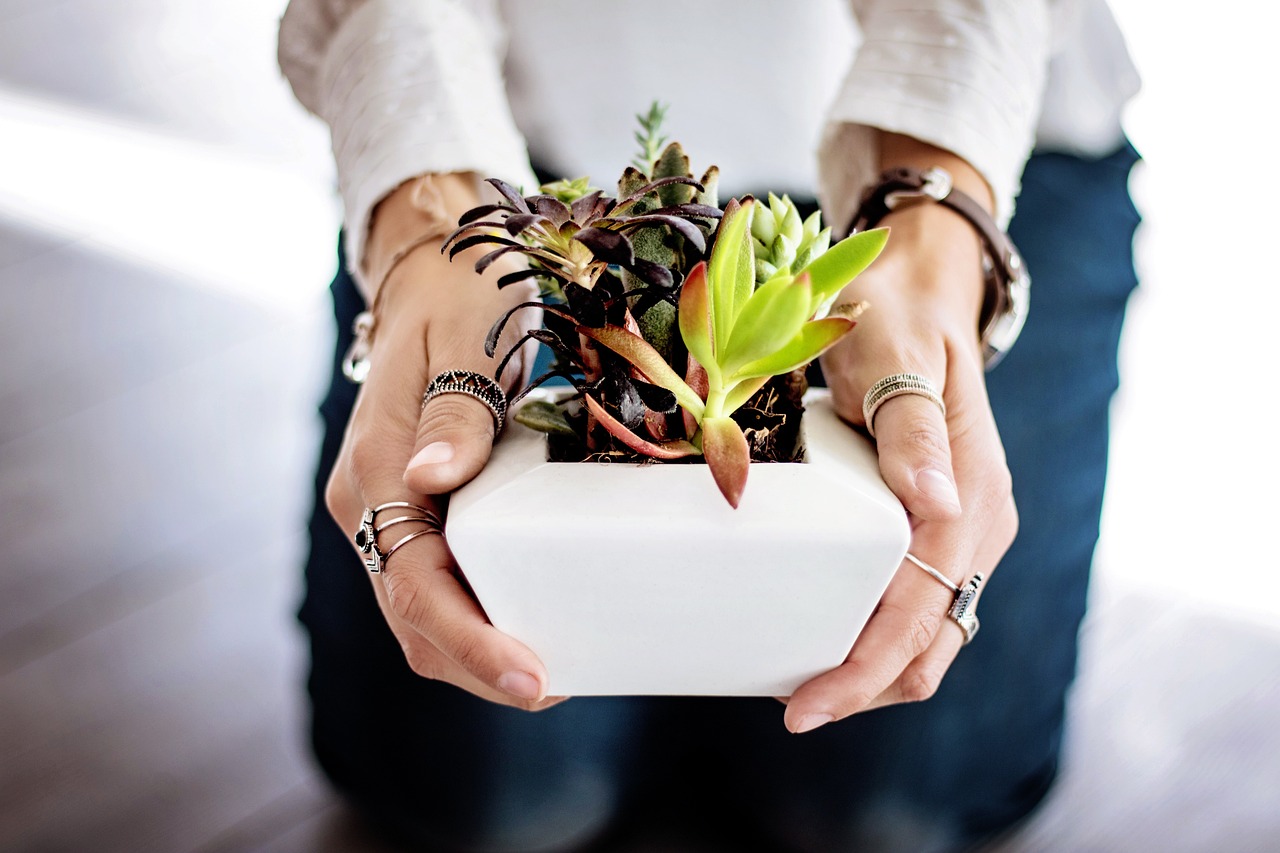
Understanding Light Requirements for Succulents
Light is the most critical factor in keeping your succulent healthy. Because these plants originate from arid environments, they are genetically programmed to crave intensity, but there is a fine line between thriving and burning.
Most succulents require bright, indirect sunlight to maintain their vibrant colors and compact, rosette shapes. Think of this as a bright room where the sun doesn’t hit the leaves directly for long periods during the hottest part of the day.
Understanding the common signs of incorrect lighting will help you adjust your plant’s position:
- Direct, harsh sun: If your plant develops brown, crusty, or white bleached spots, it is likely suffering from sunburn. This often happens when a plant is moved suddenly from a dim room to a scorching south-facing windowsill.
- Low light: If your succulent begins to look “leggy” or stretched out with large gaps between its leaves, it is “etiolating.” The plant is desperately reaching for a light source that isn’t there.
To provide the ideal environment, place your succulents near a south-facing window if you live in the northern hemisphere, as this provides the most consistent light. If the sun feels too intense, use a sheer curtain to diffuse the rays. For east-facing windows, your plants will enjoy the gentle morning sun, which is rarely strong enough to cause damage.
If your home lacks natural light, do not worry. You can easily supplement with full-spectrum LED grow lights. Position the light roughly 6 to 12 inches above the plant and keep it on for 8 to 12 hours a day. This mimics the intensity of the sun without the risk of heat-related leaf damage.
Remember that succulents are not static; they will tell you what they need. If you notice stretching, move them closer to the light. If you see signs of scorching, pull them back a few inches. Consistent, bright light is the secret to a compact, colorful, and thriving succulent collection.
The Proper Way to Water Your Succulent
The most common mistake new succulent owners make is overwatering. These plants are adapted to arid environments and store water in their thick, fleshy leaves. When you provide too much moisture, the roots cannot breathe, leading to rapid decay and root rot. To keep your succulent healthy, you must mimic its natural, dry habitat.
The safest approach is the “soak-and-dry” method. Instead of providing small, frequent sips of water, you should saturate the soil completely and then wait until it is entirely bone-dry before watering again. This allows the root system to hydrate fully without remaining in a perpetually damp environment.
Follow these steps to water your succulent correctly:
- Check the soil: Insert a wooden skewer or your finger two inches into the soil. If you feel any moisture, do not water. Wait another few days and check again.
- Saturate: When the soil is completely dry, pour water directly onto the soil surface until it begins to flow out of the bottom of the pot. Avoid getting water on the leaves, as trapped moisture can cause them to rot.
- Drain: Allow the pot to sit for a few minutes to ensure all excess water has escaped. Never let your succulent sit in a saucer filled with standing water.
Your choice of container is just as important as your watering technique. You must use a pot with at least one drainage hole at the bottom. If you use a decorative container without holes, water will pool at the base, creating a swampy environment that kills roots quickly. If you prefer a decorative pot, place the succulent in a plastic nursery liner with drainage holes first, then set that liner inside your decorative pot.
Remember, succulents are much more tolerant of underwatering than overwatering. If the leaves look slightly puckered or wrinkled, the plant is likely thirsty. If the leaves look translucent, mushy, or discolored, you have likely provided too much water. When in doubt, wait one more week before reaching for your watering can.

Choosing the Right Soil and Potting Mix
The foundation of a healthy succulent is its soil. Unlike moisture-loving houseplants, succulents have evolved to store water in their leaves and stems, making them highly susceptible to root rot if they sit in damp, heavy earth. The ideal growing medium must be porous, gritty, and fast-draining to ensure water passes through the pot quickly.
For most indoor gardeners, the simplest solution is to purchase a high-quality commercial cactus or succulent potting mix. These pre-packaged blends are specifically formulated with a higher ratio of inorganic materials, such as sand or grit, to prevent compaction and promote airflow around the roots.
If you prefer to use standard indoor potting soil or want to improve a store-bought cactus mix, you can easily amend it yourself. The goal is to create a “gritty” texture that prevents the soil from turning into mud. You can achieve this by mixing your base soil with one of the following aeration agents:
- Perlite: These lightweight, white volcanic glass rocks are excellent for increasing drainage and preventing soil compaction.
- Pumice: A natural volcanic rock that provides superior aeration and does not float to the surface like perlite can over time.
- Poultry Grit: Crushed granite or non-soluble grit is an affordable, heavy-duty option that adds essential structure to the mix.
A reliable starting ratio for a homemade succulent blend is two parts standard potting soil to one part perlite or pumice. If your home environment is particularly humid or your pots lack large drainage holes, consider increasing the ratio of inorganic grit to 50% of the total mix.
Always ensure your pot has at least one drainage hole at the bottom. Even the most perfectly amended soil will fail to protect your plant if excess water has nowhere to escape. By prioritizing drainage, you simulate the arid conditions succulents crave, allowing your plant to thrive without the constant threat of root decay.
Safety and Maintenance Tools
Proper maintenance is essential for the health of your succulent. Using the right tools not only makes the process easier but also ensures you do not accidentally damage the plant’s delicate structure. When trimming dead or dying leaves, always use sharp pruning shears or clean, precision scissors. A clean, sharp blade ensures a crisp cut, which helps the wound heal quickly and prevents the spread of pathogens.
Conversely, using dull tools can crush the plant tissue rather than slicing through it. This creates ragged edges that are prone to infection and rot. If you find your shears are struggling to make a clean cut, sharpen them or replace the blade before proceeding.
Safety is equally important when handling succulents. Many varieties feature sharp spines or thorns, while others contain milky saps that can cause skin irritation or rashes upon contact. To protect yourself, always wear durable gardening gloves. These provide a necessary barrier against physical injury and chemical exposure.
To maintain a safe and efficient workflow, keep these best practices in mind:
- Work on a stable surface: Place your succulent on a flat, well-lit table. This prevents the plant from tipping over and allows you to focus on precise cuts without straining your posture.
- Sanitize your tools: Wipe your shears or scissors with rubbing alcohol before and after each use. This simple step prevents the accidental transfer of bacteria or fungi between plants.
- Clear your workspace: Remove loose debris or fallen spines from your work area immediately to avoid accidental pricks.
- Inspect before cutting: Gently pull back healthy leaves to get a clear view of the dead material. Only remove foliage that is shriveled, brown, or mushy to avoid damaging healthy tissue.
By keeping your equipment clean and prioritizing your physical safety, you create an environment where your succulent can thrive. Consistency in these small maintenance habits will lead to a healthier, more vibrant plant over the long term.

Troubleshooting Common Succulent Issues
Succulents are generally resilient, but they communicate distress through physical changes. Learning to read these signs early is the best way to keep your collection thriving.
If you notice yellowing leaves or a mushy, translucent stem, your succulent is likely suffering from overwatering. These symptoms indicate that the roots are drowning, which can quickly lead to rot. Immediately stop watering and check the soil; if it remains damp, repot the plant into fresh, fast-draining cactus mix and ensure your container has adequate drainage holes.
Conversely, if your plant appears stretched out, pale, or leaning heavily toward a light source, it is experiencing etiolation. This happens when a succulent is not receiving enough sunlight and is “reaching” for more. Gradually move the plant to a brighter location, but avoid sudden, intense sun exposure, which can cause leaf scorch.
Repotting is necessary when the plant has clearly outgrown its container or the soil has become compacted and nutrient-depleted. You should repot if:
- Roots are visibly circling the bottom of the pot or growing out of drainage holes.
- The succulent has become top-heavy and frequently tips over.
- Water sits on the surface of the soil for an extended period rather than soaking in.
When repotting, choose a container only one to two inches wider than the current root ball. Use a pot with drainage holes to prevent future moisture issues.
While minor issues can be managed at home, some problems require professional intervention. If you notice persistent white, cottony webbing (mealybugs), tiny brown scales on the leaves, or dark, spreading spots that suggest fungal infection, isolate the plant immediately to protect your other succulents. If home remedies like neem oil or wiping with isopropyl alcohol do not resolve the issue within a week, take the plant to a local nursery. Experts there can identify specific pests or diseases and recommend targeted treatments, ensuring your succulent gets the specialized care it needs to recover.

Dedicated team of gardening enthusiasts with years of hands-on experience testing lawn mowers, gardening tools, and outdoor equipment. We help home gardeners and professionals alike make informed buying decisions with honest, thorough reviews. From push mowers to pruning shears, we test it all so you don’t have to. Got a gardening tool you’d like us to review? Get in touch!