
You should plant daffodil bulbs in the autumn, specifically between September and November. This timing allows the bulbs to establish a strong root system before the ground freezes, ensuring a vibrant display of yellow and white blooms when spring arrives. Proper timing is essential for healthy growth and reliable flowering every single year.
While planting seems straightforward, success depends heavily on your local climate and soil conditions. If you live in an area with early frosts, aim to get your bulbs in the ground at least two to four weeks before the soil hardens. Waiting too long can hinder development, resulting in fewer flowers next season.
In this guide, we will walk you through the practical steps of successful bulb cultivation. From selecting the perfect sunny location to mastering the correct planting depth, we cover everything you need to know. Follow these expert tips to transform your garden into a stunning, low-maintenance landscape that welcomes the arrival of spring.

The Ideal Planting Window
Timing is everything when it comes to planting daffodils. To ensure a vibrant display of spring blooms, you must get your bulbs into the ground during the autumn months, typically between September and November. Aiming for this specific window allows the bulbs to settle in while the soil is still workable but cooling down.
The primary goal is to plant your bulbs at least two to four weeks before the first hard frost of the season. This crucial buffer period provides the bulbs with enough time to establish a robust root system. Strong roots are essential for anchoring the plant and absorbing nutrients, ensuring the bulb has the energy required to survive winter dormancy and produce healthy flowers in the spring.
To determine the perfect time for your specific location, consider these practical guidelines:
- Monitor local temperatures: If you live in a region with early, harsh winters, aim to plant by mid-October. In milder climates, you can safely plant well into November.
- Check the soil: The ground should be cool to the touch but not yet frozen solid. If you can easily dig a hole, the soil is still in an ideal state for planting.
- Avoid waiting too long: If you wait until the ground is frozen, root development will be severely stunted, often leading to weak growth or a lack of blooms the following spring.
If you find yourself with unplanted bulbs late in the season, do not despair. As long as the ground is not completely frozen, it is usually better to get them in the earth than to leave them in storage. However, if the soil is impenetrable, store your bulbs in a cool, dark, and dry place—such as a basement or unheated garage—and plant them as soon as the ground thaws in late winter or very early spring. While they may not bloom as vigorously as those planted in autumn, they will often still provide a lovely display.
Assessing Your Local Climate
To determine the perfect time to plant your daffodil bulbs, you must look beyond the calendar and focus on your local frost dates. Daffodils require a period of cold dormancy to develop strong root systems before the ground freezes solid. If you plant them too early, they may sprout prematurely; if you plant them too late, they will struggle to establish roots.
Your specific planting window is dictated by your USDA hardiness zone or your region’s typical first frost date. Follow these general guidelines based on your climate:
- Cold Climates: Aim to get your bulbs in the ground by early autumn, typically four to six weeks before the first hard frost. This ensures the soil is still warm enough to encourage root growth while the air is cooling down.
- Mild Climates: In warmer regions, you can safely wait until late autumn. These bulbs often need a longer period of cool soil temperatures to trigger their spring bloom cycle.
If you find yourself behind schedule, do not panic. As long as the ground remains workable—meaning you can easily dig a hole without hitting a frozen crust—you can technically continue planting daffodils. While earlier planting is always preferred for optimal bulb health and spring performance, late-planted bulbs often still bloom, though they may appear slightly smaller or shorter than those planted at the ideal time.
To assess your local conditions accurately, check your local extension office website for the average date of the first killing frost in your area. Use this date as your primary benchmark. If a sudden cold snap is forecasted and you haven’t finished planting, apply a thick layer of mulch over the area after planting. This helps insulate the soil, keeping it workable for a few extra days and protecting the bulbs from extreme temperature fluctuations while they establish their initial root systems.

Tools and Safety Considerations
Planting daffodil bulbs is a rewarding autumn task, but having the right equipment makes the process efficient and safe. To ensure your bulbs are positioned correctly, use a sturdy hand trowel or a specialized bulb planter. A bulb planter is particularly useful for maintaining consistent depth, which is essential for healthy spring blooms.
Safety should always be your priority when working in the garden. Follow these essential tips to protect yourself while planting:
- Wear gardening gloves: Always use durable gloves to shield your skin from soil-borne bacteria and potential irritants.
- Handle bulbs with care: Daffodil bulbs contain calcium oxalate crystals, which can cause skin irritation or rashes upon contact with their sap. Gloves act as a vital barrier.
- Maintain tool safety: When using sharp metal tools like trowels or augers, keep your fingers well clear of the cutting edges.
- Clear your workspace: Before you start, remove any debris, garden hoses, or scattered pots from the area to eliminate tripping hazards.
When digging, aim for a depth of approximately three times the height of the bulb. If you are using a long-handled bulb planter, ensure you have a firm grip and maintain good posture to avoid straining your back. If you are working in heavy or compacted soil, it is often safer to use a trowel to loosen the ground first rather than forcing a sharp tool into the earth, which can lead to slips.
Finally, keep your tools clean and dry after use. Wiping down metal blades prevents rust and ensures they remain sharp and reliable for your next gardening project. By taking these simple precautions, you create a safer environment for yourself and provide the best start for your future flowers. Remember that a well-prepared workspace leads to a more enjoyable and productive planting session, allowing you to focus on the excitement of your upcoming spring garden.
Step-by-Step Planting Guide
Planting daffodil bulbs is a straightforward process that rewards you with vibrant blooms each spring. To ensure your bulbs establish a strong root system before the ground freezes, follow these practical steps for successful planting.
First, prepare your planting site by loosening the soil to a depth of about 8 to 10 inches. Remove any rocks, weeds, or debris that might obstruct root growth. If your soil is heavy clay, mix in some organic compost to improve drainage, as daffodils dislike sitting in waterlogged ground.
Once your site is ready, follow these guidelines for placement:
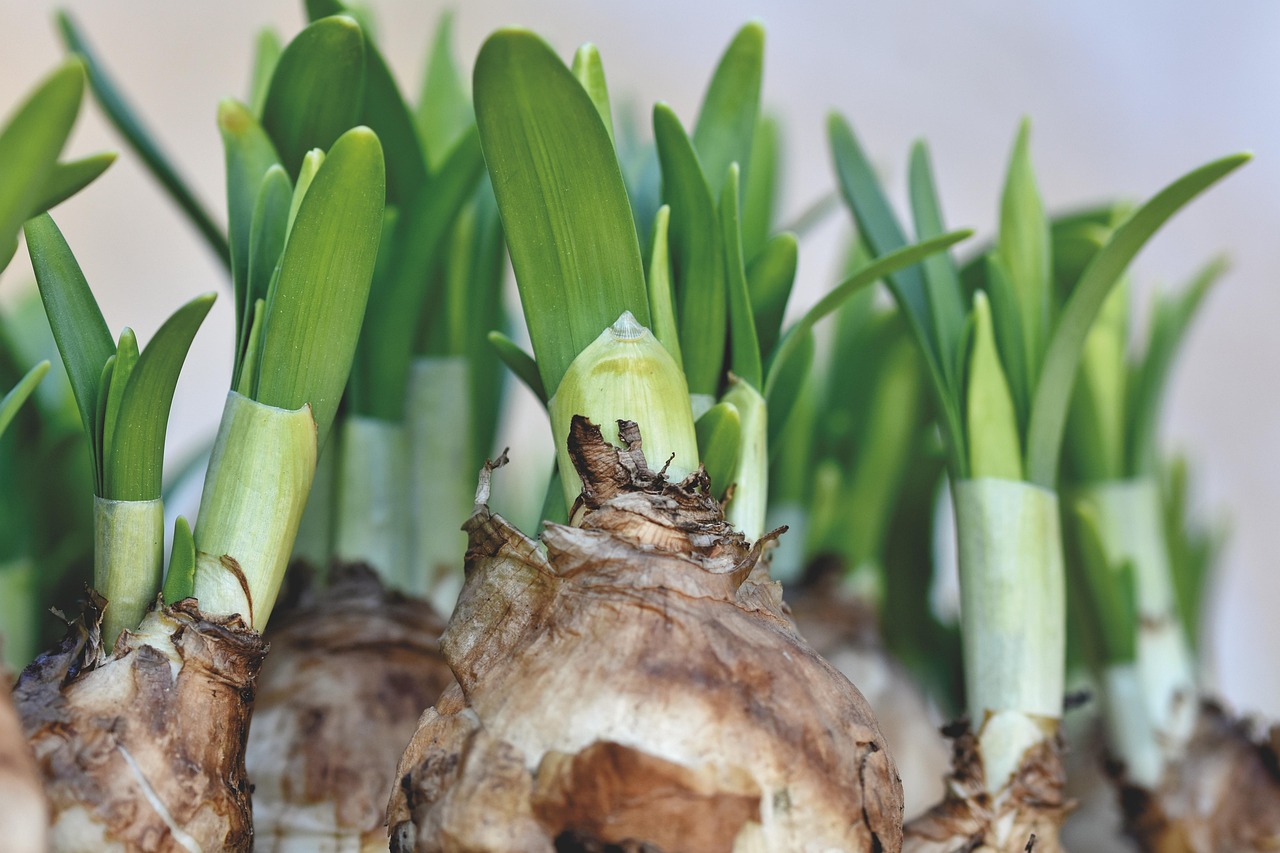
- Orientation: Place each bulb into the hole with the pointed, narrow end facing upward. This is the direction from which the shoot will emerge.
- Depth: A general rule of thumb is to plant bulbs at a depth approximately three times the height of the bulb itself. For most standard daffodils, this is usually about 6 inches deep.
- Spacing: For a natural, meadow-like appearance, space your bulbs 3 to 6 inches apart. If you prefer a dense, formal display, you can plant them slightly closer together.
After you have positioned the bulbs, gently backfill the hole with soil. Use your hands to firm the earth down lightly; this eliminates large air pockets while ensuring the bulb remains in secure contact with the soil. Avoid packing the dirt too tightly, as this can impede the emerging sprout.
Finally, water the area thoroughly immediately after planting. This initial deep watering is crucial, as it settles the soil around the bulb and triggers the biological process of root development. If you are planting in a dry autumn, continue to provide light waterings until the first hard frost arrives. Once the ground freezes, your daffodils will remain dormant and protected until the warming temperatures of early spring signal them to begin their growth cycle.
Follow-up Care and Common Questions
Once your daffodil bulbs are securely in the ground, they are remarkably low-maintenance. Because you are planting them in the autumn, you generally do not need to provide supplemental water during the winter months. In fact, excessive moisture is the greatest threat to dormant bulbs. Ensure your planting site features well-drained soil to prevent water from pooling, which can cause the bulbs to rot before they ever have a chance to sprout.
As spring approaches, keep an eye on your garden beds. If you notice signs of pests or if your bulbs fail to emerge as expected, do not panic. These issues are often related to soil drainage or bulb quality. For specific guidance tailored to your climate, consult your local cooperative extension office. They can provide expert advice on testing your soil health or identifying local pests.
The most critical aspect of post-bloom care involves the foliage. While it may be tempting to trim away the leaves for a tidy appearance once the flowers fade, resist the urge. The foliage is essential for the plant’s survival.
- Allow natural decay: Leave the green leaves intact until they turn yellow or brown.
- Energy storage: During this period, the leaves are photosynthesizing, sending vital energy back down into the bulb to fuel next year’s growth.
- Clean up: You may safely remove the foliage only after it has completely withered.
By allowing the plant to complete its natural life cycle, you ensure that your daffodils return with vigor and abundance each spring. If you accidentally cut the foliage too early, the bulbs may weaken over time, leading to smaller blooms or a lack of flowers in future seasons. Patience during this final stage of the growing cycle is the secret to a perennial garden that thrives year after year with very little intervention from you.

Dedicated team of gardening enthusiasts with years of hands-on experience testing lawn mowers, gardening tools, and outdoor equipment. We help home gardeners and professionals alike make informed buying decisions with honest, thorough reviews. From push mowers to pruning shears, we test it all so you don’t have to. Got a gardening tool you’d like us to review? Get in touch!