
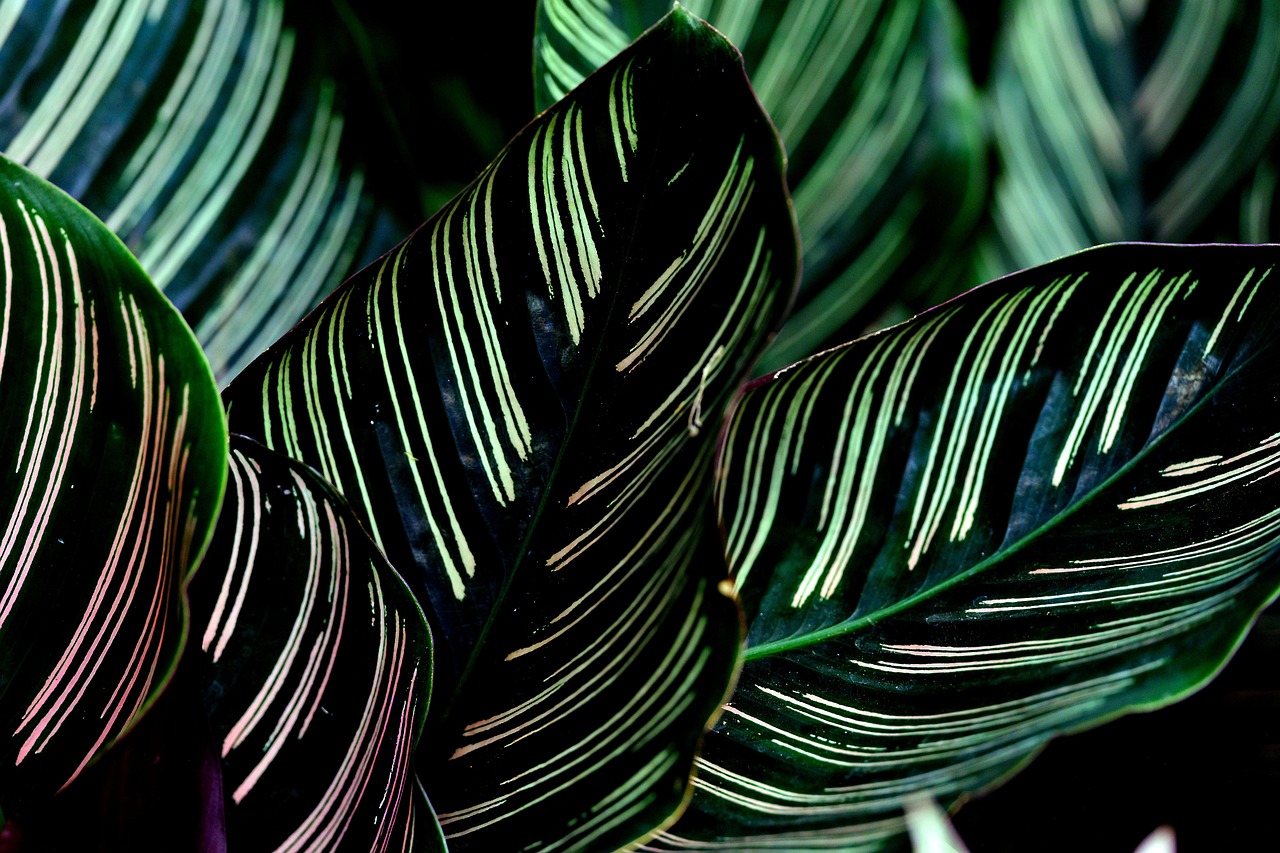
Learning how to care for calathea involves mastering specific environmental conditions to help these tropical beauties thrive. While they are famous for their stunning, patterned foliage and rhythmic leaf movement, they require consistent attention to stay healthy. By mimicking their native rainforest habitat, you can successfully prevent common issues like brown leaf edges.
Calatheas are widely known for being somewhat finicky, but they are not impossible to keep happy indoors. These plants demand stable temperatures and higher humidity levels than most common houseplants can tolerate. Understanding their unique sensitivity to tap water and light fluctuations is the key to managing your expectations and ensuring long-term success.
This comprehensive guide provides actionable advice on creating the perfect environment for your prayer plant to flourish. We will break down the essential requirements for light, water, and humidity in simple, easy-to-follow steps. Follow these practical tips to master your plant care routine and keep your calathea looking vibrant, lush, and healthy all year round.

Understanding Light Requirements for Calathea
Calatheas are native to the forest floor, where they grow beneath a dense canopy of larger trees. Because of this, they have evolved to thrive in bright, indirect light. Replicating this environment in your home is the most important step in keeping their foliage healthy and vibrant.
Direct sunlight is the most common cause of damage for these plants. If exposed to harsh, unfiltered sun, the delicate leaves will quickly develop brown, crispy patches or bleached spots. Conversely, placing your Calathea in a dark corner will cause it to lose its signature variegation, often resulting in dull, muted colors and stunted growth.
To find the perfect balance, consider these placement tips:
- North or East-facing windows: These locations typically provide the soft, gentle light that Calatheas prefer. An east-facing window is ideal as it offers mild morning sun, which is rarely intense enough to cause scorching.
- Use a sheer curtain: If you only have a south or west-facing window, you can still grow a healthy Calathea by placing it a few feet back from the glass or using a sheer curtain to diffuse the light.
- Monitor leaf movement: Calatheas are “prayer plants,” meaning their leaves move throughout the day. If you notice your plant is leaning heavily toward the light source, it may be struggling to get enough, and you should move it slightly closer to the window.
- Rotate regularly: To ensure even growth and prevent the plant from becoming lopsided, rotate your pot a quarter turn every time you water.
Remember that light needs can fluctuate with the seasons. As the sun moves lower in the sky during winter, you may need to move your plant closer to the window to ensure it continues to receive adequate brightness. Always avoid placing your Calathea near heating vents or air conditioning units, as the combination of artificial airflow and light changes can stress the plant further.
Watering and Humidity Needs
Calatheas are famously particular about their hydration, and finding the right balance is the secret to preventing crispy, brown leaf edges. The goal is to keep the potting medium consistently moist—similar to the texture of a wrung-out sponge—without letting the roots sit in standing water. If the soil becomes waterlogged, the plant is highly susceptible to root rot, which can quickly become fatal.
Before watering, check the top inch of soil with your finger. If it feels dry, it is time to hydrate. If it still feels damp, wait another day or two. Always ensure your pot has adequate drainage holes to allow excess moisture to escape.
The quality of your water also matters. Calatheas are sensitive to the chlorine, fluoride, and mineral salts often found in municipal tap water. If you notice yellowing leaves or brown tips despite proper watering, try switching to:
- Filtered water
- Distilled water
- Rainwater collected in a clean container
Because these are tropical plants, they thrive in high-humidity environments. Low indoor humidity is the most common cause of foliage distress. To mimic their natural rainforest habitat and keep leaves lush, try these practical methods:
- Group plants together: Placing several plants in one area creates a microclimate that naturally increases the ambient humidity around the foliage.
- Use a pebble tray: Fill a shallow tray with pebbles and water, then set your pot on top. Ensure the base of the pot sits above the waterline to avoid root rot.
- Run a humidifier: If you live in an arid climate or use central heating, a small humidifier placed near your Calathea is the most effective way to maintain the 50% to 60% humidity level they prefer.
Avoid misting your plants as a primary humidity source. It provides only temporary relief and can encourage fungal issues on the leaves. Instead, focus on consistent soil moisture and steady ambient humidity to keep your Calathea healthy and vibrant.
Soil, Potting, and Maintenance
Calatheas thrive in soil that balances moisture retention with excellent drainage. Because these plants are native to tropical forest floors, they prefer a loose, airy medium that mimics their natural environment. A high-quality, peat-based potting mix is ideal, as it holds necessary hydration without becoming overly dense or compacting around the delicate root system. To improve aeration, consider mixing in perlite or orchid bark, which prevents the soil from turning into a soggy, suffocating mass.
When it comes time to repot your calathea, usually every one to two years, follow these practical steps to ensure a smooth transition:
- Sanitize your tools: Always use sharp, sterilized pruning shears. Wipe the blades with rubbing alcohol before and after use to prevent the spread of fungal spores or bacterial diseases.
- Groom the plant: Carefully inspect the foliage. Use your shears to trim away any brown, crispy, or damaged leaves at the base of the stem to redirect the plant’s energy toward new, healthy growth.
- Protect yourself: Wear gardening gloves throughout the process. This acts as a barrier against potential skin irritants found in some plant saps and protects your hands from soil-borne bacteria or sharp debris.
Avoid over-potting your calathea. Choose a container only one size larger than the current pot, ensuring it features adequate drainage holes at the bottom. Excess soil in an oversized pot tends to stay wet for too long, which can quickly lead to root rot—the most common cause of decline in indoor calatheas. After repotting, place the plant in its usual spot and avoid fertilizing for at least a month to allow the roots to settle into their new environment without stress.
Regular maintenance is the secret to a vibrant plant. By keeping your tools clean and your soil structure light, you create a stable foundation that allows your calathea to flourish for years to come.
Temperature and Fertilizer Best Practices
Calatheas are tropical plants that thrive in consistent environments. To keep your plant healthy, maintain a stable room temperature between 65 and 80 degrees Fahrenheit (18 to 27 degrees Celsius). These plants are highly sensitive to environmental shifts, so consistency is more important than achieving a specific target number.
Avoid placing your Calathea in areas prone to sudden temperature fluctuations. Exposure to cold drafts, direct air conditioning vents, or the dry heat from radiators and space heaters will quickly stress the plant. When a Calathea experiences these temperature swings, it often responds by curling its leaves, losing its vibrant color, or developing brown, crispy edges.
Proper nutrition is equally important for supporting lush growth. You should only fertilize your Calathea during its active growing season, which typically spans from early spring through late summer. During the dormant winter months, growth slows down significantly, and the plant does not require extra nutrients.
Follow these best practices for feeding your plant:
- Use a balanced fertilizer: Choose a standard, water-soluble houseplant fertilizer with a balanced ratio (such as 10-10-10).
- Dilute the solution: Always dilute the fertilizer to half or even quarter strength. Calatheas have sensitive roots that can easily burn if the solution is too concentrated.
- Frequency: Apply the diluted fertilizer once every four to six weeks during the growing season.
- Soil moisture: Never apply fertilizer to bone-dry soil. Ensure the potting mix is slightly damp before feeding to prevent root damage.
If you notice salt buildup on the surface of your potting mix—often appearing as a white, crusty residue—flush the soil thoroughly with filtered or distilled water. This prevents mineral toxicity, which can lead to leaf yellowing. By keeping the environment stable and feeding sparingly, you provide the ideal foundation for your Calathea to remain vibrant and healthy throughout the year.

Troubleshooting Common Calathea Issues
Calatheas are notoriously expressive plants. When they are unhappy, they communicate through their foliage. If you notice your plant struggling, do not panic; most issues stem from minor environmental imbalances that are easily corrected.
Before assuming the worst, assess these three primary factors:
- Watering Habits: Calatheas prefer consistently moist, but never soggy, soil. Yellowing leaves often indicate overwatering, while crispy, curling leaves suggest the plant is too dry. Use a moisture meter or your finger to check the top two inches of soil before adding water.
- Humidity Levels: These tropical plants thrive in high humidity. If the air in your home is dry, you may see brown, crunchy tips on the leaves. Consider grouping plants together, using a pebble tray, or running a humidifier nearby to mimic their natural habitat.
- Pest Infestations: Dry environments are magnets for spider mites. Inspect the undersides of leaves and the junctions where stems meet for fine webbing. If you spot pests, wipe the leaves down with a damp cloth or apply neem oil to manage the population.
If you have adjusted your watering and humidity levels but the plant continues to decline, it is time to investigate the root system. Carefully remove the plant from its pot to check for root rot. Healthy roots should be firm and light-colored; mushy, dark, or foul-smelling roots indicate decay, which requires immediate pruning of the affected areas and repotting in fresh, well-draining soil.
Sometimes, a Calathea simply dislikes its current location. If your plant is positioned near a drafty window, a heating vent, or an air conditioner, the fluctuating temperatures can cause stress. Move it to a spot with consistent, indirect light and stable temperatures to encourage recovery.
If you have exhausted these troubleshooting steps and remain unsure about your plant’s health, consult a professional at a local nursery. They can provide an accurate diagnosis and help you determine if your Calathea needs a specific nutrient boost or a more intensive rehabilitation plan.

Dedicated team of gardening enthusiasts with years of hands-on experience testing lawn mowers, gardening tools, and outdoor equipment. We help home gardeners and professionals alike make informed buying decisions with honest, thorough reviews. From push mowers to pruning shears, we test it all so you don’t have to. Got a gardening tool you’d like us to review? Get in touch!