
Learning how to care for succulent plants is surprisingly simple once you understand their basic needs. These popular plants are prized for their unique shapes and impressive drought tolerance, but they still require specific environmental conditions to truly thrive. By following a few key maintenance steps, you can keep your indoor collection looking vibrant and healthy.
While succulents are often marketed as indestructible, they are not entirely maintenance-free. They have evolved to store water in their leaves, making them highly sensitive to overwatering and poor drainage. Understanding these natural adaptations is the secret to preventing common issues like root rot and ensuring your plants remain lush throughout the entire year.
This comprehensive guide covers all the essential care steps needed to keep your succulents hydrated and growing strong in any home environment. From choosing the right soil mix and pot to mastering the perfect light exposure, we provide practical, actionable advice. Get ready to transform your space with thriving succulents that remain healthy for years.
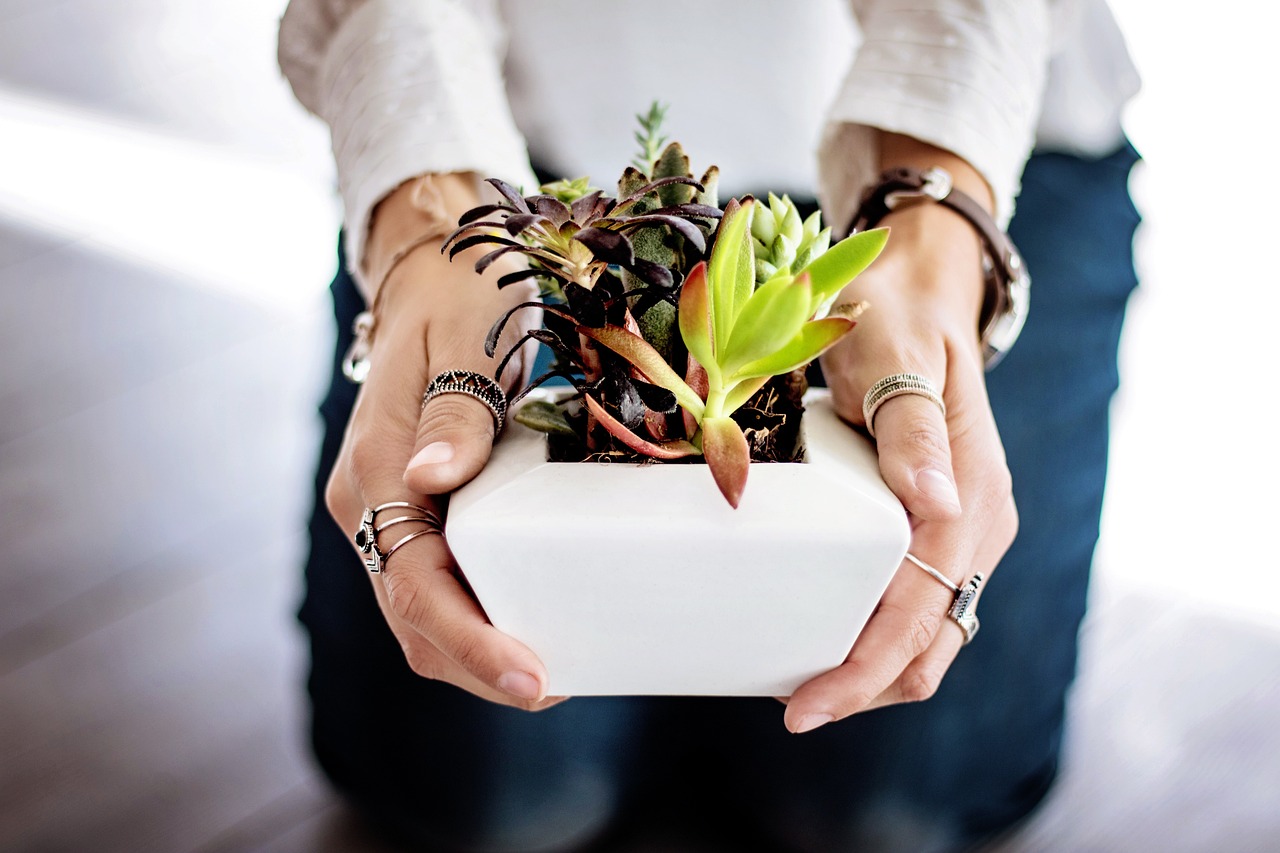
Understanding Light Requirements for Succulents
Light is the most critical factor in keeping your succulents healthy and vibrant. While these plants are famous for their resilience, they have specific light needs that dictate their growth patterns and overall vitality. Most succulents thrive in bright, indirect sunlight, which mimics their natural desert habitats without the intensity that causes damage.
Understanding the difference between light intensities is essential for preventing common plant issues:
- Direct Sun: While some desert varieties enjoy full sun, many common houseplants will suffer from sunburn if exposed to harsh, unfiltered rays. Signs of scorching include brown, crispy patches on the leaves or a bleached, pale appearance.
- Low Light: If a succulent is placed in a dark corner, it will begin to “stretch” or etiolate. This happens as the plant reaches out toward a light source, resulting in a leggy, weak stem with large gaps between the leaves.
To provide the ideal environment, place your succulents near south or west-facing windows. These locations typically receive the most consistent, bright light throughout the day. If you notice your plant leaning heavily toward the glass, rotate the pot weekly to ensure even growth on all sides.
If your home lacks natural light, do not worry. Succulents can thrive indoors year-round with the help of supplemental lighting. LED grow lights are an excellent, energy-efficient solution for low-light apartments or rooms with small windows. Position the lights about 6 to 12 inches above your plants and keep them on for 8 to 12 hours a day. This mimics the natural photoperiod of their native environment.
Always observe your plant’s response to its location. If the colors begin to fade or the plant loses its compact shape, it is a clear signal that it needs more light. Conversely, if leaves show signs of discoloration or burning, move the plant slightly further back from the window or introduce a sheer curtain to filter the intensity. Proper light placement is the simplest way to ensure your succulents grow strong and healthy.
Mastering the Watering Routine
The most common mistake new succulent owners make is watering on a set schedule. Succulents are desert-adapted plants that store water in their leaves, meaning they thrive on neglect rather than constant hydration. The gold standard for keeping them healthy is the “soak and dry” method.
To perform this method, wait until the soil is completely dry from top to bottom. Before reaching for your watering can, test the soil by inserting a wooden skewer or your finger about two inches deep. If you feel any dampness, hold off. Only when the soil is bone-dry should you saturate the pot until water runs freely out of the drainage holes.
Drainage is non-negotiable. Without a hole at the bottom of your container, excess water collects at the roots, leading to inevitable root rot. If your decorative pot lacks drainage, use a plastic nursery liner inside it that you can remove for watering.
Learning to read your plant’s visual cues will help you adjust your routine based on the season and indoor temperature:
- Thirsty plants: Leaves may appear puckered, wrinkled, or slightly deflated as the plant uses up its internal water reserves.
- Overwatered plants: Leaves often look translucent, mushy, or discolored (yellow or brown). If the plant begins dropping leaves at the slightest touch, it is suffering from waterlogged soil.
Always remember that succulents require less water during the winter months when they enter a period of dormancy. During this time, the soil will take much longer to dry out, so you should space your soakings further apart. When in doubt, it is always safer to underwater than to overwater. A thirsty succulent can usually be revived with a good soak, but a plant with rotted roots is extremely difficult to save. By prioritizing soil dryness and ensuring proper drainage, you create the ideal environment for your succulents to thrive for years.

Choosing the Right Soil and Containers
Succulents are native to arid environments, meaning they are adapted to thrive in gritty, fast-draining soil. Regular potting soil, which is often designed to retain moisture for thirsty tropical plants, is unsuitable for succulents. Using standard soil can cause water to pool around the roots, leading to root rot and eventual plant death.
For the best results, always use a dedicated cactus or succulent potting mix. These blends contain higher concentrations of inorganic materials like sand or grit, which allow water to pass through quickly. If you cannot find a pre-made succulent mix, you can easily amend standard indoor potting soil to suit your needs:
- Perlite: A lightweight volcanic glass that improves aeration and drainage.
- Pumice: A porous volcanic rock that helps prevent soil compaction.
- Coarse Sand: Use horticultural-grade sand to increase the gritty texture of the medium.
A good rule of thumb is to mix your soil with at least 30% to 50% inorganic material. This ensures that the root zone dries out completely between waterings, mimicking the natural conditions these plants require to stay healthy.
The container you choose is just as important as the soil. While decorative plastic or glazed ceramic pots may look appealing, they often trap moisture inside the root zone for too long. For the best moisture management, choose breathable materials like terracotta or unglazed clay.
Terracotta is porous, allowing air to circulate through the sides of the pot and helping excess moisture evaporate from the soil. Regardless of the material, ensure your container has at least one drainage hole at the bottom. If you fall in love with a decorative pot that lacks a hole, use it as a cachepot—place your succulent in a smaller, well-draining plastic liner inside the decorative vessel. This allows you to remove the plant for watering and ensures that your succulent never sits in standing water, keeping your plant vibrant and rot-free.
Safe Maintenance and Pruning Practices
Regular maintenance keeps your succulents healthy, aesthetically pleasing, and free from decay. Over time, it is natural for lower leaves to wither and dry up. Gently pulling these away prevents moisture from becoming trapped against the stem, which is a common cause of rot.
When dealing with overgrown stems or leggy growth, pruning is the best way to encourage a compact, bushy shape. Always use clean, sharp pruning shears or scissors to ensure a precise cut. A clean slice heals much faster than a jagged tear, reducing the window of opportunity for pests or fungal infections to enter the plant.
To keep your collection thriving, follow these essential safety and hygiene steps:
- Sterilize your tools: Before and after pruning, wipe your blades thoroughly with rubbing alcohol. This prevents the accidental spread of bacteria or viruses from one plant to another.
- Protect your skin: If you are pruning cacti or succulents with sharp spines, always wear thick gardening gloves. This protects your hands from painful punctures and irritation.
- Observe the cut site: After pruning a stem, allow the plant to sit in a dry, shaded area for a few days. This allows the cut end to “callous over” or form a protective layer, which is vital before you replant the cutting or expose it to moisture.
If you notice a stem that has become mushy, discolored, or translucent, it is likely suffering from rot. In this case, use your sterilized shears to cut well above the affected area into healthy, firm tissue. If the center of the stem shows brown or black spots, continue cutting higher until you reach clean, green flesh. Always discard diseased plant material immediately rather than composting it, as this prevents the spread of pathogens to your other healthy plants. By practicing these simple, proactive maintenance habits, you ensure your succulents remain vibrant and resilient for years to come.

Troubleshooting Common Succulent Issues
Even the most diligent gardeners encounter setbacks with succulents. Recognizing early warning signs is the best way to prevent permanent damage. If your succulent’s leaves are turning yellow, translucent, or mushy, you are likely overwatering. Succulents store water in their foliage, and excess moisture causes cells to burst, leading to rot. If the stem feels soft or turns black at the base, immediate action is required: remove the plant from its pot, trim away any blackened, decayed roots, and repot it in fresh, well-draining cactus mix.
Pests can also compromise plant health. Mealybugs, which look like tiny white, cottony tufts, are the most frequent culprits. If you spot them, isolate the plant immediately to prevent spread. Gently wipe the affected areas with a cotton swab dipped in 70% isopropyl alcohol, or treat the entire plant with insecticidal soap. Repeat this process weekly until the infestation is completely eradicated.
If a healthy leaf falls off, do not discard it. Succulents are masters of propagation. Place the fallen leaf on top of dry, well-draining soil in a bright, indirect light location. Within a few weeks, you should see tiny roots and a miniature “pup” forming at the base. Once the mother leaf shrivels and dies, you can gently transplant the new growth.
Consider repotting your succulent if:
- Roots are visibly growing out of the drainage holes.
- The plant has become top-heavy and unstable.
- The soil has become compacted and no longer drains water quickly.
- The plant has outgrown its current container, leaving little room for growth.
Sometimes, despite your best efforts, a plant may fail to thrive. If you have adjusted your light and water levels and the succulent continues to decline, do not hesitate to consult a local nursery. Experts can often identify specific fungal infections or localized environmental stressors that are difficult to diagnose at home. Bringing a clear photo or a sample of the plant to a professional can save you time and help you rescue your collection before it is too late.

Dedicated team of gardening enthusiasts with years of hands-on experience testing lawn mowers, gardening tools, and outdoor equipment. We help home gardeners and professionals alike make informed buying decisions with honest, thorough reviews. From push mowers to pruning shears, we test it all so you don’t have to. Got a gardening tool you’d like us to review? Get in touch!