
Caring for indoor plants is a rewarding way to bring nature into your home, but it requires understanding the specific needs of your greenery. Learning how to care for indoor plants effectively ensures your botanical companions remain vibrant and healthy. By mastering a few fundamental techniques, you can easily transform your living space into a thriving, lush sanctuary.
It is important to remember that every plant species has unique requirements, meaning there is no universal approach to maintenance. While some varieties prefer bright, direct sunlight and frequent hydration, others thrive in low light with minimal water. Understanding these distinct preferences is the key to preventing common issues like yellowing leaves or root rot.
This guide covers the essential principles of light, water, and maintenance to help your houseplants thrive long-term. We will break down how to assess your home environment, identify signs of stress, and implement a consistent care routine. Whether you are a beginner or a seasoned gardener, these practical tips will help your plants flourish indoors.
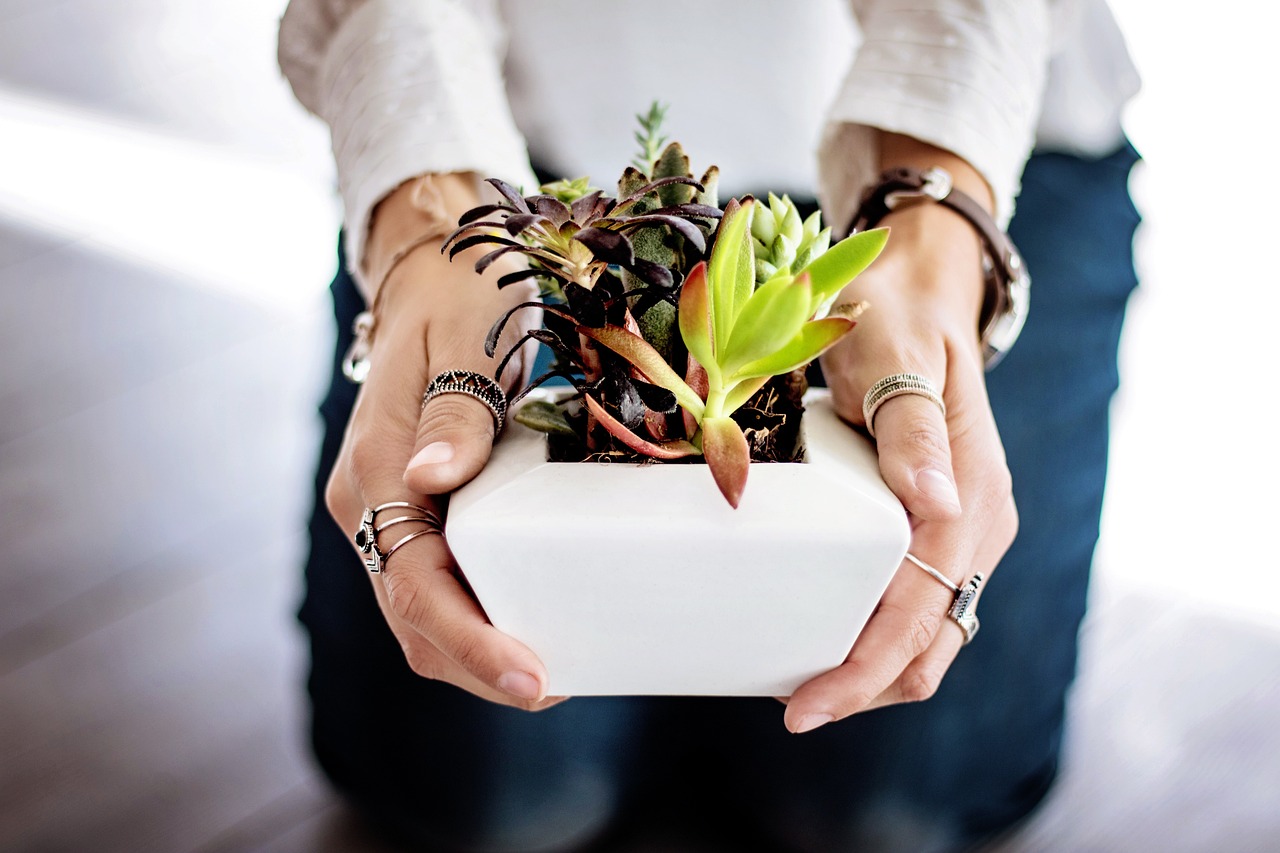
Understanding Light Requirements
Light is the primary energy source for your indoor plants. Just as humans have different dietary needs, plants have specific light requirements that dictate their health and growth rate. Understanding these needs is the most critical step in preventing common issues like yellowing leaves or stunted development.
Most common houseplants thrive in bright, indirect light. This means the plant is in a well-lit room where it can “see” the sky but is not sitting directly in the path of the sun’s burning rays. Think of a spot near an east-facing window or a few feet back from a south-facing one as the ideal location.
To determine your home’s light levels, observe how shadows fall during the day:
- Bright Direct Light: The sun shines directly onto the leaves. This is perfect for cacti and succulents but can scorch tropical foliage.
- Bright Indirect Light: The area is very bright, but the sun does not touch the leaves. This is the “sweet spot” for most indoor varieties like Monsteras and Philodendrons.
- Low Light: Areas far from windows or in rooms with small, north-facing windows. Only shade-tolerant plants like Snake Plants or ZZ plants will survive here.
If you have a plant that prefers bright light but your available space only offers harsh, direct sun, use a sheer curtain to diffuse the intensity. This simple step filters the light, protecting delicate foliage from midday leaf scorch while still providing the energy the plant needs to photosynthesize.
Avoid the temptation to move plants frequently. Once you find a spot that matches their light requirements, leave them there. Constant relocation forces the plant to expend unnecessary energy adjusting its internal processes to new light levels. If a plant is leaning heavily toward a window, it is signaling that it needs more light; rotate the pot slightly once a week to ensure even growth, but keep it in its established, healthy location.
Mastering the Watering Routine
The most common cause of houseplant death is overwatering, not neglect. Many beginners fall into the trap of following a rigid weekly calendar, but your plant’s hydration needs change constantly based on humidity, light levels, and the time of year. Instead of adhering to a strict schedule, you must learn to read your plant’s specific needs.
The most reliable way to check for moisture is the finger test. Insert your index finger about two inches deep into the soil. If the soil feels dry at that depth, it is time to water. If it still feels damp or cool, wait a few more days. Always err on the side of underwatering, as most houseplants recover from a brief dry spell far better than they recover from waterlogged roots.
Proper drainage is the second pillar of a healthy watering routine. To keep your plants thriving, follow these three essential practices:
- Use pots with drainage holes: Never plant directly into a decorative container that lacks a drainage hole. If you love a specific pot, keep the plant in its plastic nursery liner and place that inside the decorative cover.
- Water thoroughly: When it is time to water, pour until water runs freely through the bottom of the pot. This ensures the entire root ball is hydrated and helps flush out accumulated mineral salts.
- Empty the saucer: Never let your plant sit in a pool of stagnant water. After watering, wait 15 minutes, then discard any water left in the saucer. Sitting in water creates an anaerobic environment that leads to root rot, which is often fatal.
By shifting your focus from the calendar to the actual condition of the soil, you will foster a healthier root system and significantly extend the lifespan of your indoor greenery. Consistent observation is the secret to becoming a confident plant parent who knows exactly when their plants are truly thirsty.

Essential Tools and Safety Practices
Equipping yourself with the right tools is the first step toward successful indoor gardening. Using purpose-built equipment not only makes routine tasks more efficient but also protects your plants from unnecessary damage and infection. When you invest in quality gear, you gain better control over your plant care routine.
For pruning and maintenance, always use sharp, clean shears. Dull blades can crush delicate stems, leaving jagged wounds that take longer to heal and act as entry points for bacteria or fungi. Before and after each use, wipe your blades with a cloth dampened in rubbing alcohol to prevent the spread of disease between different plants.
Safety should remain a priority during every session. Many common houseplants, such as philodendrons or euphorbias, contain sap that can cause skin irritation or allergic reactions. Similarly, cacti and succulents often feature sharp spines that can puncture skin. To avoid these issues, adopt these practical safety habits:
- Wear durable, well-fitting gardening gloves to protect your hands from thorns and irritating plant sap.
- Use a small hand trowel for repotting to keep your fingernails clean and ensure soil is packed evenly around the root ball.
- Keep a dedicated watering can with a long, narrow spout to reach the soil surface without splashing foliage or water-sensitive leaves.
- Always keep a soft-bristled brush on hand to gently remove dust from leaves, which improves photosynthesis and plant health.
If your plant collection includes hanging baskets or tall specimens, reaching them safely is essential. Never stand on chairs, boxes, or unstable furniture to access high-hanging plants. Instead, use a sturdy, dedicated step stool designed for household use. Always ensure the stool is placed on a flat, level surface before climbing. By maintaining a stable base, you prevent accidental falls while ensuring your plants receive the consistent care they need to thrive. Taking these simple precautions creates a safer environment for both you and your indoor garden.
Managing Humidity and Cleanliness
Most indoor plants hail from tropical environments where humidity levels are naturally high. In contrast, modern homes—especially during winter months—are often dry due to heating systems. This lack of moisture can lead to crispy leaf edges or stunted growth. To mimic a more natural habitat, you can easily increase the humidity around your plants.
Try these simple methods to boost moisture levels:
- Group plants together: Placing pots close to one another creates a microclimate. As plants release moisture through their leaves, they increase the relative humidity for their neighbors.
- Use a pebble tray: Fill a shallow tray with pebbles and water, then set your plant pot on top. Ensure the base of the pot sits above the water line to prevent root rot. As the water evaporates, it creates a humid pocket around the foliage.
- Utilize a humidifier: If you have a large collection of tropical plants, running a humidifier in the room is the most effective way to maintain consistent moisture.
Beyond humidity, maintaining plant cleanliness is vital for long-term health. Over time, a layer of dust settles on leaves, which acts as a barrier to sunlight. This prevents the plant from photosynthesizing efficiently, effectively starving it of energy.
To keep your plants thriving, gently wipe down the leaves every few weeks using a soft, damp cloth. Use one hand to support the leaf from underneath while wiping the top surface to avoid tearing. This routine serves a dual purpose: it keeps the pores (stomata) clear for gas exchange and provides you with a perfect opportunity to inspect for pests. If you notice fine webbing, sticky residue, or tiny spots, catch them early before they spread to your other houseplants. A clean plant is a resilient plant, better equipped to fight off potential infestations and continue growing vigorously throughout the year.

Troubleshooting and Long-Term Maintenance
Even with the best intentions, indoor plants occasionally show signs of distress. When you notice yellowing leaves, drooping stems, or stunted growth, do not panic. These are usually signals that your plant is struggling to adapt to its environment, and they are almost always reversible with quick adjustments.
Start your troubleshooting by evaluating the two most common culprits: water and light. Overwatering is the leading cause of indoor plant decline, often leading to root rot, while underwatering causes crispy, brown edges. Similarly, ensure your plant is receiving the specific light intensity it requires; a plant placed in a dark corner may stop growing, while one in harsh, direct sun might suffer from scorched foliage.
If your watering and lighting routines are correct but the plant continues to decline, perform a thorough physical inspection:
- Check the undersides of leaves and along the stems for tiny webs, sticky residue, or small bumps, which indicate pests like spider mites, aphids, or scale.
- Examine the soil surface for mold or small flying insects, which may suggest the soil is staying too wet.
- Ensure the pot has adequate drainage holes to prevent water from pooling at the roots.
If you are struggling to identify the problem, do not hesitate to reach out to a local nursery professional. Bringing a photo or a small clipping of the affected plant to an expert can provide you with a tailored diagnosis.
Sometimes, the best solution is a change of scenery. If a plant looks unhappy, try moving it to a different location with slightly different light or humidity levels for a few weeks to see if it begins to recover. Remember that plants are living organisms that respond to their surroundings; consistent, quiet observation is your most effective tool for long-term maintenance. By catching minor issues early, you can prevent them from becoming major health crises, ensuring your indoor garden remains vibrant and healthy year-round.

Dedicated team of gardening enthusiasts with years of hands-on experience testing lawn mowers, gardening tools, and outdoor equipment. We help home gardeners and professionals alike make informed buying decisions with honest, thorough reviews. From push mowers to pruning shears, we test it all so you don’t have to. Got a gardening tool you’d like us to review? Get in touch!