
To trim a ligustrum shrub effectively, use sharp, sterilized bypass shears to make clean cuts just above a leaf node. This precise technique encourages the plant to branch out, resulting in a denser, more attractive appearance. Regular pruning is essential for managing this vigorous grower and keeping your landscape looking neat all year long.
Ligustrum, also known as privet, is a fast-growing shrub that requires consistent maintenance to remain healthy and compact. Because these plants are incredibly resilient, you can safely shape them multiple times during the active growing season. Understanding their growth patterns helps you avoid over-pruning, which can inadvertently leave your shrub looking sparse or stressed.
This comprehensive guide explains the best techniques for trimming your ligustrum to encourage fuller foliage while maintaining your desired shape. We will cover the ideal timing for pruning, necessary tools, and expert tips to ensure your shrub remains vibrant throughout the season. Follow these practical steps to master your garden maintenance and achieve professional-looking results effortlessly.
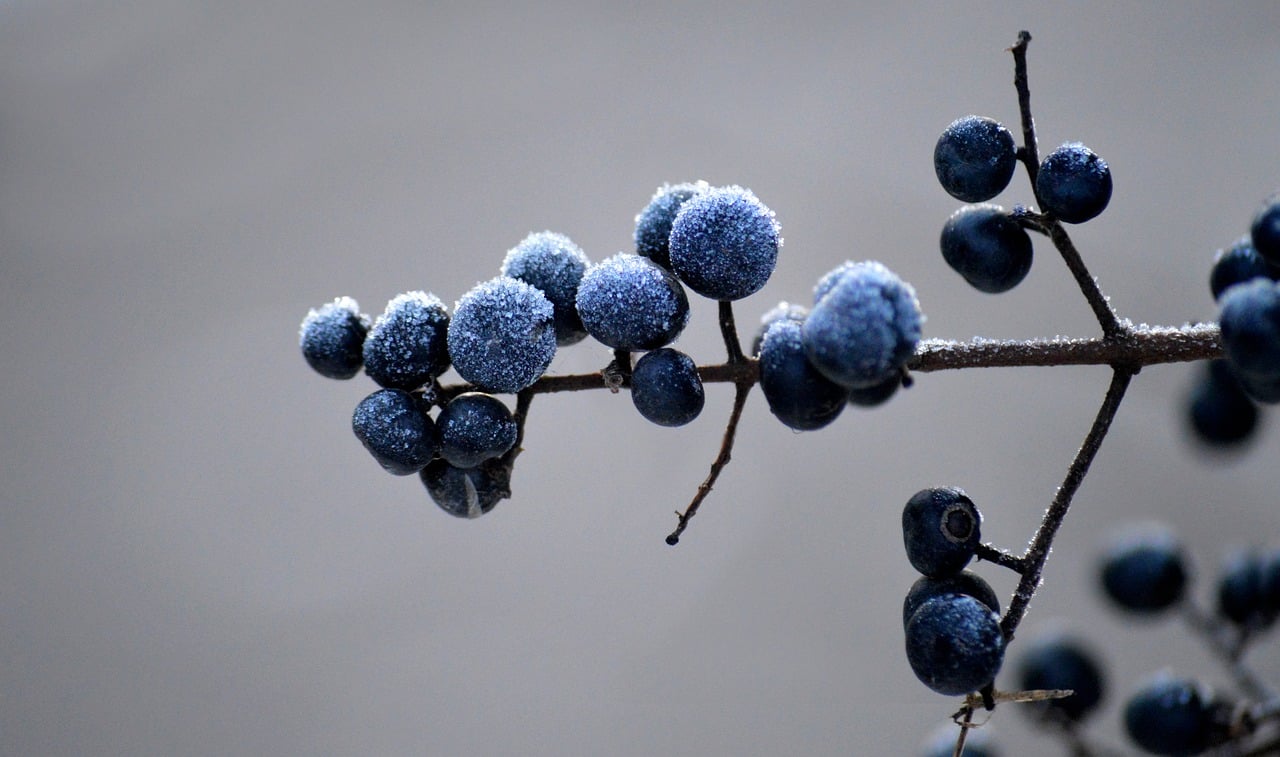
When to Prune Your Ligustrum
Timing is the most critical factor in maintaining the health and vigor of your ligustrum. Because these shrubs are resilient and fast-growing, pruning at the wrong time can either stunt their development or leave them vulnerable to environmental stress.
The ideal window for heavy structural pruning is in late winter or early spring, just before the plant breaks dormancy. By trimming while the shrub is still in its resting phase, you prepare the ligustrum to channel its energy into robust new growth as temperatures rise. This timing ensures that your cuts heal quickly and the plant maintains a dense, healthy structure throughout the primary growing season.
For ongoing maintenance, keep these timing guidelines in mind:
- Maintenance Pruning: Light trimming to maintain shape or remove wayward branches can be performed periodically throughout the spring and summer months. This keeps the shrub looking tidy without stressing the plant.
- Avoid Late Autumn Trimming: Never perform heavy pruning once the weather begins to cool in late autumn. Cutting back a ligustrum at this time stimulates a flush of tender, new growth. If a frost hits before this growth has a chance to harden off, the new shoots will likely suffer significant damage or die back entirely.
If you live in a region with particularly harsh winters, prioritize your major pruning sessions for early spring rather than late winter. This ensures that the plant does not experience a premature growth spurt during an unexpected warm spell, only to be hit by a late-season freeze. Always use sharp, sterilized bypass pruners to ensure clean cuts, which minimize the risk of disease and allow the shrub to recover efficiently. By aligning your maintenance schedule with the natural life cycle of the ligustrum, you will enjoy a lush, well-shaped hedge that thrives year after year with minimal intervention.
Essential Tools and Safety Gear
Trimming a ligustrum shrub requires precision and safety to ensure both the health of the plant and your own well-being. Before you begin, gather the appropriate tools based on the size of the branches you intend to cut. Using the correct equipment prevents jagged wounds on the shrub, which can invite disease.
For small, individual branches, use sharp, clean bypass pruners. Bypass blades act like scissors, providing a clean, flush cut that heals quickly. For shaping the exterior of the hedge, long-handled hedge shears are ideal for achieving a uniform look. If you are managing a large, overgrown ligustrum, power hedge trimmers significantly reduce physical strain and save time.
Safety must be your first priority when operating any cutting tool. Follow these essential guidelines to protect yourself:
- Eye Protection: Always wear safety goggles. Flying debris, such as small leaves and woody fragments, can easily cause eye injuries.
- Hand Protection: Wear thick, puncture-resistant work gloves. Ligustrum branches can be stiff, and gloves protect against scratches and blisters.
- Footwear: Wear sturdy, closed-toe boots. Avoid sandals or thin sneakers to prevent injury if a tool slips or a heavy branch falls.
- Equipment Inspection: Before starting, check your tools for loose bolts, dull blades, or frayed power cords. Never use damaged equipment.
- Cord Management: If using electric trimmers, always be mindful of where your power cord is positioned. Keep it draped over your shoulder or behind you, well away from the cutting path to prevent accidental severing.
Finally, ensure your footing is stable before making any cuts. If you need to reach the top of a tall ligustrum, use a sturdy, level ladder rather than overextending your reach. Working within your comfort zone prevents fatigue, which is when most gardening accidents occur. By keeping your tools sharp and your safety gear intact, you ensure a productive and injury-free pruning session.

Step-by-Step Trimming Technique
Begin your trimming process by focusing on the health of the shrub. Use sharp, sterilized bypass pruners to remove any dead, diseased, or damaged wood. You should also identify and prune away crossing branches that rub against each other, as these create entry points for pests and diseases. Clearing this material improves internal airflow, which is vital for the long-term vitality of your ligustrum.
Once the plant is cleaned, you can begin shaping. To encourage healthy regrowth, follow these technical guidelines:
- Make clean cuts: Always cut at a slight 45-degree angle just above a leaf node (the point where leaves emerge from the stem). An angled cut prevents water from pooling on the wound, which reduces the risk of fungal infections.
- Maintain the taper: The most common mistake in hedge maintenance is trimming the top wider than the bottom. You must trim the top of the shrub slightly narrower than the base. This “pyramid” shape ensures that sunlight reaches the lower branches throughout the day.
If the top of your ligustrum is wider than the base, the upper foliage will shade out the lower sections. Over time, this lack of light causes the bottom of the shrub to become sparse, woody, and unattractive. By keeping the base wider, you ensure the entire plant remains dense and vibrant from top to bottom.
Work slowly, stepping back frequently to assess the overall shape. It is better to make several light passes than to remove too much foliage at once. If you are performing a heavy rejuvenation prune, aim to do so in the late winter or early spring before the plant enters its primary growth phase. This gives the ligustrum the entire season to recover and fill in any gaps you have created. Always ensure your tools are sharp to avoid tearing the bark, which can lead to unsightly browning at the cut sites.
Managing Overgrown Privet
If your ligustrum has become unruly, leggy, or sparse at the base, a rejuvenation prune is the most effective way to restore its vigor. Unlike standard shaping, this process involves a significant reduction to reset the plant’s growth cycle and encourage dense, fresh foliage from the ground up.
To safely rejuvenate an overgrown privet, you must be strategic about what you remove. Follow these steps to ensure the plant recovers successfully:
- Target the oldest stems: Identify the thickest, woodiest canes at the base of the shrub. You can safely remove up to one-third of these stems annually.
- Use the right tools: Ensure your loppers or pruning saw are sharp and sanitized to prevent crushing the stems or spreading disease.
- Cut close to the source: Make your cuts as close to the soil line or the main trunk as possible to stimulate dormant buds located lower on the plant.
- Maintain balance: Distribute your cuts evenly throughout the interior of the shrub rather than clearing one side entirely. This keeps the plant structurally sound while it heals.
Timing is critical for this heavy pruning. Because removing a large portion of the canopy places significant stress on the root system, you must perform this work only during the dormant winter period—typically late January or February, just before spring growth begins. This allows the plant to direct its energy into new shoots as soon as the weather warms.
Be prepared for a slower transition. A heavily pruned ligustrum will look bare immediately after the work is done and may take a full growing season to regain its desired shape and density. Avoid the temptation to fertilize heavily immediately after pruning; instead, provide consistent water during the first spring to support the emergence of new, healthy growth. Once the new shoots reach about six inches in length, you can lightly tip-prune them to encourage even greater branching and a tighter, more attractive habit.

Follow-up Care and Common Questions
Once you have finished pruning your ligustrum, the plant needs immediate support to recover from the stress of cutting. Start by watering the shrub deeply at the base, ensuring the moisture reaches the root zone. Applying a two-to-three-inch layer of organic mulch, such as wood chips or pine bark, around the drip line will help retain soil moisture, regulate root temperature, and suppress competing weeds.
Timing is critical for long-term health. Avoid trimming your ligustrum during periods of extreme heat or severe drought. Cutting back foliage when the plant is already struggling to maintain water balance can cause significant shock, leading to branch dieback and an increased vulnerability to pests.
If you notice persistent issues after pruning, use these guidelines to troubleshoot:
- Yellowing leaves: This often indicates overwatering, poor drainage, or a nutrient deficiency. Check soil moisture levels before adding fertilizer.
- Stunted growth: If the shrub fails to flush out new growth after several weeks, the soil pH may be off, or the plant may be root-bound.
- Branch dieback: If specific sections turn brittle and brown, inspect them for signs of disease or pest infestation.
If your ligustrum continues to struggle despite consistent watering and proper site conditions, consider taking a soil sample to your local agricultural extension office. Testing the soil can reveal hidden nutrient imbalances that standard fertilizers cannot correct. In cases where the plant shows signs of systemic disease, such as fungal spots or wilting that does not respond to care, consult a certified local arborist. They can provide a professional diagnosis and determine if the shrub requires specialized treatment or removal to protect the rest of your landscape.
By monitoring your plant closely in the weeks following a trim, you can catch potential problems early and ensure your ligustrum remains a lush, healthy feature of your garden for years to come.

Dedicated team of gardening enthusiasts with years of hands-on experience testing lawn mowers, gardening tools, and outdoor equipment. We help home gardeners and professionals alike make informed buying decisions with honest, thorough reviews. From push mowers to pruning shears, we test it all so you don’t have to. Got a gardening tool you’d like us to review? Get in touch!